


 Photo: © StockholmMuseum.com
Royal Swedish Opera: Stockholm’s Grand Stage Since 1773
Explore the Royal Swedish Opera's grandeur and rich history dating back to 1773. Dive into this cultural gem, the heartbeat…

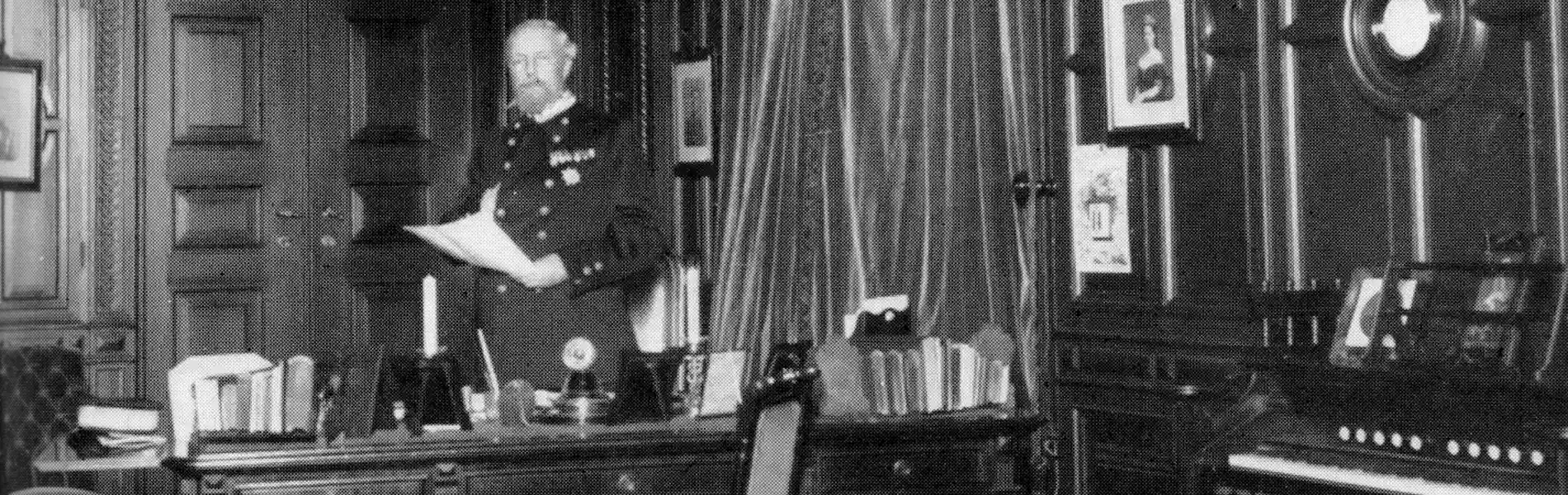
Explore Swedish kings and royal history in Stockholm—from warrior rulers to modern monarchy—through the places where power shaped the nation.
Stockholm is more than Sweden’s capital—it is the historic center of Swedish kings, royal power, and national identity.
From medieval rulers and warrior kings to today’s constitutional monarchy, Sweden’s history is deeply connected to Stockholm. Palaces, churches, and museums across the city still reflect the ambitions, conflicts, and legacy of the monarchy.
This guide explores Swedish kings and royal history through the places where power was shaped, challenged, and remembered.
Sweden’s monarchy has undergone a profound transformation—from absolute rule to modern constitutional monarchy.
Each phase left traces not only in archives—but in Stockholm’s physical landscape.
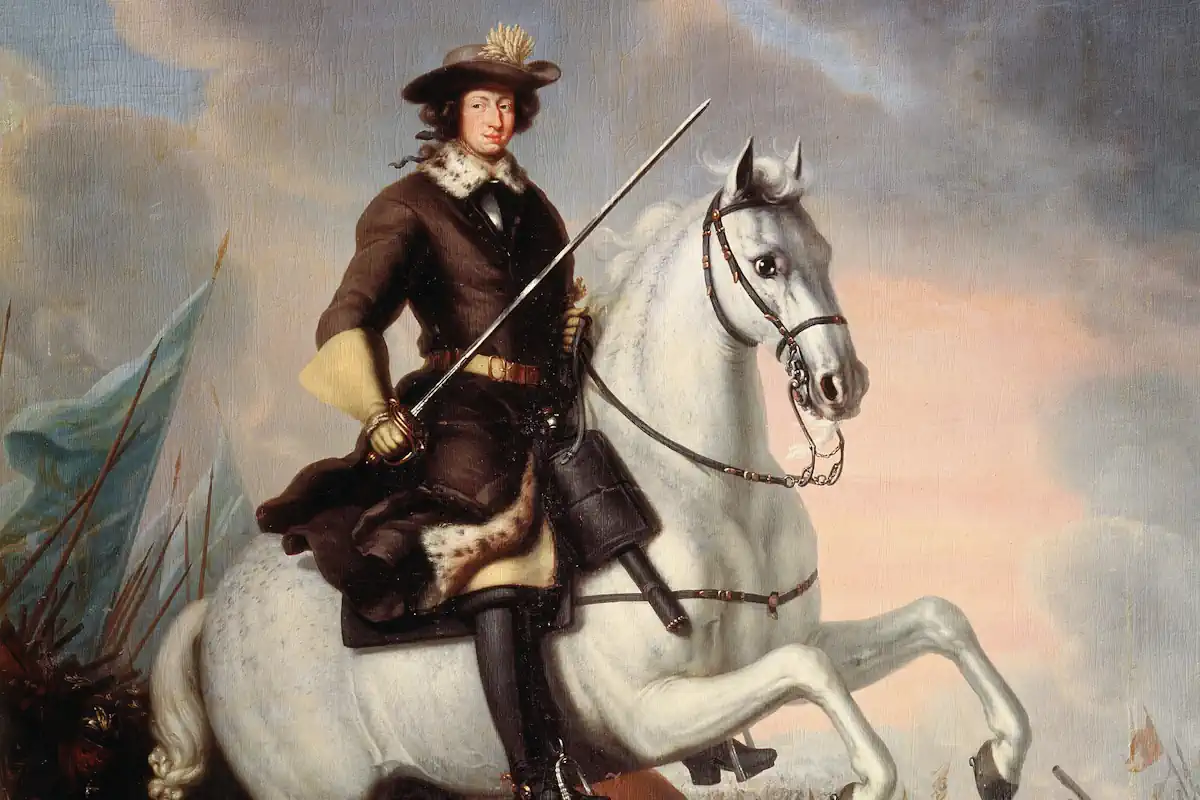
During the height of the Swedish Empire, kings ruled as military leaders, shaping both the nation and Europe through war.
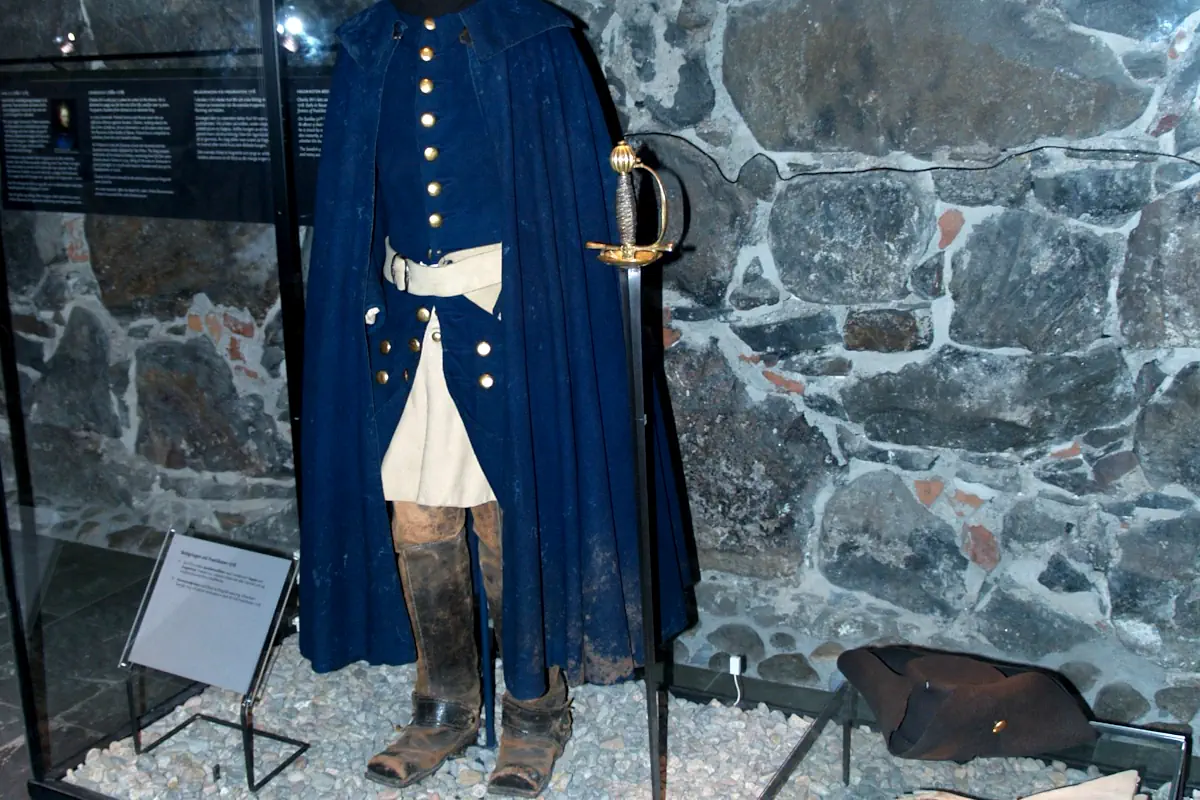
The legacy of this era can still be experienced at the Royal Armoury, where weapons, uniforms, and royal artifacts reflect Sweden’s military past.
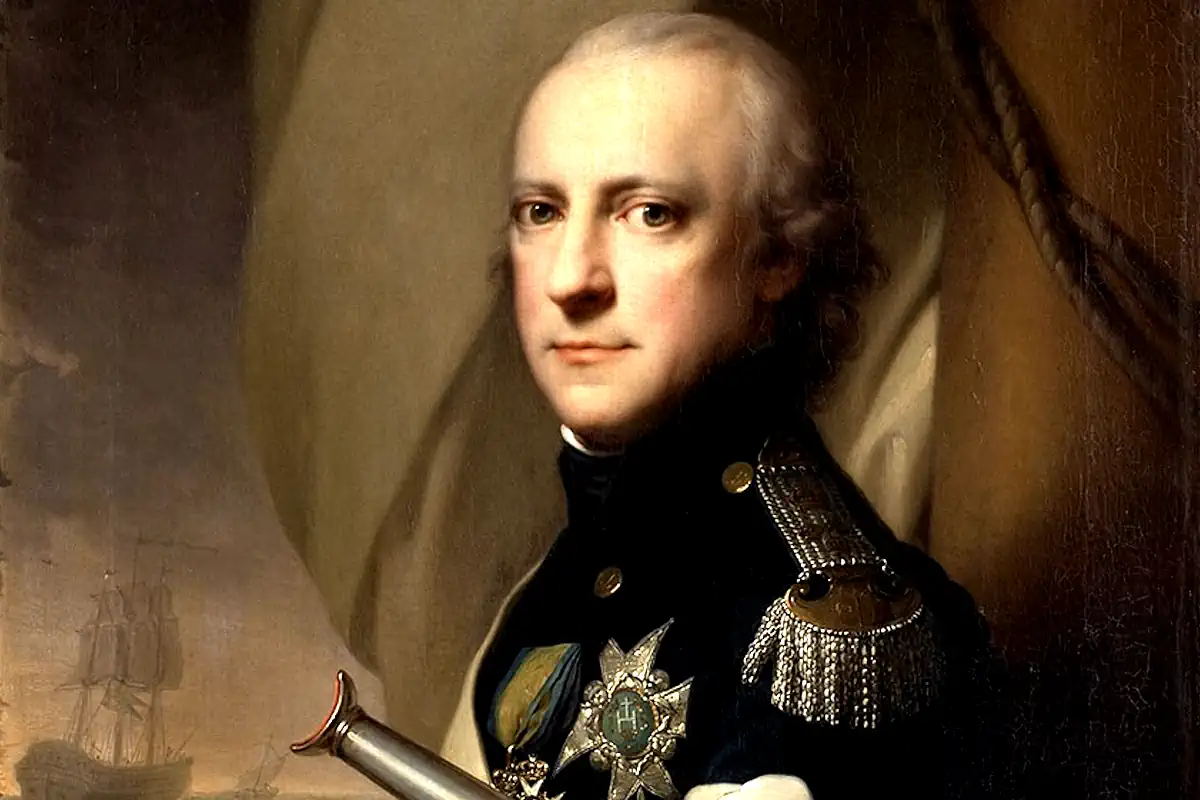
The early 19th century marked a turning point in Swedish history.
After political crisis and the loss of Finland, Sweden adopted a new constitutional framework in 1809—limiting royal power and redefining the state.
This shift laid the foundation for modern Sweden—where monarchy and democracy coexist.
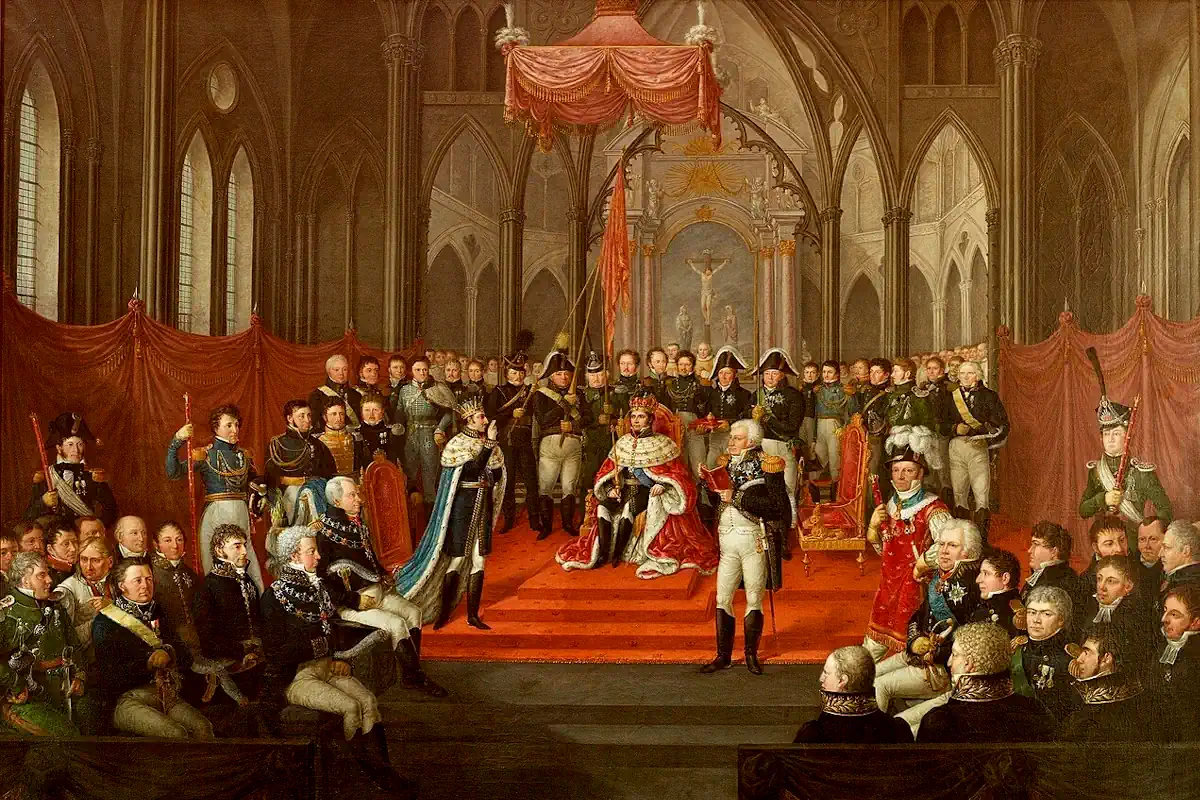
As political power declined, cultural influence grew.
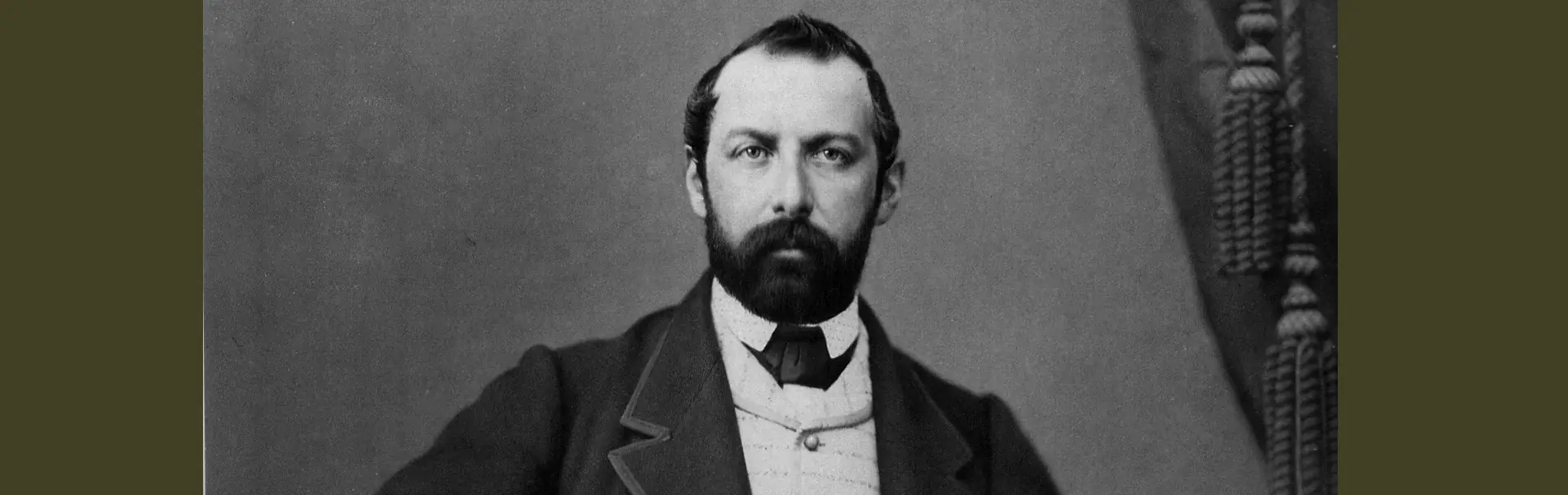
These rulers helped shape Sweden’s national identity—not through conquest, but through culture, diplomacy, and reform.
Stockholm itself serves as a living map of royal history.
These places connect individuals to institutions—and stories to physical space.
Understanding Sweden’s monarchy is not just about individuals—it’s about how power evolves, adapts, and endures.
In Stockholm, royal history is never far away.
From grand palaces to quiet churches, the city offers a unique opportunity to experience how centuries of leadership have shaped a modern nation.
👉 Explore the stories. Visit the places. Step into Sweden’s past—and see how it continues to shape the present.