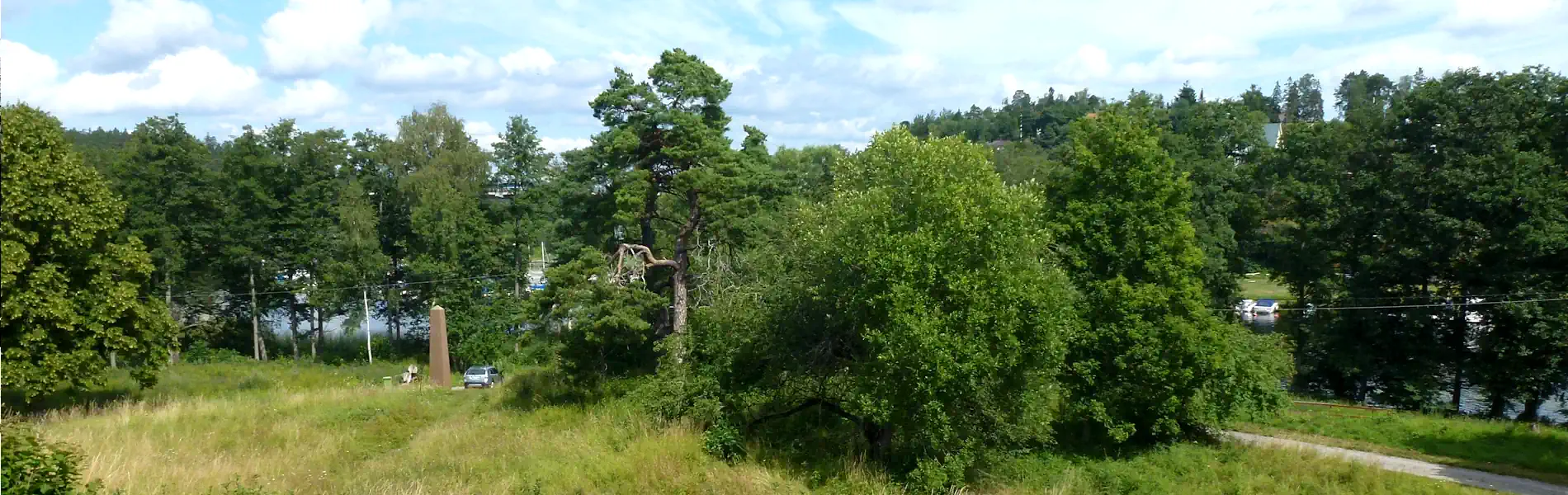
Explore the ruins of Almare-Stäket, a medieval archbishop’s fortress near Lake Mälaren whose destruction helped trigger the events leading to the Stockholm Bloodbath.
Almare-Stäket — a lost fortress on Lake Mälaren
Hidden among wooded hills near the narrow strait connecting Lake Mälaren with the Baltic waterways, the ruins of Almare-Stäket castle mark the site of one of medieval Sweden’s most strategically important fortresses. Located in today’s Upplands-Bro Municipality about 35 kilometers northwest of Stockholm, the stronghold once controlled a vital passage between inland Sweden and the sea.
Though little remains above ground today, the site played a dramatic role in the political struggles of the late Middle Ages and helped trigger events that would change Sweden’s history forever.

A strategic stronghold of the archbishops
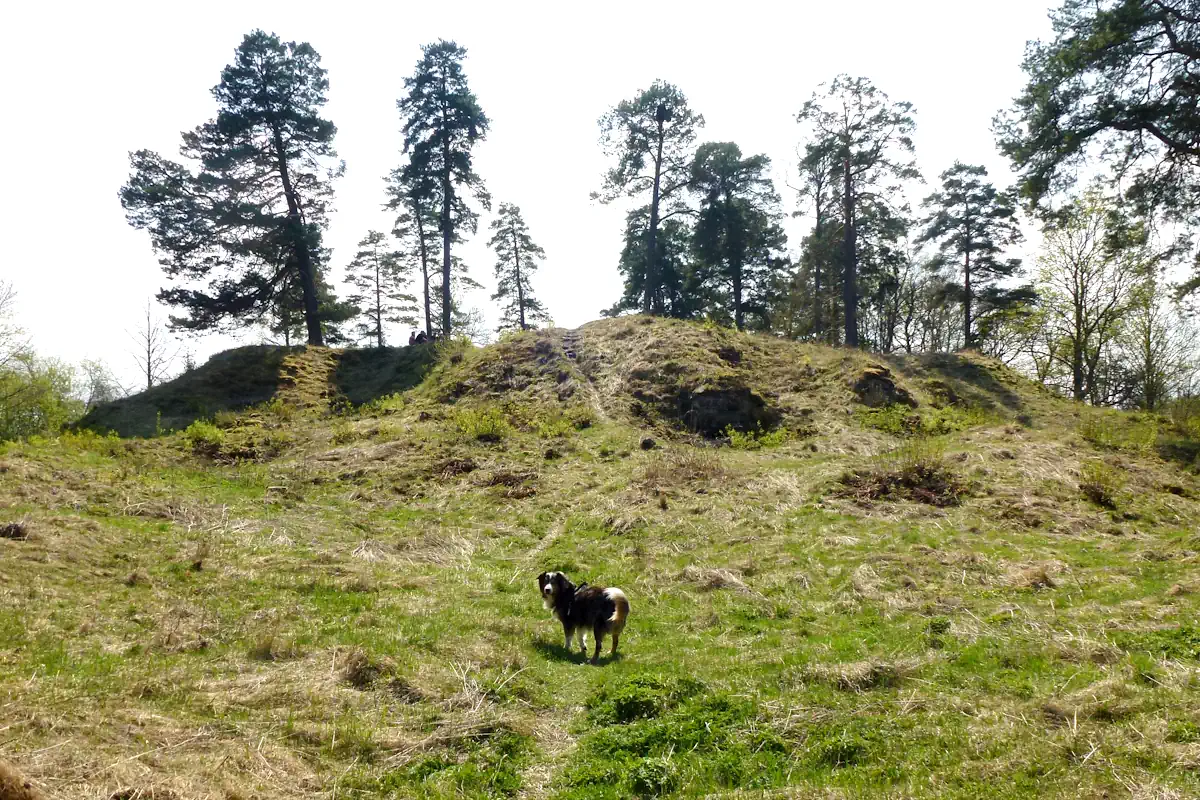
Almare-Stäket was established during the 13th century as a fortified residence for the Archbishops of Uppsala. Positioned beside the narrow waterway known as Stäket, the castle allowed church authorities to monitor trade routes and military movement between Lake Mälaren and the Baltic Sea.
The fortress was not only a defensive structure but also an administrative center. From here the archbishops managed church lands and exercised considerable political influence during a time when religious and royal authority often overlapped.
Like later estates around Lake Mälaren—such as Gripsholm Castle and Skokloster Castle—the location of Almare-Stäket reflected the strategic importance of the region’s waterways.
The destruction of the fortress became one of the defining moments in the struggle for power in early modern Sweden.

From stronghold to ruins
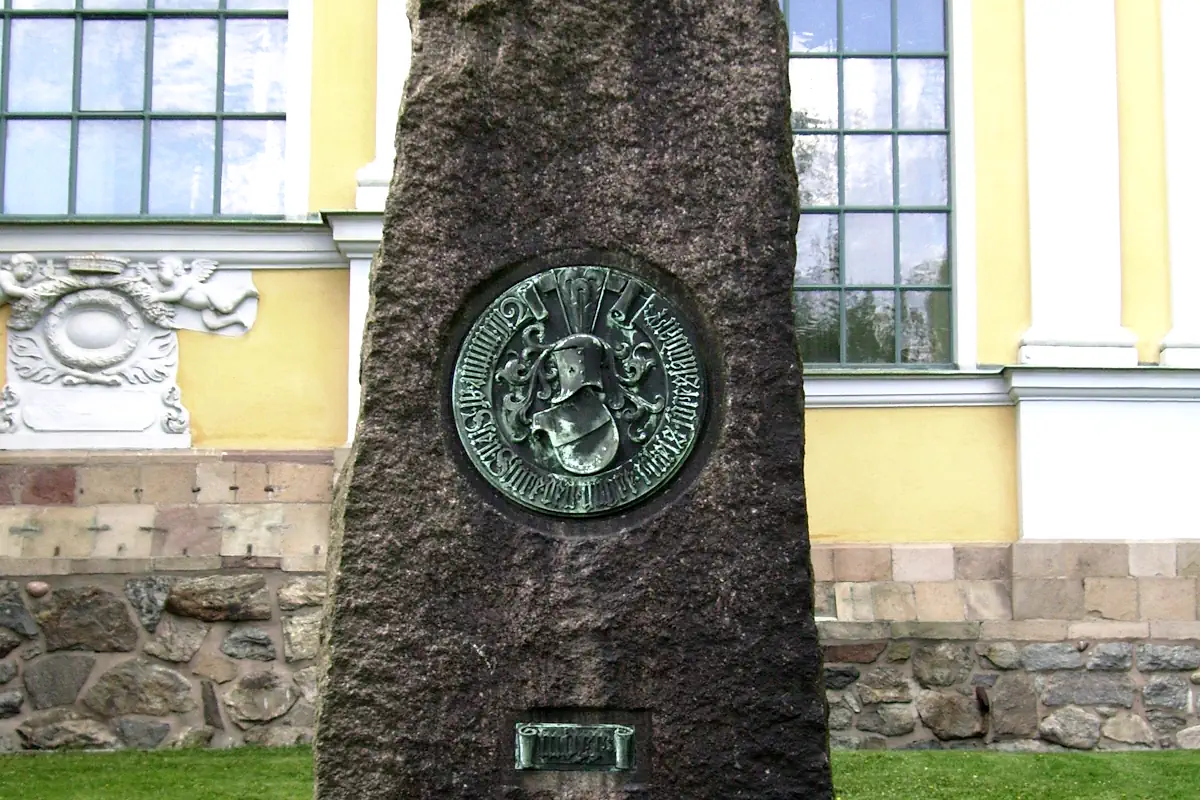
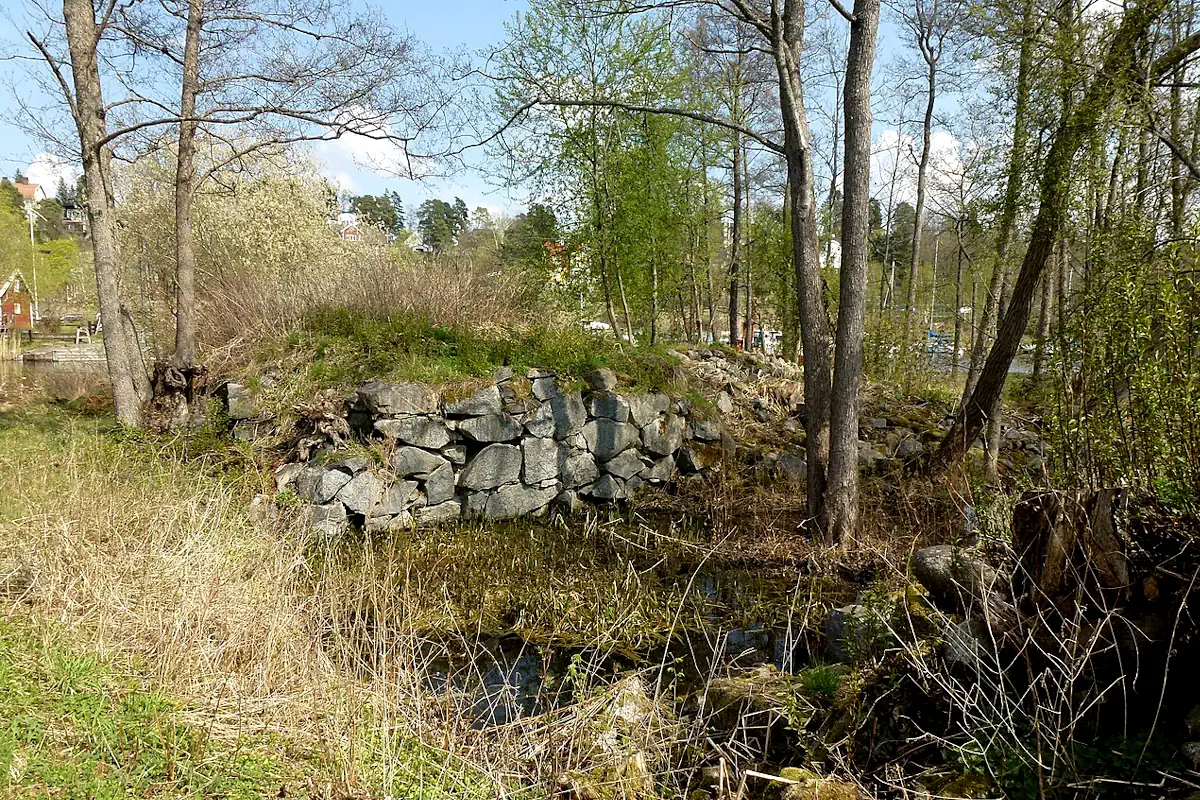
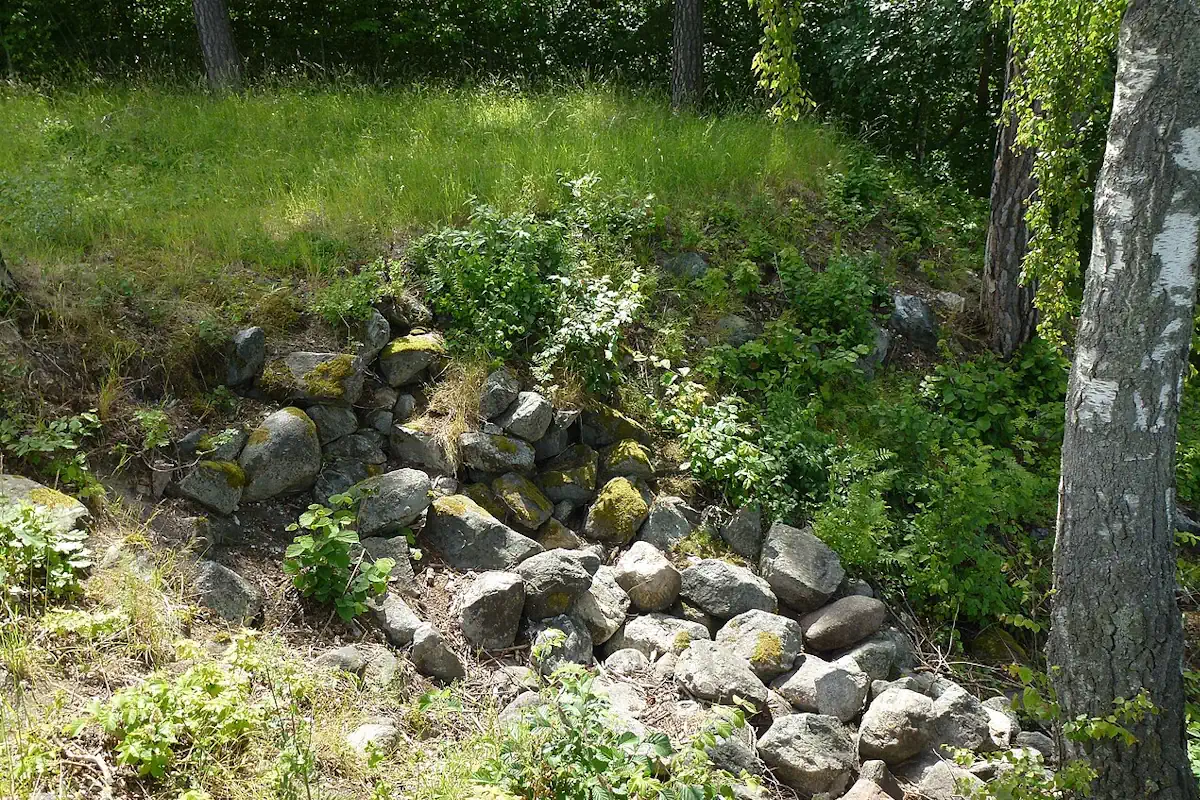
The destruction of Almare-Stäket was not an isolated event—it was part of the chain of conflicts that would culminate in the Stockholm Bloodbath. After its destruction in the early 16th century, Almare-Stäket was never rebuilt. Over time the fortress gradually disappeared into the surrounding landscape, leaving only fragments of foundations and earthworks visible today.
Archaeological investigations during the 20th century helped confirm the site’s layout and importance. Excavations revealed defensive walls, building remains, and traces of the medieval settlement that once surrounded the fortress.
Today the area forms part of a quiet cultural landscape where history survives mostly through archaeology and historical records.
Exploring the historic site
Although Almare-Stäket lacks the standing buildings of later castles, the site remains an intriguing destination for visitors interested in medieval history and landscape archaeology.
Walking trails lead through the surrounding forests and hills where the fortress once stood, offering views across the waterways that made the location so strategically important centuries ago.
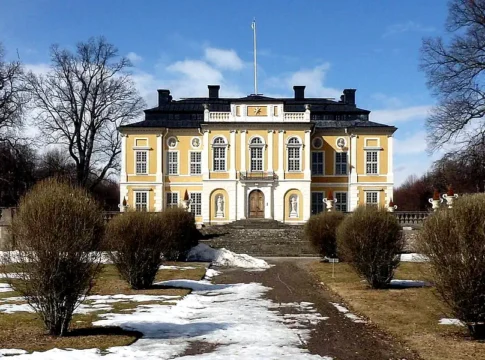
Nearby historic landmarks around Lake Mälaren include Steninge Palace, a Baroque estate north of Stockholm, and Gripsholm Castle, one of Sweden’s most famous Renaissance castles.
Together these sites illustrate the long history of political power and aristocratic life that developed around the lake.
Visitor Information
Location: Almare-Stäket archaeological site, Upplands-Bro Municipality, Sweden
Getting there:
• About 35–40 minutes by car from Stockholm
• Accessible via local roads from Kungsängen
What to expect:
• Archaeological remains of a medieval fortress
• Scenic natural surroundings along Lake Mälaren’s waterways
• Walking trails and historical interpretation of the site
Admission:
Open landscape area; free access.
Discover more royal landmarks in our complete guide to Stockholm’s palaces and castles.
Explore how waterways shaped the city’s history, geography, and public spaces.