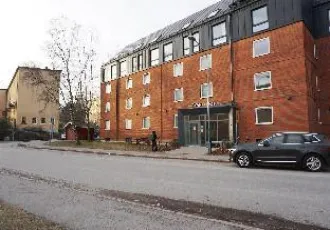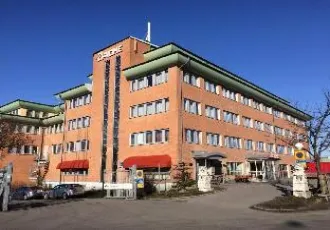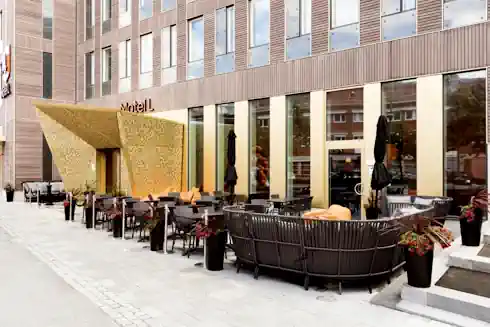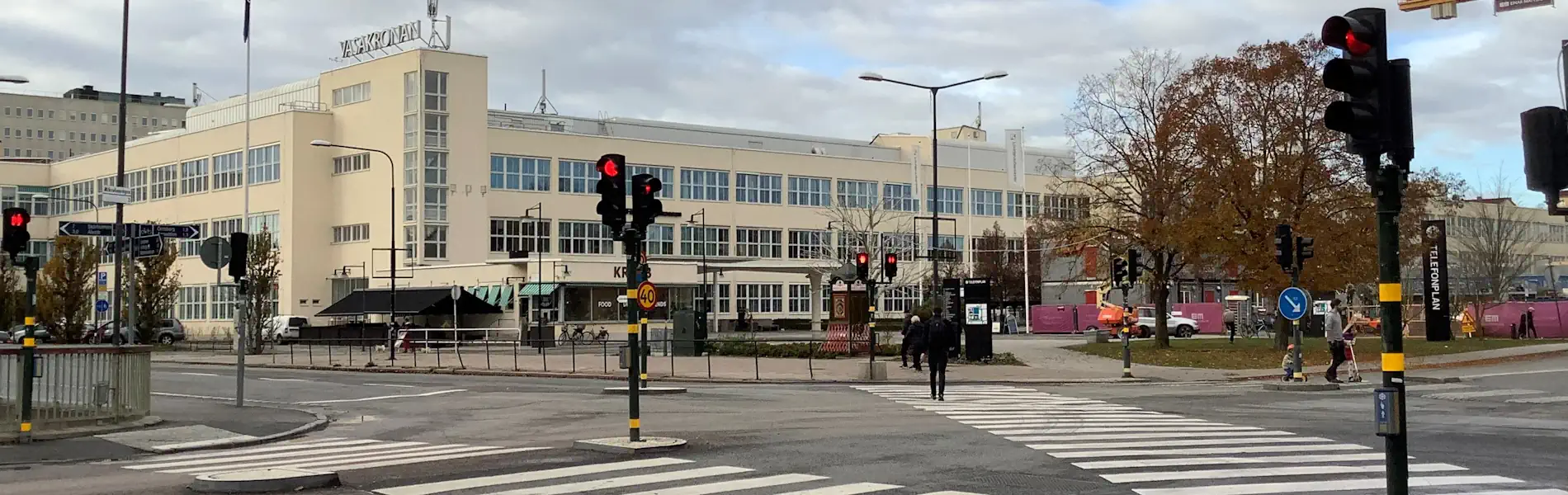
Telefonplan in southern Stockholm offers a compelling example of industrial transformation. Once home to Ericsson’s large-scale telephone production, the area played a key role in Sweden’s technological development. Today, former factory buildings house Konstfack and creative industries, where traces of industrial history remain embedded in a vibrant cultural environment.
🏭 From Telephone Factory to Global Industry
Few places in Stockholm show such a clear transformation from industrial production to modern creative life as Telefonplan. Once dominated by Ericsson’s vast factory complex, the area was a center of telecommunications manufacturing that helped connect Sweden to the world. Today, the same spaces are filled with art, design, and education—yet the scale, structure, and atmosphere of the industrial past remain clearly visible.
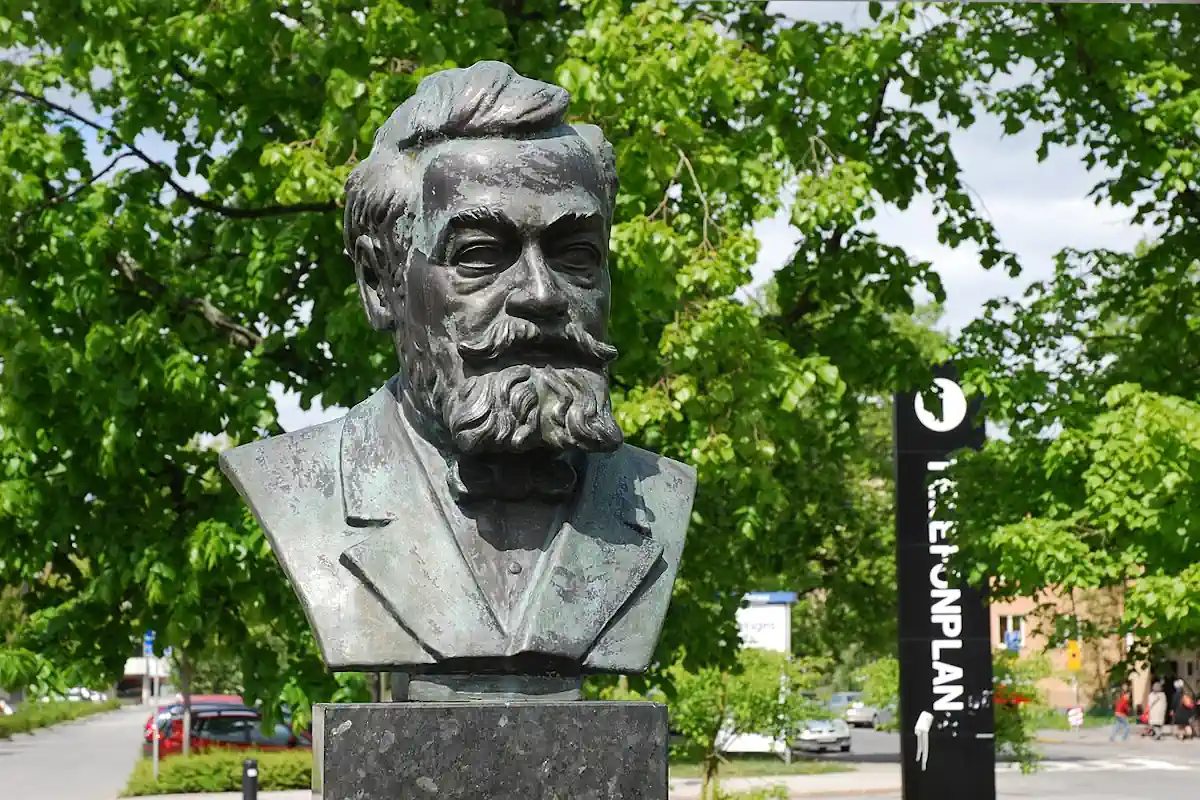
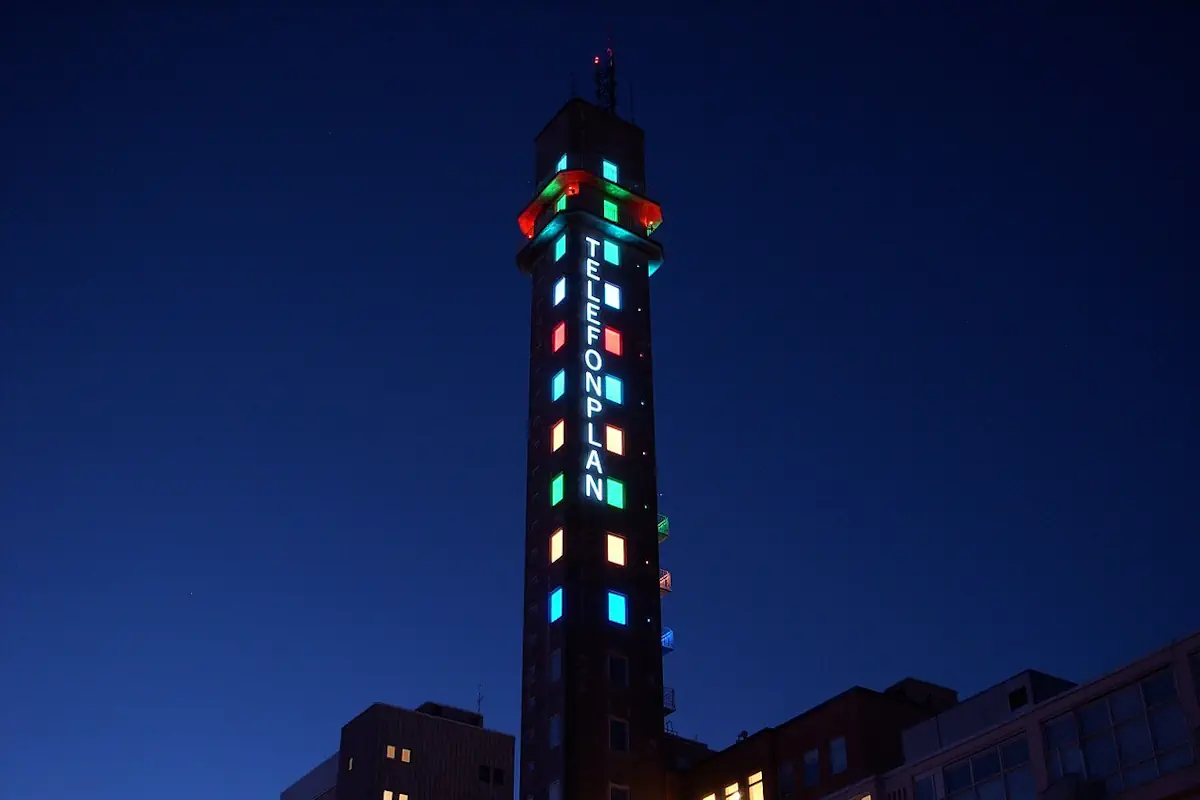
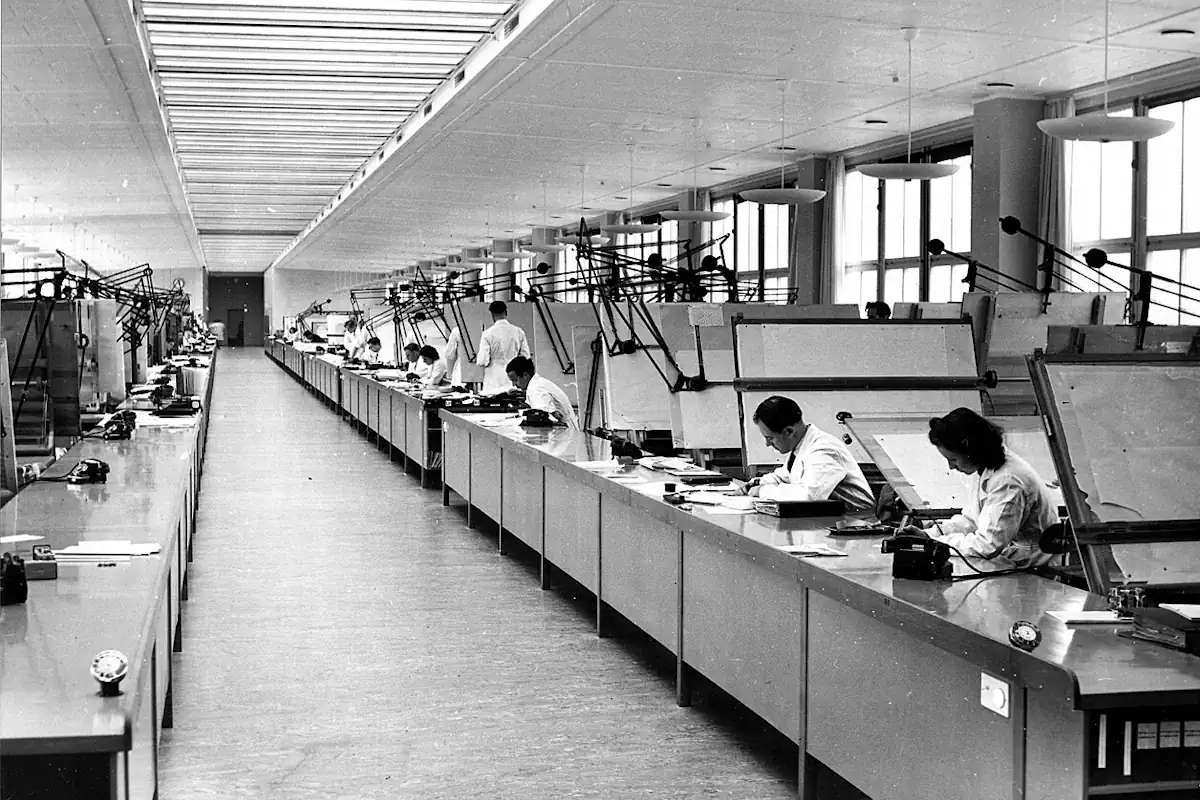
Developed in the early 20th century as a major industrial site for Ericsson, Telefonplan became one of Sweden’s most important centers for telecommunications manufacturing. Here, thousands of workers produced telephones, switchboards, and technical equipment that connected Sweden—and eventually the world.
At its peak, the area was not just a factory, but a complete industrial environment—where innovation, labor, and infrastructure came together on a large scale. Thousands of workers moved through these buildings daily, making Telefonplan not only a center of innovation—but a vital part of Stockholm’s working life.
Telefonplan represents a later phase in Stockholm’s industrial development—part of the broader story explored in Industrial Heritage Stockholm.
🧱 A Planned Industrial Campus
Unlike smaller workshop districts such as Atlasområdet, Telefonplan was designed as a large-scale industrial campus.
The architecture reflects this ambition:
- Expansive factory buildings with functional layouts
- Open spaces designed for logistics and movement
- A unified structure shaped by efficiency and production
This was industrial planning at a national level—built to support one of Sweden’s most important companies during a period of rapid technological growth.
✦ What to Look for at Telefonplan
- Former Factory Buildings: Large, robust structures now repurposed for education and creative industries
- Open Square: Telefonplan’s central space reflects the scale of the original industrial site
- Public Art: Contemporary installations contrast with the industrial surroundings
- Architectural Details: Functional design elements reveal the area’s production-focused past
Today, the industrial past is not hidden—but transformed.
📡 Ericsson and the Rise of Modern Technology
Telefonplan represents a later phase of industrial history than areas like Rörstrand or Slakthusområdet. Here, the focus was not raw materials or heavy industry, but:
- Communication technology
- Electrical engineering
- Global connectivity
Ericsson played a crucial role in shaping Sweden’s international reputation in telecommunications, becoming one of the country’s most influential global companies in the 20th century—making Telefonplan part of a much larger global story.
🎨 From Industry to Creativity
Today, Telefonplan has undergone a remarkable transformation. The former factory buildings now house Konstfack, one of Sweden’s leading art and design institutions located within the former factory buildings, as well as an array of smaller enterprises. This shift reflects a broader change:
- From manufacturing → creativity
- From industry → culture
- From production → ideas
What was once a place of machines and assembly lines is now a space for design, experimentation, and artistic expression.
🧭 A Modern Industrial Landscape
Telefonplan is not a preserved historical site in the traditional sense.
There are:
- No exhibition halls
- No clearly defined “museum spaces”
Instead, it is a living environment, where industrial heritage continues to shape the present.
Compared to:
- Atlasområdet (subtle traces)
- Slakthusområdet (intact industrial district)
👉 Telefonplan represents a third type:
- a fully transformed industrial landscape with a new identity
🏭 Part of Stockholm’s Industrial Landscape
Telefonplan connects naturally with other former industrial areas across Stockholm.
Together with places like:
- Atlasområdet
- Rörstrand
- Slakthusområdet
- Vinterviken
…it forms part of a wider network of industrial heritage sites across the city.
Each reflects a different type of production—engineering, ceramics, food supply, explosives, and telecommunications—together forming a layered map of Stockholm’s industrial development.
📍 Visitor Information
- 📍 Location: Telefonplan, Hägersten, Stockholm
- 🚇 Getting There: Metro to Telefonplan (red line)
- 🗺️ Best Way to Explore: Walk through the square and surrounding streets
- 🔍 What to Expect: A mix of industrial architecture, public art, and creative spaces
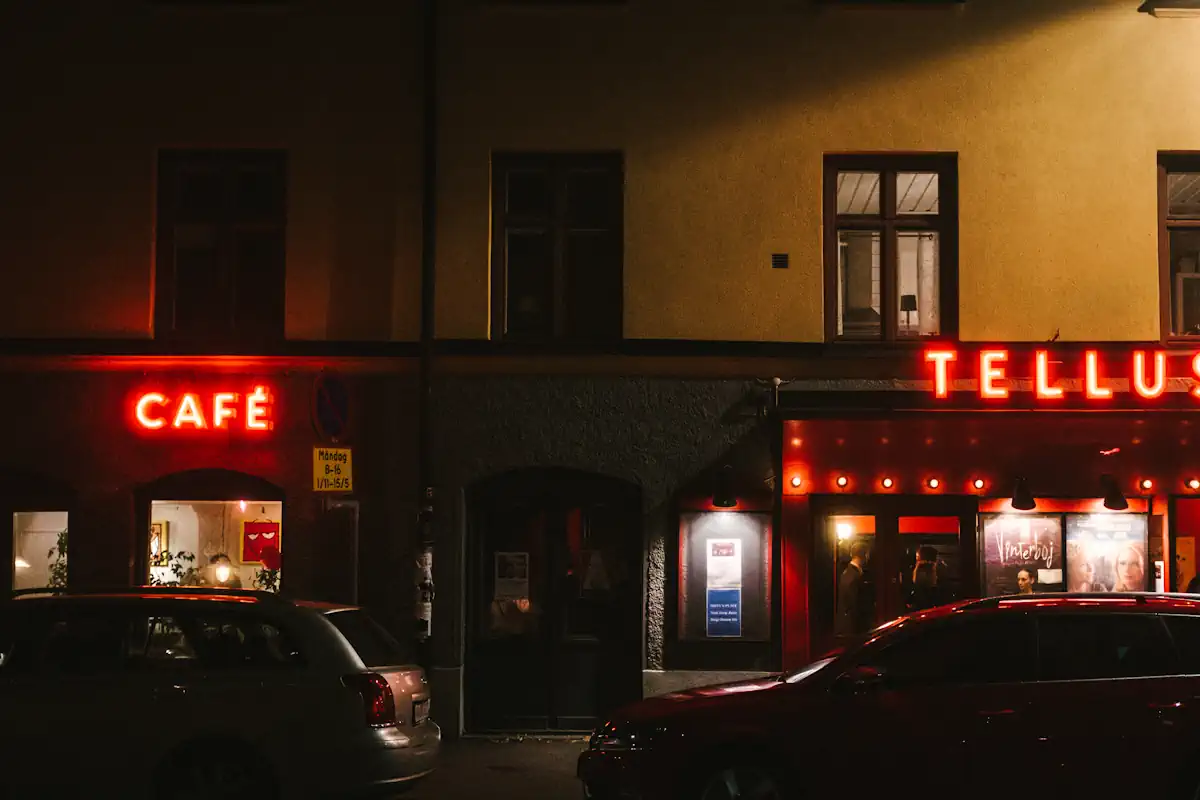
- ☕ Nearby: Cafés, galleries, and design-focused spaces
📍 Nearby Attractions
- Vinterviken: Nature, Nobel history, and industrial remains by Lake Mälaren
- Midsommarkransen: A charming neighborhood with cafés and local atmosphere