Vrak – Museum of Wrecks is a maritime museum on Djurgården, Stockholm, dedicated to the Baltic Sea’s shipwreck heritage. Through exhibitions and digital technologies, it presents underwater archaeology and preserved wreck sites.
Vrak Museum of Wrecks: Unveiling Sweden’s Underwater Heritage
On Djurgården, Stockholm’s island of museums, the Vrak – Museum of Wrecks offers a rare glimpse beneath the Baltic Sea—where centuries-old ships lie preserved in near-perfect condition. Through immersive exhibitions and digital technology, visitors can explore a hidden underwater world without ever getting wet.
Opened in September 2021, the museum is housed in Boat Hall 2 at Galärvarvet, a historic dockyard shared with some of Djurgården’s most popular attractions, including Vasa Museum, Skansen, the Nordic Museum, and Gröna Lund amusement park.

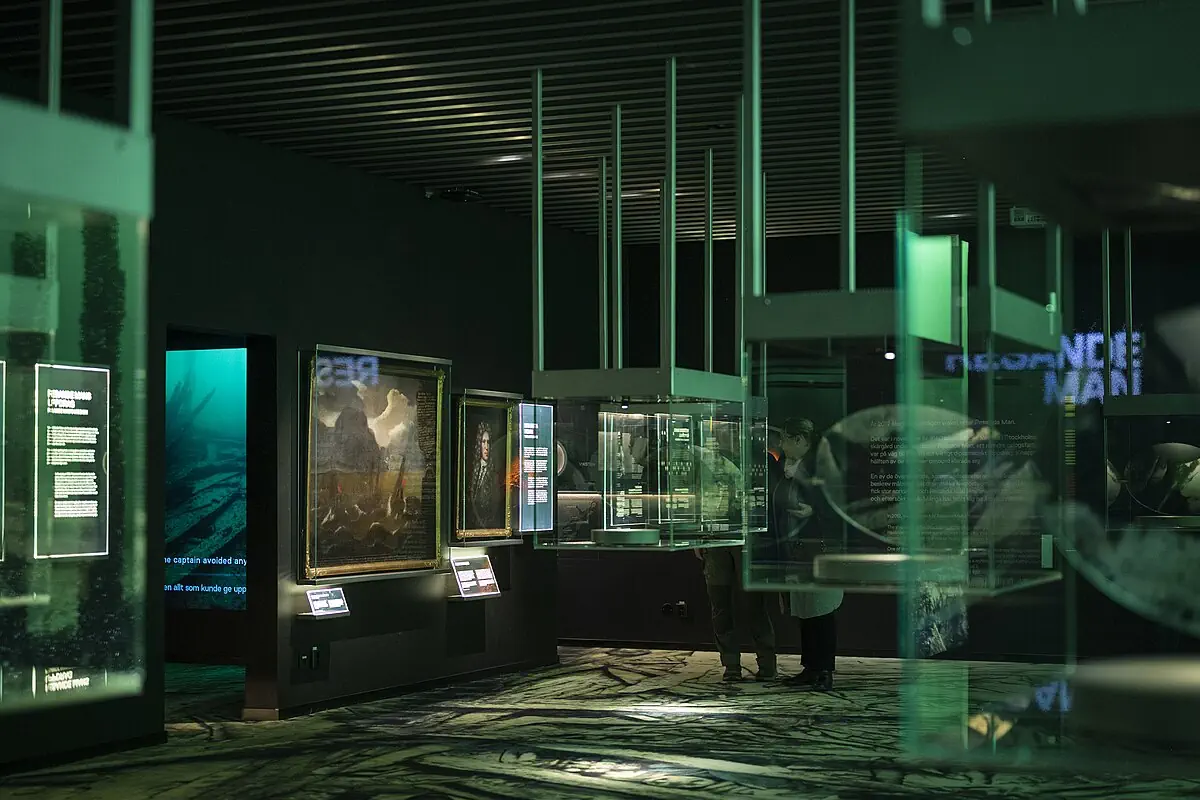
The word “Vrak” means “wreck” in Swedish, perfectly capturing the museum’s focus on shipwrecks and submerged heritage. It reflects both the tangible remains of lost ships and the untold stories preserved beneath the Baltic Sea. The name reflects both the physical remains of lost ships and the stories preserved beneath the Baltic Sea.
The Baltic Sea’s hidden time capsules
The Vrak Museum is dedicated to protecting and sharing the cultural heritage of the Baltic Sea, home to hundreds of remarkably preserved wrecks. Through exhibits on maritime history and underwater archaeology, the museum brings these time capsules to life—illuminating centuries of trade, war, and seafaring culture in Northern Europe.
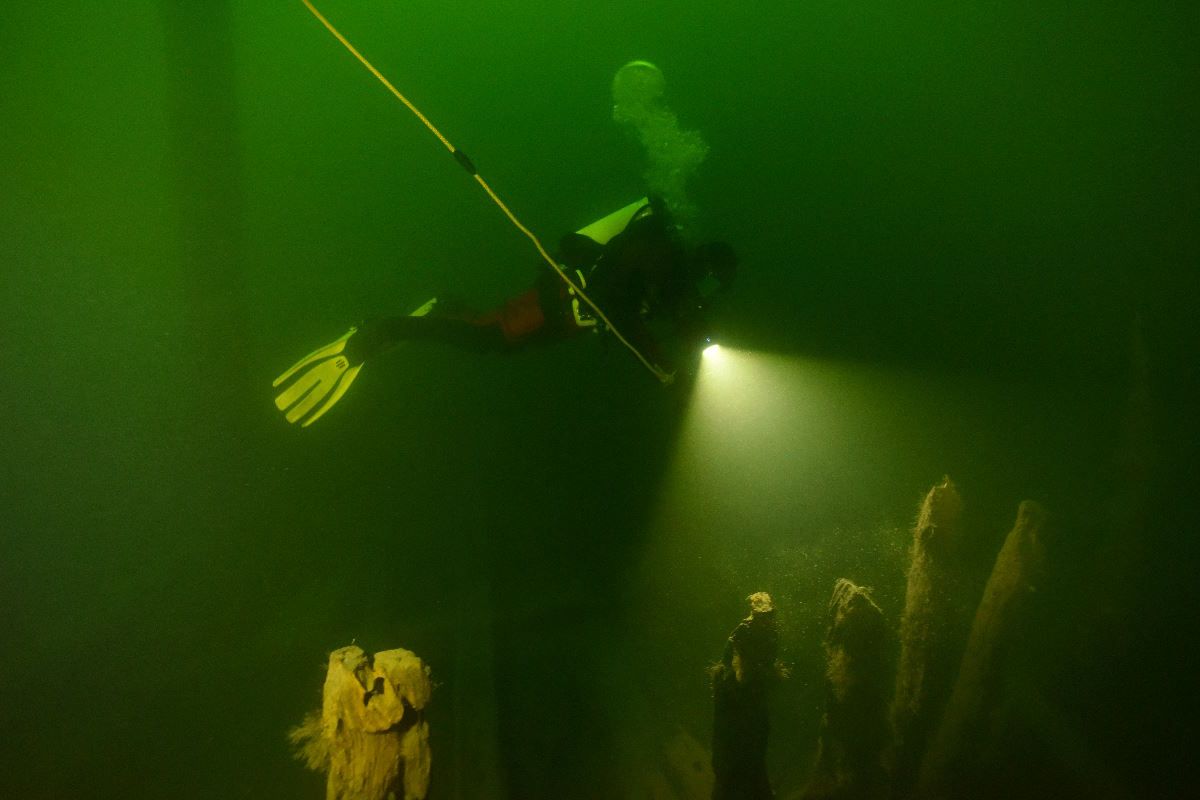
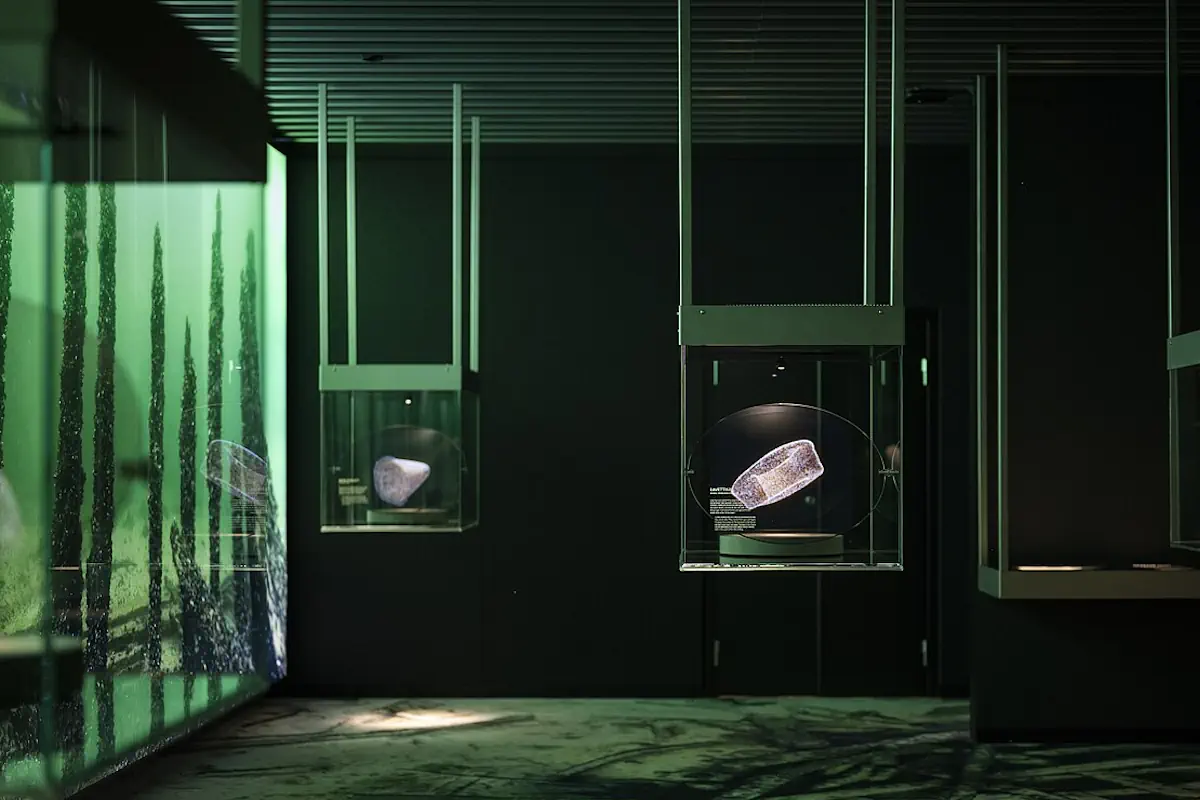
Discover how Anders Franzén and underwater archaeology helped uncover shipwrecks like the Vasa—laying the groundwork for the kind of discoveries explored at Vrak.
Shipwrecks and stories beneath the surface
Exhibitions such as the Coastal Shipwrecks Display showcase the dramatic underwater heritage of the Baltic Sea. Visitors encounter artifacts from notable wrecks, including the Resande Man, which sank in 1660. These displays highlight how naval warfare, trade, and exploration shaped both Sweden’s history and its connection to the wider world.
Unlike traditional museums such as the Vasa Museum, Vrak focuses on wrecks that remain underwater—using digital technology to preserve and present them without recovery.
An immersive underwater experience
The museum offers a modern, interactive approach to history. Guests can experience virtual dives around wrecks, examine 3D-scanned artifacts, and explore digital reconstructions through holograms. By combining archaeological research with immersive technology, Vrak creates a powerful visitor experience that appeals to families, students, and history enthusiasts alike.
Dive into Sweden’s underwater history
Whether you are passionate about maritime history, curious about underwater archaeology, or looking for an engaging cultural outing, the Vrak Museum of Wrecks delivers a memorable experience. Easily reached by tram, bus, ferry, or bicycle, the museum is both a destination in itself and a natural stop within Stockholm’s cultural landscape. More than just a museum, Vrak serves as a gateway to understanding the hidden treasures of the Baltic Sea.
Together with nearby institutions like the Vasa Museum and the Nordic Museum, Vrak forms part of one of Europe’s richest museum clusters on Djurgården.
🧭 Nearby Attractions
- 🛳️ Vasa Museum: View the 17th-century warship preserved after sinking in 1628.
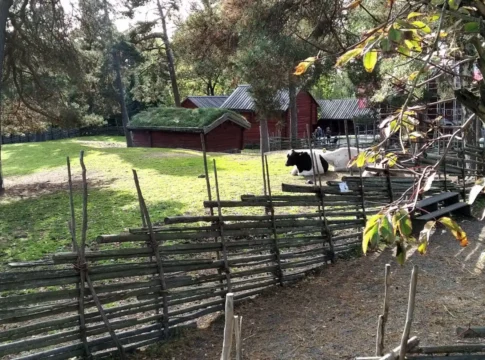
- 🏡 Skansen: Explore Swedish heritage at the world’s first open-air museum and zoo.
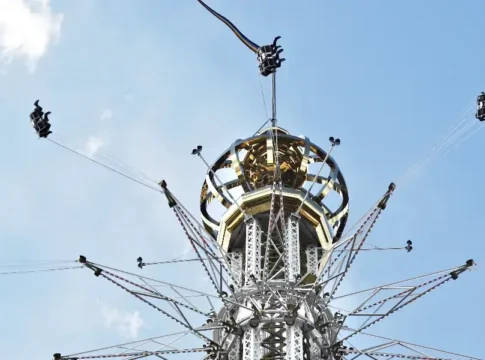
- 🎢 Gröna Lund: Stockholm’s iconic amusement park with rides, concerts, and waterfront views.
- 🏺 Nordic Museum: Discover Swedish traditions, design, and culture through the ages.
- 📚 Junibacken: A playful world of Astrid Lindgren’s beloved children’s stories.
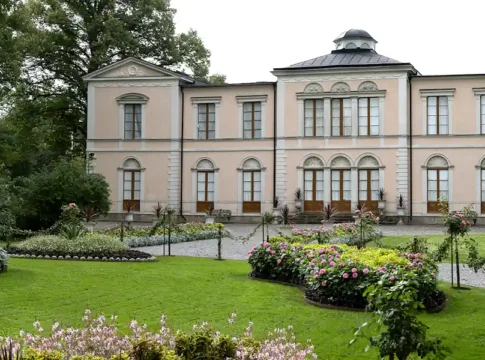
- 🌿 Rosendals Trädgård: Enjoy gardens, seasonal produce, and organic fika at this green oasis.
- 🚴 Royal Djurgården Park: Walk, cycle, or picnic in lush parkland near the water.
- 🎨 Prins Eugens Waldemarsudde: Visit the prince’s residence turned art museum with stunning gardens.
Explore the Stockholm Archipelago and Baltic Sea routes—the vast maritime landscape where many of the shipwrecks featured at Vrak once sailed.
Explore how waterways shaped the city’s history, geography, and public spaces.


 In partnership with Agoda