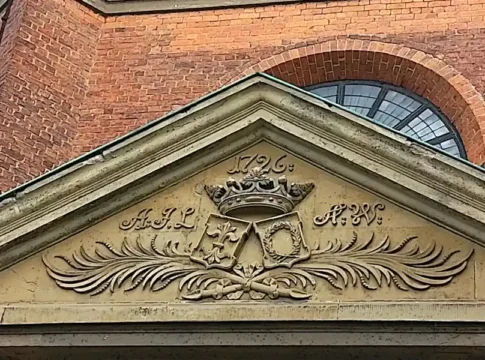
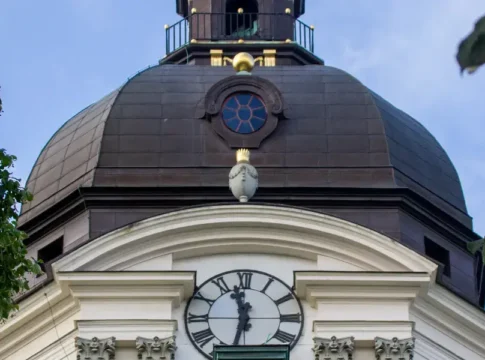
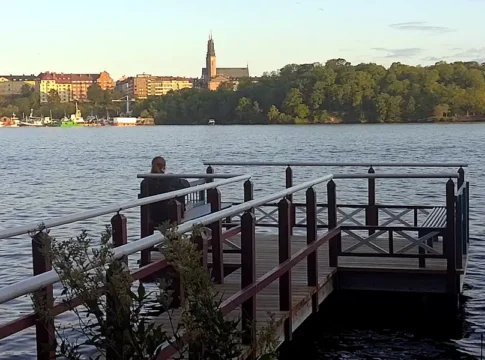
Kungsholm Church, inaugurated in 1688 and also known as Ulrika Eleonora Church, is a Baroque landmark on Kungsholmen. Named after Queen Ulrika Eleonora, it has long served as both a parish church and a historic community center, reflecting the island’s development and religious life.
Kungsholm Church: Parish Life at the Heart of a Growing Stockholm
Kungsholm Church (Ulrika Eleonora Church) stands on the island of Kungsholmen, just steps from Stockholm City Hall, as a reflection of the capital’s expansion beyond its medieval core. Founded in the late 17th century, it was built to serve a growing population of craftsmen, workers, and residents as Stockholm developed into an early modern capital.
Kungsholm Church, inaugurated in 1688 and also known as Ulrika Eleonora Church, is a Baroque landmark on Kungsholmen. Named after Queen Ulrika Eleonora, it has long served as both a parish church and a historic community center, reflecting the island’s development and religious life.
Less monumental than the great churches of Gamla Stan, Kungsholm Church tells a different story — one rooted in parish life, community identity, and the steady shaping of Stockholm’s urban landscape.
- Founded: Construction began in 1673
- Inaugurated: 1688
- Also known as: Ulrika Eleonora Church
- Style: Baroque
- Location: Kungsholmen, near Stockholm City Hall
- Role: Parish church serving a growing urban population

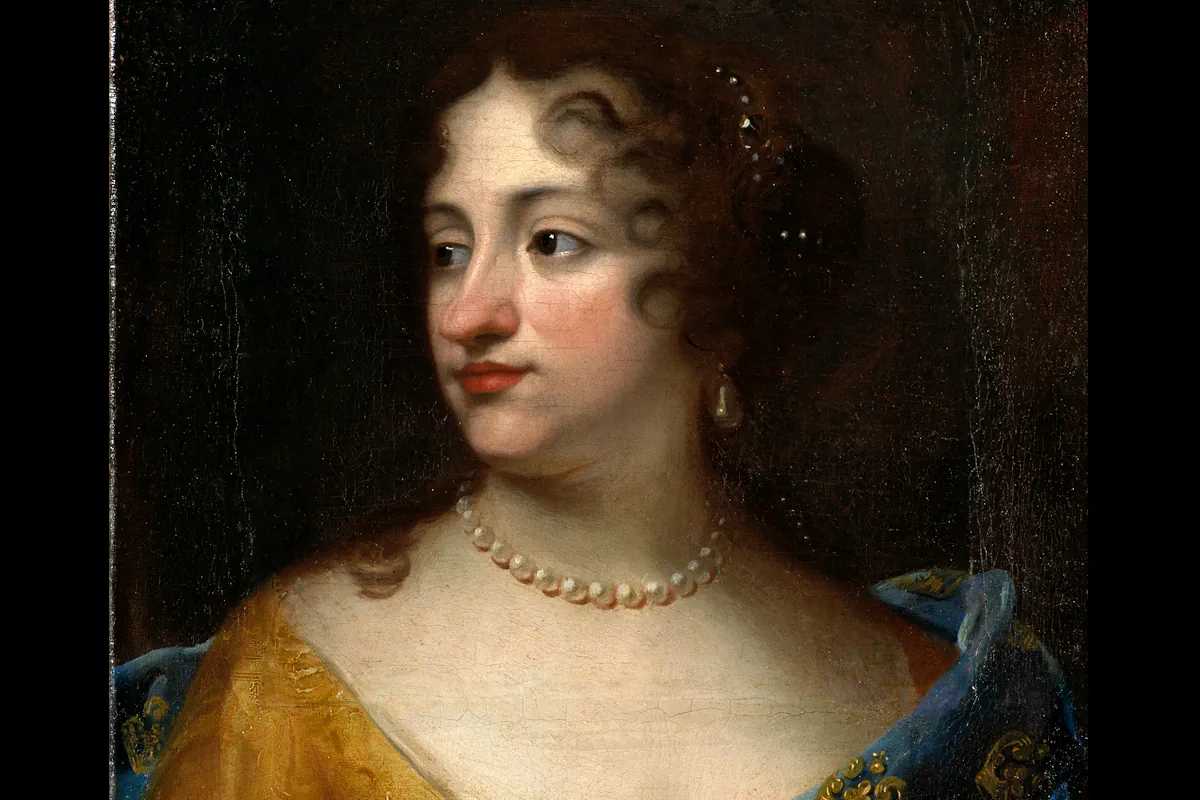


From Royal Initiative to Parish Church
Construction of Kungsholm Church began in 1673 under the reign of King Karl XI, during a period when Stockholm was expanding beyond its historic islands. The project was not without challenges — work halted due to financial strain and resumed more than a decade later before the church was finally inaugurated in 1688.
The inauguration was attended by leading figures of the Swedish realm, including Archbishop Olov Svebilius and members of the royal family such as Queen Ulrika Eleonora and Karl XI. Despite this ceremonial beginning, the church remained unfinished internally for decades, with vaulted ceilings completed only in 1757.
This prolonged construction reflects the realities of a growing capital — where ambition, resources, and urban development did not always align seamlessly.
Architecture and Interior Atmosphere
Kungsholm Church is a refined example of Swedish Baroque architecture, characterized by balanced proportions and a restrained elegance. Unlike the dramatic verticality of churches such as Klara Church, its design emphasizes harmony and clarity rather than monumentality.
Inside, the church is defined by:
- ⛪ Vaulted ceilings: Completed in the 18th century, creating a sense of openness and light
- 🪟 Carolinian windows: Restored in the 20th century, filling the interior with warm natural light
- 🪵 Wooden detailing: Contributing to an atmosphere of quiet craftsmanship and intimacy
The result is a space that feels both dignified and welcoming — less a display of royal authority and more a setting for everyday worship and community life.
Kungsholmen and the Growth of Stockholm
When Kungsholm Church was first constructed, Kungsholmen was still developing from a peripheral island into an integrated part of the capital. Workshops, small industries, and residential areas gradually filled the district, creating a need for local institutions — including a parish church.
In this context, Kungsholm Church became a focal point for the community, anchoring both spiritual and social life. Its presence reflects a broader shift in Stockholm’s history: the transition from a compact medieval town to a more expansive and structured early modern city.
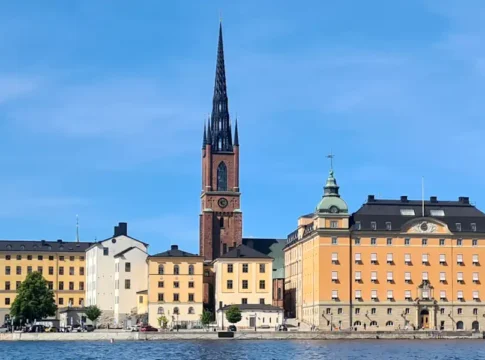
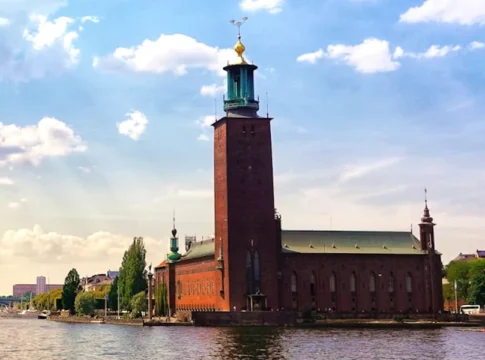
Today, the church stands near Stockholm City Hall, one of Sweden’s most iconic national buildings, highlighting the contrast between local parish history and later monumental architecture.
Visiting Kungsholm Church
Kungsholm Church remains an active parish within the Church of Sweden, welcoming visitors for services, concerts, and quiet reflection. Its location in central Stockholm makes it an easy addition to a walking route through Kungsholmen.
Nearby, visitors can explore landmarks such as Stockholm City Hall, stroll along the waterfront, or continue toward other historic churches including Klara Church and Hedvig Eleonora Church.
Despite its central location, the churchyard offers a calm and contemplative space — a place to pause within the rhythm of the modern city.
⛪ Related Churches in Stockholm
- 👑 Storkyrkan – Stockholm’s cathedral and historic coronation church.
- ⚜️ Riddarholmen Church – Sweden’s royal burial church.
- 🕍 German Church – The Hanseatic merchants’ church in Gamla Stan.
- 🌆 Klara Church – A dramatic Gothic Revival landmark in central Stockholm.
Why Kungsholm Church Matters
Kungsholm Church represents a quieter but essential dimension of Stockholm’s history. It is not defined by coronations or royal ceremony, but by continuity — a place shaped by the everyday lives of the people who built, used, and sustained it.
In its architecture, history, and enduring role as a parish church, it reflects the human scale of a growing capital — offering a perspective on Stockholm that is as important as its grandest monuments.
Explore palaces, ceremonies, dynastic history, and the architecture of Swedish monarchy.