The Royal Treasury, located beneath the Royal Palace, houses Sweden’s Crown Jewels and royal regalia. Its collection reflects centuries of monarchy, ceremony, and state symbolism.
The Royal Treasury: Sweden’s Crown Jewels Beneath the Palace
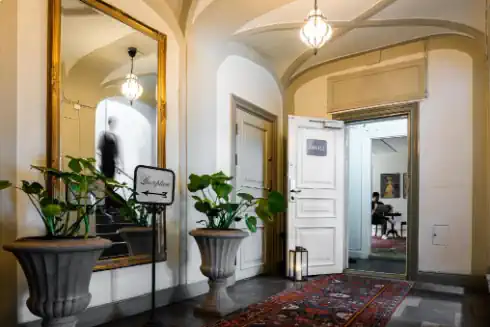
Hidden deep within the vaulted stone cellars of the Royal Palace, the Royal Treasury (Skattkammaren) safeguards Sweden’s Crown Jewels — the physical symbols of royal authority, ceremony, and statehood.
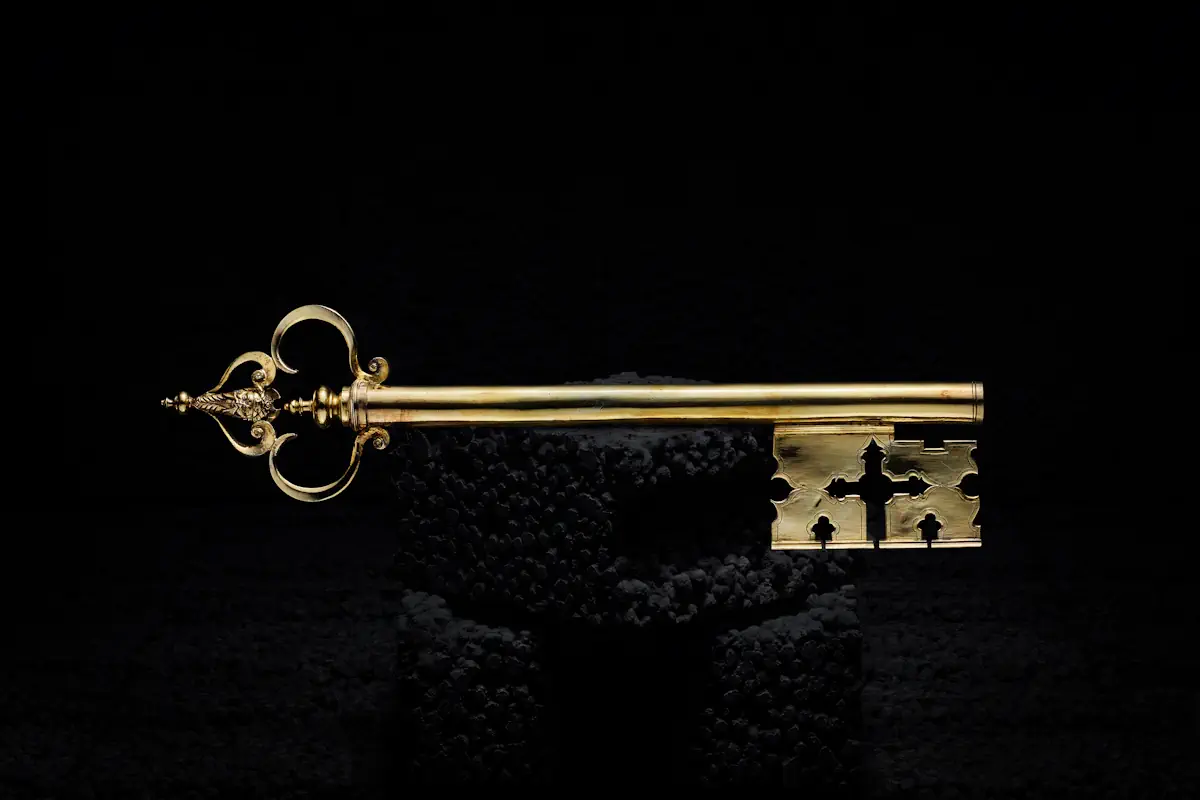
In these dimly lit chambers, crowns, scepters, orbs, and ceremonial swords shimmer against ancient stone, each object carrying centuries of ambition, conflict, and tradition.


- 👑 Type: Royal treasury & regalia museum
- 📍 Location: Beneath the Royal Palace, Gamla Stan
- 💎 Highlights: Crown Jewels, coronation regalia, royal swords
- 📅 Oldest items: 16th-century royal artifacts
- 🏰 Atmosphere: Vaulted stone chambers
👑 The Crown Jewels of Sweden
At the heart of the Treasury lies the breathtaking collection of Swedish Crown Jewels. These include coronation crowns, royal orbs, scepters, and state swords used by monarchs from the 16th century onward. Among the most iconic pieces is the Queen’s Crown, crafted in 1751 for Queen Lovisa Ulrika. Set with 44 brilliant diamonds, it later became the centerpiece of a dramatic political scandal when the queen secretly replaced the gems with rock crystal to finance a failed coup.
📜 History, Power, and Ceremony
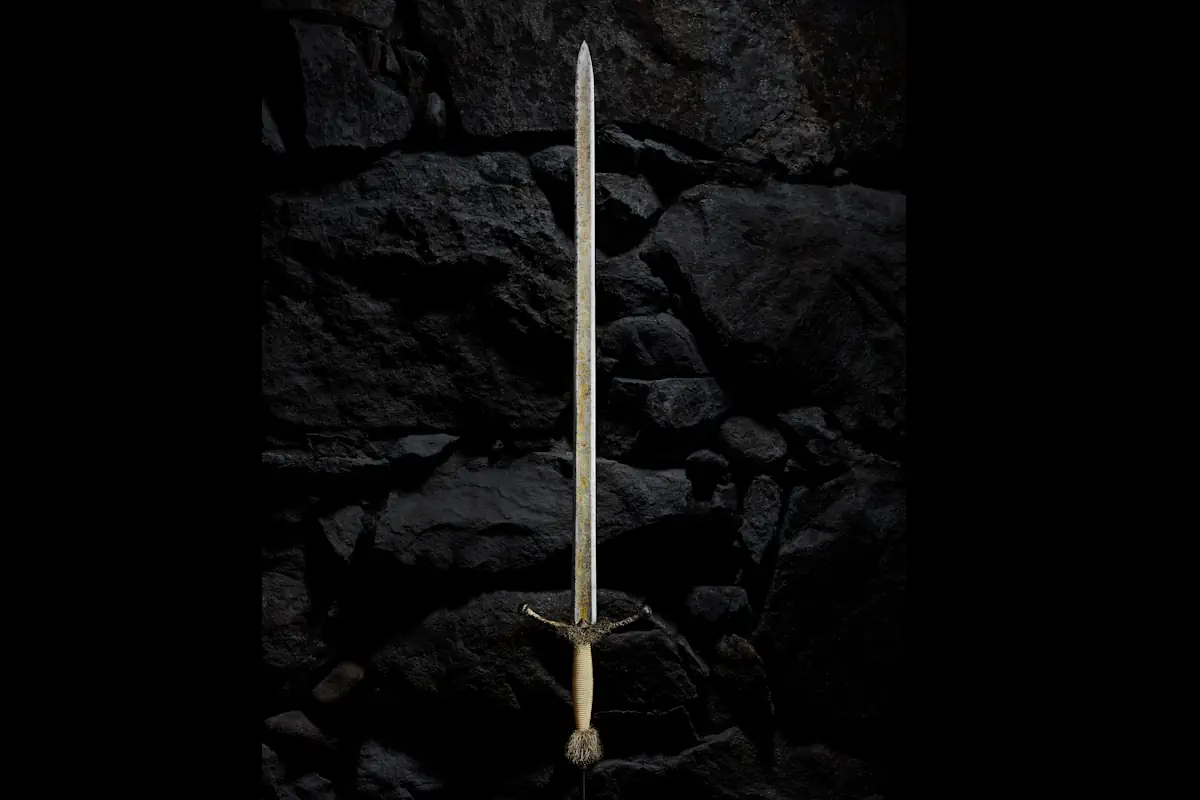
Beyond their splendor, the regalia reveal the shifting power structures of Swedish monarchy. Among the oldest treasures is the state sword of Gustav Vasa, symbolizing the king’s authority to defend the realm and uphold justice. Equally striking is the regalia of King Erik XIV — a ruler whose turbulent reign ended in imprisonment and poison, yet whose crown remains one of the most ornate in Europe.
🎟️ What to Expect
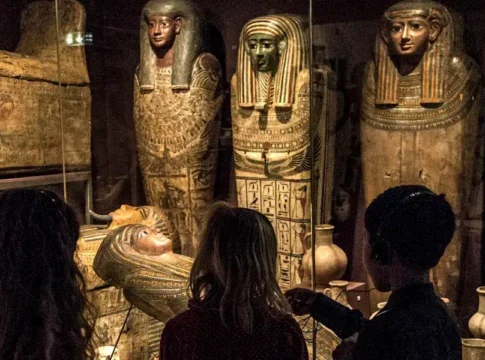
The Treasury’s subterranean setting enhances the sense of solemn grandeur. Visitors move through stone vaults where each display is illuminated like a jewel box, accompanied by multilingual audio guides that reveal the stories behind the regalia. Most guests spend around an hour exploring the collection, though history enthusiasts often linger longer.
🧭 Tips for Visitors
- Arrive early: Mornings are quieter and offer the best atmosphere.
- Use the audio guide: It adds depth to the symbolism and history of each artifact.
- Photography: Policies may vary — check upon arrival.
- Explore the palace: A visit to the Treasury pairs naturally with the Royal Apartments and the Royal Chapel.
- Guided tours: Join a group for expert commentary and deeper context.
🧭 Nearby Attractions
The Royal Treasury sits at the ceremonial heart of Stockholm. Within minutes on foot, you can explore:
- 👑 The Royal Palace — Royal Apartments, Hall of State, and the Royal Chapel.
- 🛡️ Swedish Royal Armoury — Sweden’s oldest museum, preserving royal armor and battle relics.
- 🏅 Nobel Prize Museum — Celebrating ideas and achievements that changed the world.
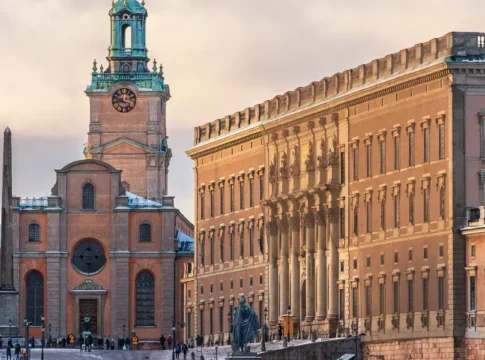
- ⛪ Storkyrkan Cathedral — Stockholm’s oldest church and site of royal weddings and coronations.
- 📏 Mårten Trotzigs Gränd — Stockholm’s narrowest alley, just 90 cm wide.
Explore palaces, ceremonies, dynastic history, and the architecture of Swedish monarchy.