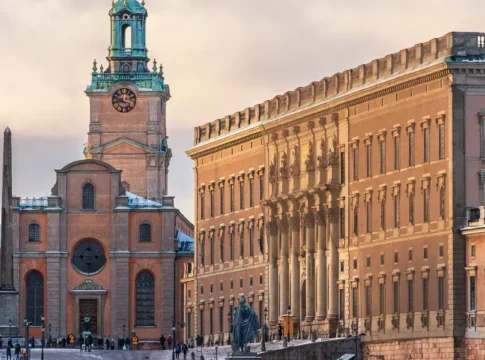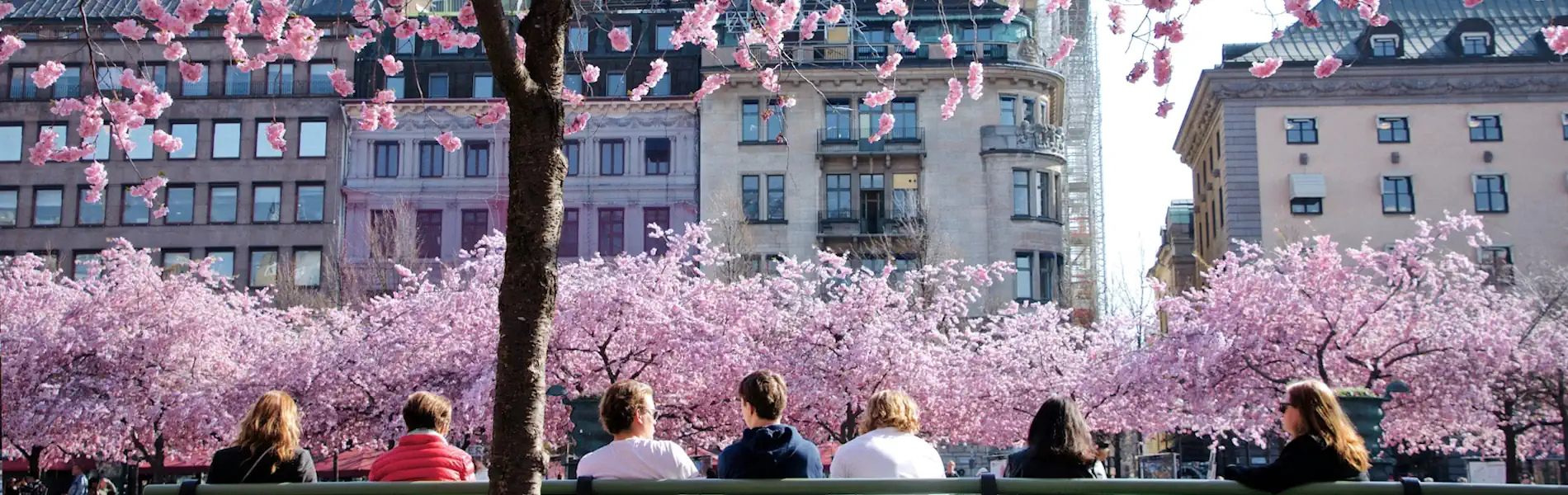
Kungsträdgården is Stockholm’s most iconic city park — famous for its cherry blossoms in spring, open‑air events in summer, and lively atmosphere year‑round. Once a royal garden, it has become a cultural crossroads where history, nature, and city life meet.
Kungsträdgården: A park for all seasons
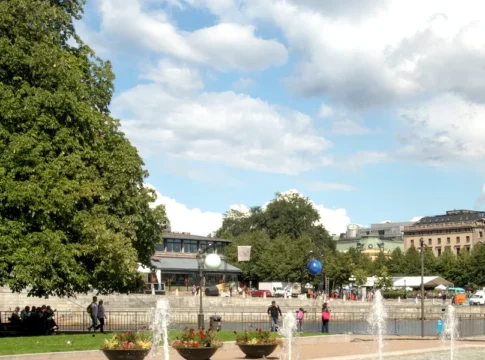
Kungsträdgården (“The King’s Garden”) is Stockholm’s most iconic urban park — a vibrant meeting place in the heart of the city. Once a royal Baroque garden, it has evolved into Stockholm’s open‑air living room, known for cherry blossoms in spring, cultural events in summer, and ice skating in winter.
Cherry Blossom Season
Surrounded by landmarks such as The Royal Palace and Hallwyl House Museum, the park blends royal history with modern city life. Today, it stands as one of Stockholm’s most dynamic public spaces — where culture, nature, and everyday life meet.
- Origins: 15th‑century royal kitchen garden
- Opened to public: 1770s
- Known for: Cherry blossoms, concerts, ice skating
- Location: Central Stockholm (between Norrmalm & Gamla Stan)
- Events: ~150 annually
- Best time to visit: Spring (blossoms) & Winter (ice rink)
As part of Stockholm’s wider network of royal parks, Kungsträdgården connects to nearby green spaces like Humlegården and Strömparterren. For a more expansive royal landscape, Haga Park offers a striking contrast to Kungsträdgården’s lively urban atmosphere.
Just a short walk away, Berzelii Park provides a quieter retreat near the waterfront — perfect for continuing your visit at a slower pace.
📜 The history of Kungsträdgården
Kungsträdgården is Stockholm’s oldest park, with origins in the 15th century as a royal vegetable garden (kålgård). Under King Erik XIV, it was transformed into a Baroque pleasure garden and later opened to the public in the 1770s.
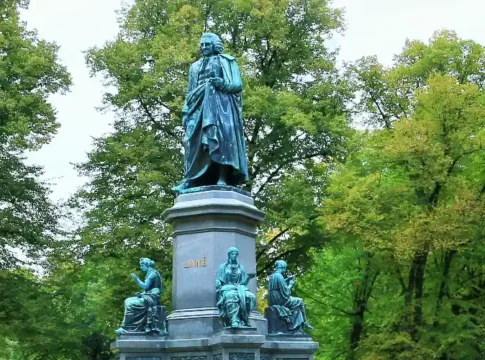
After the 1825 fire of Makalös Palace, the park expanded and gradually took on its current form, with tree‑lined avenues, open promenades, and landmarks such as the statue of Charles XII and Molin’s Fountain.
Over time, Kungsträdgården has become both a historical landmark and a stage for public life — hosting celebrations, cultural events, and pivotal moments in Stockholm’s modern history.


🌸 Cherry blossoms in spring
Each spring, Kungsträdgården transforms into one of Stockholm’s most photographed places as around 60 cherry trees burst into bloom. The blossoms typically peak between late March and mid‑April, depending on the weather.
The annual cherry blossom celebration brings Japanese cultural performances, food, and festivities to the park — creating a unique blend of international culture and Swedish city life.
🎭 Events and activities year-round
Kungsträdgården is active throughout the year, offering a constantly changing program of events. In summer, the park hosts open‑air concerts, festivals, and cultural performances. During winter, the central fountain becomes a popular ice‑skating rink — complete with evening lighting and music.
Seasonal highlights include Christmas markets, art installations, and public celebrations, making the park a cultural hub in every season.
🌳 The Battle of the Elms (1971)
A defining moment in Swedish environmental activism
In May 1971, Kungsträdgården became the center of a major public protest known as Almstriden (“The Battle of the Elms”). The conflict arose when plans were made to remove elm trees to build a subway entrance.
Thousands of people gathered in protest, marking a turning point in Sweden’s environmental movement. The demonstrations succeeded — the trees were saved, and the plans were altered.
Today, the surviving elms remain as living symbols of civic engagement and the power of public participation in shaping the city.
👉 Read more: The Battle of the Elms — Almstriden 1971
- When do the cherry blossoms bloom? Usually late March to mid‑April, depending on weather.
- Is the park free to visit? Yes, it is open year‑round with free entry.
- Can you ice skate here? Yes, during winter the park hosts a popular ice rink.
- Where is it located? In central Stockholm, between Norrmalm and Gamla Stan.
After visiting Kungsträdgården, art lovers can explore Nationalmuseum, Sweden’s foremost institution for art and design, located just a short walk away.
📍 Nearby attractions
- 👑 The Royal Palace – One of Europe’s largest royal residences.
- 🏛️ Hallwyl House Museum – A preserved 19th‑century aristocratic home.
- 🎨 Nationalmuseum – Sweden’s leading museum of art and design.
- 🌊 Strandvägen – A scenic waterfront boulevard.
- ✨ Stureplan – A lively square for shopping and nightlife.
- 🍴 Östermalm Market Hall – A historic food hall with Swedish delicacies.
- 🏝️ Skeppsholmen – Island museums and waterfront views.
- 🛍️ Drottninggatan – Stockholm’s main shopping street.
Kungsträdgården is part of a wider network of green spaces across Stockholm. Explore royal and historic parks or discover Waterfront Walks to experience how the city’s parks connect history, design, and everyday life.
For a quieter atmosphere, visit Humlegården, another historic royal garden turned urban retreat, located in nearby Östermalm.