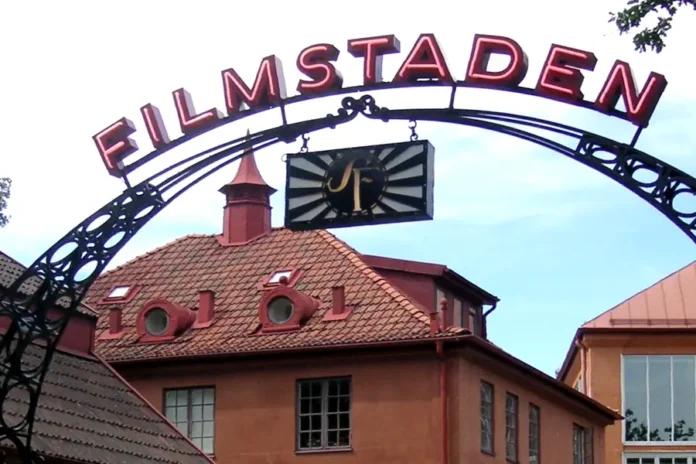
 Photo: Holger.Ellgaard (CC BY-SA 3.0)
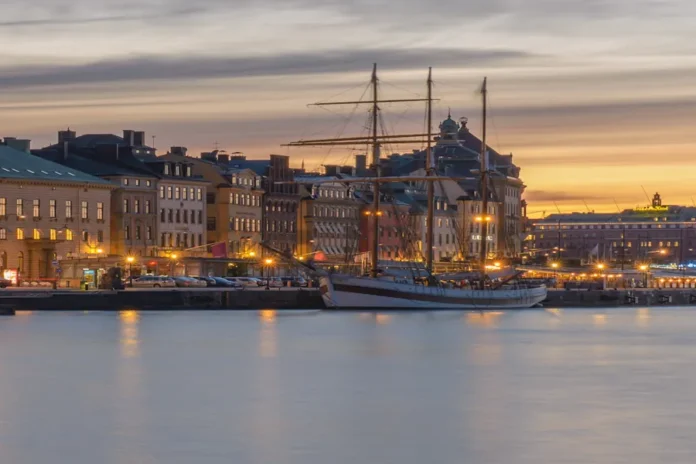
Stockholm’s architecture reveals a city shaped by monarchy, civic ambition, industrial growth, and modern experimentation — from medieval churches to contemporary landmarks defining its urban identity.
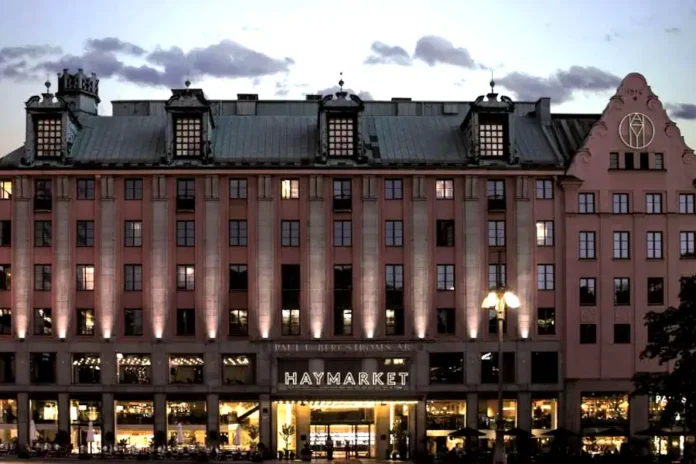
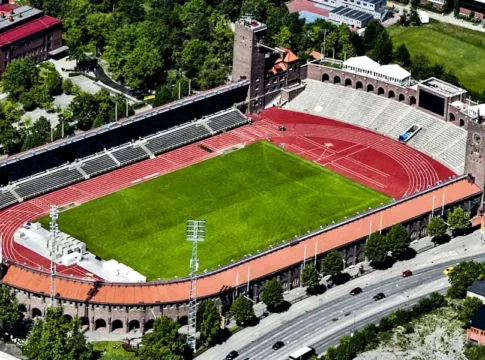
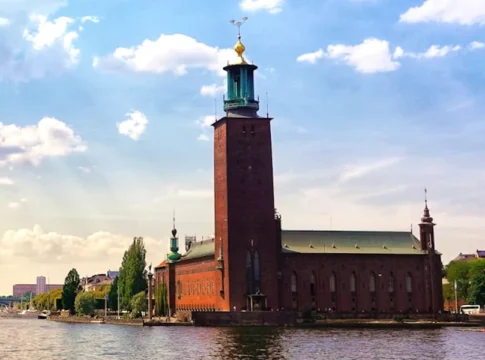
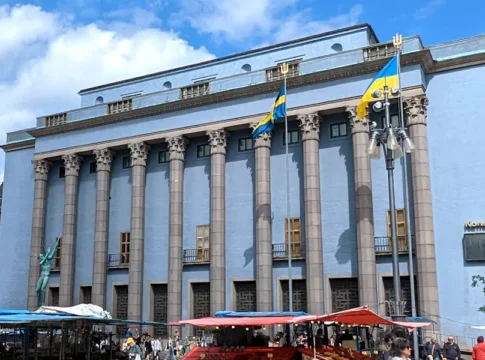
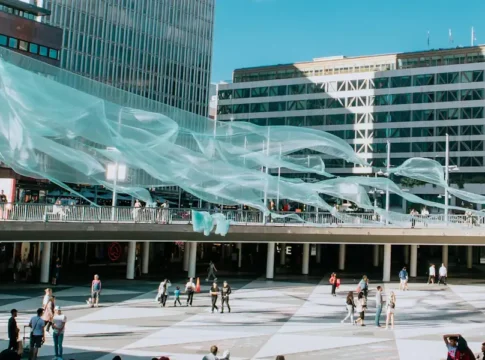
National Romantic landmarks such as Stockholm City Hall and Stockholm Stadion project early 20th-century confidence, while Nordic Classicism refined urban form in icons like the Stockholm Public Library and Stockholm Concert Hall. Functionalist planning reshaped the city in the modern era through spaces such as Sergels Torg and the commercial expansion of Norrmalm.
Architecture is also interpreted and debated at the Swedish Museum of Architecture, where exhibitions explore design, urbanism, and the future of Swedish building culture.
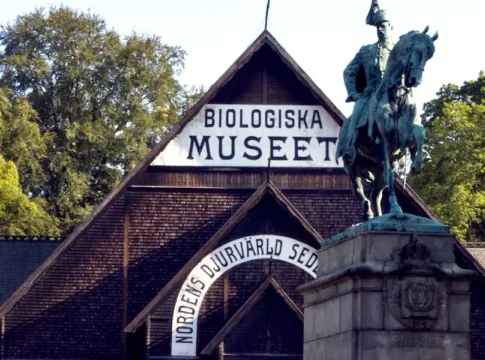
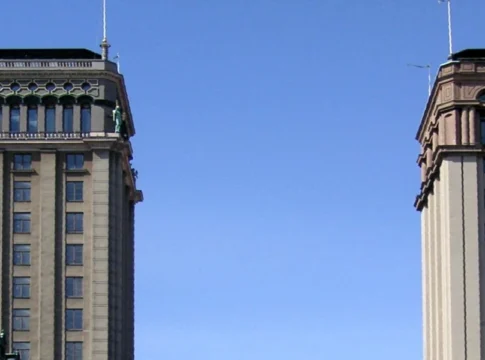
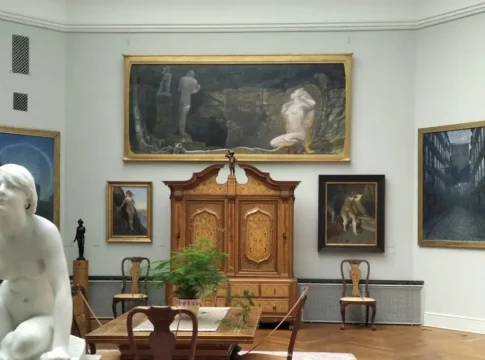
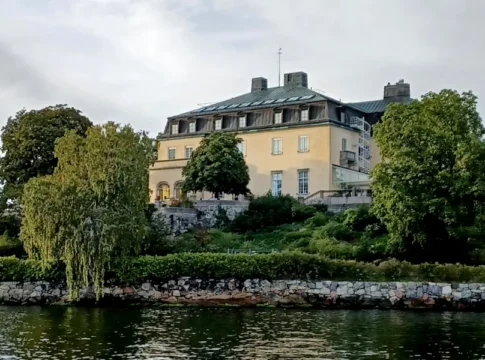
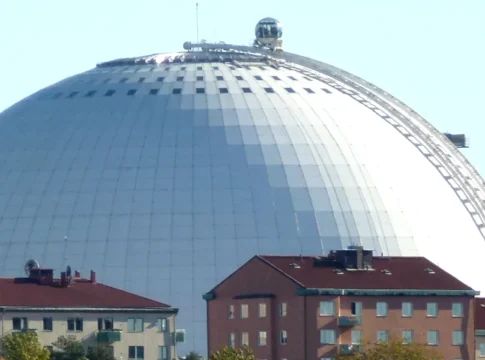
Elsewhere, architectural heritage unfolds in aristocratic residences like Hallwyl House, cultural villas such as Thiel Gallery and Prince Eugen’s Waldemarsudde, and distinctive skyline statements like Kungstornen and Avicii Arena.
Together, these buildings and institutions form a layered narrative — a capital continuously reinventing itself in stone, brick, glass, and steel.
Architectural Stockholm is a curated domain exploring buildings as expressions of power, civic ambition, national identity, and cultural transformation.
Fortified waterfronts, churches, and early civic buildings defined Stockholm’s medieval identity as a Baltic trading stronghold.
Red brick, towers, and Nordic medieval references shaped monumental civic buildings such as City Hall and Stadion.
Harmony, geometry, and restrained classic forms defined landmarks like the Stockholm Public Library and Concert Hall.
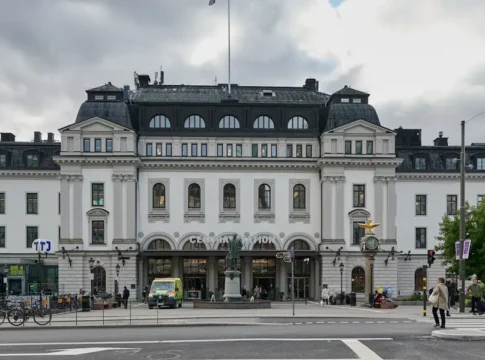
Glass, concrete, and bold civic planning reshaped the capital in districts like Sergels Torg and Norrmalm.
Large-scale arenas, adaptive reuse, and skyline experimentation continue to redefine Stockholm’s architectural identity.
In Stockholm, architecture is more than structure — it is ideology in stone. From medieval trade to Olympic ambition, from welfare-state planning to contemporary arena spectacle, buildings reveal the ambitions and anxieties of each era.
The city’s skyline tells a layered story of monarchy, democracy, industry, culture, and innovation — making Stockholm one of Northern Europe’s most legible architectural capitals.
Many of Stockholm’s architectural landmarks are accessible year-round. Some operate as museums, others remain active civic or cultural institutions.
Walking tours through Norrmalm, Gamla Stan, Djurgården, and Södermalm reveal how architectural movements shaped the city’s evolving urban fabric.