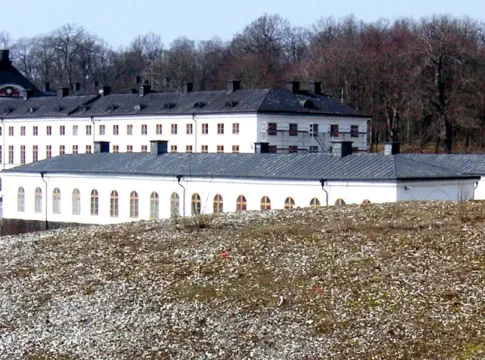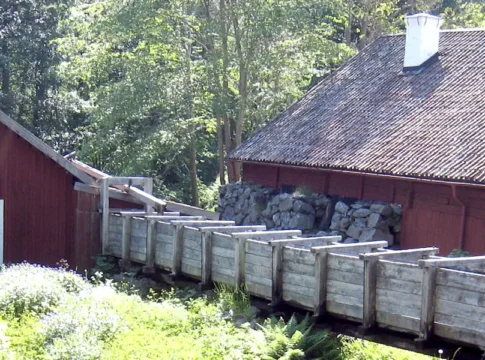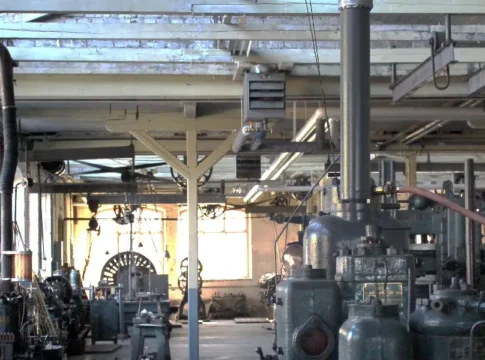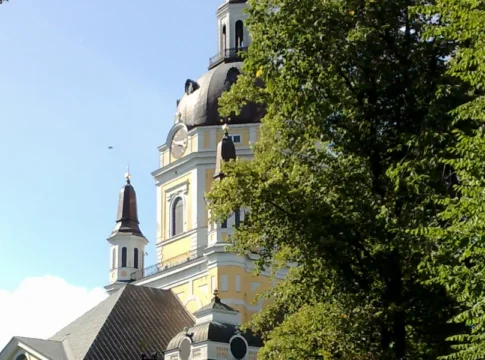
Founded in 1833, the Almgren Silk Factory & Museum preserves Sweden’s textile heritage in Södermalm. Visitors can see weaving on 19th-century looms, explore silk’s global history, and discover how this pioneering factory shaped fashion, innovation, and women’s work.
Almgren Silk Factory & Museum: Timeless elegance
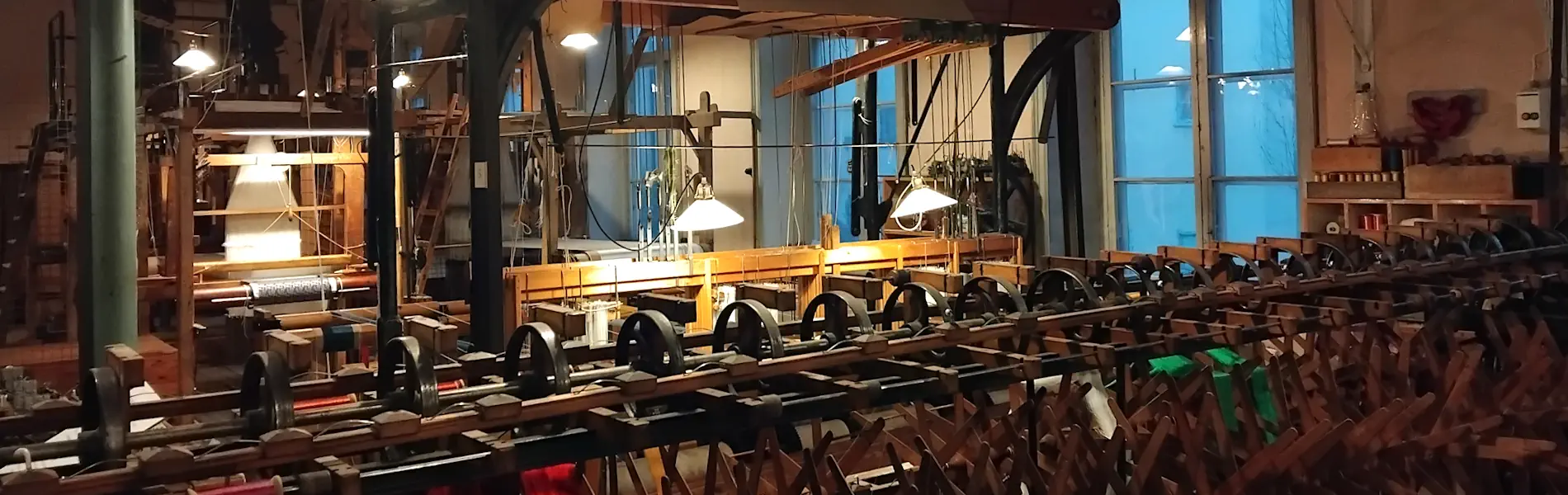
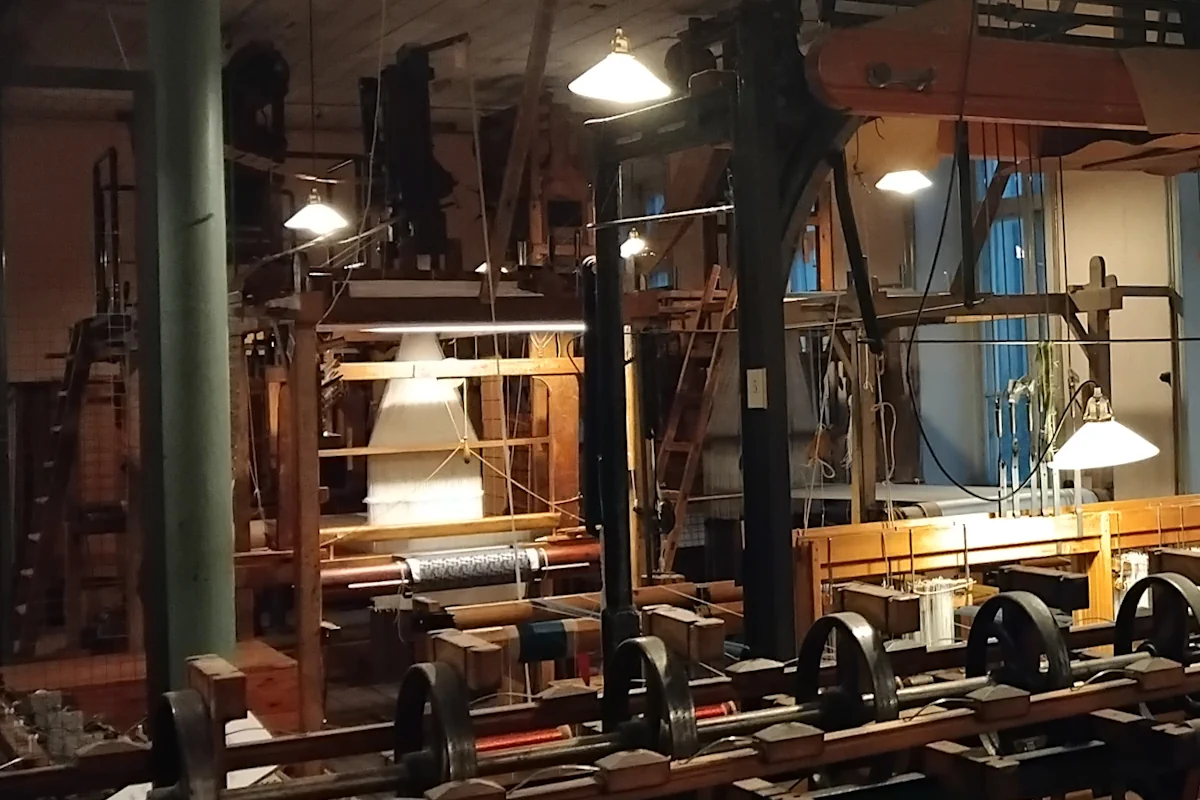
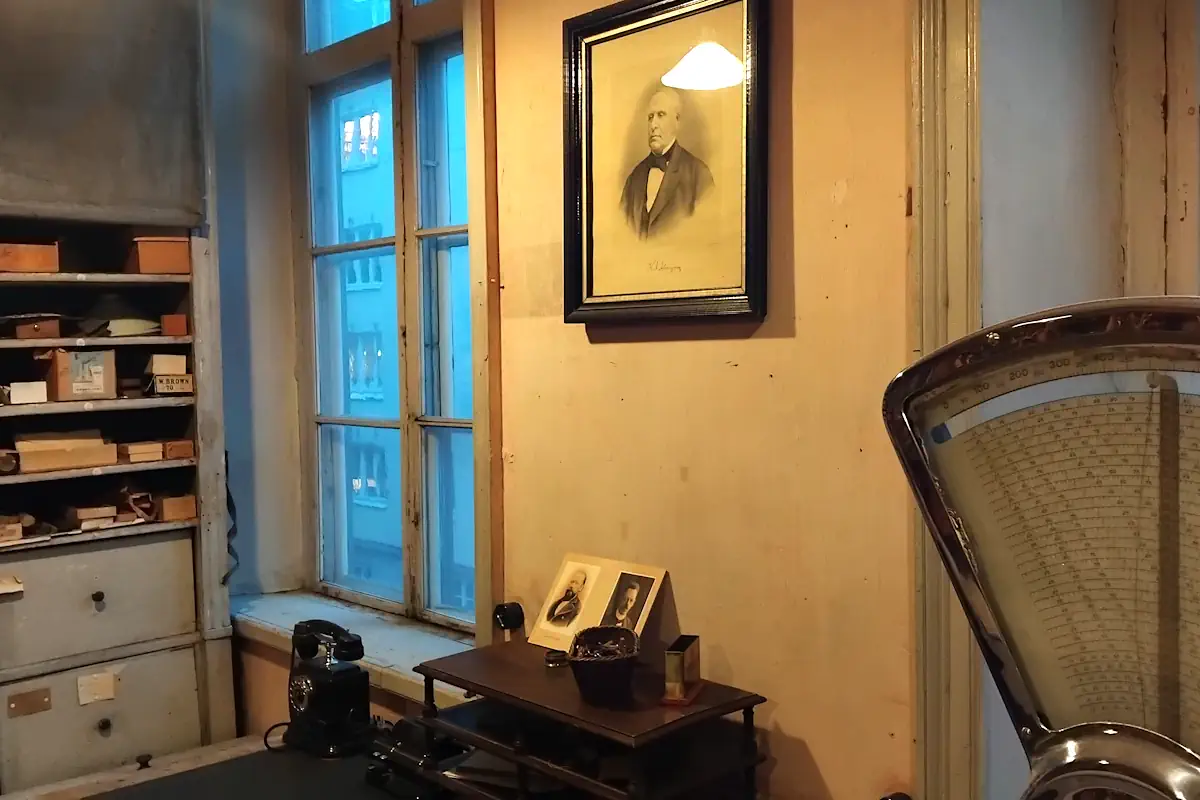
In the heart of Södermalm, Almgren Silk Factory & Museum offers a rare glimpse into Sweden’s silk-weaving heritage, where 19th-century looms still operate in their original setting. Founded in 1833 by Knut August Almgren, this historic site celebrates the intricate art of silk weaving—from regal commissions to industrial innovation. It’s a living museum where looms still clatter, and silk continues to tell its story.
The rhythmic clatter of wooden looms and the shimmer of silk threads create an atmosphere that feels almost unchanged since the 1800s. Despite its central location, it remains one of Stockholm’s most underrated museums.
- 🧵 Type: Working museum & historic silk weaving mill – living time capsule
- 📍 Location: Södermalm, near Slussen, Stockholm
- 📅 Founded: 1833 by Knut August Almgren
- ⭐ Highlights: Operating Jacquard looms, live weaving, silk exhibitions
- ⏳ Visit time: 45–90 minutes
- 👀 Best for: Textile lovers, design enthusiasts, hidden-gem seekers

History of the Almgren Silk Factory
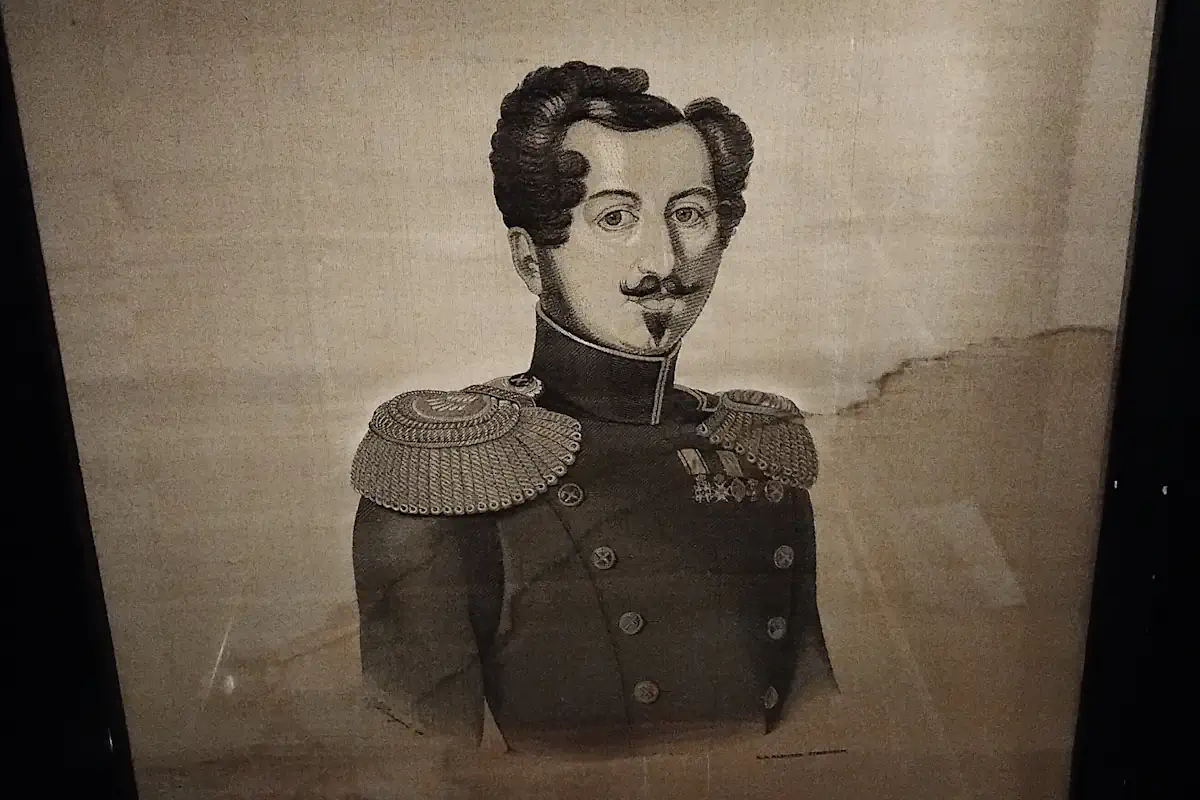
Launched in 1833, the Almgren factory quickly gained renown for its exquisite silk fabrics and technological advancements. Over the decades, it became a cornerstone of Sweden’s textile industry and a trailblazer in women’s employment.
The Almgren Silk Factory thrived during Stockholm’s industrial era, much like the industrial waterfront of Liljeholmen, which played a key role in the city’s manufacturing and transport history.
Though the original factory closed in 1974, efforts led by Oscar Almgren revived its heritage. The establishment of the K.A. Almgren Silk Weaving & Museum Foundation in 2002 ensured the preservation of this legacy for future generations.

A legacy of craft and innovation
Almgren’s silk graced Sweden’s grandest halls and royal events. The factory produced coronation gowns for Queen Sofia and fabrics for:
- The Royal Palace
- Drottningholm Palace
- Rosendal Palace
- Waldemarsudde
- The Royal Opera House
- Stockholm City Hall
The Jacquard Technique: Silk, Code, and Innovation
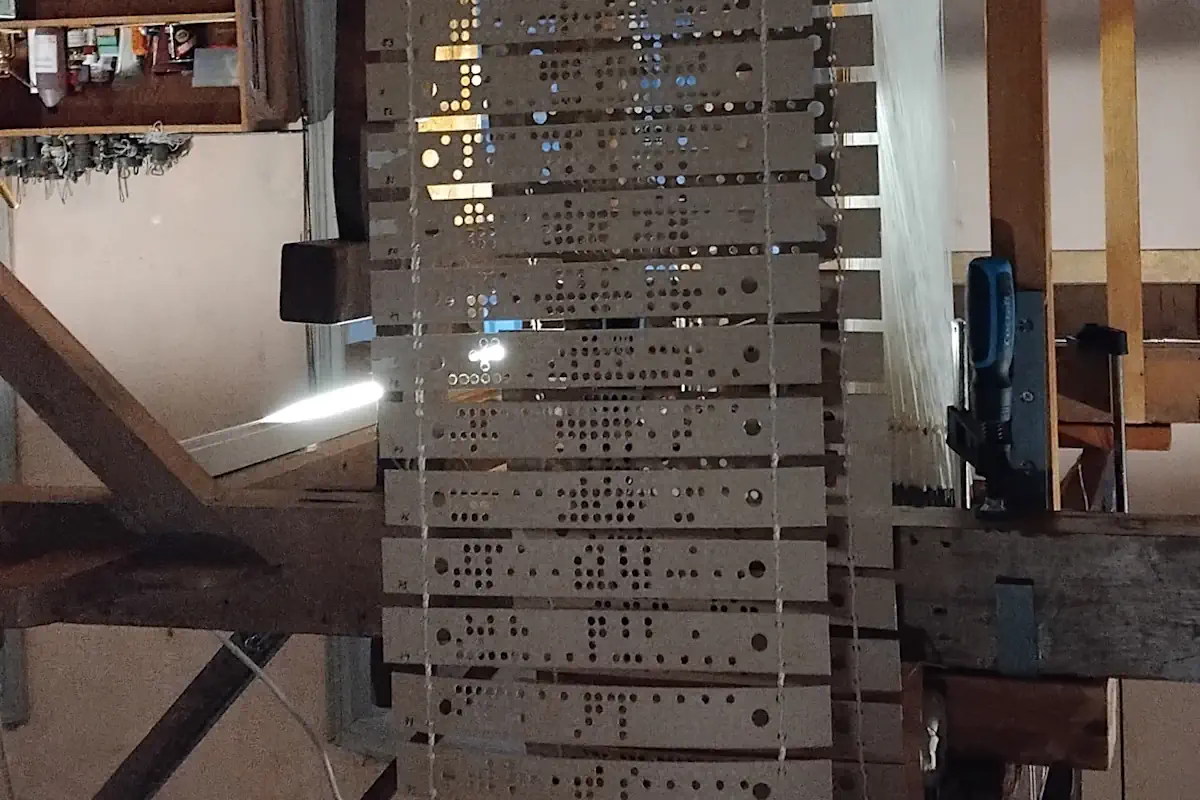
One of Almgren’s most remarkable innovations was the introduction of the Jacquard weaving technique—a revolutionary method that used punched cards to control patterns in the fabric.
Developed in France in the early 19th century, the technique allowed complex designs to be woven automatically. At a time when France guarded this technology as a trade secret, Knut August Almgren famously brought the knowledge back to Sweden—reportedly smuggling key insights to establish it in Stockholm. This innovation didn’t just transform textile production—it placed Stockholm on the map as a center for advanced weaving technology in the 19th century.
The Jacquard system works by encoding patterns into a series of punched cards, where each hole determines which threads are lifted. This made it possible to produce highly detailed textiles, including floral motifs, intricate patterns, and even woven portraits.
Today, visitors to Almgren Silk Factory & Museum can still see these looms in action—often considered one of the earliest forms of programmable machinery, using punch cards decades before they appeared in computers.
📍 Södermalm & Slussen: A Creative and Industrial Crossroads
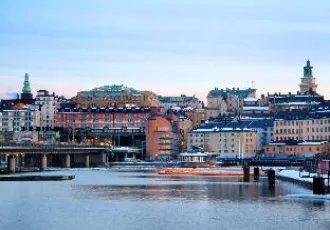
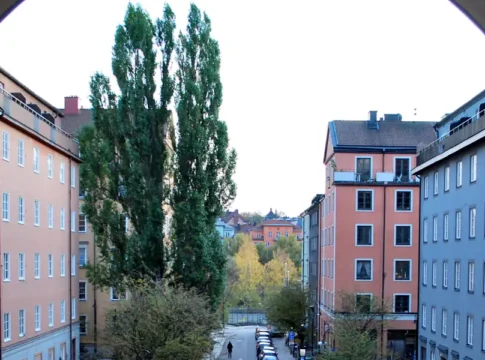
The museum sits in Södermalm, one of Stockholm’s most dynamic districts—where industrial history meets modern creativity. In the 19th century, this area was home to workshops, factories, and working-class communities that powered the city’s growth.
Just a short walk away lies Slussen, a historic transport hub connecting Södermalm with Gamla Stan and the rest of Stockholm. For Almgren’s factory, this location was ideal—close to trade routes, labor, and the expanding city.
Today, the neighborhood blends heritage and culture, with nearby museums, viewpoints, cafés, and galleries making it easy to turn a visit into a full Södermalm experience.
Explore the museum
Step into the restored factory to discover:
- Historic Looms & Demonstrations: Watch live weaving on 19th-century Jacquard looms.
- Curated Exhibits: Learn about the global history of silk, its trade, and its production evolution.
- Guided Tours: Engage with experts as they share the story of the factory and its cultural impact.
- Hands-On Workshops: Try your hand at traditional silk techniques.
- Silk Gift Shop: Find exquisite handwoven pieces—ideal souvenirs with a story.
Almgren Silk Factory forms part of a broader industrial landscape across Stockholm, alongside sites such as Wira Bruk, Tumba Paper Mill Museum, and Pythagoras Industrial Museum, each representing different stages of Sweden’s industrial development.
Conclusion
The Almgren Silk Factory & Museum is not just about fabric—it’s about the intersection of craftsmanship, technology, and social history. From handwoven silk to early programmable looms, it tells a story that stretches from 19th-century industry to the foundations of modern innovation. Whether you’re a textile lover, history enthusiast, or casual visitor, this textile museum in Stockholm offers a rare and deeply authentic journey into Sweden’s living heritage.
🏭 More Manufacturing Museums in Stockholm
From silk weaving Stockholm to porcelain design and industrial engineering, these museums reveal how Swedish craftsmanship evolved into modern industry.
- Gustavsberg Porcelain Museum
Swedish ceramics evolving from industry to iconic design - Pythagoras Industrial Museum
Working engines and a preserved mechanical workshop - Tumba Paper Mill Museum
Banknote paper production and industrial precision - Wira Bruk
Historic ironworks and Sweden’s early industrial roots - Snus and Match Museum
Consumer goods, branding, and everyday manufacturing
🏛️ Want the bigger picture?
See how textile production fits into Sweden’s industrial story in our guide to Stockholm’s industrial heritage.
📍 Nearby Attractions
- Maria Magdalena Church
One of Stockholm’s oldest churches with peaceful historic surroundings - Stockholm City Museum
Discover the story of Stockholm in a 17th-century setting - Fotografiska
Contemporary photography museum with a top-floor café and views