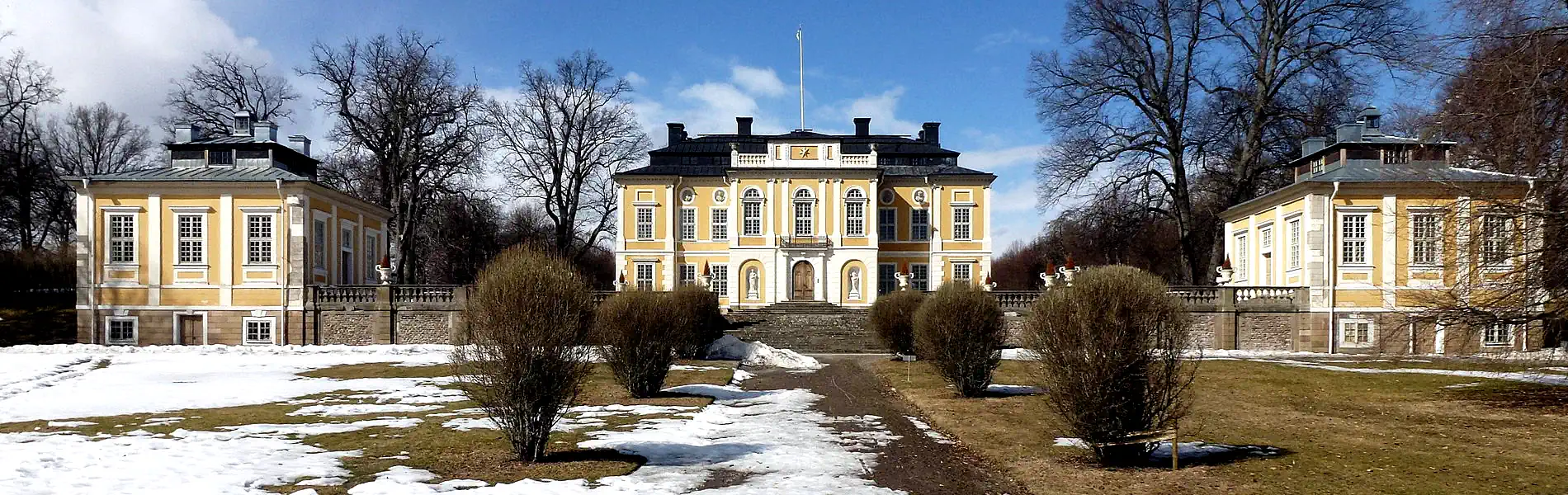
Discover Steninge Palace, a Baroque estate near Stockholm with historic gardens, castle village shops, and scenic views over Lake Mälaren.
Steninge Palace — Baroque elegance near Stockholm
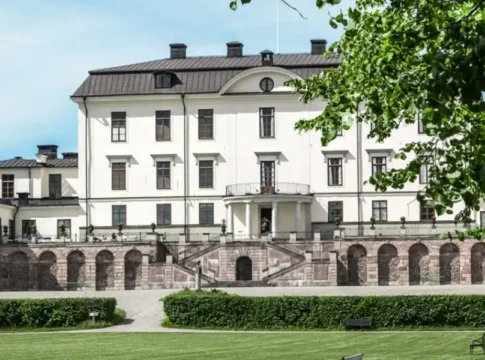
Located near the shores of Lake Mälaren in Sigtuna Municipality, about 35 kilometers north of Stockholm, Steninge Palace (Steninge Slott) is one of Sweden’s most refined Baroque estates. Built in the late 17th century, the palace reflects the grandeur and ambition of Sweden’s Great Power Era, when aristocratic families commissioned monumental residences similar to Skokloster Castle.
Today, Steninge Palace combines historic architecture with a lively cultural atmosphere. Visitors can explore the palace grounds, walk through formal gardens, browse artisan shops in the courtyard village, and enjoy cafés set within one of Sweden’s most elegant historic estates.
A palace of the Swedish Great Power Era
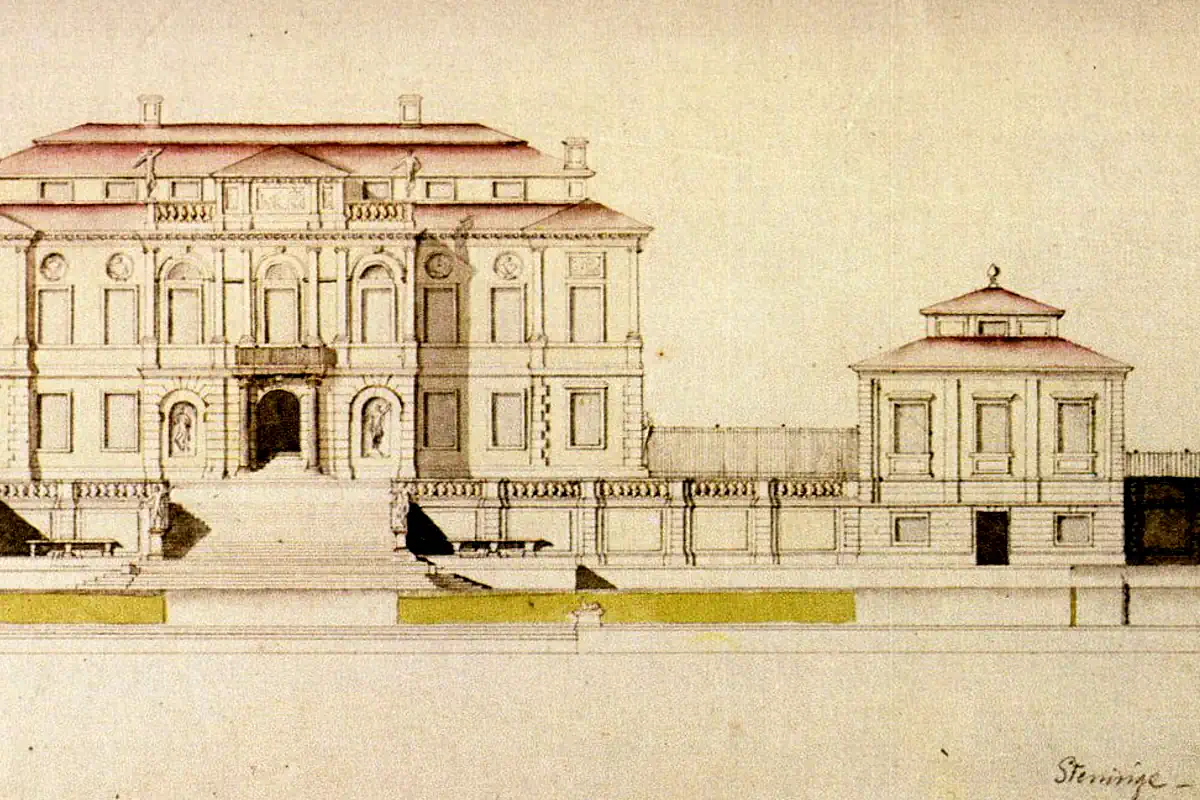
Steninge Palace was commissioned in the 1690s by Count Carl Gyllenstierna, a prominent statesman and member of Sweden’s powerful aristocracy. The palace was designed by architect Nicodemus Tessin the Younger, the same architect responsible for major royal landmarks such as Stockholm Palace and Drottningholm Palace.
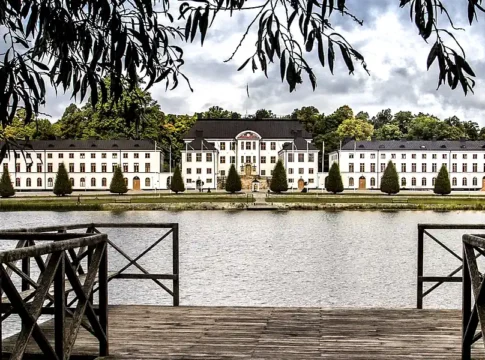
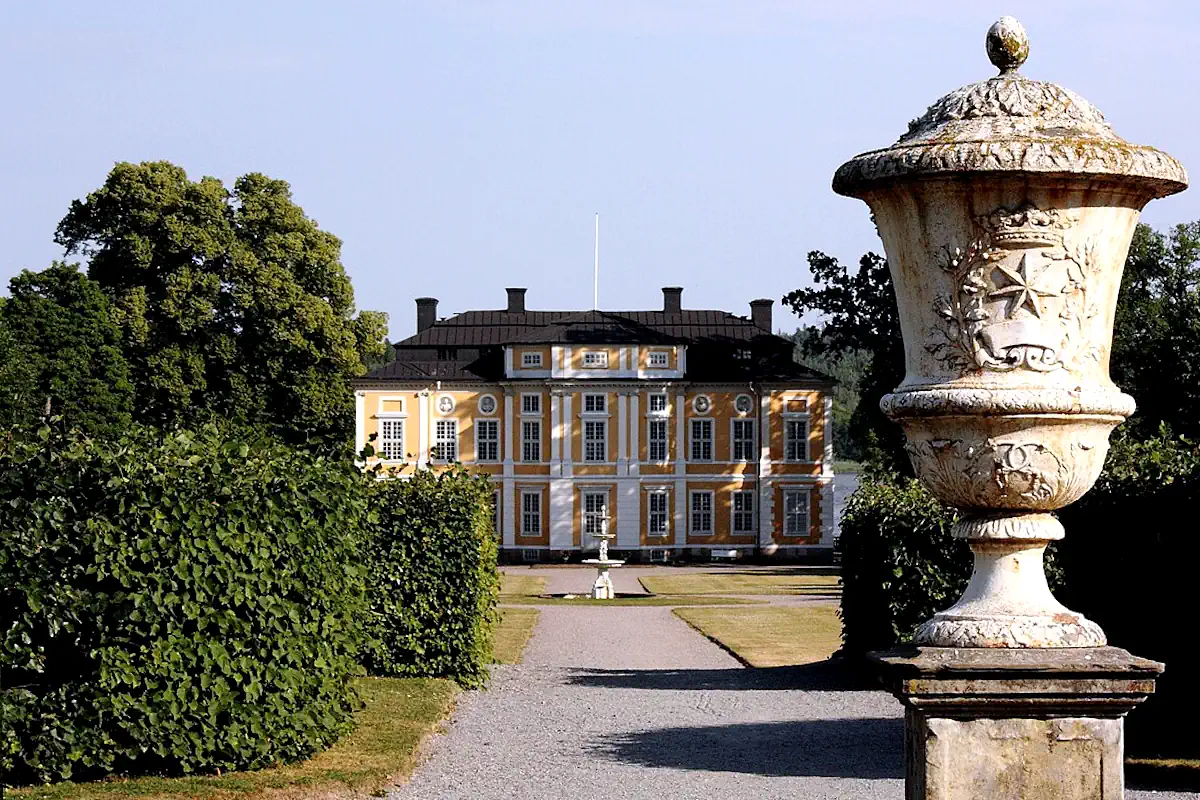
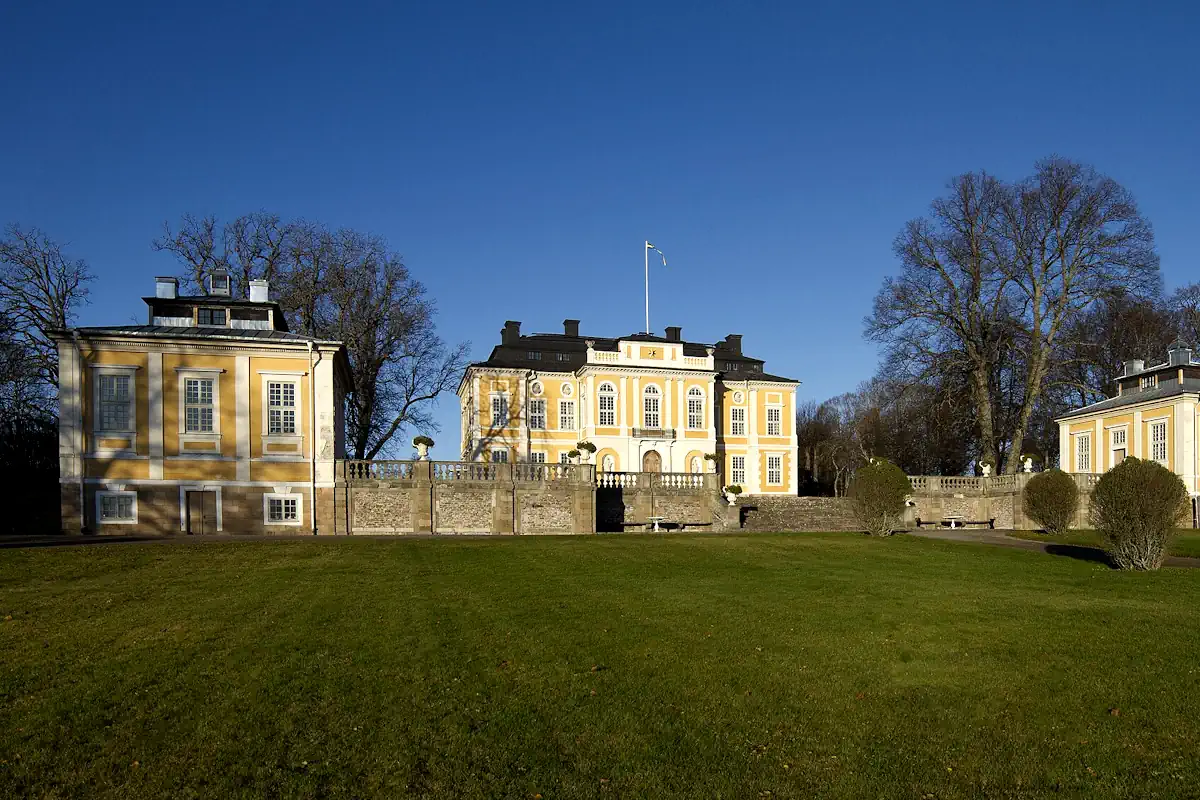
Tessin created a residence that reflected the ideals of European Baroque architecture. The palace features a symmetrical façade, elegant proportions, and an axial layout linking the building to formal gardens descending toward Lake Mälaren.
Although the estate never achieved the political prominence originally envisioned by its founder, Steninge remains one of the most architecturally significant aristocratic estates in the region.
Gardens and the landscape of Lake Mälaren
The palace grounds were designed as an extension of the architecture itself. Formal terraces descend from the main building toward the surrounding landscape, creating long perspectives toward the water and countryside.
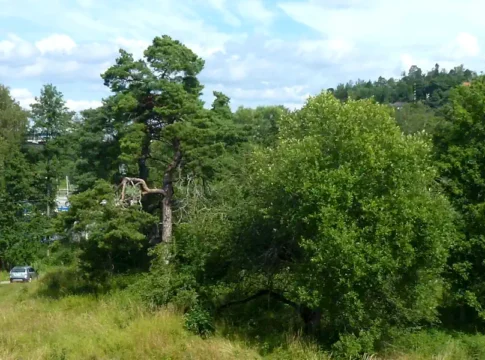
Like other estates around Lake Mälaren, Steninge was carefully positioned within the natural environment. The lake provided transport routes, scenic beauty, and fertile land for agriculture.
Nearby historic sites such as Skokloster Castle and Gripsholm Castle reflect the same period when powerful Swedish families built grand estates along the lake.
From aristocratic residence to cultural destination
Over the centuries, Steninge Palace passed through several noble families and experienced periods of decline before being restored in modern times.
Today the palace complex includes the Steninge Castle Village, where historic buildings around the courtyard have been transformed into artisan workshops, small shops, and cafés. Visitors can browse handmade crafts, glassware, and Swedish design while enjoying views of the palace architecture.
This transformation has turned Steninge into a lively destination where history and contemporary culture coexist.
Exploring the estate
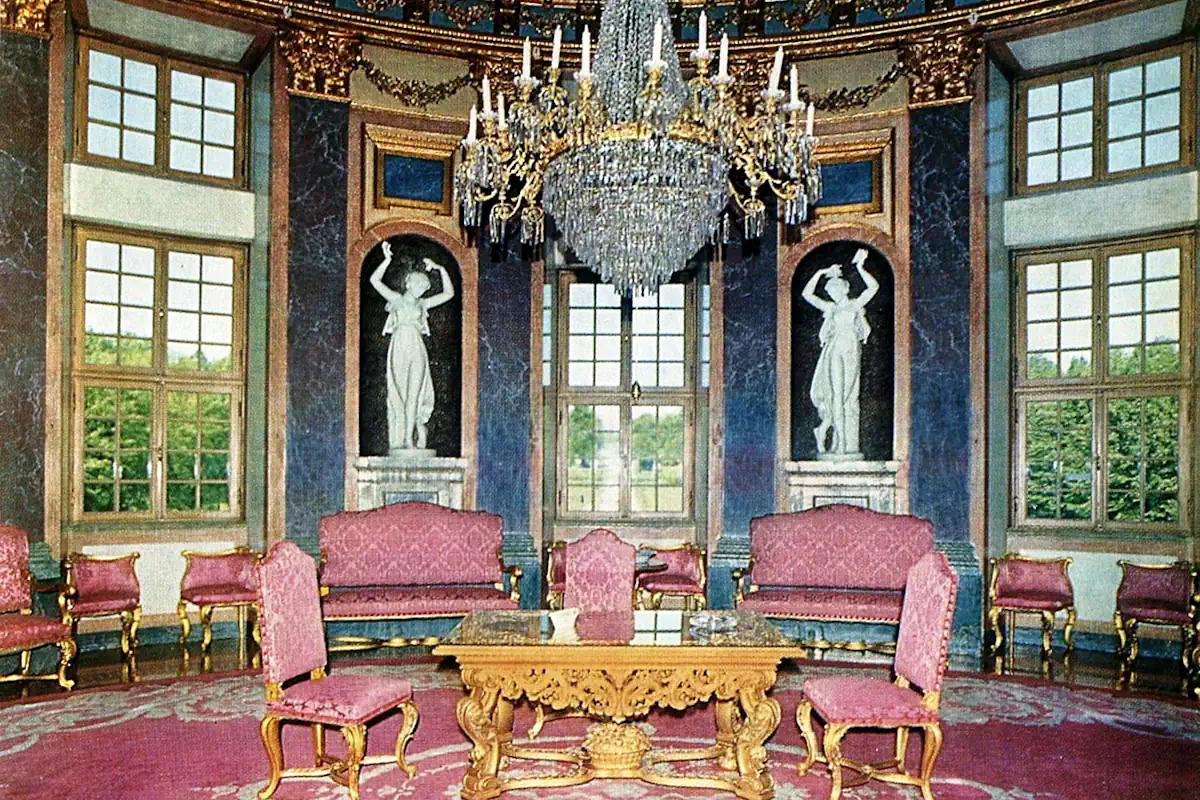
Visitors to Steninge Palace can enjoy a relaxed exploration of the grounds. The estate offers:
- Baroque palace architecture and historic courtyards
- Gardens and open parkland overlooking Lake Mälaren
- Artisan shops and galleries in the Castle Village
- Cafés and seasonal events
- Scenic walking routes around the estate
The atmosphere is quieter than some royal palaces, making Steninge an ideal place for a peaceful cultural excursion.
Steninge among Stockholm’s historic estates
Steninge Palace forms part of a wider network of historic estates surrounding Stockholm. Visitors exploring the region may also enjoy:
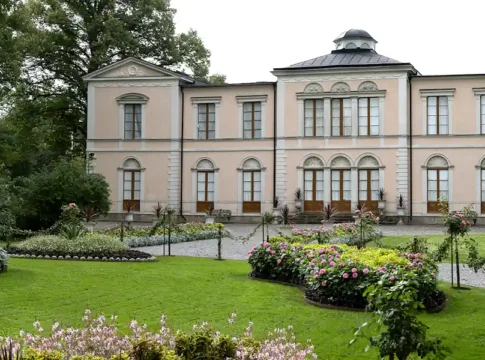
- Rosersberg Palace, a remarkably preserved late-Gustavian royal residence
- Skokloster Castle, one of Europe’s best-preserved Baroque castles
- Drottningholm Palace, the official residence of the Swedish royal family
- Ulriksdal Palace, a royal retreat in the northern part of Stockholm’s Royal National City Park
Not far from Steninge lies the site of Almare-Stäket, a medieval fortress whose destruction in 1517 helped trigger the political crisis that culminated in the Stockholm Bloodbath.
Together these estates illustrate the architectural and political ambitions that shaped Sweden during the 17th and 18th centuries.
Visitor Information
Address: Steninge Slott, Steninge Slottsväg 101
Getting there:
• About 40 minutes by car from Stockholm
• Accessible via commuter train to Märsta followed by local bus or taxi
What to expect:
• Baroque palace architecture
• Historic courtyard village with artisan shops
• Cafés and seasonal markets
• Scenic parkland overlooking Lake Mälaren
Admission:
Grounds and Castle Village are generally open to visitors; events and exhibitions may vary seasonally.
Explore the full overview of palaces and castles in Stockholm to plan your visit.