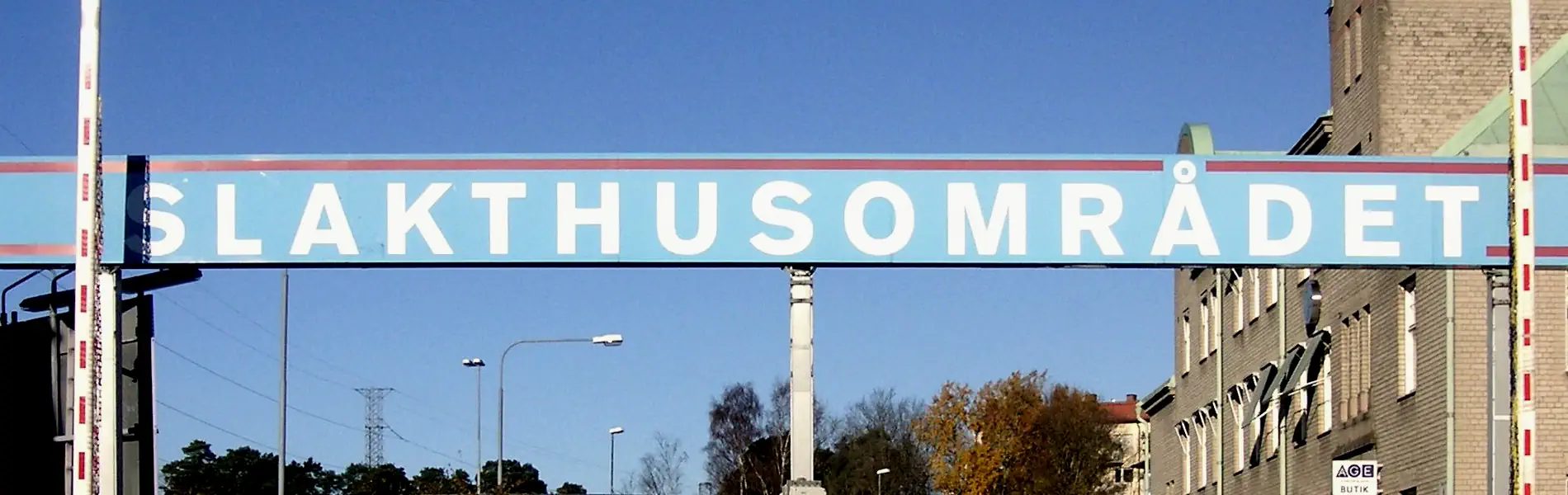
Slakthusområdet in southern Stockholm offers one of the city’s most striking examples of industrial heritage. Once a central hub for meat production and food logistics, the area is now being transformed into a vibrant district of culture, food, and urban life—while its historic brick buildings and industrial layout remain remarkably intact.
🏭 Stockholm’s Meatpacking District
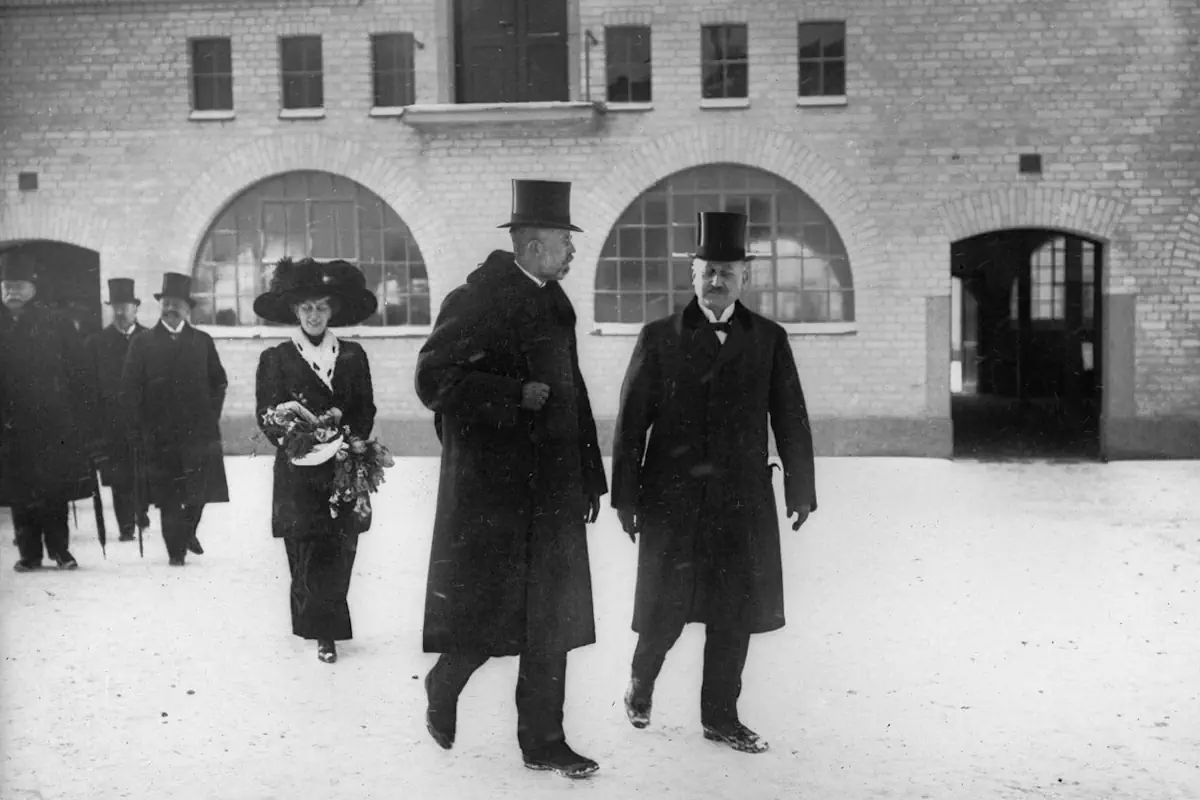
In the early 20th century, Stockholm needed a centralized system for food production, hygiene, and distribution. The result was Slakthusområdet—literally “the slaughterhouse area”—established in 1912 as a modern industrial complex for meat processing.
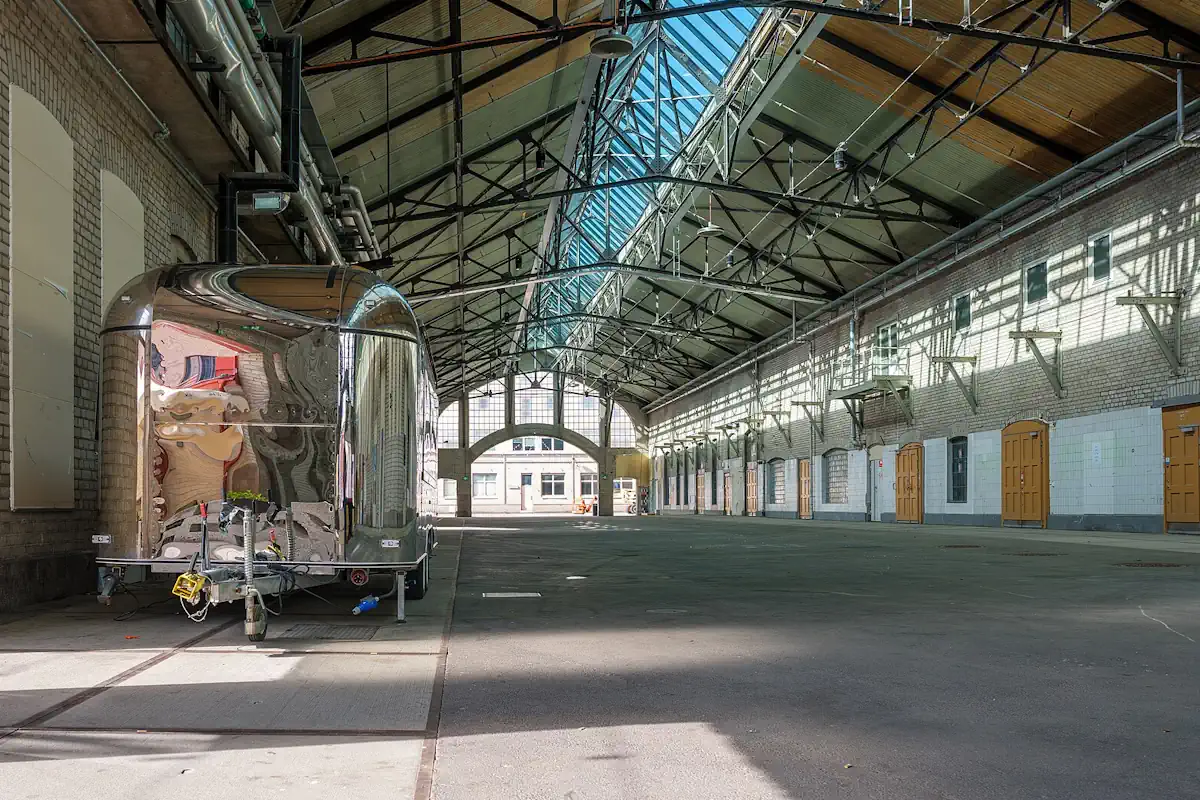
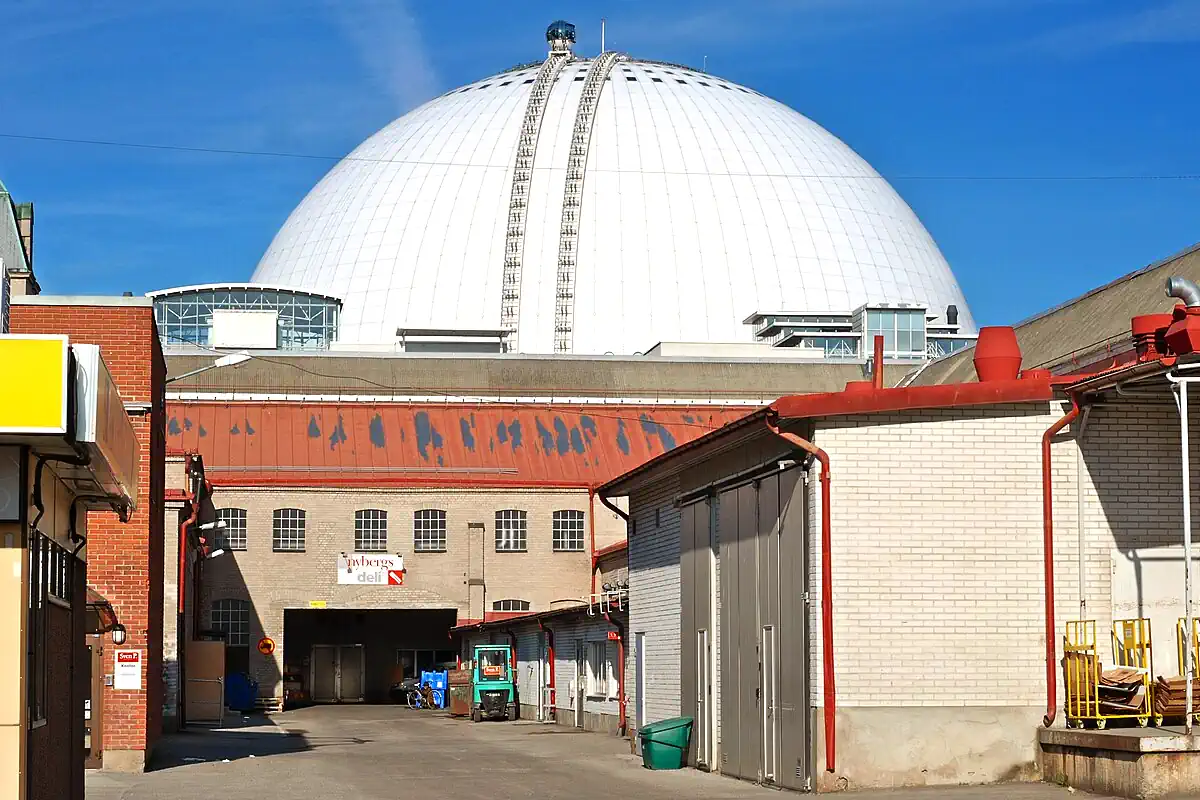
Inspired by similar developments in cities like Copenhagen and Chicago, the district was designed as a self-contained industrial system, with specialized buildings for slaughter, processing, storage, and transport.
For decades, this was where much of Stockholm’s meat supply passed through—an essential but often unseen part of everyday life.
🧱 A Complete Industrial Environment
Unlike many former industrial sites, Slakthusområdet remains unusually intact.
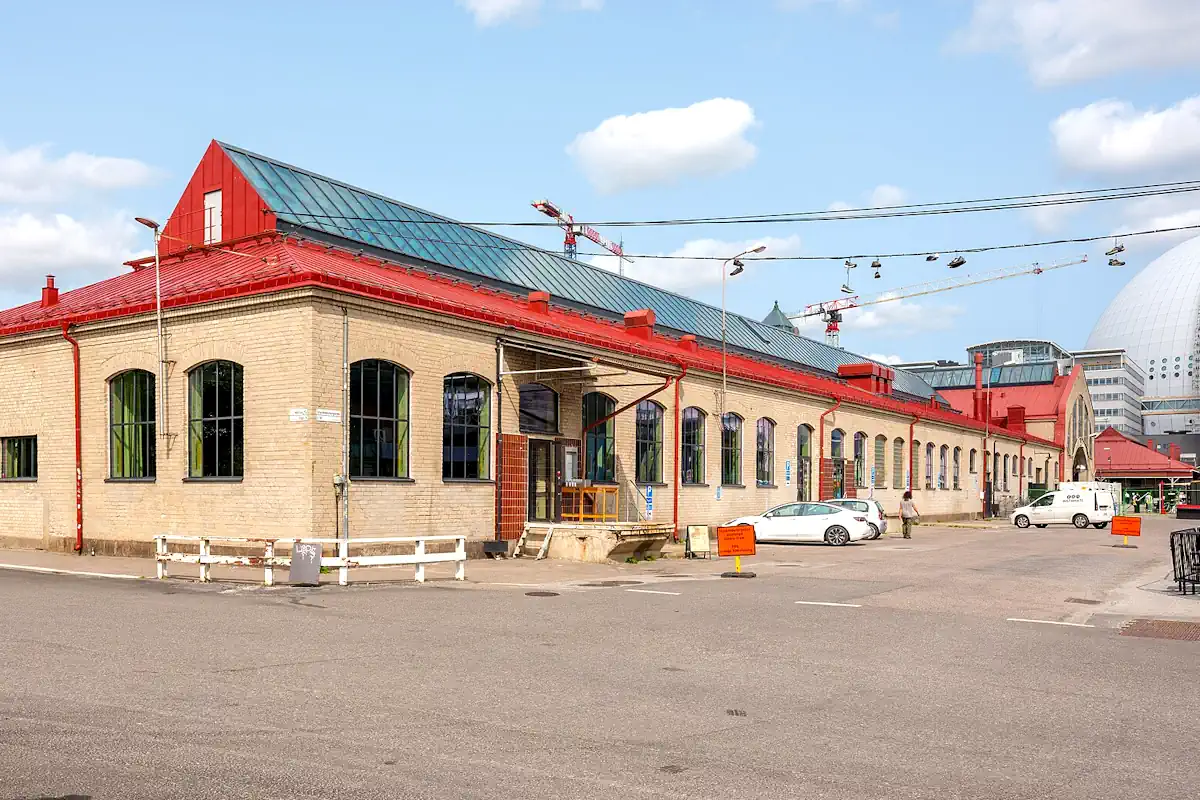
- Rows of brick buildings with distinct functions
- Wide streets designed for transport and logistics
- A layout that reflects efficiency and industrial planning
This makes it one of the clearest surviving industrial landscapes in Stockholm.
Rather than a single building or museum, the entire area functions as a historical environment.
✦ What to Look for in Slakthusområdet
- Brick Architecture: Functional yet distinctive buildings with strong industrial character.
- Numbered Structures: Many buildings were designed for specific roles within the production chain.
- Wide Streets: Built for carts, deliveries, and later motorized transport.
- Atmosphere: A rare sense of continuity—where the industrial past is still physically present.
🔄 From Industry to Culture
Today, Slakthusområdet is undergoing a major transformation.
What was once a closed industrial zone is gradually becoming:
- A destination for food and restaurants
- A hub for events and nightlife
- A new cultural district in southern Stockholm
Importantly, much of the original architecture is being preserved—allowing the area to evolve without losing its identity.
⚙️ Industry, Infrastructure, and Everyday Life
Slakthusområdet represents a different side of Stockholm’s industrial history than workshops like Atlasområdet or Rörstrand’s porcelain production.
Here, the focus was:
- Food supply and logistics
- Hygiene and large-scale processing
- Urban infrastructure supporting a growing population
It reminds us that industrial history is not only about innovation—but also about systems that sustain everyday life.
🧭 A Living Industrial Landscape
Unlike many historic sites, Slakthusområdet is not frozen in time.
It is still changing.
Some buildings are preserved, others repurposed, and new functions are constantly being introduced. This creates a layered experience where past and present coexist.
It is one of the best places in Stockholm to see how an industrial district can evolve into something entirely new—without losing its historical depth.
🏭 Part of Stockholm’s Industrial Landscape
Slakthusområdet is part of a wider network of former industrial environments across Stockholm. Areas like Atlasområdet in Vasastan and the former Rörstrand factory in Birkastan show how different types of production—engineering, porcelain, and food supply—once shaped the city.
Together, these sites—such as Atlasområdet and Rörstrand in Birkastan—reveal how Stockholm’s industrial past is not concentrated in a single location, but spread across neighborhoods that have gradually transformed into today’s urban landscape.
📍 Visitor Information
- 📍 Location: Slakthusområdet, Johanneshov, Stockholm
- 🚇 Getting There: Take the metro to Globen or Gullmarsplan, both within a short walking distance
- 🗺️ Best Way to Explore: Walk through the area and explore side streets and courtyards
- 🔍 What to Expect: A mix of preserved industrial buildings and new cultural spaces
- 🍽️ Today: Restaurants, events, and emerging nightlife
Slakthusområdet also connects to Stockholm’s wider network of industrial heritage sites, linking past production environments across the city.
📍 Nearby Attractions
- Globen (Avicii Arena): One of Stockholm’s most iconic landmarks
- Gullmarsplan: A major transport hub and gateway to southern Stockholm
- Södermalm: Known for culture, food, and nightlife