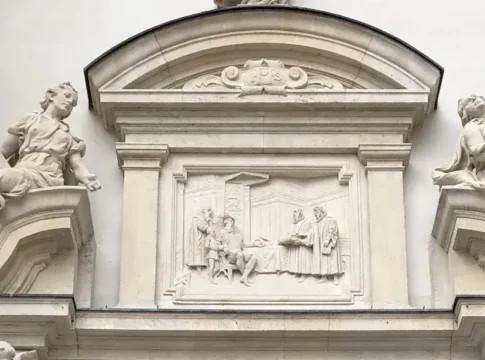
The former Rörstrand factory in Birkastan reveals a hidden chapter of Stockholm’s industrial past. Once a major center of porcelain production, the area still carries subtle traces in its streets and buildings—while nearby Karlberg hides fragments of discarded porcelain, offering a rare glimpse into the city’s manufacturing heritage.
🏭 From Porcelain Workshop to Industrial Giant
Rörstrand is one of Sweden’s oldest and most iconic manufacturers, founded in 1726. While its early production began elsewhere, the factory established in what is now Birkastan in Vasastan became a major center of porcelain manufacturing during the late 19th and early 20th centuries.
- 🏭 Type: Industrial heritage site (former factory area)
- 📍 Location: Birkastan & Karlberg, Stockholm
- 📅 Founded: Rörstrand established in 1726
- ⭐ Highlights: Factory traces, porcelain tip, urban transformation
- 🚶 Experience: Self-guided walking exploration
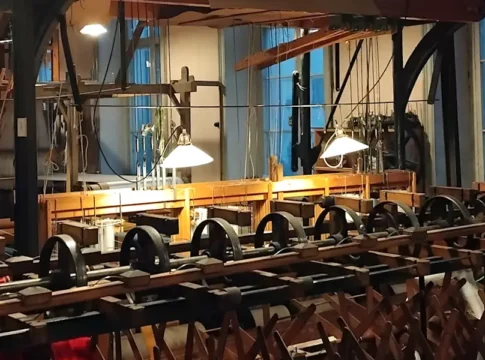
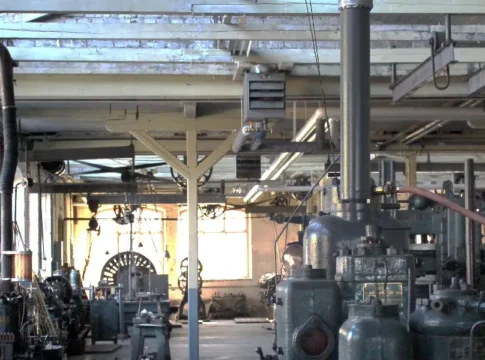
At its peak, the factory was a bustling industrial complex—producing everything from everyday tableware to finely crafted decorative pieces. The surrounding neighborhood grew alongside it, shaped by workers, workshops, and the rhythms of industrial life. Few signs mark this history—but once you know what to look for, Birkastan becomes something entirely different.
Today, that heavy industry is gone—but its footprint remains embedded in the streets of Birkastan and Vasastan. Stockholm’s industrial past, where porcelain production once shaped the neighborhood and contributed to the city’s broader industrial heritage.
🏙️ What Remains Today
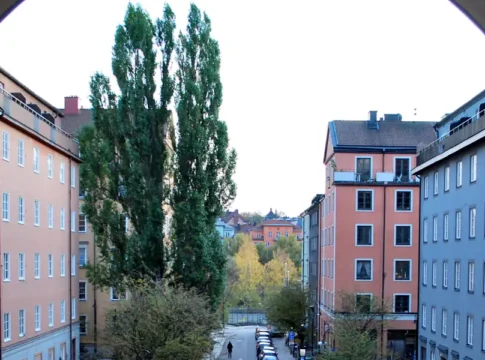
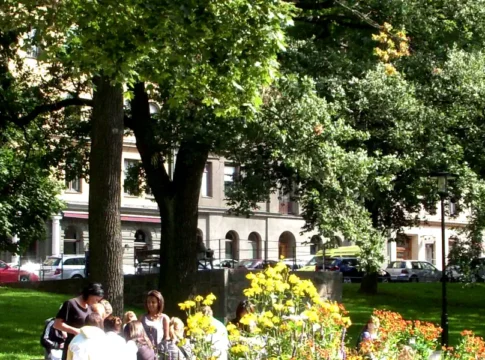
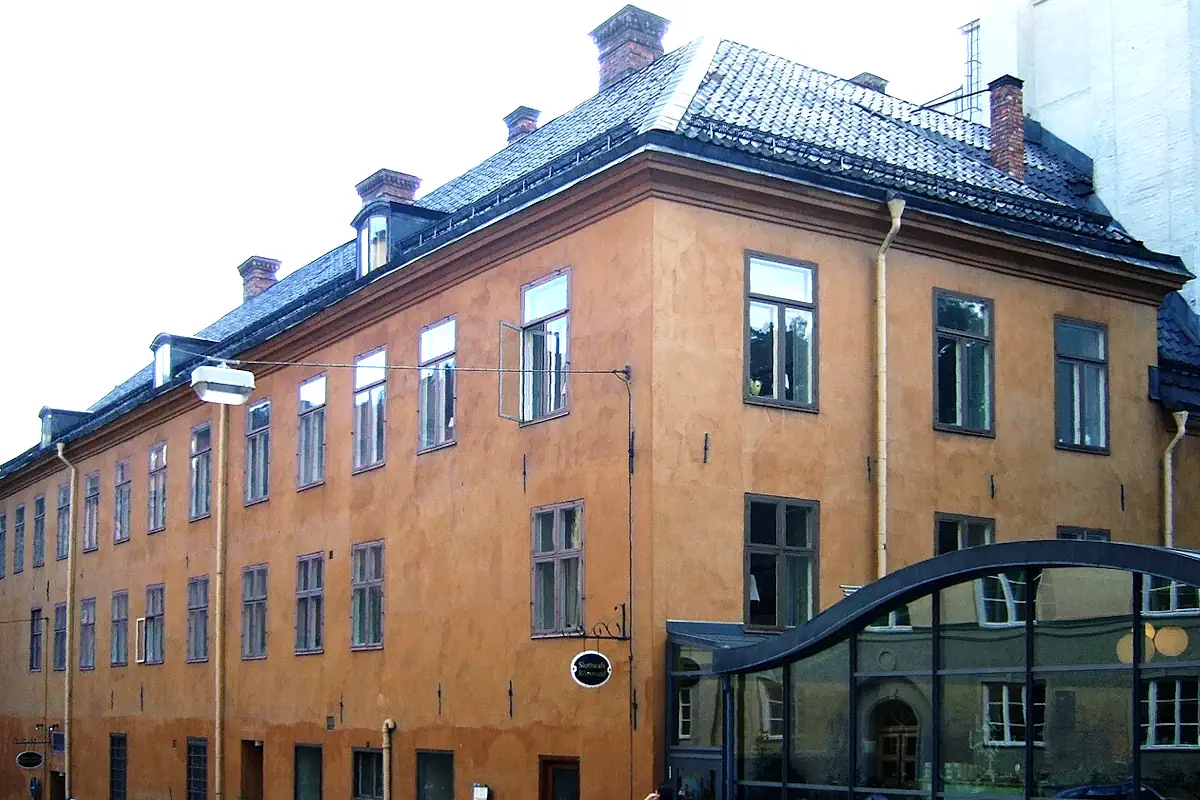
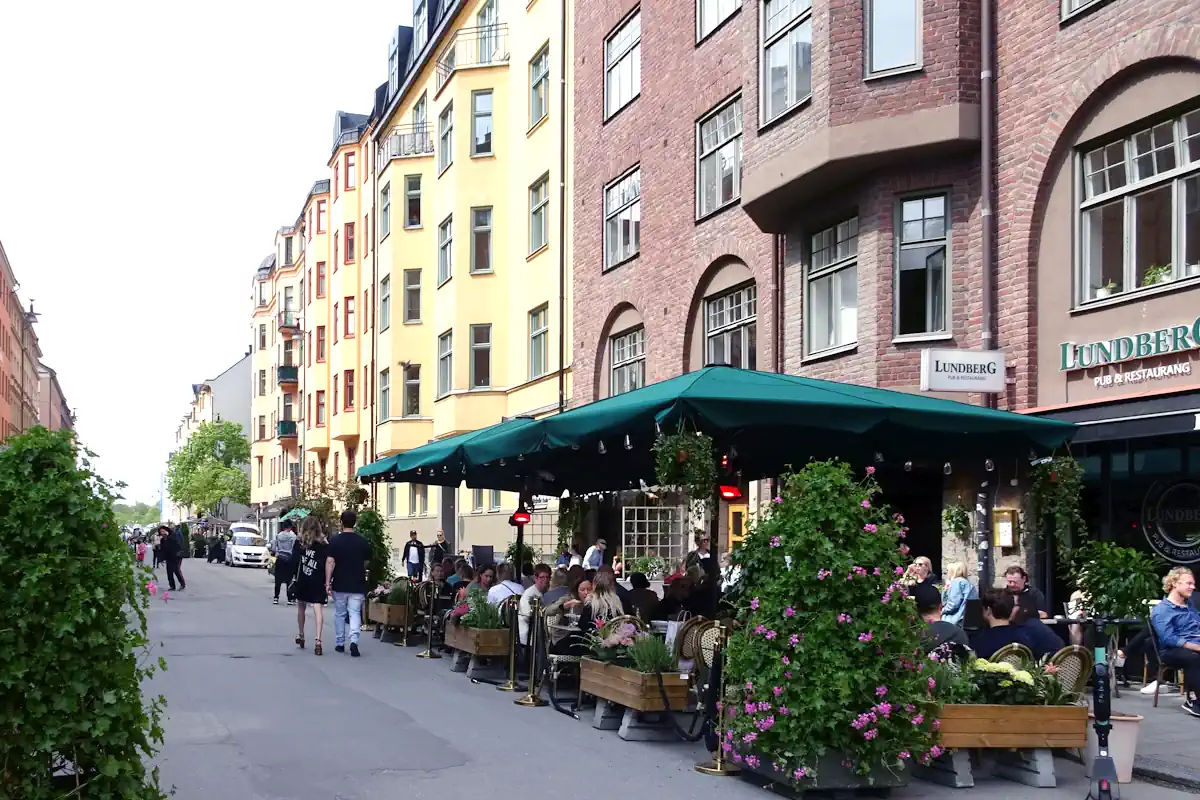
Walking through Birkastan, the transformation is striking. What was once a dense factory district is now a calm residential area filled with cafés, apartments, and tree-lined streets.
Yet traces of the past are still visible:
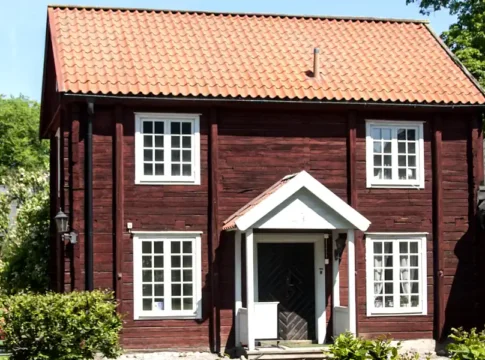
- Former factory buildings, now repurposed into housing and offices
- Architectural details hinting at industrial origins
- Street layouts that follow the logic of the old production site
It’s a subtle kind of history—less monumental than a museum, but more rewarding for those who notice it.
- Former Factory Buildings: Look for robust brick structures and large windows typical of late industrial architecture.
- Urban Layout: The street grid still reflects the organization of the original factory grounds.
- Hidden Details: Entrances, courtyards, and façades sometimes reveal traces of their industrial past.
- Everyday Transformation: Notice how spaces once used for production are now homes, cafés, and offices.
🧩 The Porcelain Tip by Karlberg
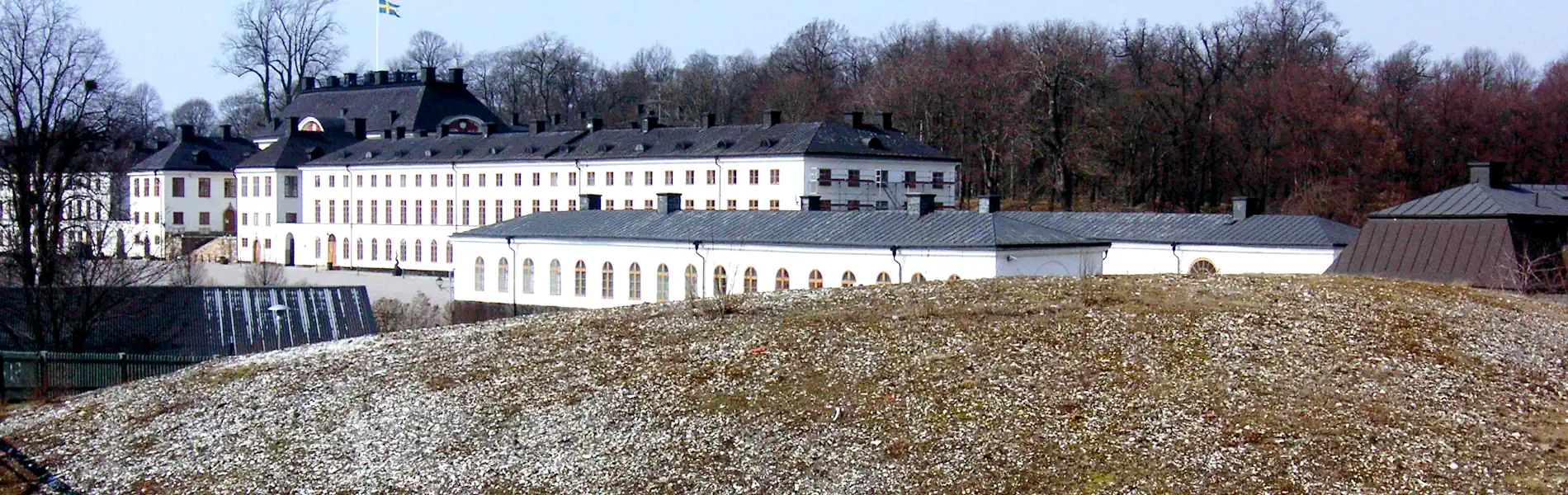
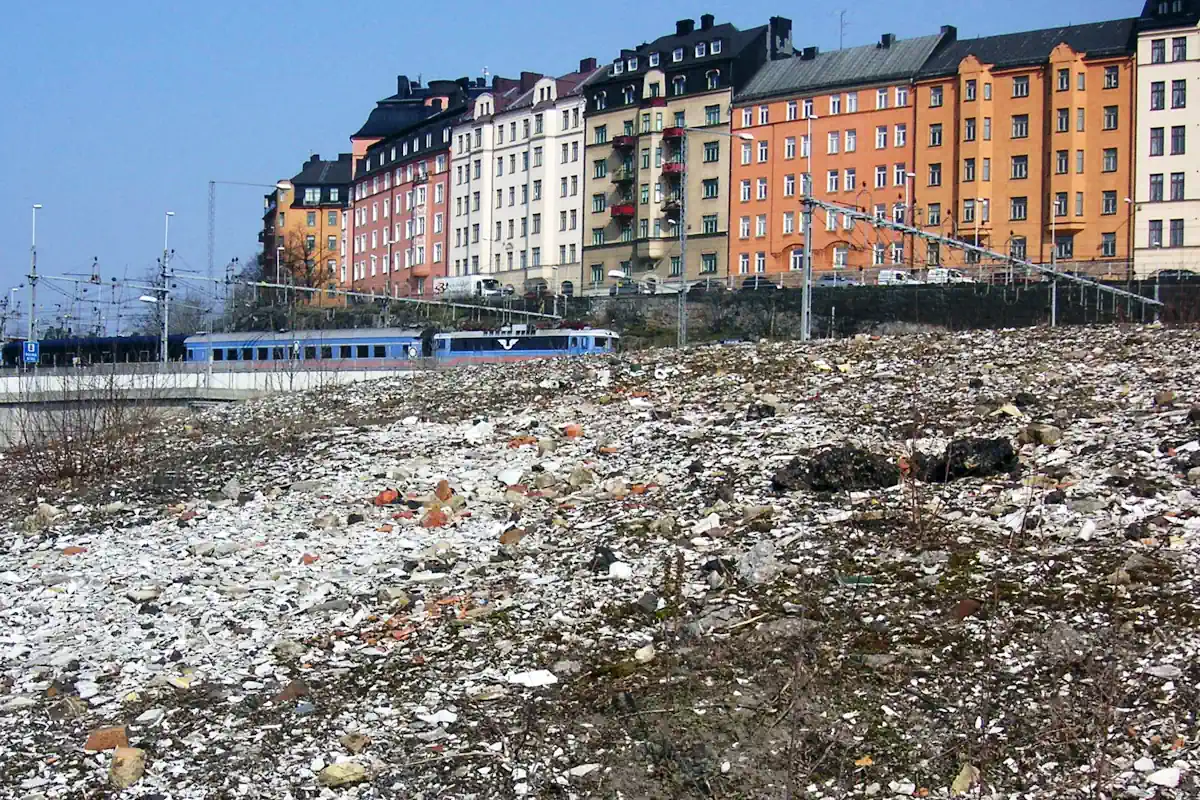
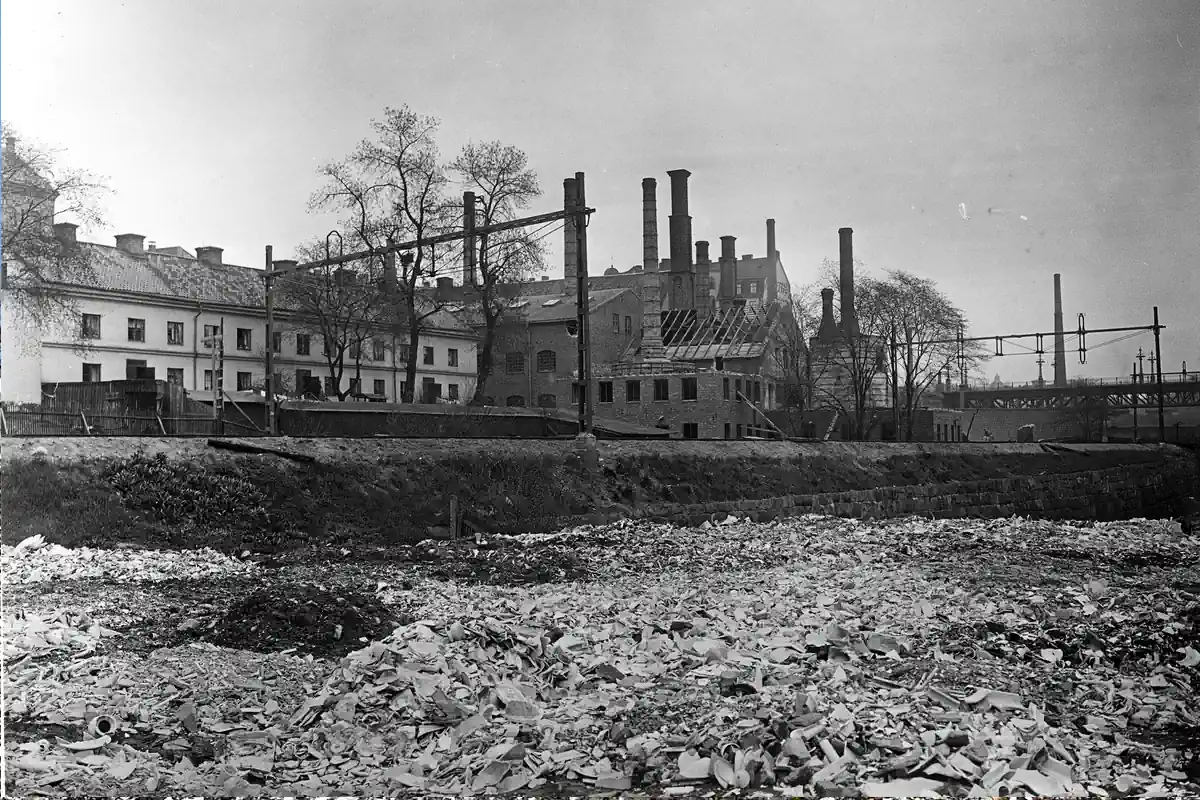
One of the most intriguing remnants of Rörstrand’s industrial past lies just a short walk away, near Karlberg Palace. Here, during the factory’s operation, discarded porcelain—damaged pieces, production errors, and surplus fragments—was dumped in what became known as porslinstippen.
Even today, fragments of porcelain can be easily found in the area—glazed shards, broken plates, and discarded production pieces scattered in the soil. It’s a quiet, almost hidden piece of Stockholm’s history—easy to miss, but fascinating once discovered.
📍 Visitor Information
- 📍 Location: Birkastan / Vasastan, Stockholm
- 🚶♂️ Getting There: Easily reached on foot from Odenplan or S:t Eriksplan. Combine with a walk toward Karlberg.
- 🗺️ Best Route: Walk through Birkastan’s streets, then continue toward Karlberg Palace for the porcelain tip area.
- 🔍 What to Expect: Subtle traces rather than obvious landmarks—this is a place for curious exploration.
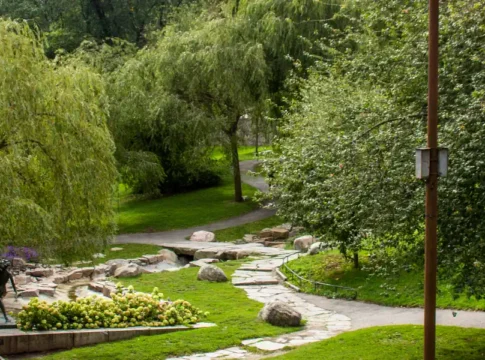
- 🌿 Combine With: A stroll along the waterfront near Karlberg or a visit to nearby parks.
🏛️ From Industry to Design Legacy
Although production has long since moved away from Stockholm, Rörstrand remains a cornerstone of Swedish design history. Its porcelain—known for both durability and elegance—has been part of everyday life in Sweden for generations.
The factory in Birkastan may be gone, but its legacy continues in kitchens, collections, and design traditions across the country.
🧭 A Different Kind of Attraction
Rörstrand’s former factory site is not a typical tourist destination. There are no large exhibitions or ticketed entrances—just streets, buildings, and fragments of the past. But that’s exactly what makes it special.
For those interested in Stockholm’s industrial heritage, urban transformation, or simply discovering something unexpected, Birkastan offers a quieter, more reflective experience—where history is not displayed, but discovered.
📍 Nearby Attractions
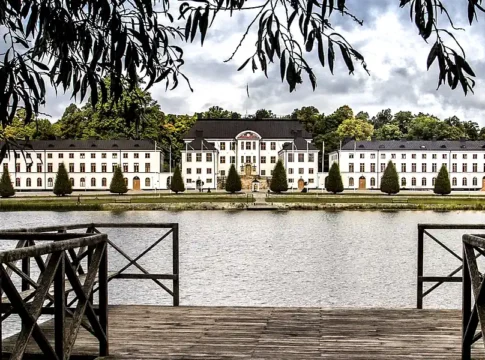
- Karlberg Palace – a peaceful royal setting just minutes away
- Vasastan – known for its architecture, cafés, and local atmosphere
- Karlberg waterfront – scenic walking paths along the water