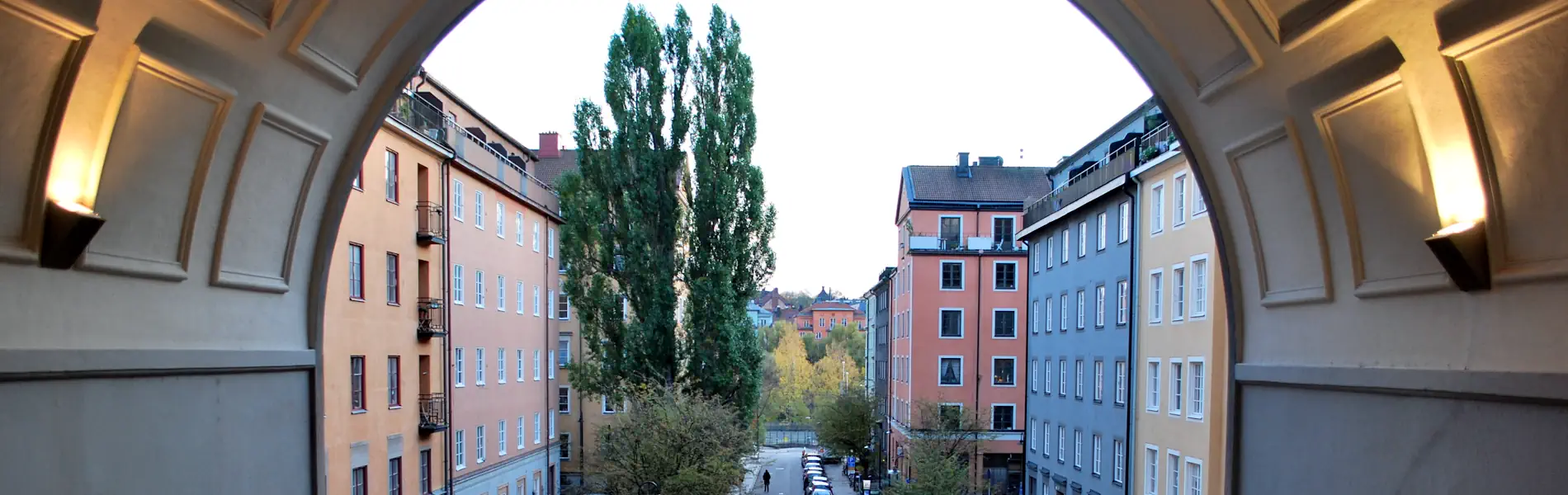
Atlasområdet in Vasastan offers a subtle but fascinating glimpse into Stockholm’s industrial past. Once home to the Atlas workshops—an early predecessor to Atlas Copco—the area played a key role in Sweden’s engineering development. Today, the factories are gone, but the streets, buildings, and urban layout still reflect this industrial legacy, quietly embedded in one of Stockholm’s most livable neighborhoods.
🏭 From Workshops to World Industry
Few people walking through Vasastan today realize that this calm residential area was once home to one of Sweden’s most important early engineering environments.
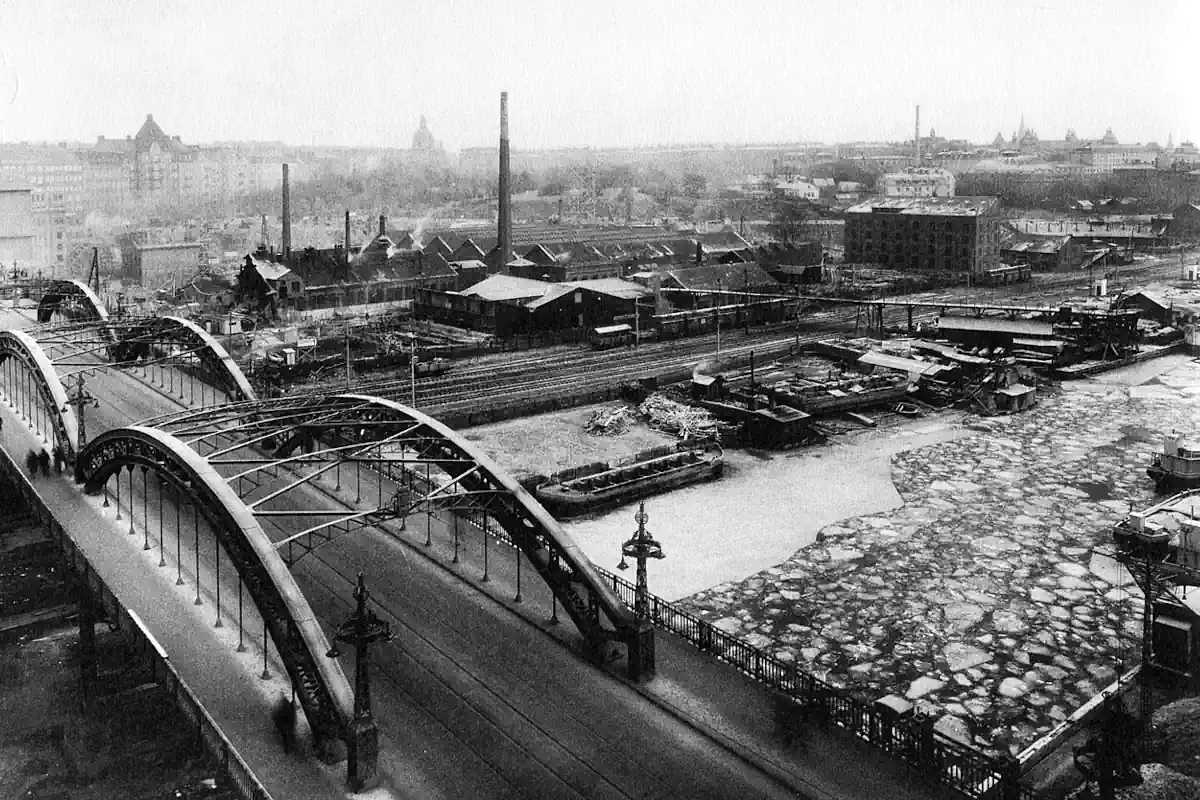
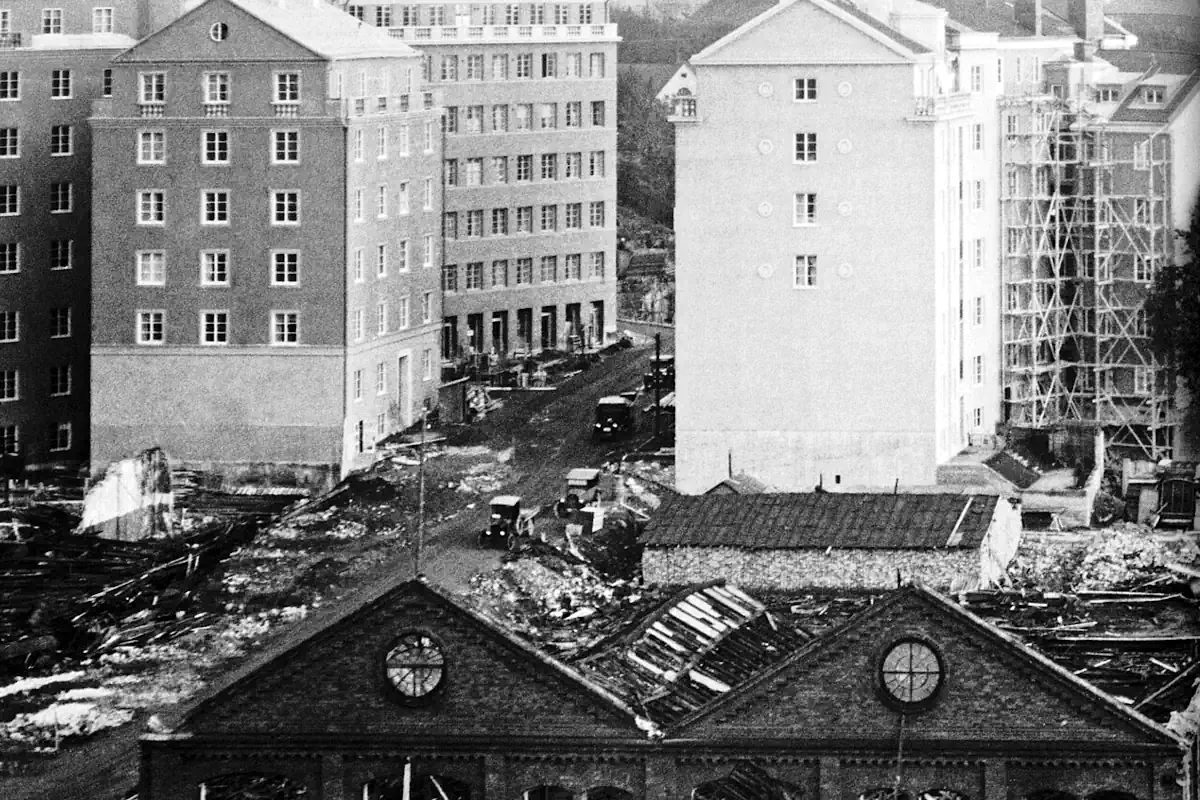
Atlasområdet Stockholm takes its name from the Atlas workshops, established in the late 19th century—part of a broader industrial landscape that also included nearby sites like Rörstrand in Birkastan. These workshops were part of the industrial expansion that helped transform Sweden into a modern engineering nation. Over time, the company evolved and eventually became part of what is today known as Atlas Copco, a global leader in industrial technology.
At its peak, the area was filled with machinery, workers, and production halls—an active industrial landscape embedded right within the city.
🏙️ What Remains Today
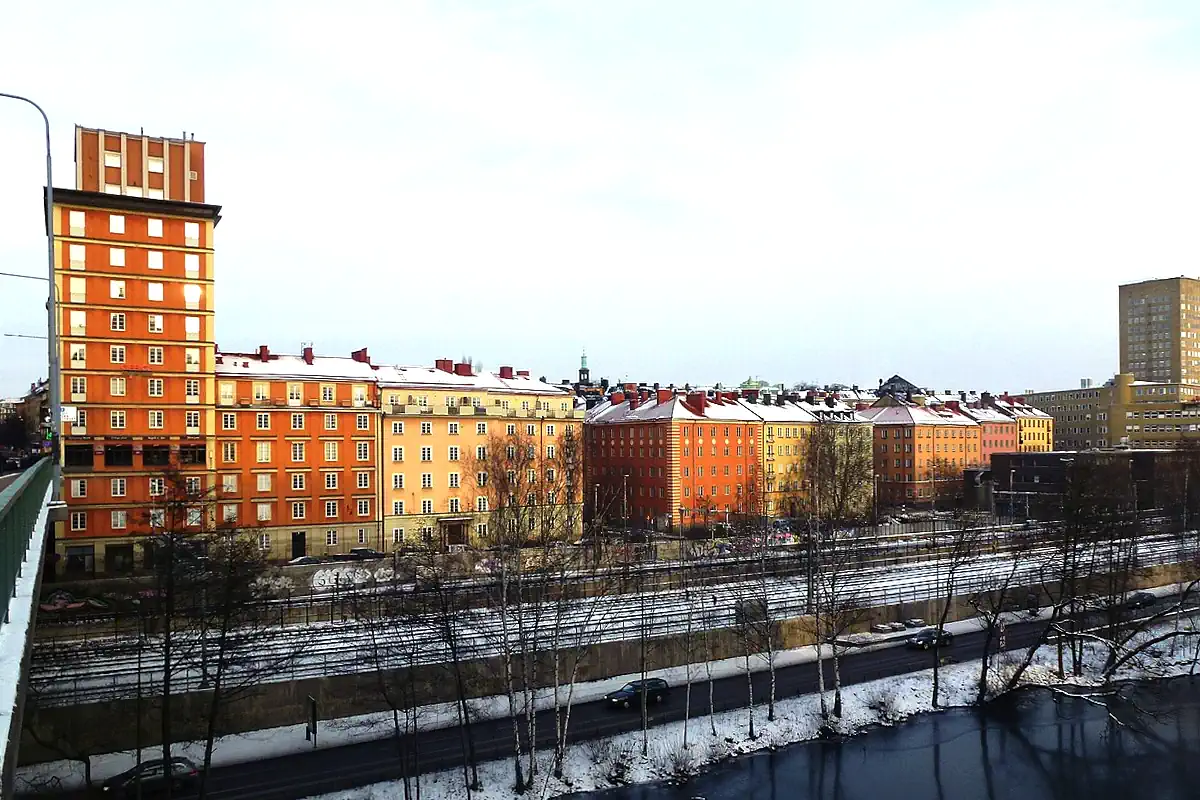
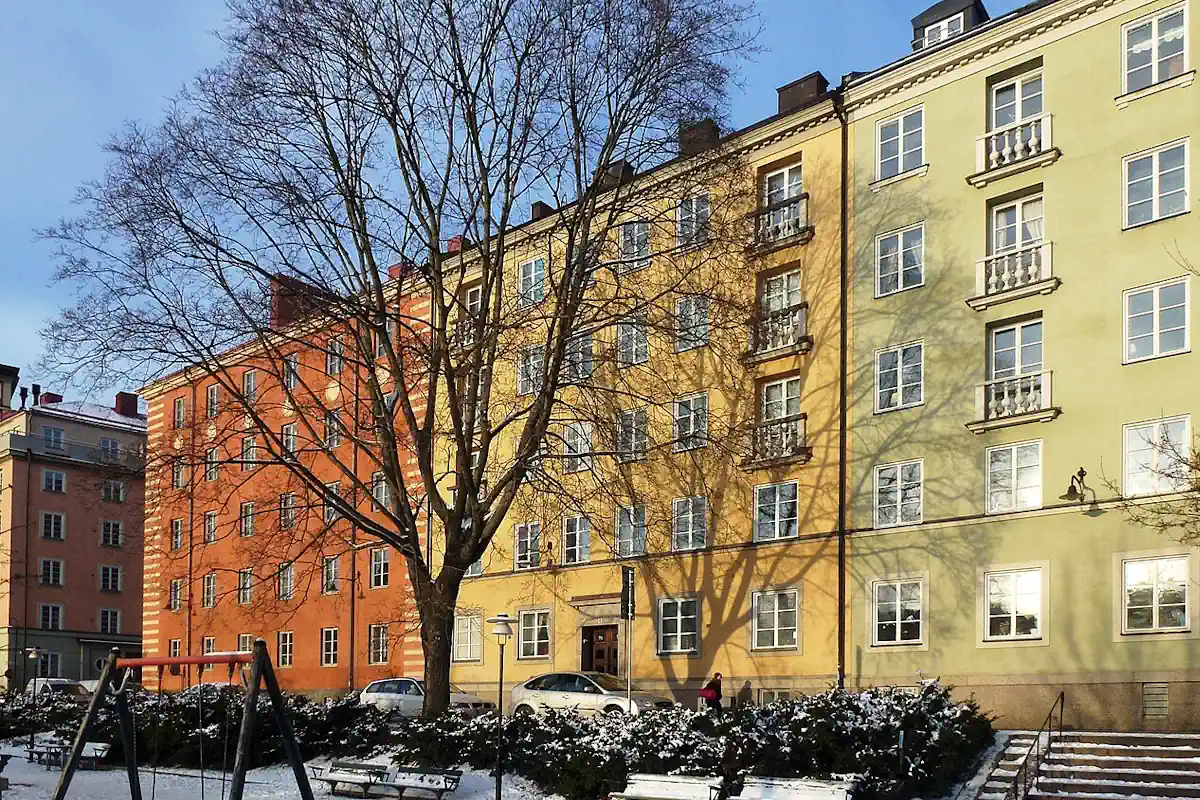
Today, Atlasområdet feels quiet, almost understated. The heavy industry has long disappeared, replaced by housing, small streets, and everyday city life.
But look closely, and the past is still there—especially in:
- Former industrial buildings, adapted into residential use
- Robust architecture with large windows and practical layouts
- A street pattern shaped by the logic of production and movement
Unlike preserved museums, Atlasområdet does not present its history directly. Instead, it reveals itself slowly—through details, proportions, and atmosphere.
✦ What to Look for in Atlasområdet
- Industrial Architecture: Look for sturdy brick buildings and large window sections typical of late 19th-century workshops.
- Street Layout: The area’s compact grid reflects how space was organized for production and logistics.
- Hidden Courtyards: Inner yards often reveal the functional structure of former industrial use.
- Everyday Transformation: Notice how former workspaces are now homes—an example of Stockholm’s layered urban history.
⚙️ Atlas and the Rise of Swedish Engineering
Atlas was part of a broader wave of industrial growth that defined Stockholm in the late 1800s and early 1900s, alongside developments preserved today at places like Pythagoras Industrial Museum.
This was the era when:
- Engineering workshops expanded rapidly
- Mechanization reshaped production
- Swedish industry began gaining international recognition
The legacy of Atlas is not just local—it connects directly to Sweden’s reputation for precision engineering and industrial innovation.
🧭 A Hidden Industrial Landscape
Atlasområdet represents a different kind of historical site.
There are no obvious markers of its past:
- No exhibitions
- No entrance tickets
- No obvious landmarks
Instead, it offers something more subtle—a hidden industrial landscape, where history is embedded in the urban fabric rather than displayed. It’s a place for observation rather than spectacle.
📍 Visitor Information
- 📍 Location: Atlasområdet, Vasastan, Stockholm
- 🚶♂️ Getting There: Easy walk from Odenplan or S:t Eriksplan
- 🗺️ Best Way to Explore: Walk slowly through the area and look for architectural details and courtyards
- 🔍 What to Expect: Subtle traces of industrial history rather than visible landmarks
- ☕ Nearby: Combine with cafés along Rörstrandsgatan or a walk toward Karlberg
Atlasområdet also connects naturally with other nearby industrial heritage sites, forming part of a larger historical landscape across Vasastan and Birkastan.
📍 Nearby Attractions
- Vasastan: A lively district known for cafés, architecture, and local atmosphere
- Rörstrand Area (Birkastan): Another former industrial site with porcelain history
- Karlberg Palace: A peaceful royal setting with parkland and waterfront walks