The Medieval Museum in Stockholm documented the city’s early history through archaeological remains discovered beneath Norrbro, including preserved streets and fortifications. Although it closed in 2023, its collections continue through exhibitions, digital initiatives, and future plans for relocation.
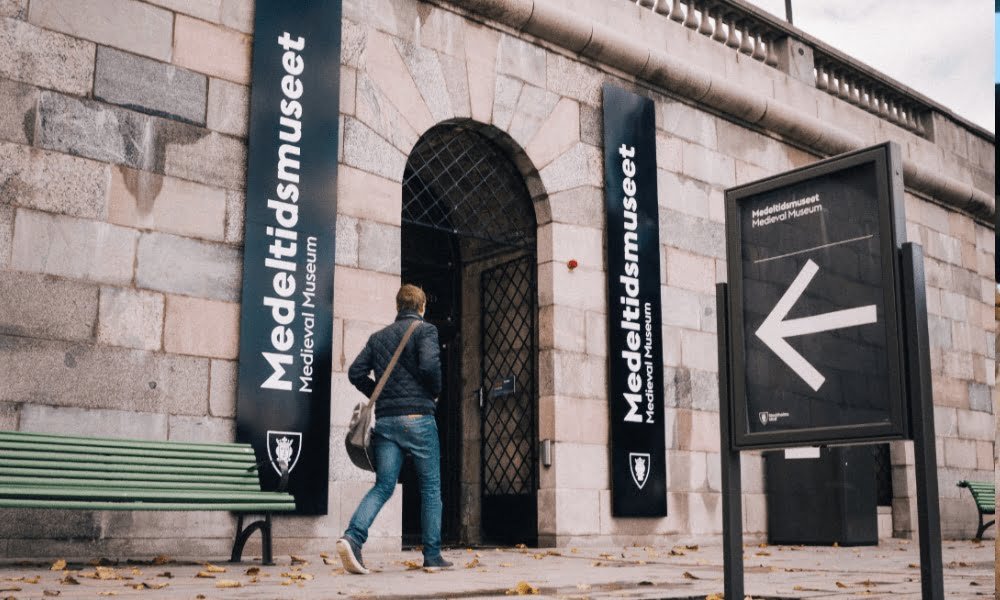
The Museum of Medieval Stockholm (Stockholms medeltidsmuseum) was one of the city’s most unique cultural institutions, located beneath Norrbro on Helgeandsholmen, between the Royal Palace and the Swedish Parliament. Built on the very site of Stockholm’s medieval city walls, it brought the capital’s early history vividly to life through immersive exhibits and preserved ruins.
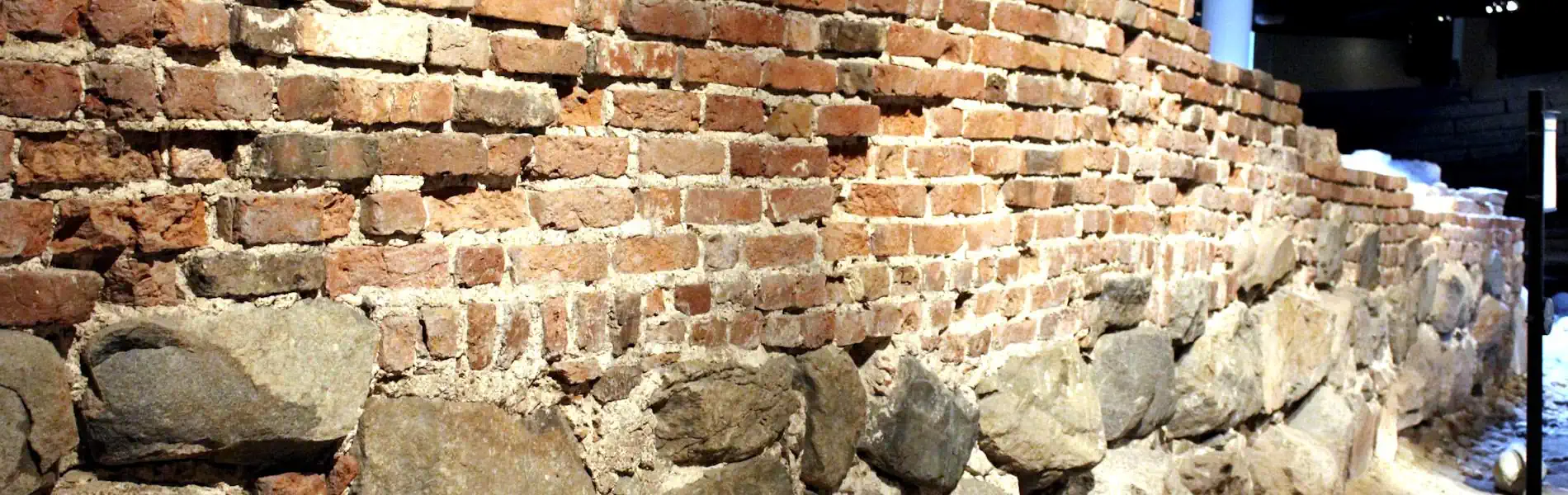
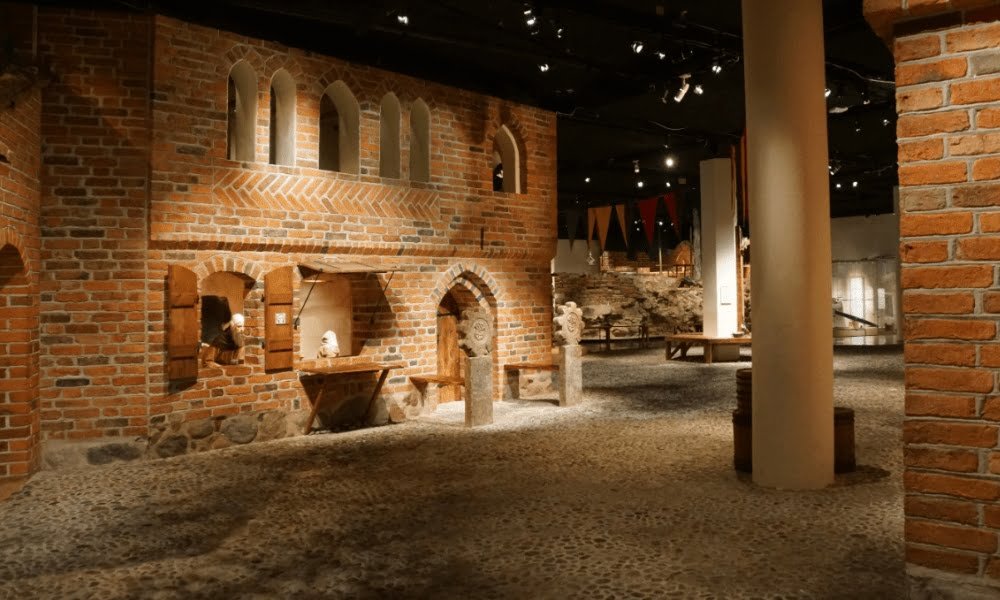
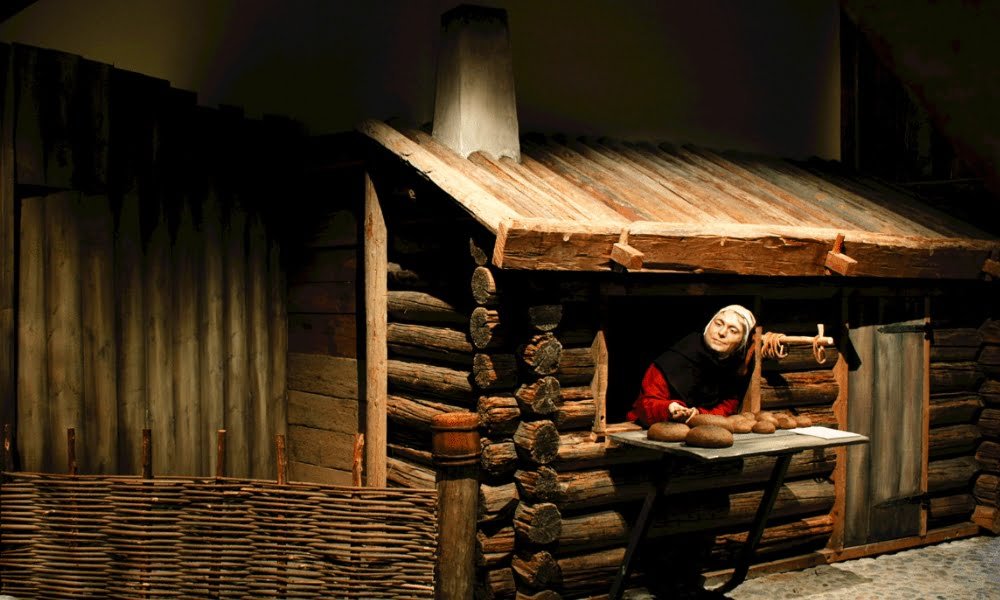
Unlike traditional history museums, Medeltidsmuseet was built around the archaeological remains themselves. Rather than displaying objects in isolation, it preserved fragments of Stockholm’s original city wall and a 14th-century street in situ. Visitors did not merely observe history — they walked through it.
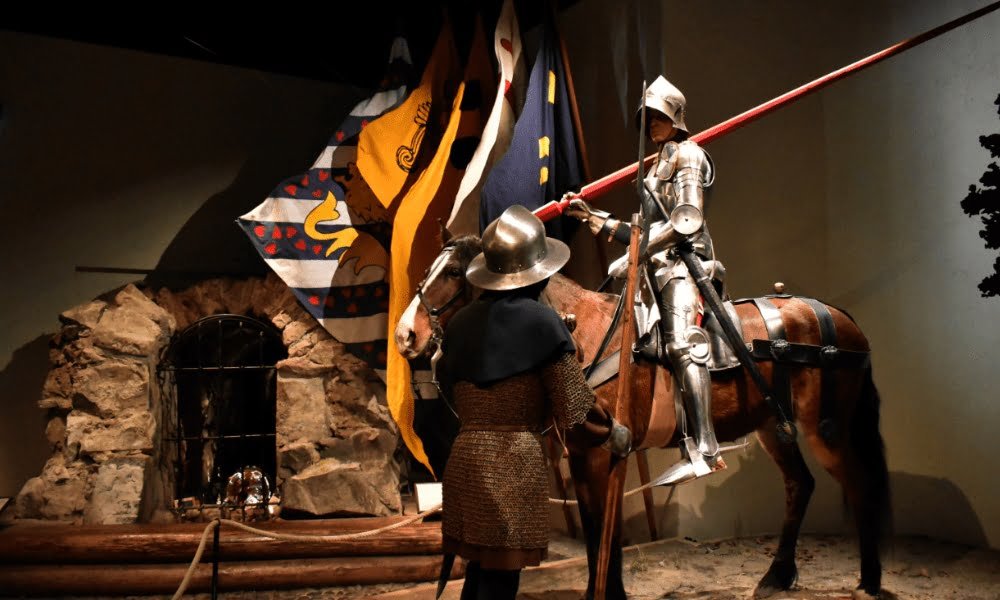
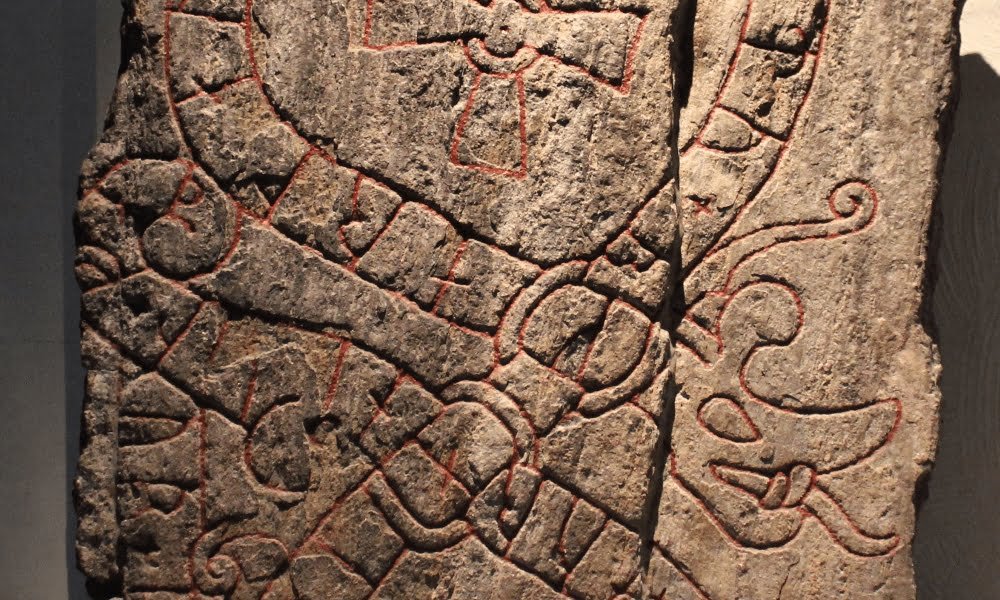
From the 13th to the 16th century, Stockholm was shaped by merchants, craftsmen, and rulers whose influence defined the growing city. The museum’s collections illustrated this period through artifacts such as tools, weapons, jewelry, textiles, and everyday objects, offering rare insights into the lives of medieval citizens and the structures that governed them.
🏗️ How the museum was excavated, 1978–80
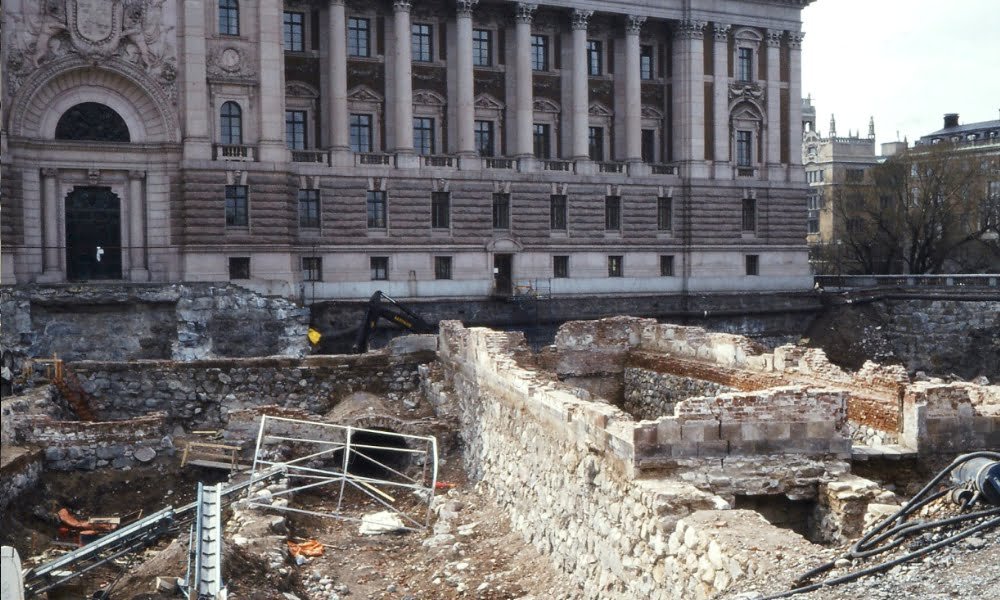
The museum’s origins date to the large-scale excavations carried out between 1978 and 1980 around the Swedish Parliament (Riksdagen). Archaeologists uncovered remarkable finds, including the remains of a medieval street, city walls, and thousands of artifacts. These discoveries sparked the idea of creating a permanent museum to preserve and interpret Stockholm’s medieval heritage.
After years of planning, the Museum of Medieval Stockholm opened in 1986. Its star attraction was the preserved cobblestone street, allowing visitors to literally walk in the footsteps of 14th- and 15th-century Stockholmers. Few museums in the world offered such a direct connection to urban medieval life.

🏰 A cultural landmark
Over nearly four decades, the museum welcomed visitors from around the world. Its combination of preserved ruins, interactive exhibits, and authentic artifacts made it a cornerstone of Stockholm’s cultural landscape. For locals, school groups, and tourists alike, it provided an invaluable gateway to understanding the foundations of Sweden’s capital.
Conclusion
As we bid farewell to the Museum of Medieval Stockholm in its Helgeandsholmen home, we celebrate its decades of storytelling and education. Its exhibits—from weapons and tools to jewelry and clothing—brought medieval Stockholm to life, while the preserved city street offered an unforgettable glimpse of the past.
Though the physical museum closed on 5 November 2023, its spirit endures. The institution continues to offer guided walks, digital tours, lectures, and school programs, ensuring that Stockholm’s medieval heritage remains alive. When the collections reopen in Börshuset on Stortorget, they will return to the very heart of the medieval city they once interpreted — a fitting continuation of Stockholm’s oldest story.
Explore how fortification, faith, trade, and conflict shaped the early capital.



 In partnership with Agoda