Stockholm’s industrial heritage reflects the city’s transformation from an agrarian society to a modern technological center. Museums, historic sites, and hidden traces in the urban landscape reveal how manufacturing, engineering, and industry shaped the city.
Industrial Heritage in the Stockholm Region
The industrial heritage of the Stockholm region tells the story of how Sweden transformed from an agrarian kingdom into one of Europe’s most technologically advanced nations. From early iron forges and royal paper mills to textile workshops, porcelain factories, and engine production, manufacturing shaped the economy, landscape, and cultural identity of the region.
Today, preserved factories and industrial museums allow visitors to step directly into this transformative era — where craftsmanship evolved into mechanization, and tradition laid the groundwork for modern innovation. It is not concentrated in a single location, but spread across a network of sites that together tell the story of Sweden’s industrial development.


Iron and the Foundations of Swedish Industry
Sweden’s industrial rise began with iron. For centuries, iron production financed national expansion and supported the Swedish Crown.
At Wira Bruk, one of Sweden’s most important historic ironworks communities, skilled blacksmiths produced blades and weaponry that contributed to the country’s early power. Wira represents the transition between craft-based production and organized proto-industry — a community built around specialized expertise long before large-scale mechanization.
State-Controlled Precision: Paper and National Security
Industrialization was not solely driven by private enterprise. It was also a matter of national strategy.
The Tumba Paper Mill Museum preserves the site where Sweden’s banknote paper has been produced since the 18th century. Precision, quality control, and strict oversight defined its operations. Here, manufacturing served not only economic development but also state security — a reminder that industrial history is deeply intertwined with political history.
Textile Production and Urban Industry
By the 19th century, Stockholm’s growing urban population fueled demand for textiles and consumer goods.
The Almgren Silk Factory Museum, founded in 1833, preserves original looms and weaving machinery in situ. It reveals how mechanization reshaped labor patterns while still relying on traditional craftsmanship. Unlike heavy industry, silk production shows how manufacturing was embedded within the urban fabric of Stockholm itself.
Engineering and the Machine Age
As Sweden entered the 20th century, industrial focus shifted toward engineering and mechanical innovation.
At the Pythagoras Industrial Museum in Norrtälje, a preserved early 20th-century engine workshop stands largely intact. Machinery, tools, and production spaces illustrate how Sweden embraced mechanized industry and modern engineering practices — marking a decisive transition into the machine age.

Industrial Design and Consumer Manufacturing
Manufacturing did not only produce raw materials and machinery. It also shaped Sweden’s global reputation for design and consumer goods.
The Gustavsberg Porcelain Museum traces the evolution of ceramic production from practical utility to internationally recognized design heritage. Here, industrial processes met artistic ambition.
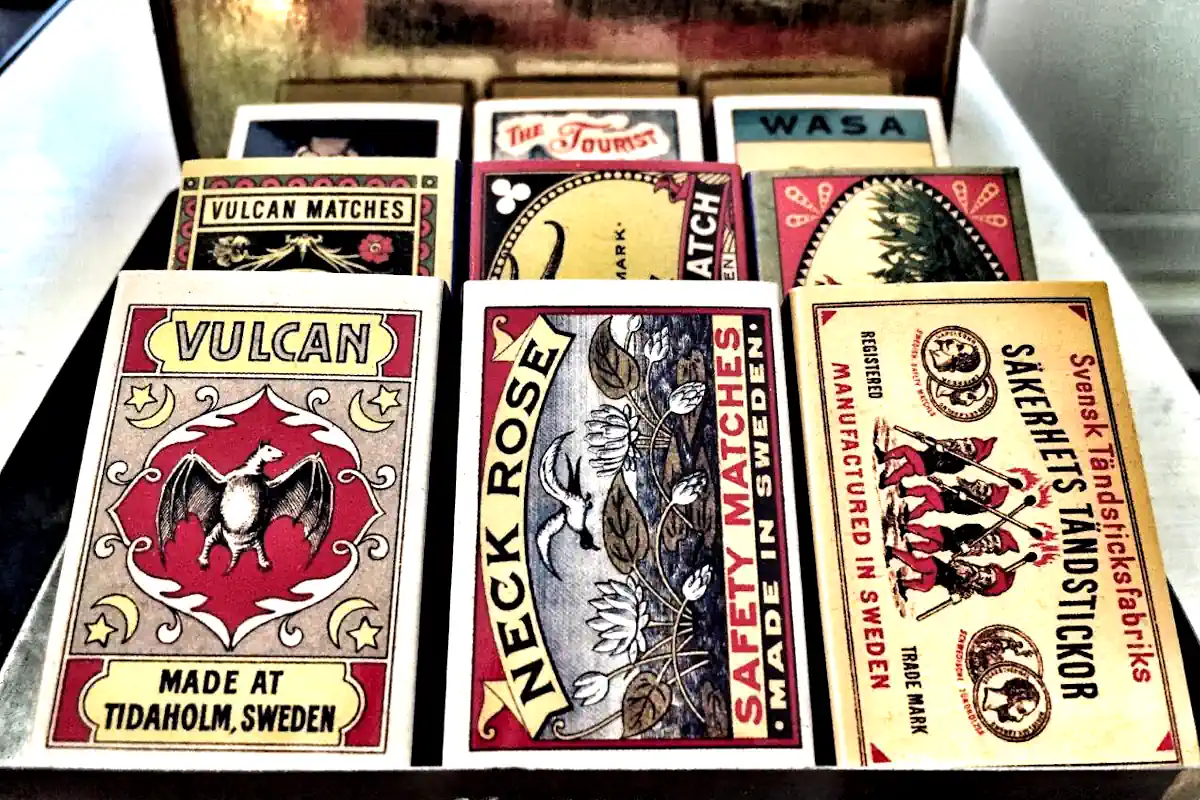
Similarly, the Snus and Match Museum highlights Sweden’s consumer industries — from tobacco production to match manufacturing — revealing how branding, packaging, and export industries became part of the nation’s economic identity.
The Stockholm Exhibition of 1897: Industry on Display
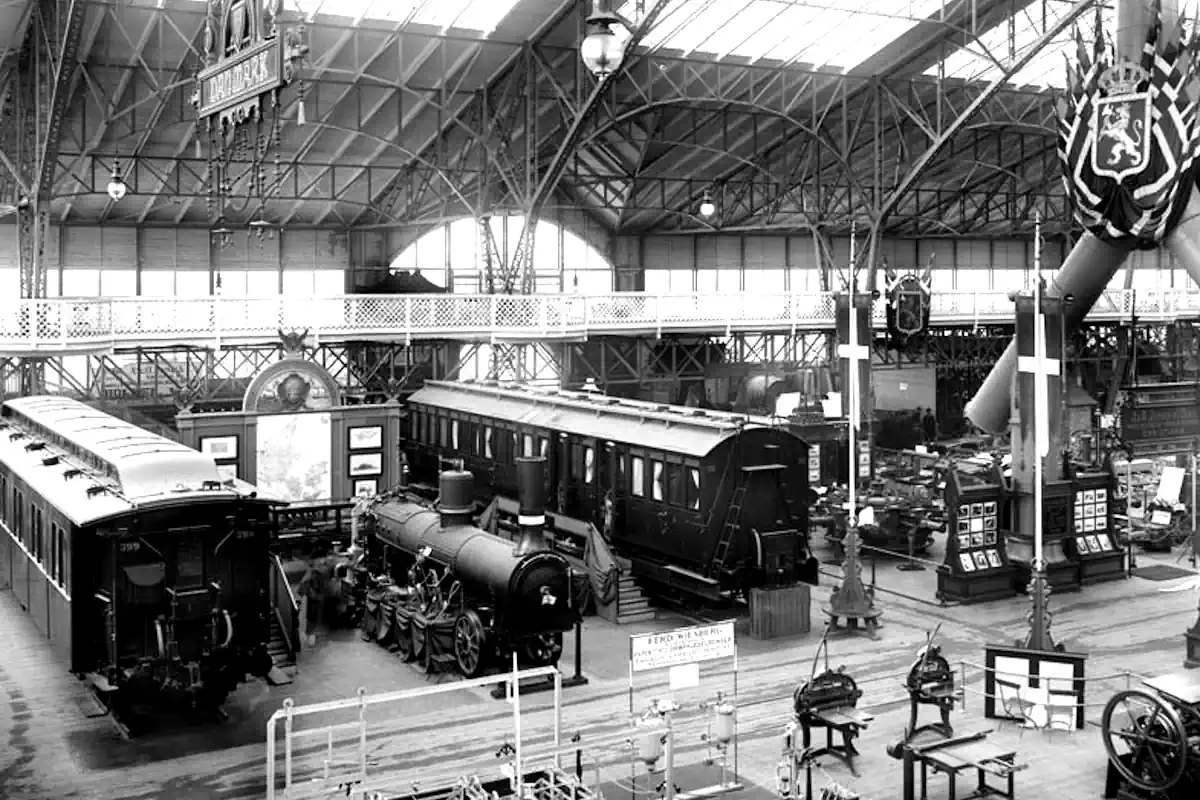
Industrial ambition reached a symbolic peak during the Stockholm Exhibition of 1897 on Djurgården.
This grand exposition showcased Swedish industry, innovation, and national confidence at the dawn of a new century. Temporary pavilions, technological demonstrations, and architectural experiments transformed Djurgården into a grand stage for modern progress.
The exhibition was more than a fair — it was a declaration of industrial identity. It connected iron production, engineering advances, design innovation, and manufacturing strength into a cohesive national narrative.

🏚️ Hidden Industrial Landscapes in Stockholm
Not all industrial heritage in Stockholm is preserved inside museums or formal sites. In many parts of the city, traces of former factories and production sites remain embedded in the urban landscape — subtle, fragmented, and often overlooked.
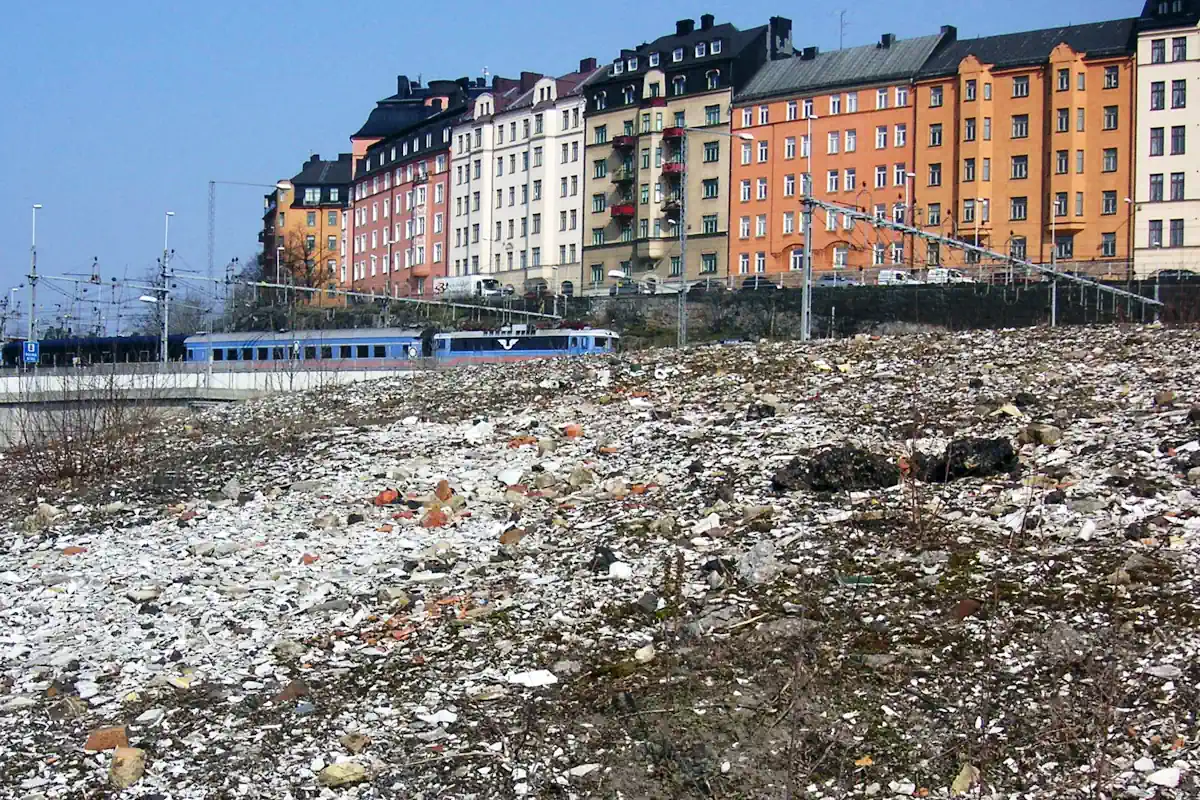
In areas such as Birkastan, the former Rörstrand porcelain factory has disappeared almost entirely, yet its presence can still be felt in the architecture, street layout, and even in the ground itself. Near Karlberg, fragments of discarded porcelain from the factory’s production continue to surface — small but tangible remnants of industrial activity.
This type of heritage is not curated or signposted. Instead, it exists as a layer beneath the modern city—revealed through careful observation rather than exhibition. These places represent a different kind of industrial heritage: one that survives within the fabric of everyday urban life.
- Rörstrand (Birkastan): Hidden porcelain fragments and traces of vanished production
- Atlasområdet (Vasastan): Former engineering workshops embedded in residential streets
- Slakthusområdet: A large-scale industrial system preserved as a district
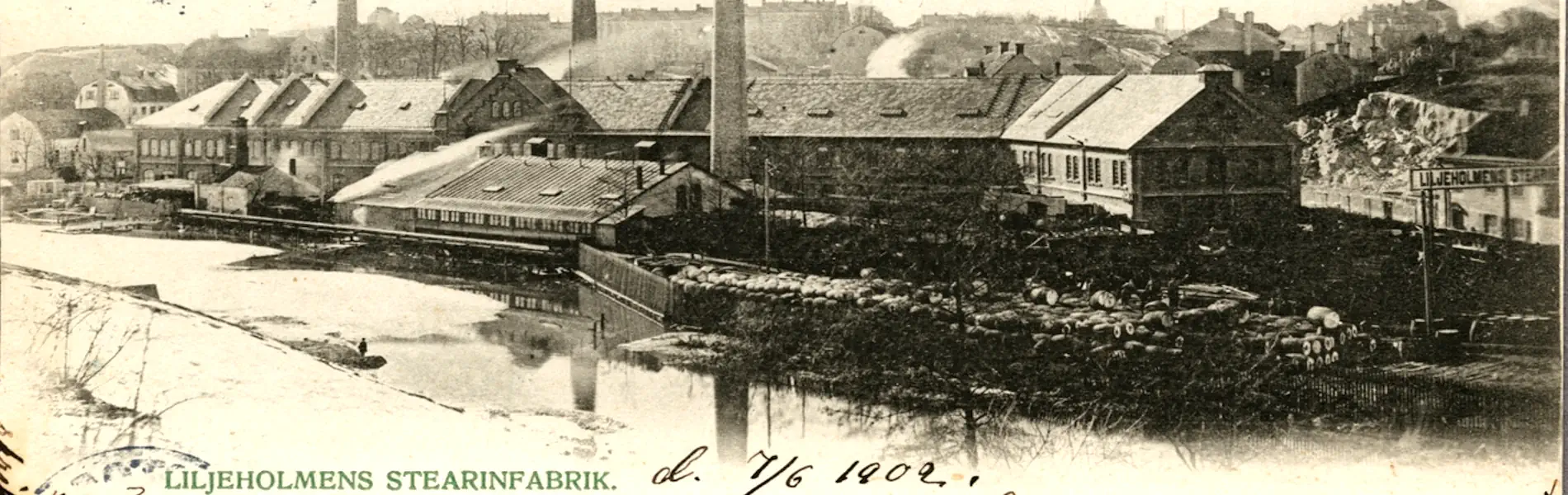
- Liljeholmen: Waterfront infrastructure shaped by transport and logistics
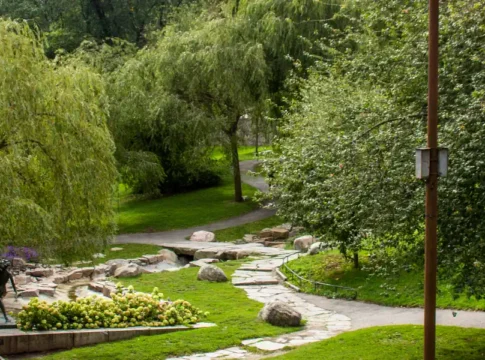
- Vinterviken: Industrial remnants of Alfred Nobel’s explosives production in a natural landscape
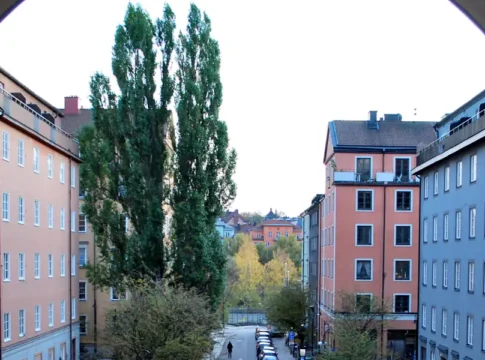
Other areas in Stockholm follow a similar pattern. Former industrial districts such as the Atlas area in Vasastan, parts of Liljeholmen, and older waterfront production zones have been transformed into residential or commercial neighborhoods, while retaining subtle clues to their past.
Exploring these places offers a different perspective on Stockholm’s industrial history — one where the city itself becomes the museum, and discovery happens in unexpected details rather than display cases. Together, they reveal how Stockholm functioned as a complete industrial system—where production, transport, infrastructure, and innovation were interconnected.
These evolving districts—such as Slakthusområdet, Atlasområdet, the former Rörstrand factory area and Vinterviken—form an essential part of Stockholm’s industrial story.
At Vinterviken, the legacy of Alfred Nobel’s dynamite production remains visible in tunnels, factory structures, and the surrounding landscape—offering one of the most atmospheric examples of how industry and nature have merged over time.
Tip: Keep an eye on the ground, building details, and street patterns — Stockholm’s industrial past often reveals itself in the smallest fragments.
A Network of Industrial Heritage Sites
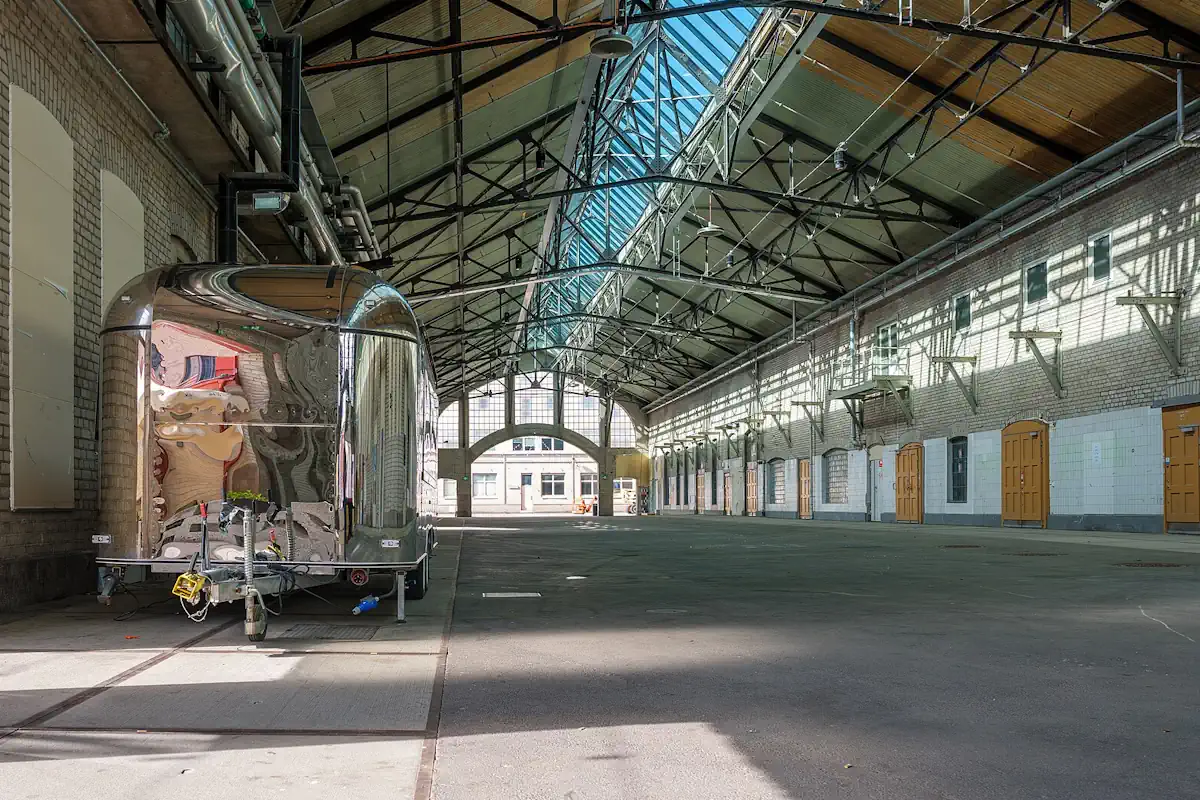
Unlike heavily centralized industrial cities elsewhere in Europe, Stockholm’s industrial heritage is geographically distributed. Ironworks communities, mechanical workshops, urban factories, porcelain production centers, and state-controlled mills form a regional network rather than a single industrial core.
This dispersed structure reflects Sweden’s relationship with waterways, natural resources, and regional specialization. Industrial heritage in the Stockholm region is therefore not one site — but a connected landscape of preserved production environments.
Industrial heritage explains how Sweden financed its early expansion, how Stockholm developed as a connected industrial system, and how craftsmanship evolved into world-renowned design and technology. These preserved factories and workshops safeguard the material foundations of modern Swedish society.
For visitors, exploring Stockholm’s industrial museums offers more than technical insight — it reveals the economic, social, and cultural transformations that shaped the region into what it is today.
🏭 Explore Manufacturing Museums in Stockholm
Discover key manufacturing museums in Stockholm—from early ironworks and textile production to engineering, design, and consumer goods.
- Wira Bruk
Historic ironworks and the origins of Swedish industry - Almgren Silk Factory & Museum
Urban textile production and industrial craftsmanship - Pythagoras Industrial Museum
Mechanical engineering and working factory environments - Tumba Paper Mill Museum
Precision papermaking and Sweden’s banknote production - Gustavsberg Porcelain Museum
Industrial ceramics and Swedish design heritage - Snus and Match Museum
Consumer goods, branding, and everyday manufacturing
🧭 Follow Sweden’s industrial journeyFrom iron forging and textile workshops to engineering breakthroughs and design innovation, these museums together tell the story of how Sweden became a modern industrial nation.


 In partnership with Agoda