


 Photo: Mikaela Börjesson (CC BY-SA 4.0)
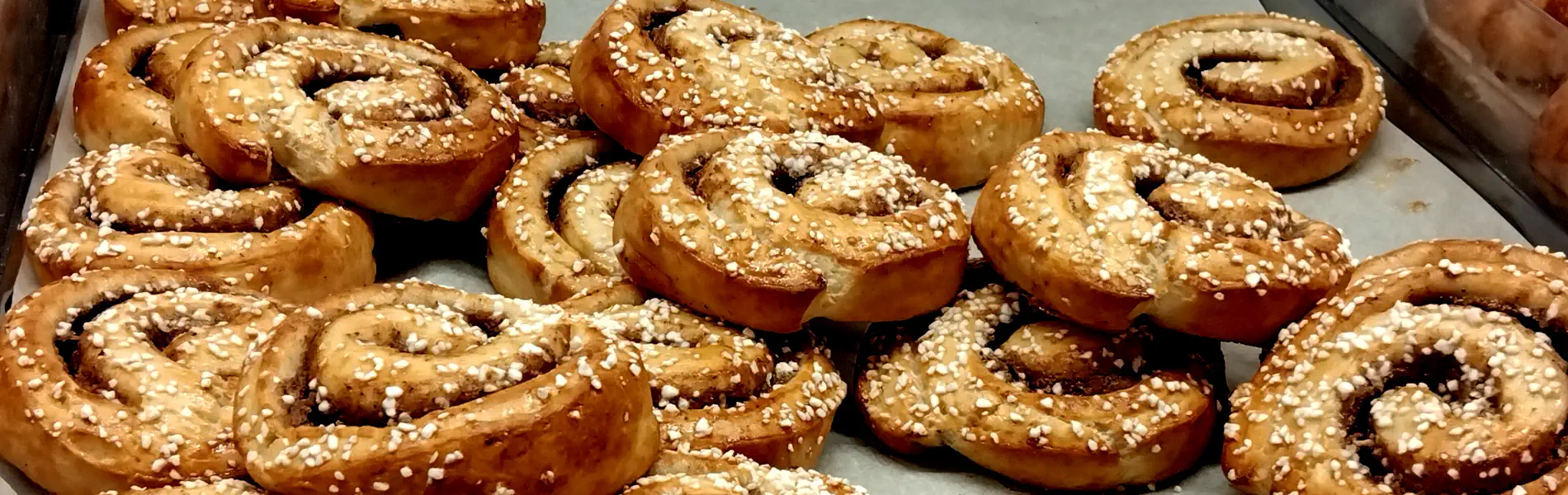
Fika is a Swedish social tradition centered on coffee, pastries, and conversation. It reflects everyday cultural values of balance, social connection, and shared breaks in daily life.
If there’s one ritual that captures the soul of Swedish culture, it’s fika. More than just grabbing a coffee, fika is a daily pause — a time to slow down, share conversation, and indulge in something sweet. Whether you’re exploring Stockholm’s cobbled Old Town or modern waterfront, taking a fika break connects you instantly with local life. Here’s how to experience it like a Swede.


Fika (pronounced fee-ka) means much more than “coffee break.” It’s a cultural cornerstone built around coffee or tea, usually paired with pastries like kanelbullar (cinnamon buns), kardemummabullar (cardamom buns), the beloved winter semla, or even the colorful prinsesstårta (princess cake). At its heart, fika is about pausing, enjoying the moment, and connecting with others — an idea rooted in the Swedish concept of lagom, or “just the right balance.”
In Sweden, fika isn’t optional — it’s part of everyday life. Offices schedule fika breaks, families gather around the table, and friends linger over coffee long after the cups are empty. It’s social, restorative, and deeply tied to Swedish ideas of community and well-being. To experience fika is to understand a piece of Swedish identity.
While fika is centered on coffee and sweet pastries, everyday Swedish mornings often begin with simpler staples such as filmjölk, the tangy fermented milk that has anchored breakfast tables for generations.
To truly experience Stockholm, don’t just visit the museums and landmarks — pause for a fika. Whether it’s a steaming coffee with a cinnamon bun in Gamla Stan, or a slice of princess cake and saft by the water, fika offers a taste of Swedish life you won’t find anywhere else. So take a seat, sip slowly, and savor the moment — just like the locals do.
Swedish Fika
Fika