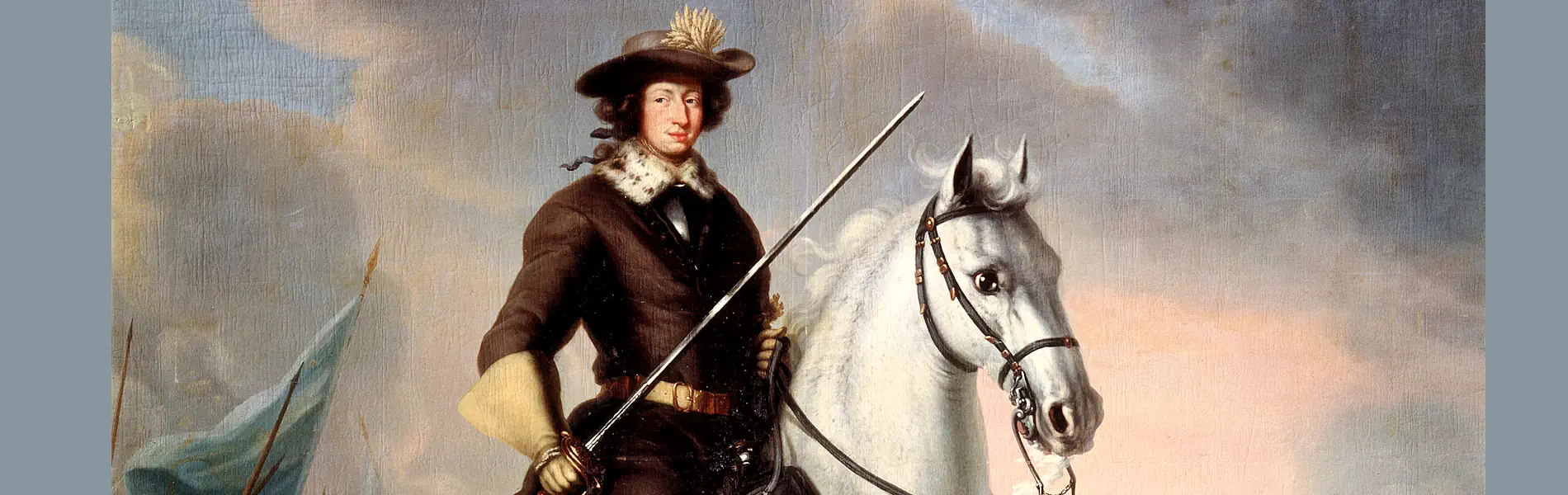
Karl XI of Sweden (1655–1697) was a pivotal monarch who transformed the country from a war-weakened empire into a stable and centralized state. Through major reforms such as the Reduction and the indelningsverket military system, he strengthened royal authority and created lasting structures that shaped Sweden’s future. His legacy lives on in Stockholm, particularly at Karlberg Palace and in the institutions he helped define.
👑 Part of our guide to Swedish Kings & Royal History in Stockholm.
In an age defined by war, shifting alliances, and the fading glow of Sweden’s great-power era, Karl XI of Sweden (1655–1697) emerged as a monarch unlike his predecessors. Where earlier kings expanded the realm through conquest, Karl XI rebuilt it from within — strengthening its finances, reforming its army, and transforming Stockholm into the disciplined heart of a more centralized state.
His reign marked a turning point: from outward expansion to internal consolidation. The Sweden inherited by his son, Karl XII, was a kingdom forged in order, stability, and reform.
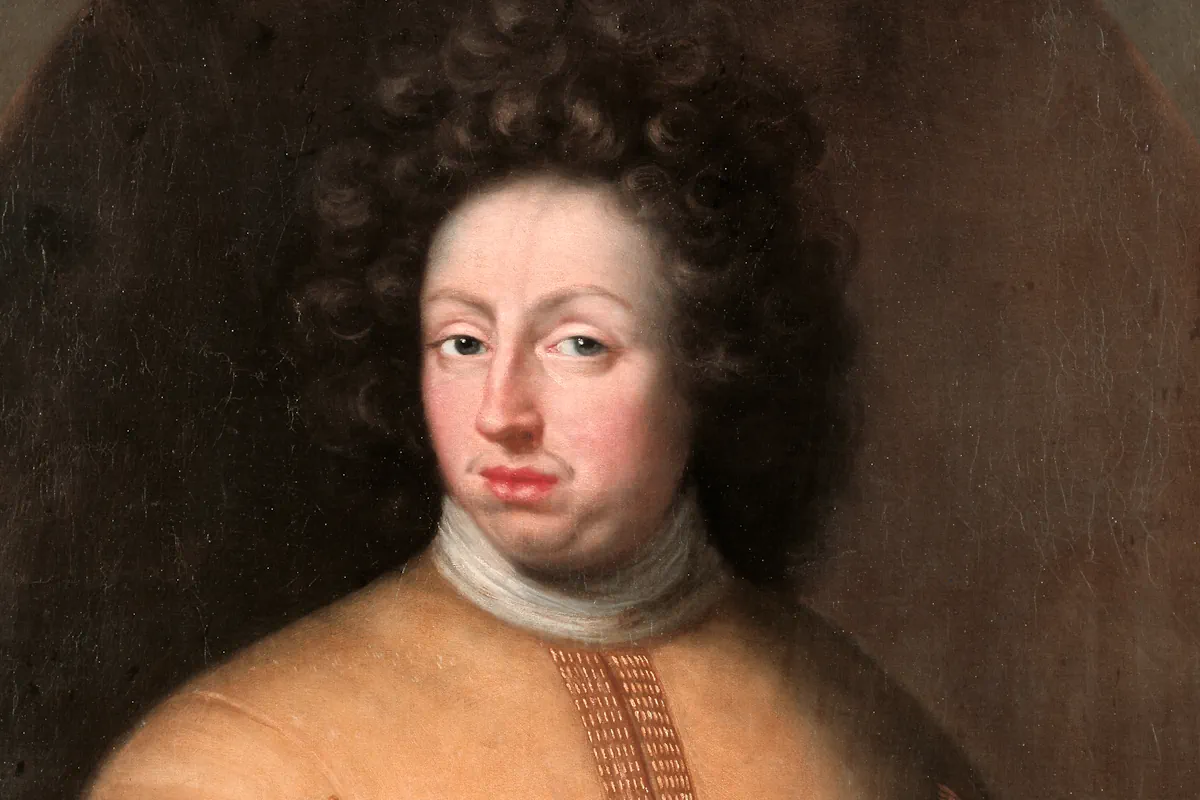
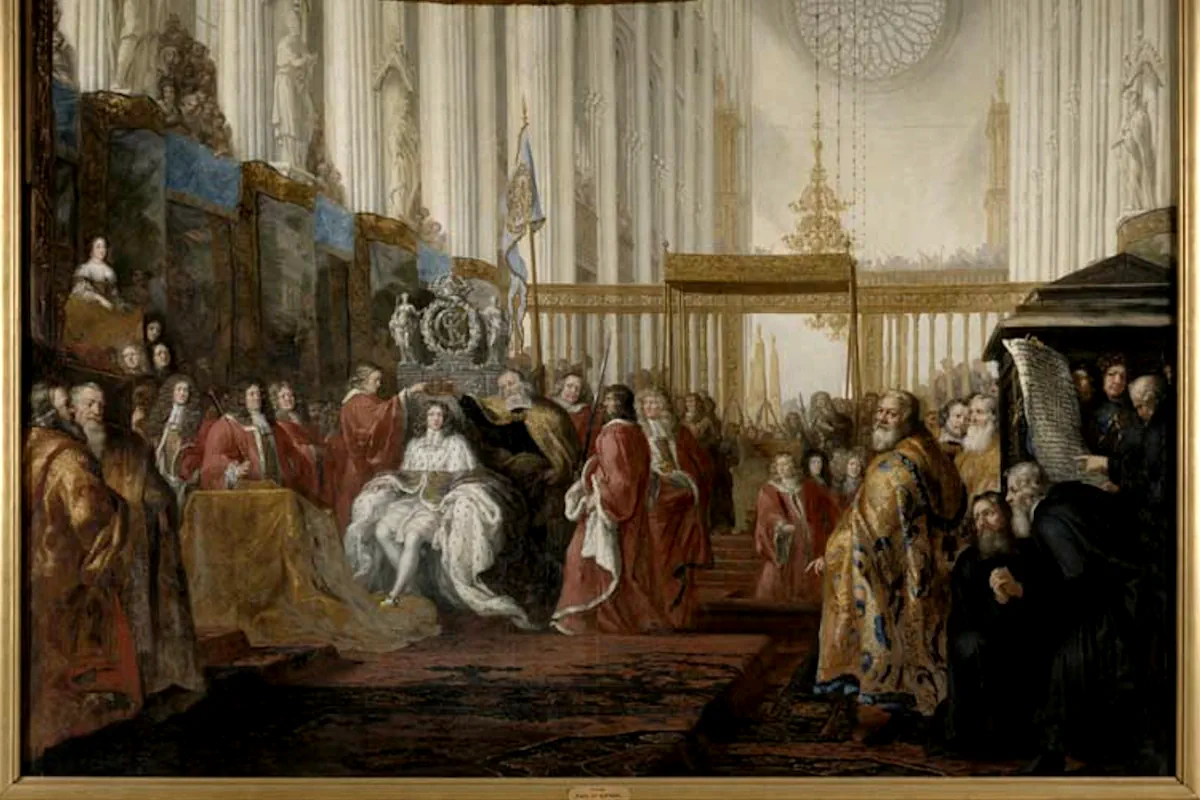
Karl XI became king at just four years old, following the death of his father, Karl X Gustav. A regency council ruled during his youth, but when he came of age he inherited a realm weakened by war and financial strain.
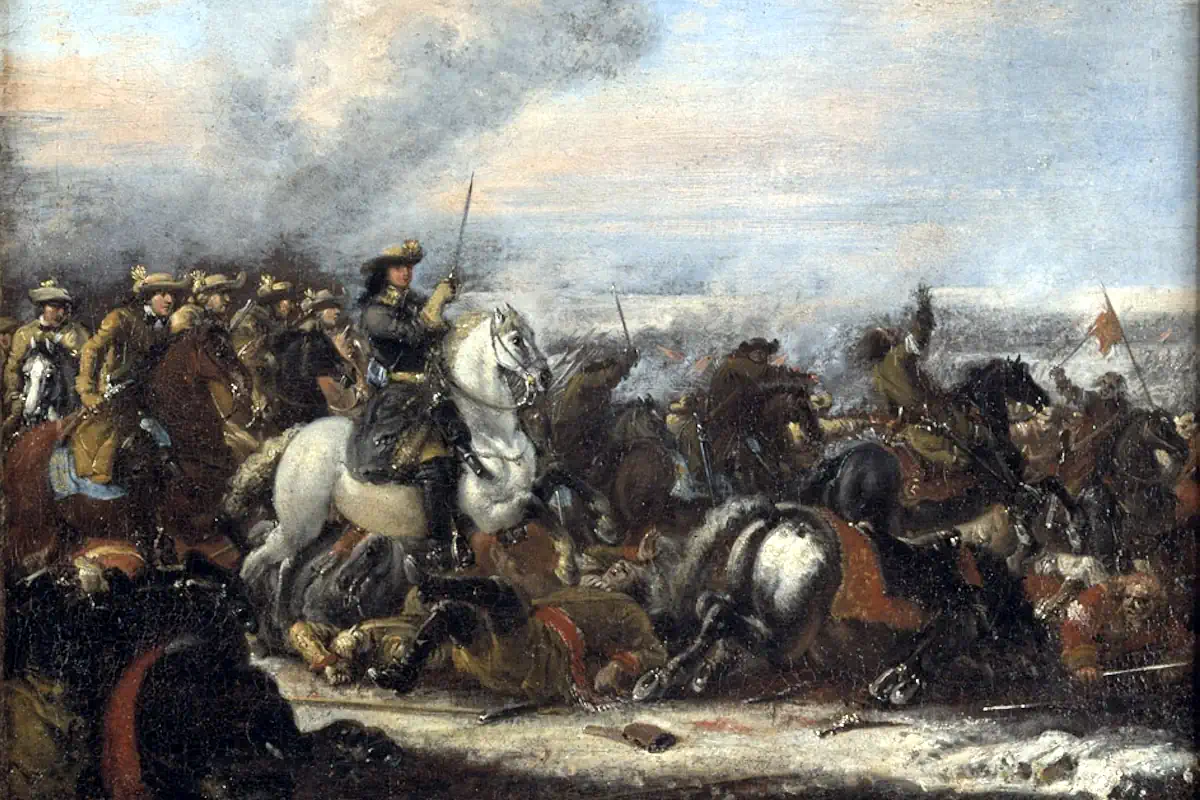
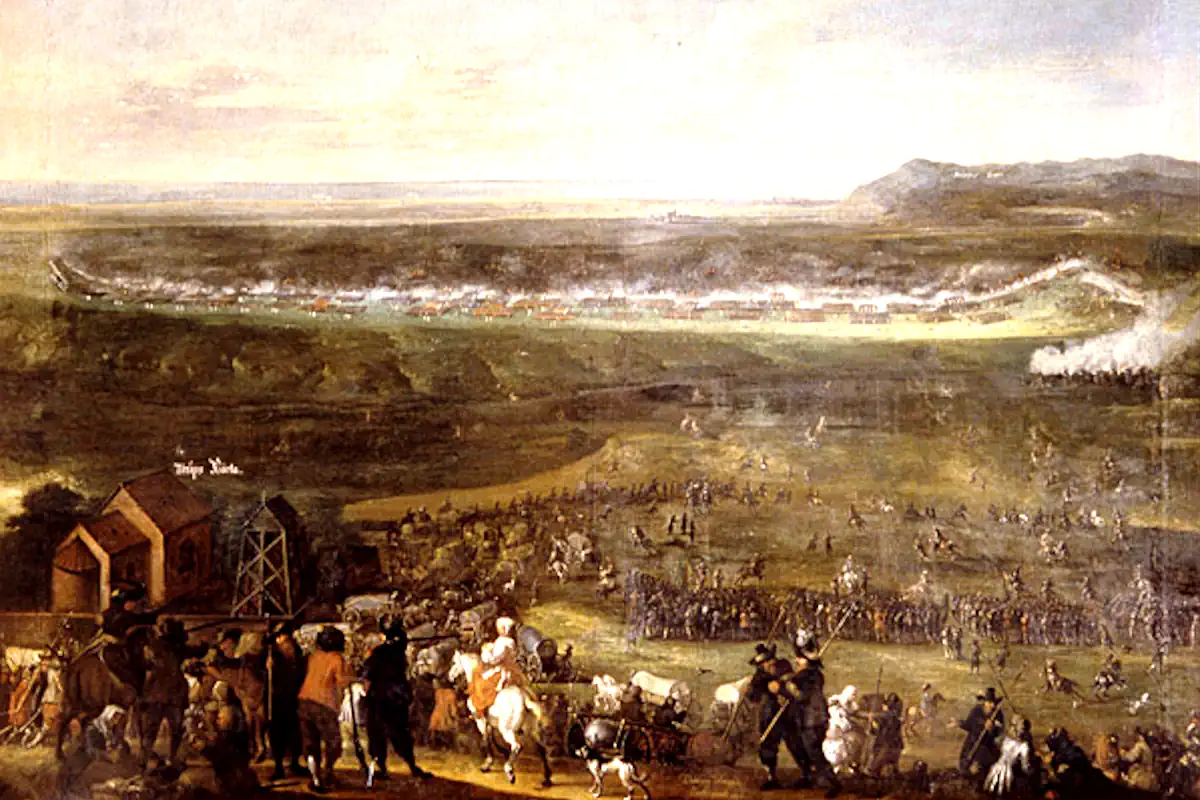
His defining moment came during the Scanian War (1675–1679), particularly at the Battle of Lund in 1676 — one of the bloodiest battles in Nordic history. There, Karl XI proved himself not only a monarch but a battlefield commander, leading from the front with a calm, unflinching resolve.
The experience shaped him deeply. War had shown him the cost of a weak state.
Determined to prevent future instability, Karl XI initiated one of the most significant political transformations in Swedish history. Through the Reduction, he reclaimed vast lands and wealth from the nobility, returning them to the Crown. This strengthened royal finances and curtailed aristocratic influence.
At the same time, he reorganized the administration so that authority flowed directly from the monarchy. Sweden had, in effect, become an absolute monarchy — not through spectacle, but through methodical restructuring.
One of Karl XI’s most enduring reforms was the creation of the indelningsverket, a military system that replaced unreliable mercenaries with a standing army supported by local farms. Soldiers were rooted in Swedish society, creating stability, loyalty, and efficiency. The system would remain in place for more than a century and became a cornerstone of Sweden’s military identity.
Karl XI’s reign left a lasting imprint on Stockholm. While less flamboyant than later monarchs, he strengthened the city’s role as the administrative and military heart of the kingdom.
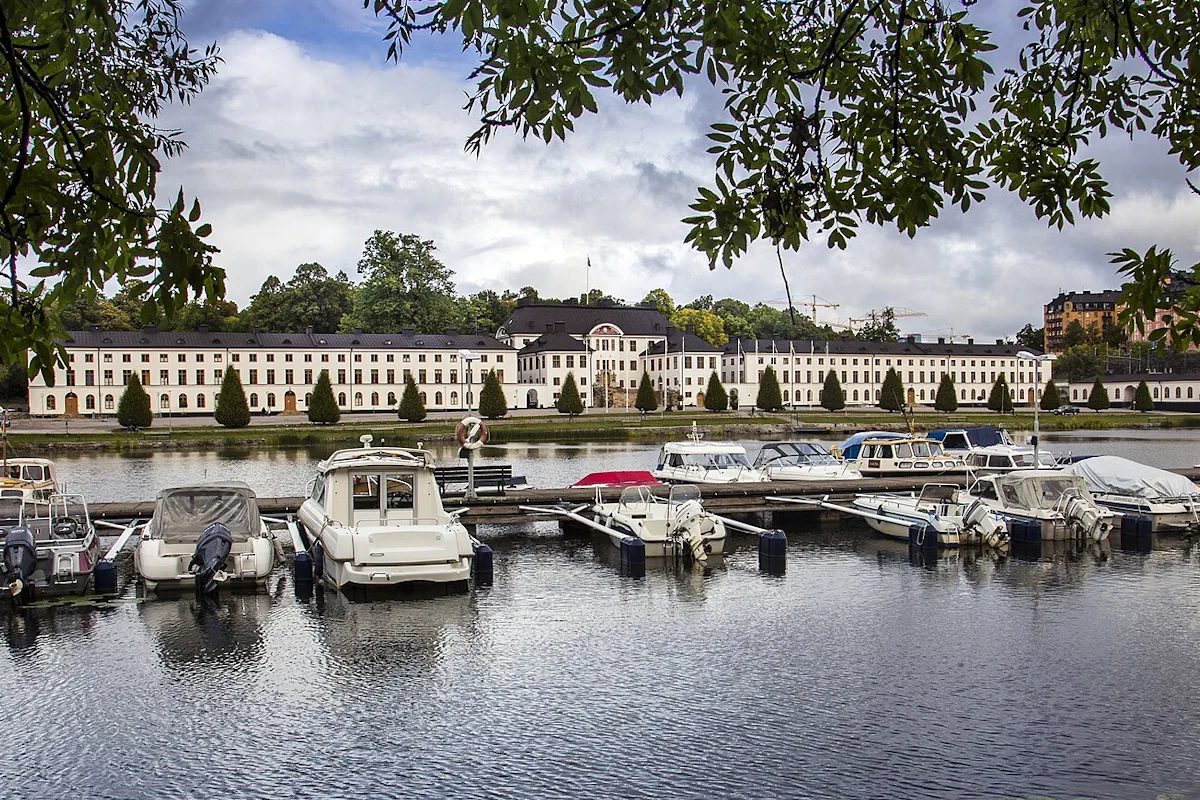
He spent considerable time at Karlberg Palace, which became one of his key residences. Today, Karlberg houses Sweden’s Military Academy — a fitting continuation of the king’s reforms.
His presence is also felt at Drottningholm Palace, where he spent much of his youth under the guidance of his mother, Hedvig Eleonora. The palace’s disciplined court culture shaped the king’s reserved, methodical personality.
In the Royal Armoury, artifacts from his reign — including ceremonial weapons and coronation regalia — reflect the sober grandeur of his monarchy.
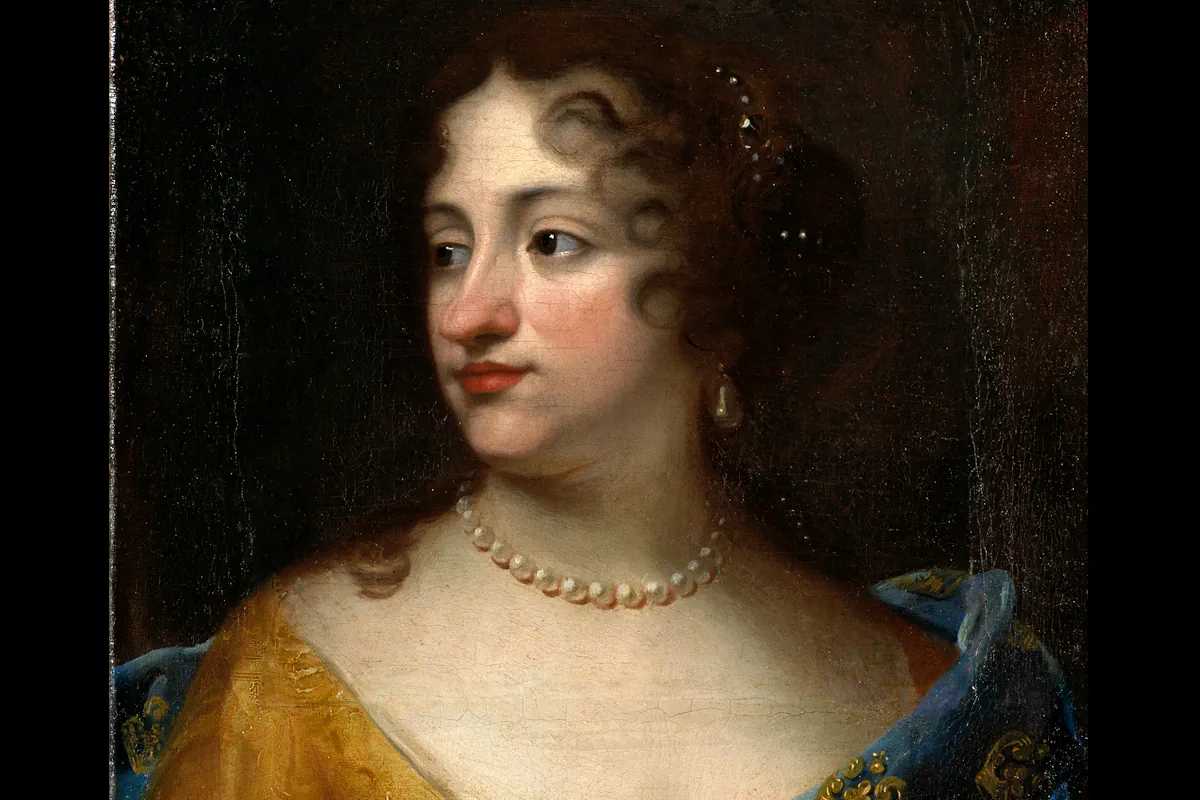
In 1680, Karl XI married Ulrika Eleonora of Denmark, a union intended to ease tensions between Sweden and Denmark. Their marriage brought together two contrasting personalities: Karl XI, disciplined and reserved; Ulrika Eleonora, compassionate and generous.
Together, they embodied two sides of monarchy — power and empathy.
Karl XI is often overshadowed by more dramatic figures in Swedish history, yet his impact was profound. He transformed Sweden from a fragile empire into a disciplined state, reformed its finances, strengthened its army, and centralized its governance.
When his son, Karl XII, inherited the throne, he inherited a kingdom forged in discipline and reform — strength that would soon be tested on the battlefields of Europe.
Karl XI may not have been Sweden’s most theatrical king — but he was one of its most important. Through discipline, reform, and quiet determination, he reshaped the foundations of the Swedish state.
Karl XI
Karl XI