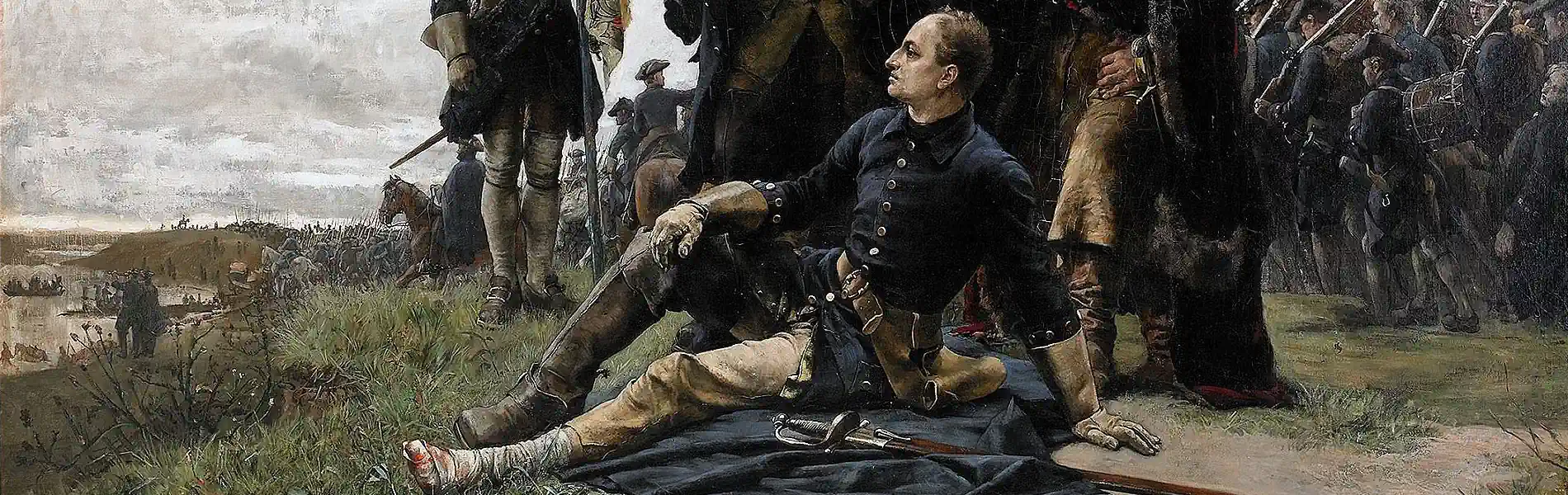
Discover Karl XII of Sweden, the warrior king who led the nation through the Great Northern War—achieving remarkable victories against overwhelming odds before facing devastating defeat. His relentless campaigns, years in exile, and mysterious death marked both the height of Sweden’s military power and the dramatic end of its empire.
👑 Part of our guide to Swedish Kings & Royal History in Stockholm.
In an age of ambition and empire, Karl XII of Sweden (1682–1718) became one of Europe’s most formidable—and enigmatic—warrior kings. Ascending the throne at just fifteen, he inherited a powerful state built by his father, Karl XI, and shaped in spirit by his mother, Ulrika Eleonora.
But where Karl XI strengthened Sweden from within—and Ulrika Eleonora became known for compassion and charity—Karl XII carried its power outward, onto the battlefields of Europe.
His reign would push the Swedish Empire to its greatest extent—and to its ultimate breaking point.
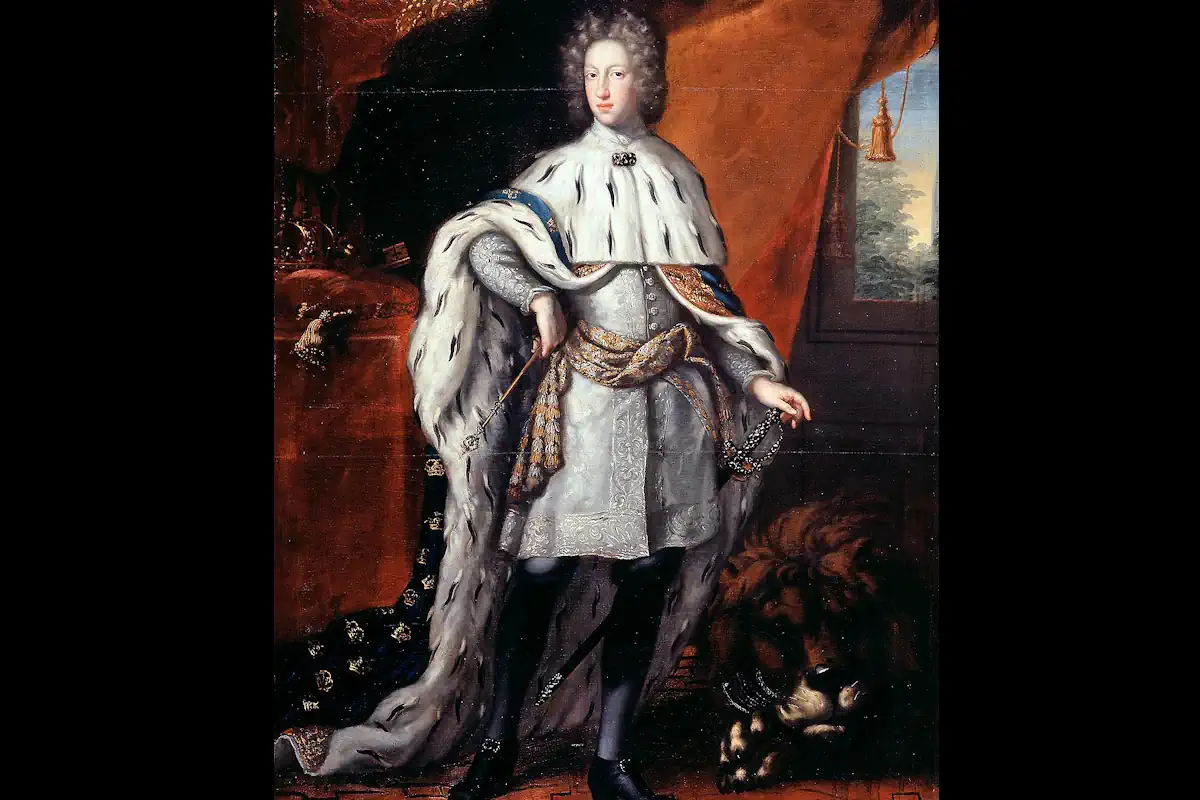
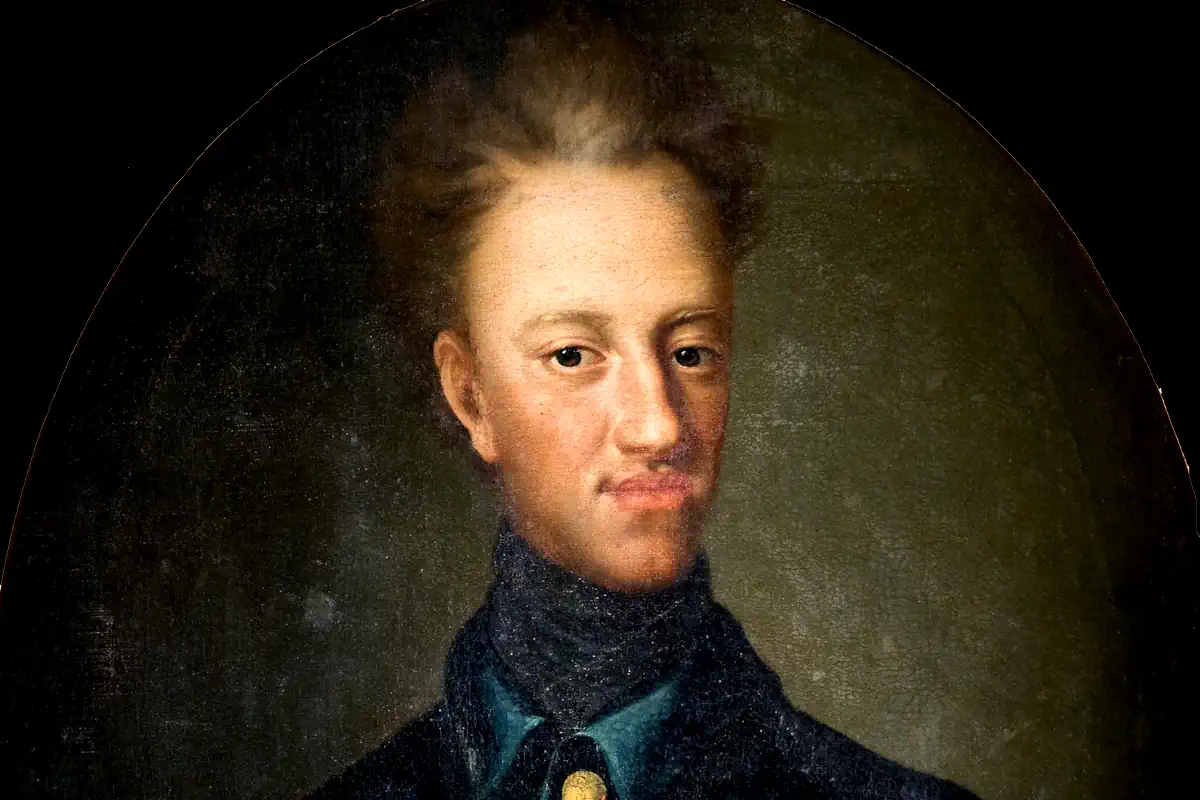
Karl XII became king in 1697, and within three years, Sweden was attacked by a powerful coalition of enemies: Denmark, Saxony-Poland, and Russia.
What followed was the Great Northern War (1700–1721)—a conflict that would define his reign.
Against all odds, the young king responded with boldness. In 1700, he defeated Denmark, and soon after achieved a stunning victory against Russia at the Battle of Narva, where a much smaller Swedish force overcame a vastly larger army.
Karl XII had proven himself a military genius.
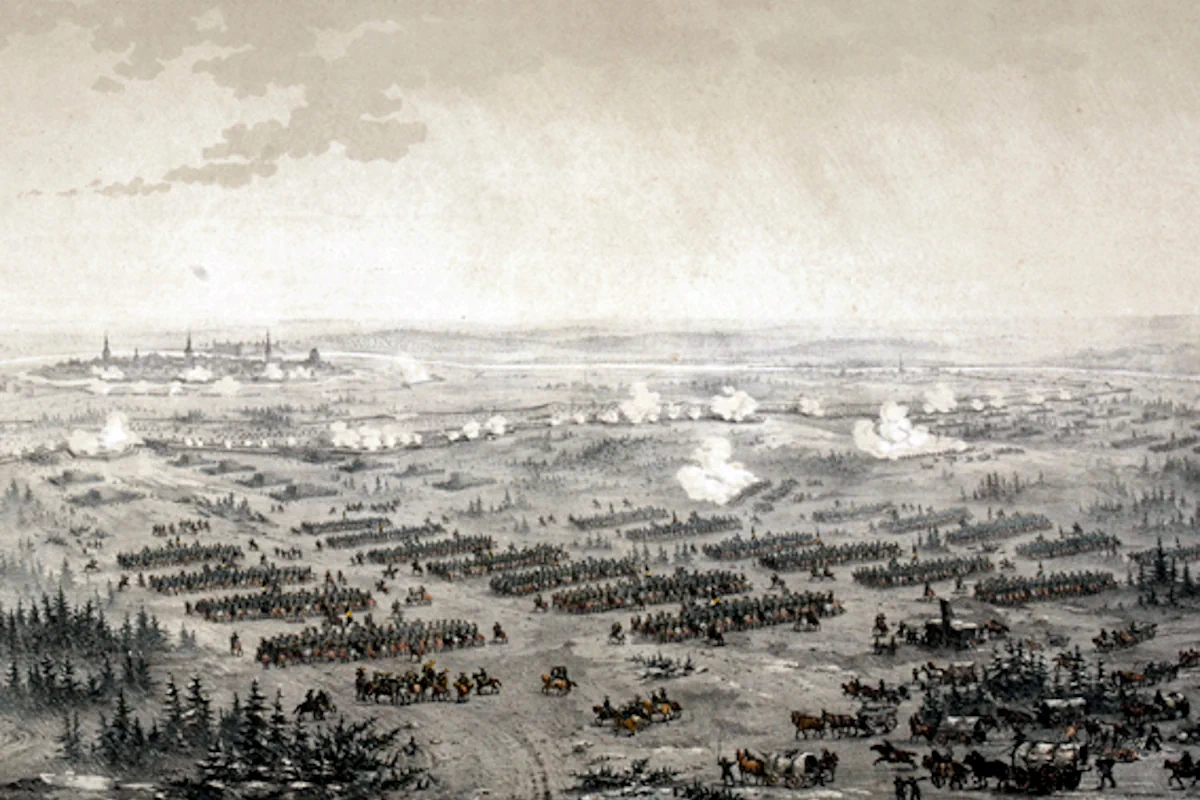
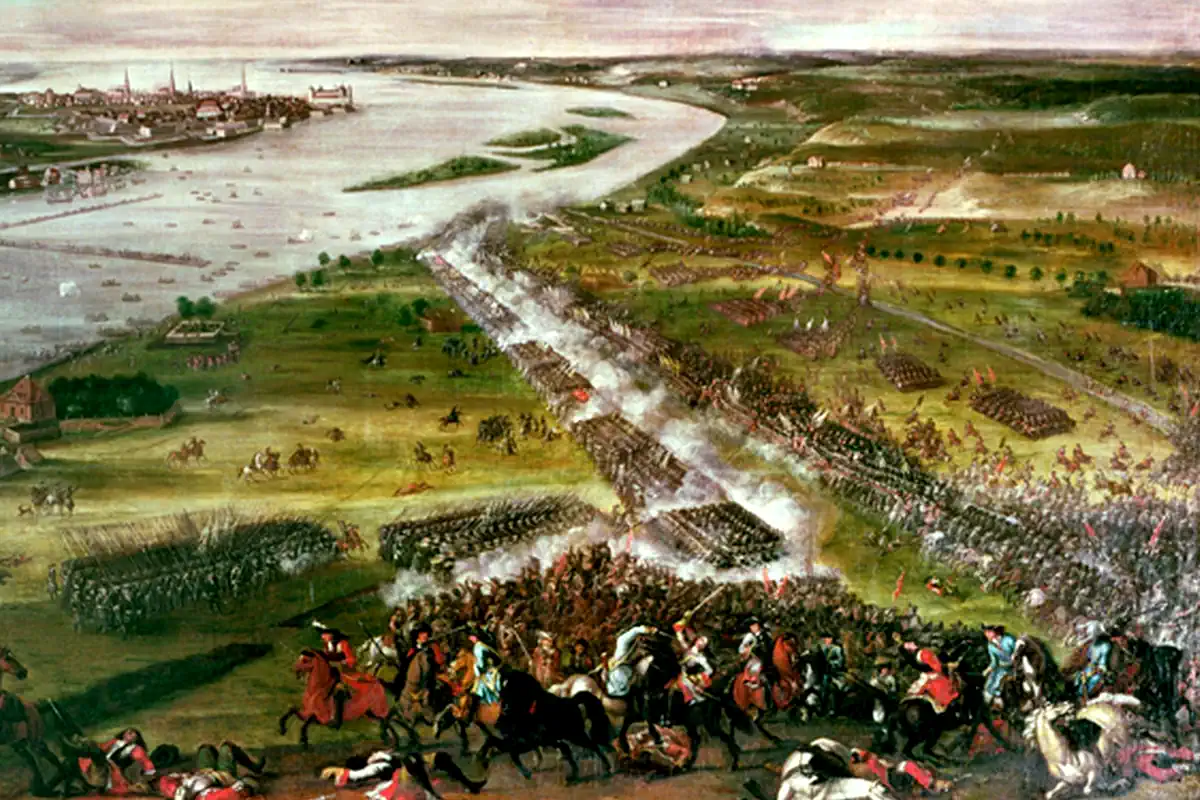
Unlike most monarchs of his time, Karl XII did not rule from a palace—he ruled from the battlefield.
He rejected luxury, lived simply, and shared the hardships of his soldiers. His leadership style earned fierce loyalty, but also meant that Sweden was governed largely in his absence.
For years, he campaigned across Europe, pursuing victory with relentless determination.
Karl XII’s greatest challenge came with his campaign against Russia and Tsar Peter the Great.
In 1708, he marched deep into Russian territory, aiming to strike at the heart of his enemy. But the campaign proved disastrous.
Harsh winters, supply shortages, and strategic resistance weakened the Swedish army. The decisive blow came in 1709 at the Battle of Poltava, where Sweden suffered a crushing defeat.
It marked the beginning of the end.
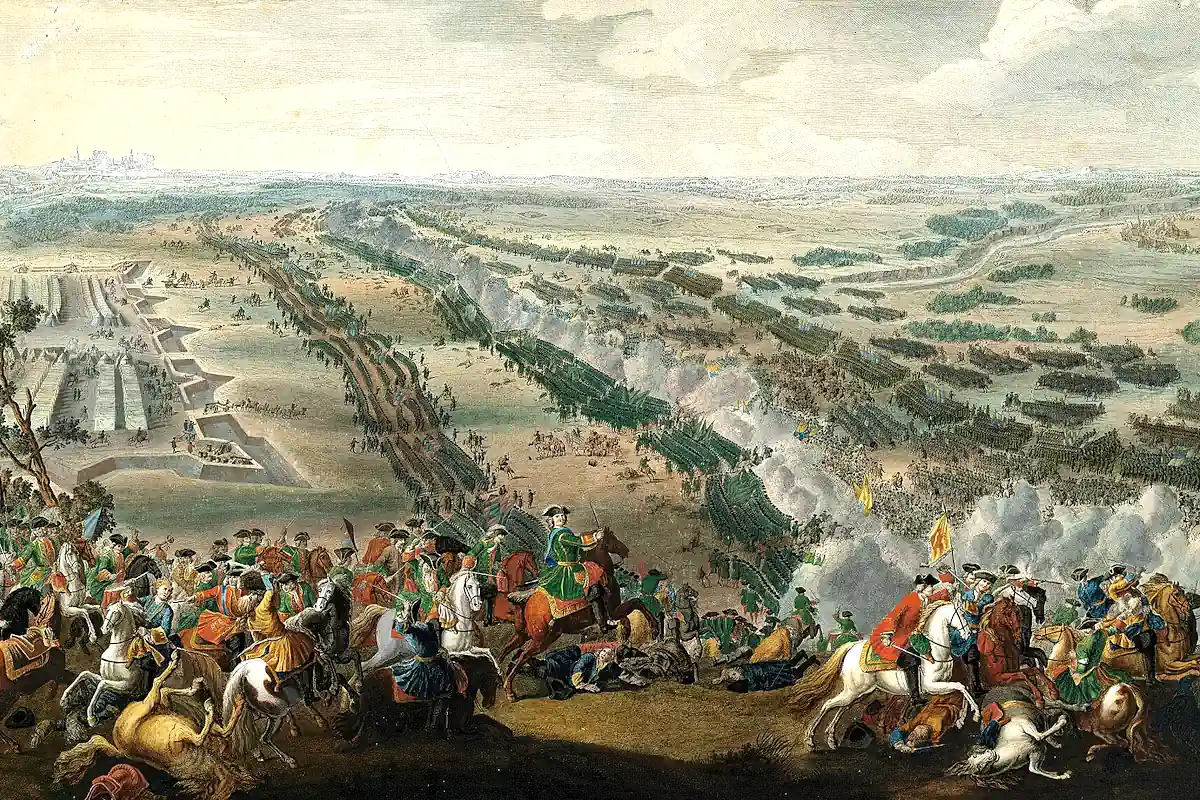
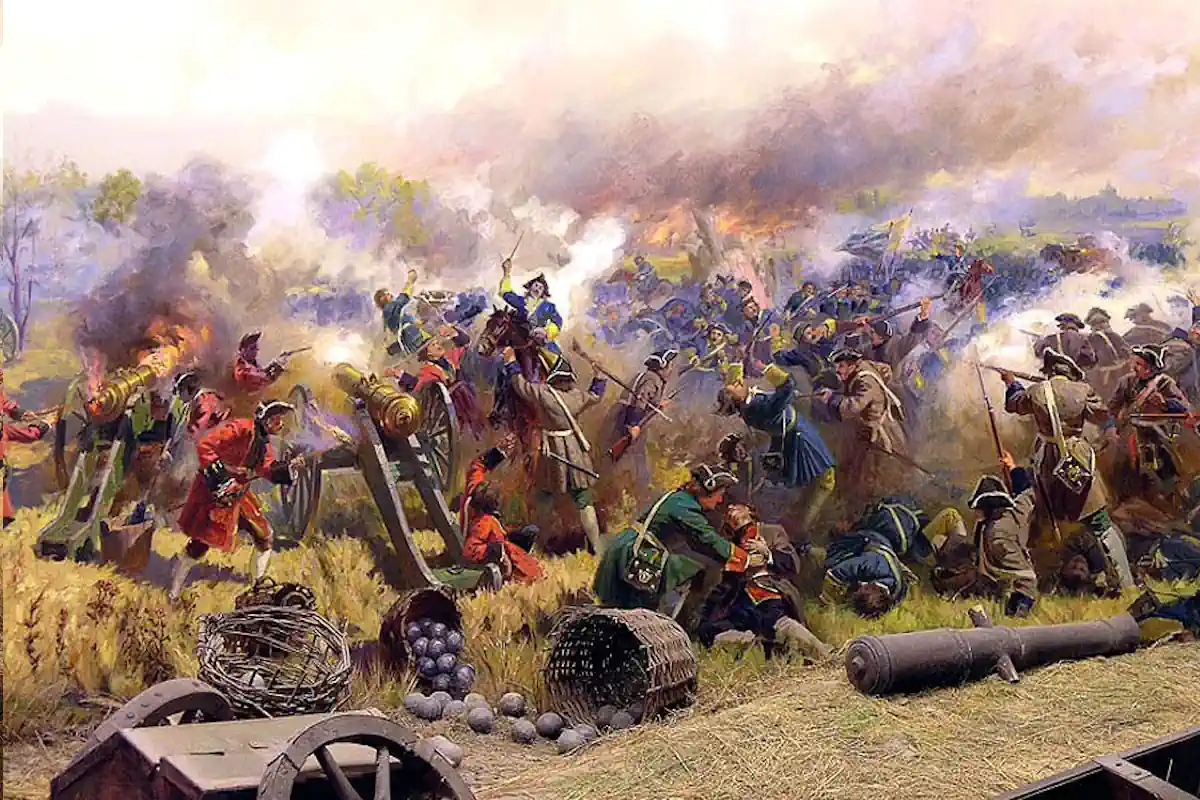
After Poltava, Karl XII fled south to the Ottoman Empire, where he spent several years in exile.
Even there, he remained defiant—continuing to plot his return and Sweden’s resurgence.
When he finally returned to Sweden in 1715, the empire he had left behind was weakened and under pressure from multiple fronts.
Yet Karl XII refused to surrender.
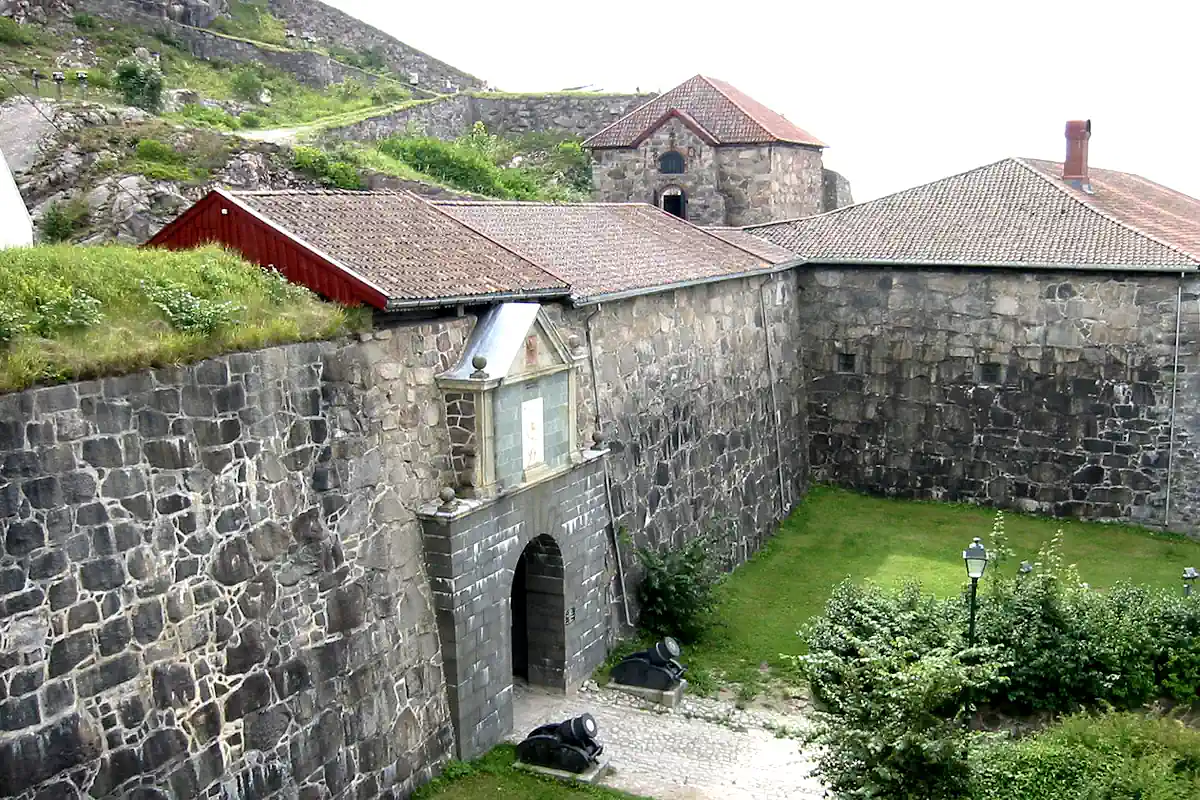
In 1718, Karl XII launched a final campaign against Norway.
During the siege of the fortress of Fredriksten, he was killed—shot under mysterious circumstances while inspecting the trenches.
His death marked the end of an era.
Without its warrior king, Sweden could no longer sustain its position as a great power.
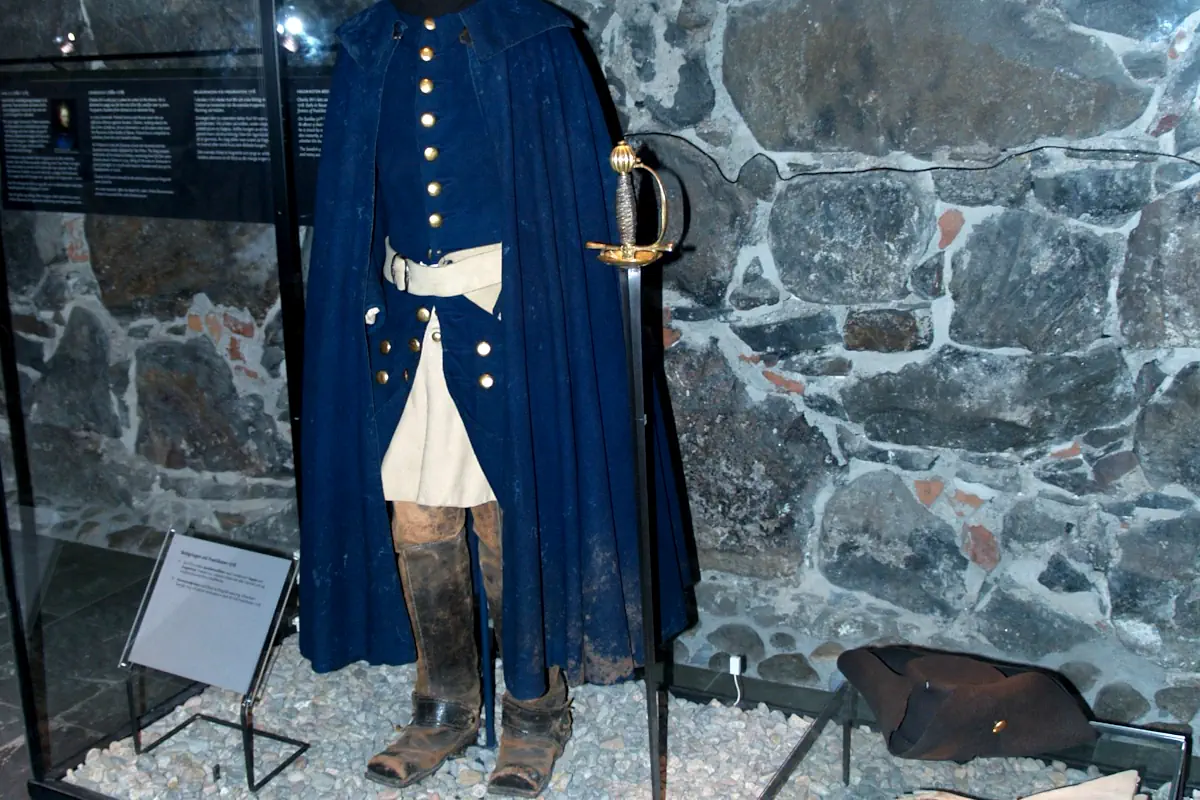
Karl XII spent little time in Stockholm during his reign, yet his absence shaped the city profoundly.
The centralized state built by Karl XI was tested to its limits. After Karl XII’s death, Sweden entered a new political era—the Age of Liberty, where royal power was reduced and parliament gained influence.
Stockholm became not just a royal capital, but a political one.
Karl XII remains one of Sweden’s most fascinating historical figures.
He was a brilliant commander, a fearless leader, and a king who lived entirely for war. Yet his relentless campaigns exhausted the nation he ruled.
Where his father built strength, Karl XII exhausted it.
His reign marked both the height of Sweden’s military power—and the beginning of its decline as a European empire.
Karl XII’s life reads like a saga—of victory, hardship, and ultimate downfall. In pushing Sweden to its limits, he secured his place in history as the king who both defined—and ended—an empire.
Discover how Karl XI’s reforms rebuilt Sweden’s strength—laying the foundation for the empire Karl XII would later lead into war.
Karl XII
Karl XII