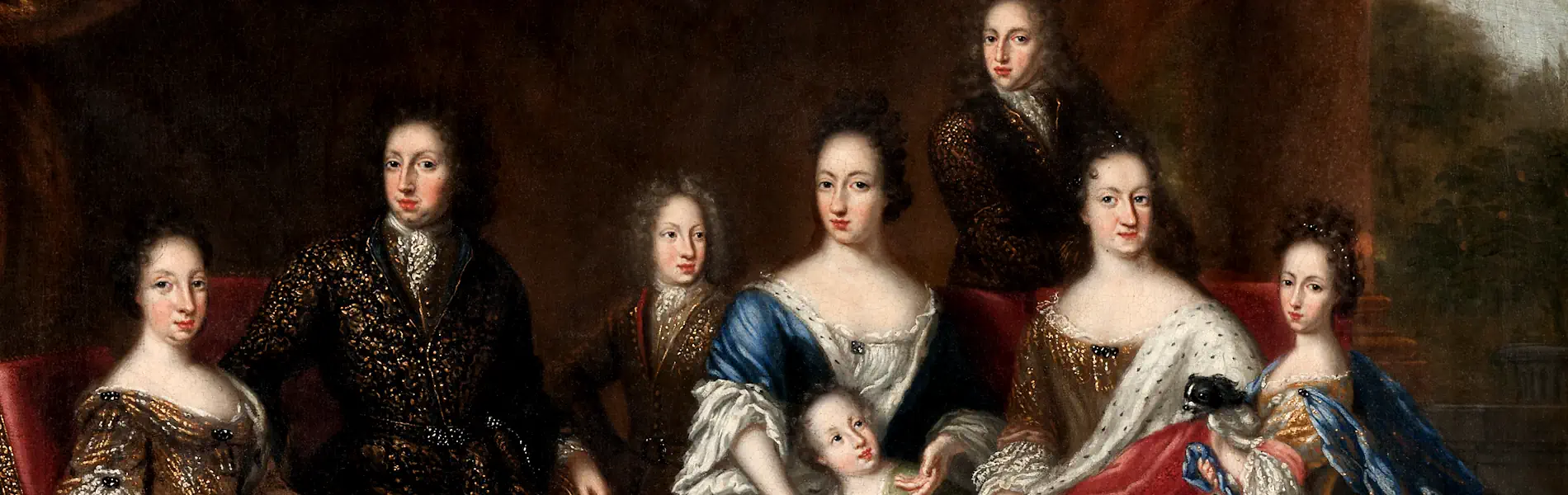
Ulrika Eleonora of Denmark (1656–1693) became Queen of Sweden through a marriage meant to unite two rival kingdoms. Known for her deep compassion and generosity, she devoted her life to helping the poor and easing tensions between nations. Her legacy lives on in Stockholm, particularly in Kungsholmen and at Karlberg, where she spent her final days—alongside a lingering tale of a close friend who was said to have spoken with her shortly after her death.
Ulrika Eleonora of Denmark (1656–1693) lived in an age shaped by war, power, and deep-seated rivalry. A Danish princess who became Queen of Sweden, she entered a court where suspicion between the two kingdoms still lingered. Yet she would be remembered for something far removed from politics.
Where kings built empires and waged wars, Ulrika Eleonora devoted herself to healing — mending divisions, easing hardship, and narrowing the distance between ruler and people.
In a world defined by conflict, she became something rare: a queen remembered not for power, but for compassion.
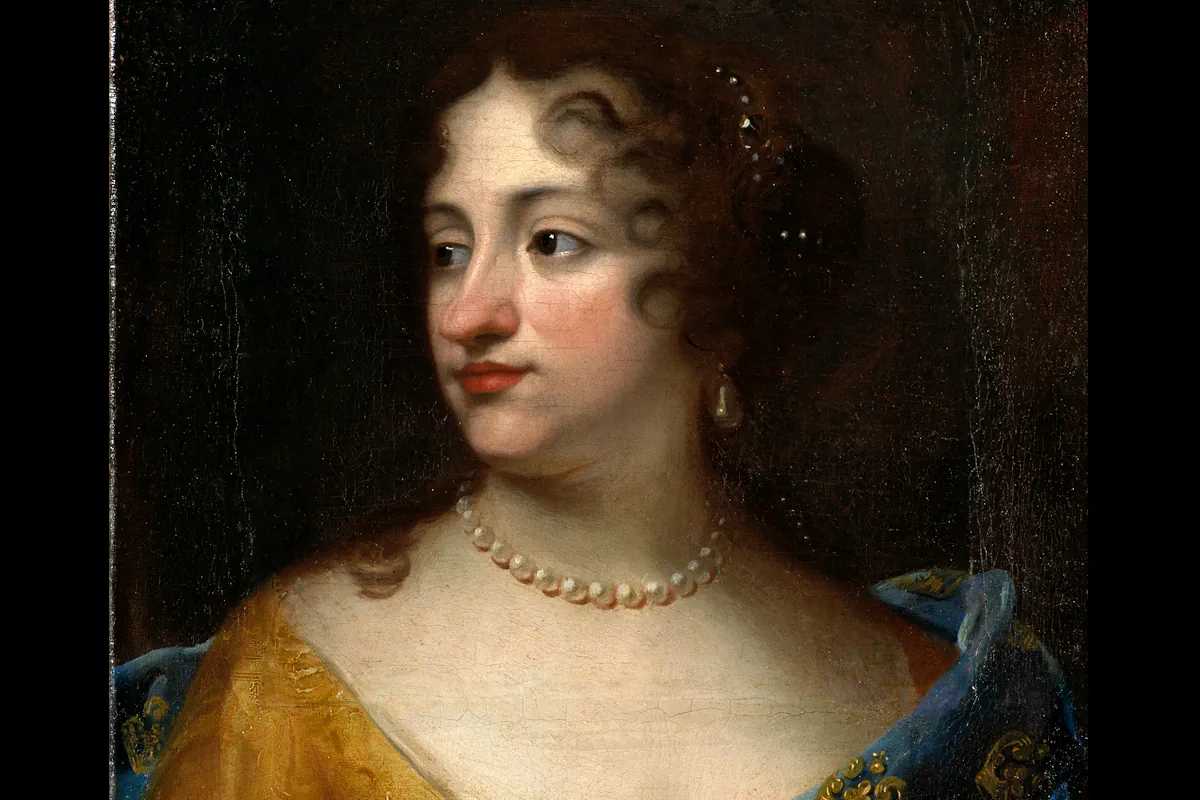
Born into the Danish royal family, Ulrika Eleonora married King Karl XI of Sweden in 1680. The union carried enormous symbolic weight: for generations, Denmark and Sweden had been bitter rivals, and their marriage represented a fragile hope for reconciliation.
Together they would become the parents of Karl XII — a king whose relentless life of war would stand in stark contrast to his mother’s gentler ideals.
When she arrived in Stockholm, the court was still marked by the aftershocks of conflict. Yet instead of reflecting that tension, Ulrika Eleonora became a calming presence — graceful, diplomatic, and quietly empathetic.
She never fully bridged the divide between the two kingdoms, but she embodied something rare: a living link between former enemies.
Ulrika Eleonora’s true legacy lies not in politics, but in kindness.
She was known for her steady, unpretentious generosity — helping the poor, supporting widows and orphans, and even giving away her own possessions to those who needed them more. During times of hardship, she personally intervened to provide relief.
Her generosity was not ceremonial. It was personal.
In a royal world often defined by distance, Ulrika Eleonora became known as a queen who cared—earning genuine affection from the people of Stockholm.
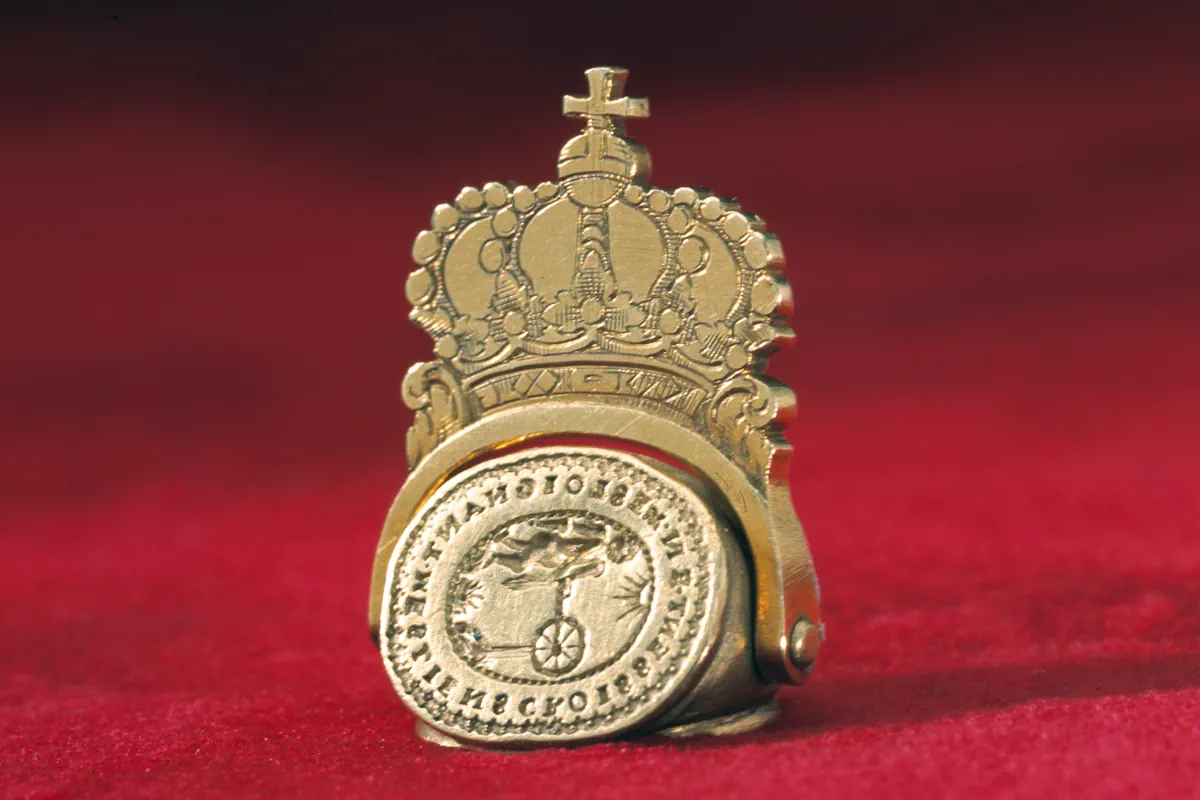
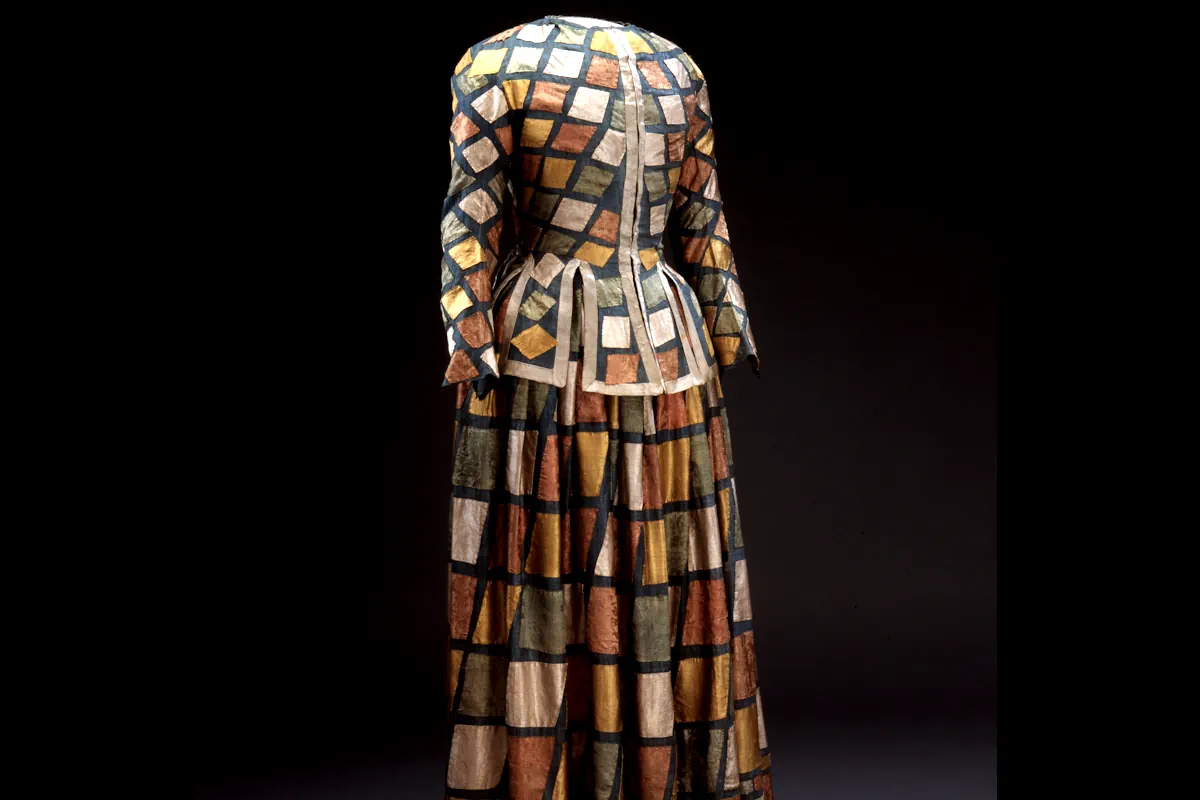
Her marriage to Karl XI came at a time when Sweden and Denmark were emerging from decades of conflict. Though peace had been established, distrust lingered.
Ulrika Eleonora’s role was never formally political, yet her presence carried symbolic weight. As a Danish-born queen in Sweden, she embodied the possibility of unity.
But history is rarely so easily reconciled.
While she softened perceptions and fostered goodwill, the deeper political tensions between the two kingdoms remained unresolved. Still, her life stands as a reminder that diplomacy is not only conducted through treaties—but also through character.
Ulrika Eleonora’s life was tragically short. She died in 1693 at Karlberg Palace, just outside central Stockholm, after several years of declining health.
Her passing marked the loss of a queen deeply loved by the people — one whose influence had been felt not through power, but through presence.
Karlberg, today known for its military academy, holds a quieter, more intimate history: it was here that one of Sweden’s most compassionate queens spent her final days.
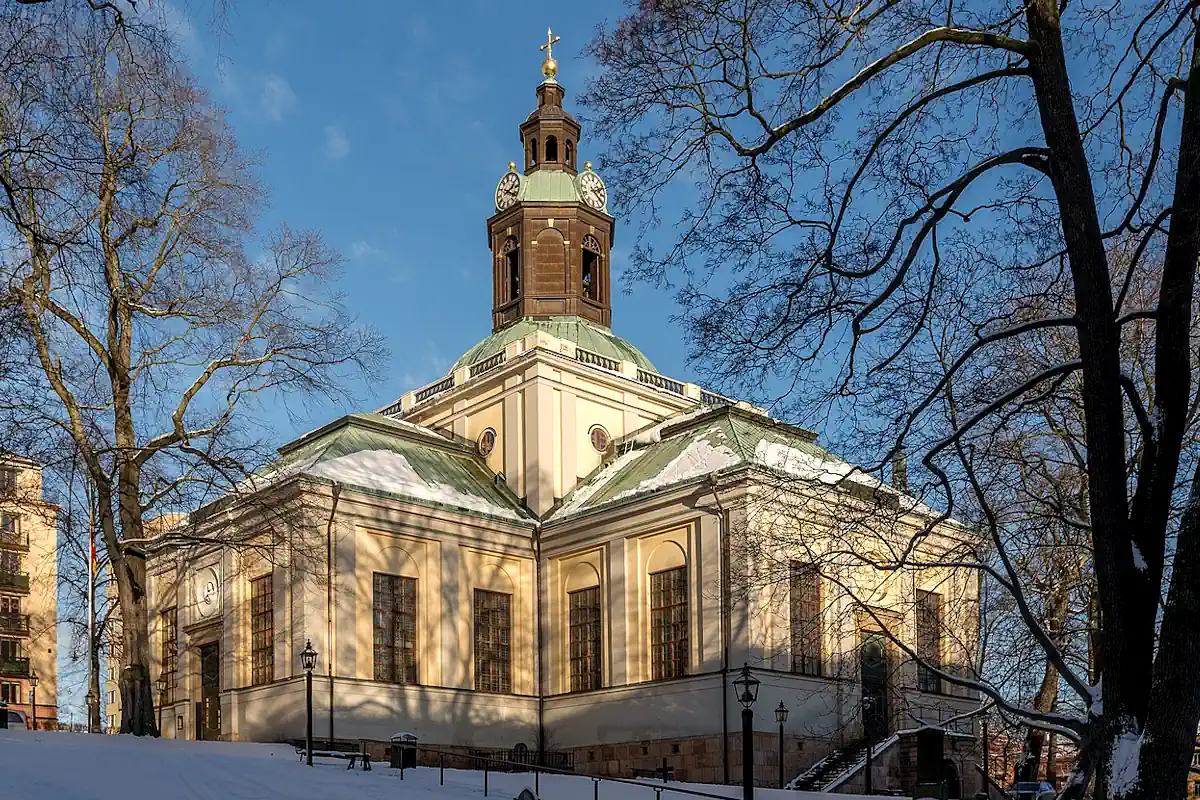
Ulrika Eleonora’s legacy in Stockholm is closely tied to Kungsholmen Church, where her memory has been quietly preserved through the centuries.
During her lifetime, Kungsholmen was still taking shape — a growing district on the edge of the capital — yet her connection to the area reflects the subtle influence she had beyond the royal court.
Today, the church stands not only as a place of worship, but as a reminder of a queen remembered for her humanity and the gentleness she brought to an age of conflict.

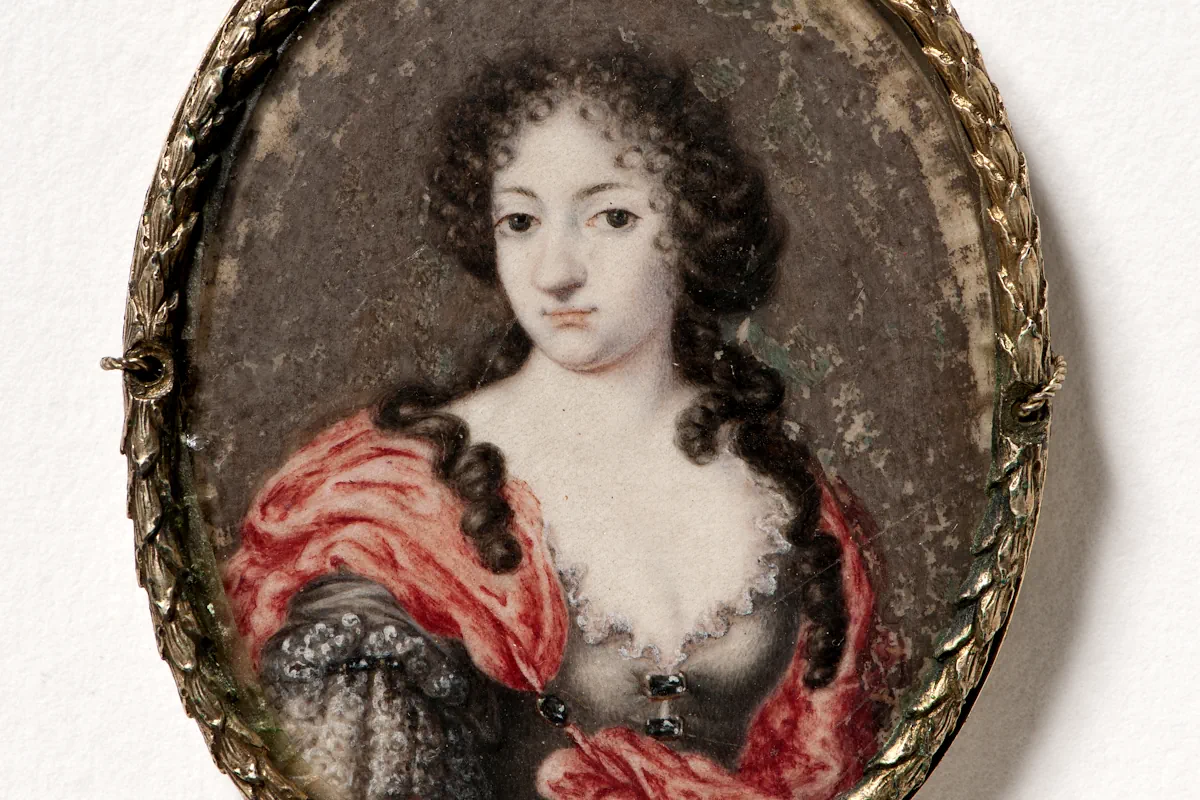
Ulrika Eleonora is often overshadowed by the more forceful or dramatic figures of Swedish history. Yet her legacy endures in a different register. She represents a form of leadership grounded not in authority, but in empathy — a quiet strength that shaped the lives of those around her.
In an age defined by hierarchy and political struggle, she chose generosity. In a world marked by conflict, she became a symbol of connection — between nations, and between people.
Ulrika Eleonora may not have shaped history through war or decree — but through compassion, she reshaped how a queen could be remembered. Her gentleness would stand in quiet contrast to the age her son would inherit. In a world defined by rivalry and power, she became something rare: a queen remembered not for authority, but for the humanity she brought to her age.
Explore how Gustav III’s cultural reforms transformed Sweden’s artistic landscape, complementing Ulrika Eleonora’s legacy of compassion and peace.
Ulrika Eleonora of Denmark
Ulrika Eleonora av Danmark