


 Photo: Mike Peel (www.mikepeel.net) (CC BY-SA 4.0)
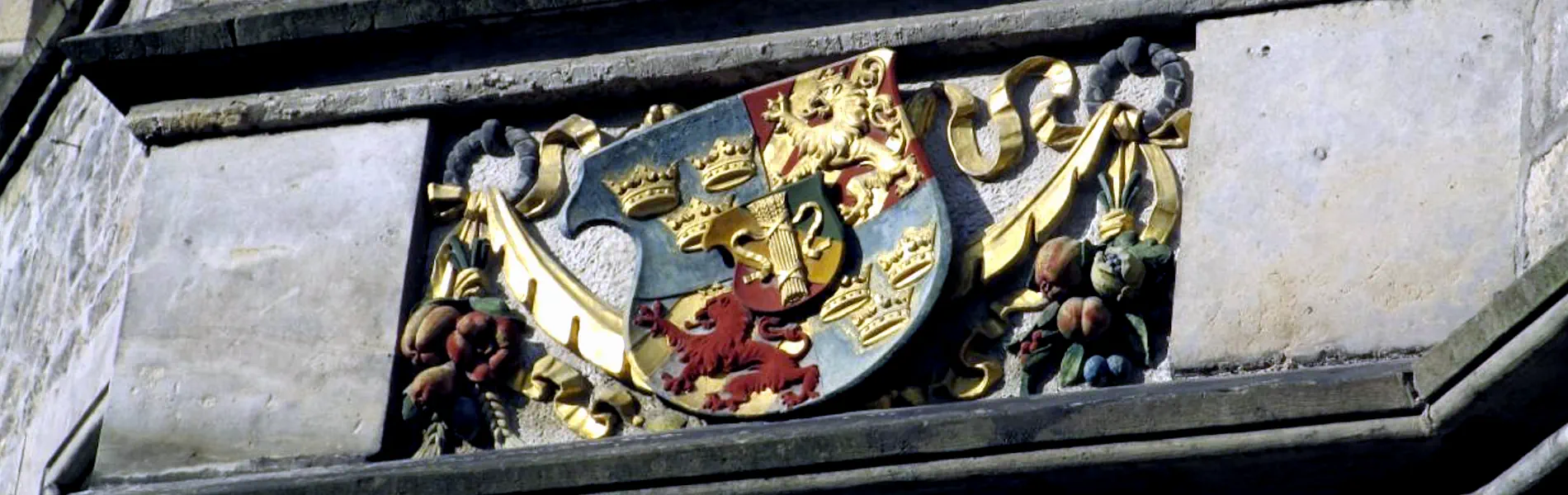
The Swedish Empire was once one of Europe’s most powerful states, dominating the Baltic region during the 17th century. From Gustavus Adolphus and the Thirty Years’ War to Karl XII and the Great Northern War, this guide explores how Sweden rose to power—and how it fell. Discover the key rulers, defining conflicts, and the historic places in Stockholm where this story still lives on, from the Royal Armoury to Vaxholm Fortress.
Stockholm is not only Sweden’s capital—it was once the command center of a European empire.
The Swedish Empire was one of Europe’s great powers—shaped by war, strategy, and royal ambition.
During the 17th and early 18th centuries, Sweden rose from a regional kingdom to one of the most powerful states in Europe. Its armies marched across the continent, its influence stretched around the Baltic Sea, and its rulers reshaped the balance of power in Northern Europe.
Today, traces of that era remain visible across Stockholm—in palaces, museums, and fortifications that still tell the story of ambition, conflict, and transformation.
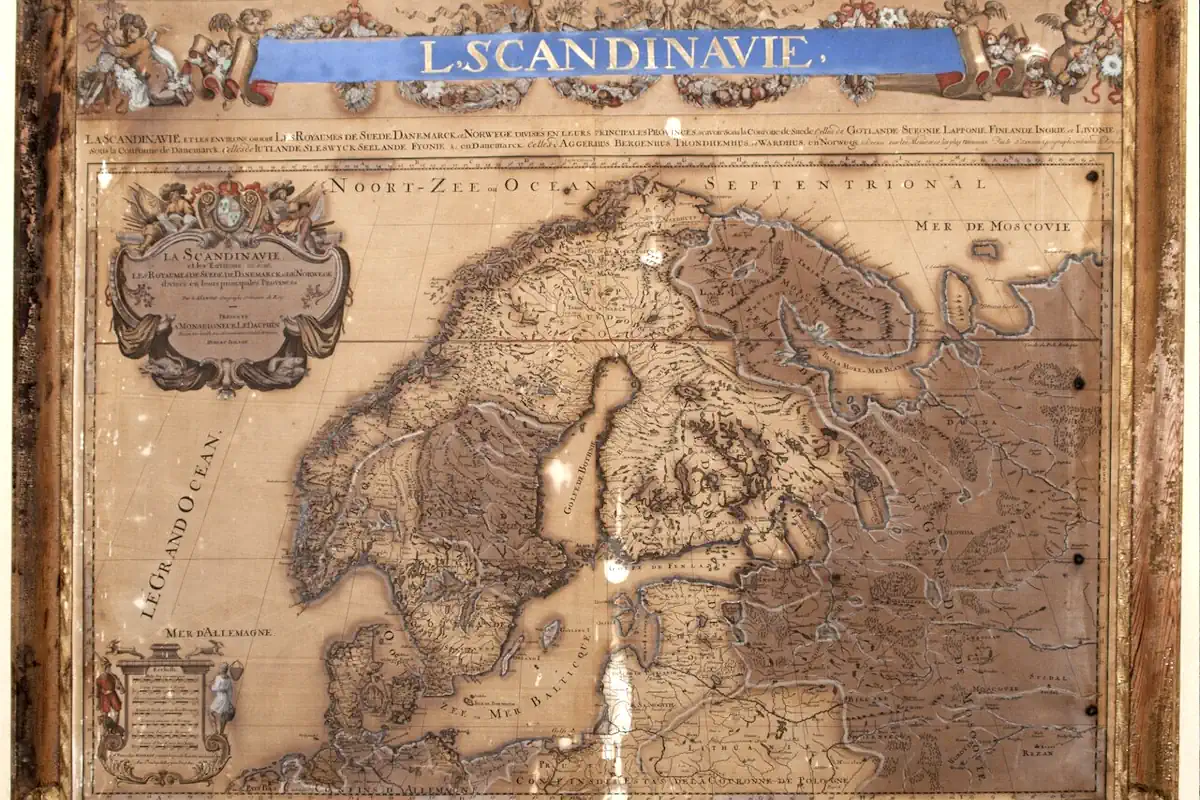

Sweden’s transformation into a great power began in the early 1600s. Strategic reforms, a strong central government, and an efficient military system allowed the kingdom to expand rapidly.
At the heart of this rise stood Gustavus Adolphus, often called the “Lion of the North.” His military innovations—mobile artillery, disciplined infantry, and coordinated tactics—redefined warfare in Europe.
Sweden soon controlled vast territories around the Baltic Sea, including parts of modern-day Finland, Estonia, Latvia, and northern Germany.
Stockholm became the administrative and political center of this expanding empire—where decisions made in royal chambers shaped events across Europe.
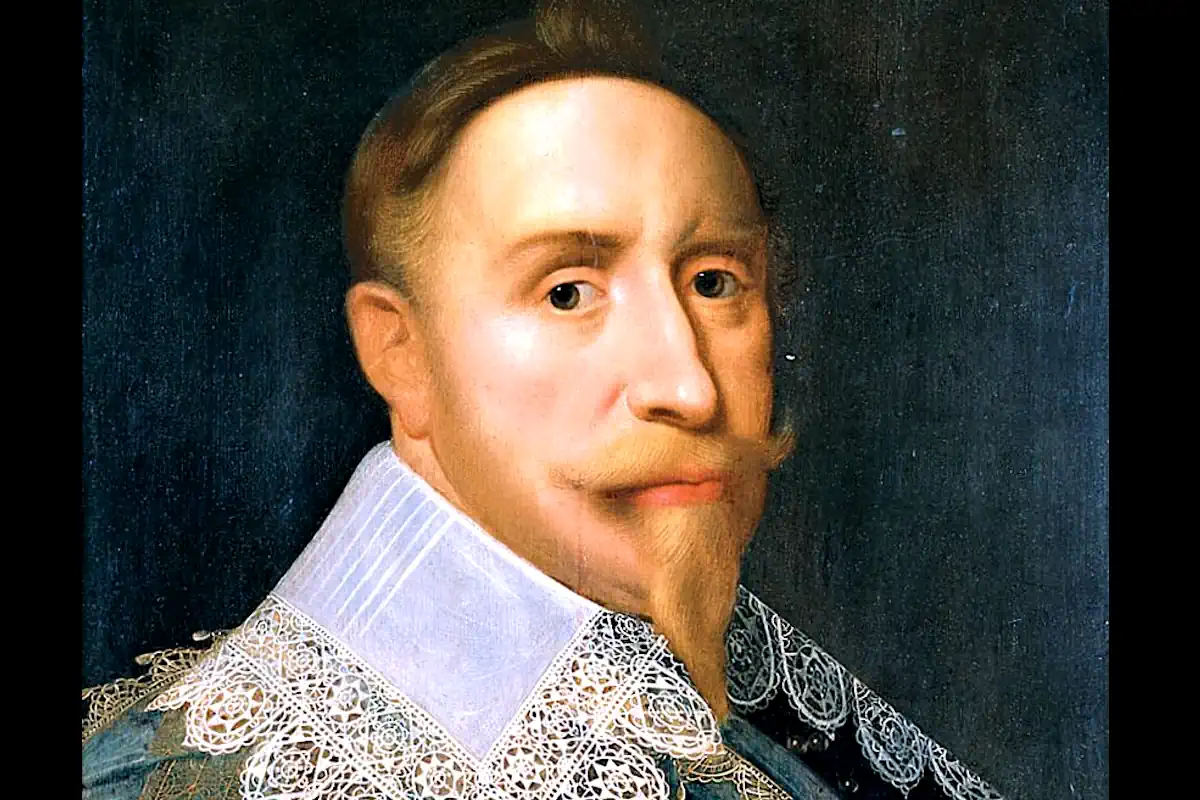
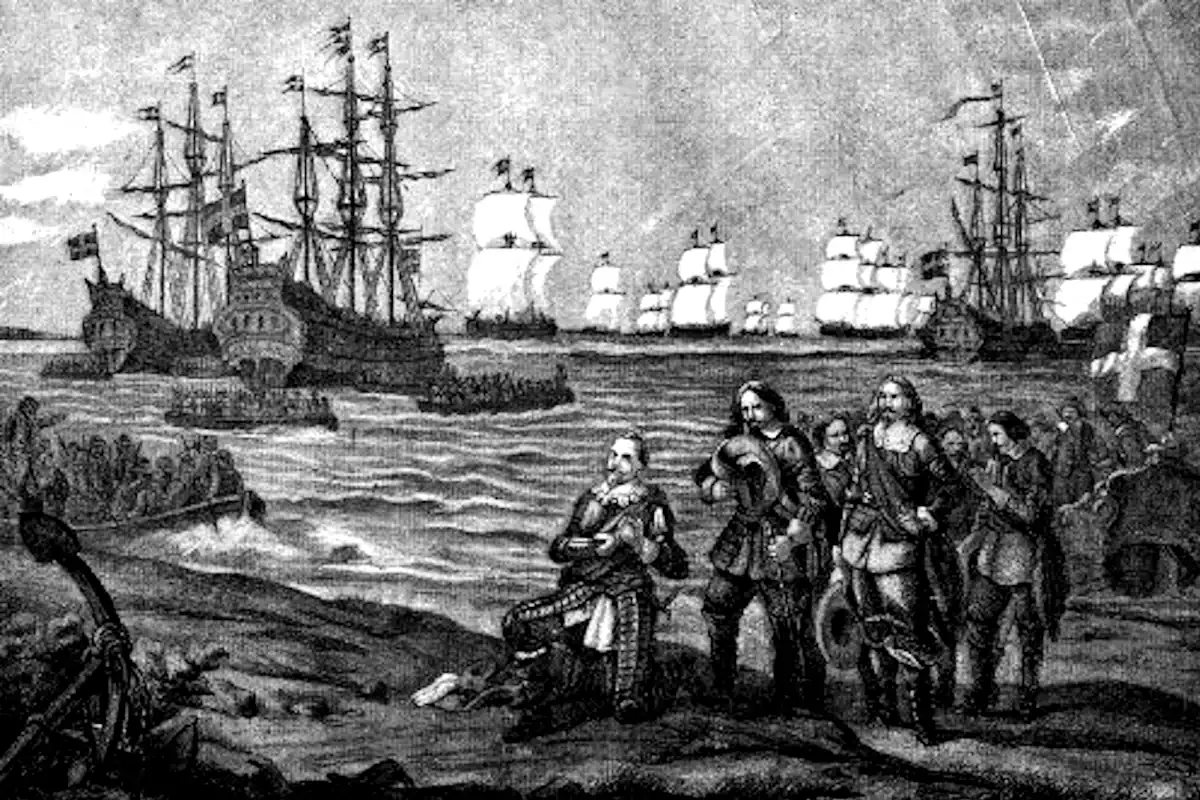
The Thirty Years’ War (1618–1648) marked Sweden’s emergence as a major European power.
Entering the conflict in 1630, Sweden played a decisive role in shifting the balance of power. Victories on the battlefield elevated the country’s status and secured key territories.
This period established Sweden not only as a military force—but as a political actor in European diplomacy.
The Swedish Empire was defined by rulers who combined political authority with military leadership.
Under these kings, Sweden maintained its position as a dominant force—but at a growing cost.
Relentless warfare strained resources, and the empire’s survival increasingly depended on military success.
The Great Northern War (1700–1721) marked the dramatic turning point.
Facing a coalition of powerful enemies, Sweden struggled to maintain control of its territories. The long and exhausting conflict ultimately led to defeat.
With the war’s end, Sweden lost its position as a great power. Its empire fragmented, and a new political era began.
The fall was not sudden—but it was decisive.
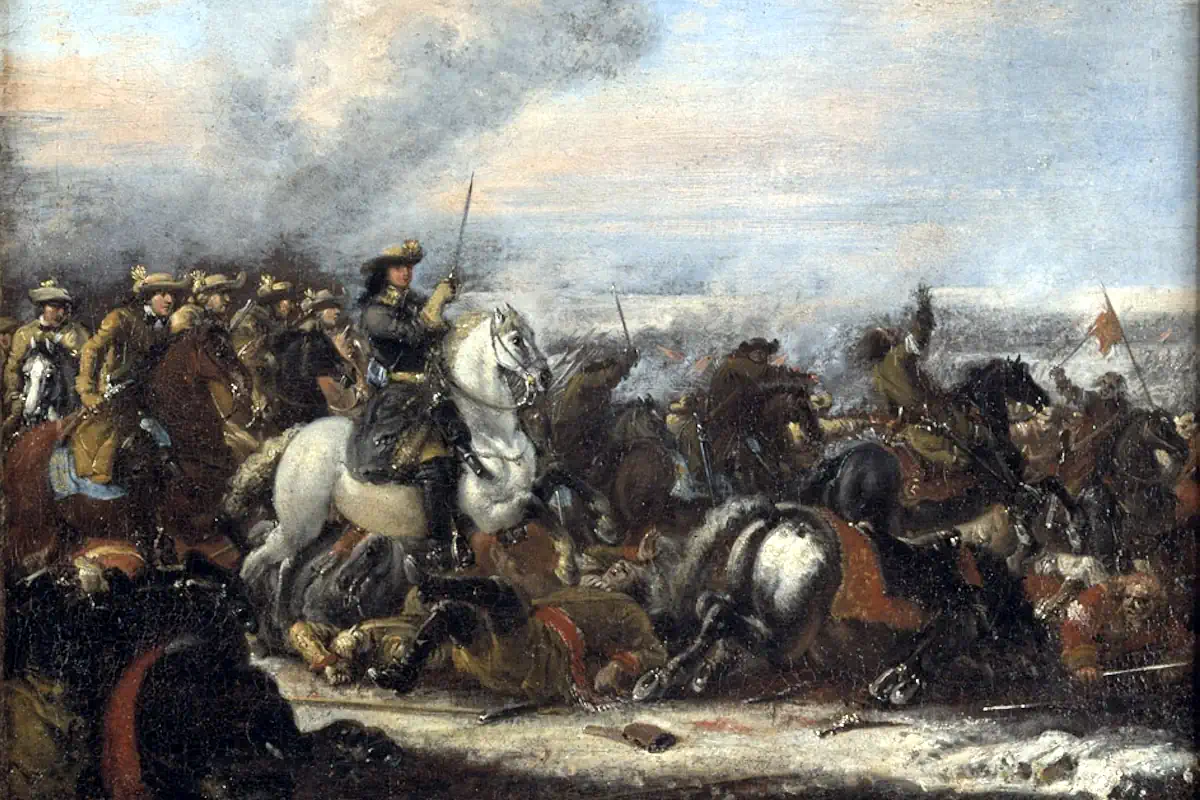
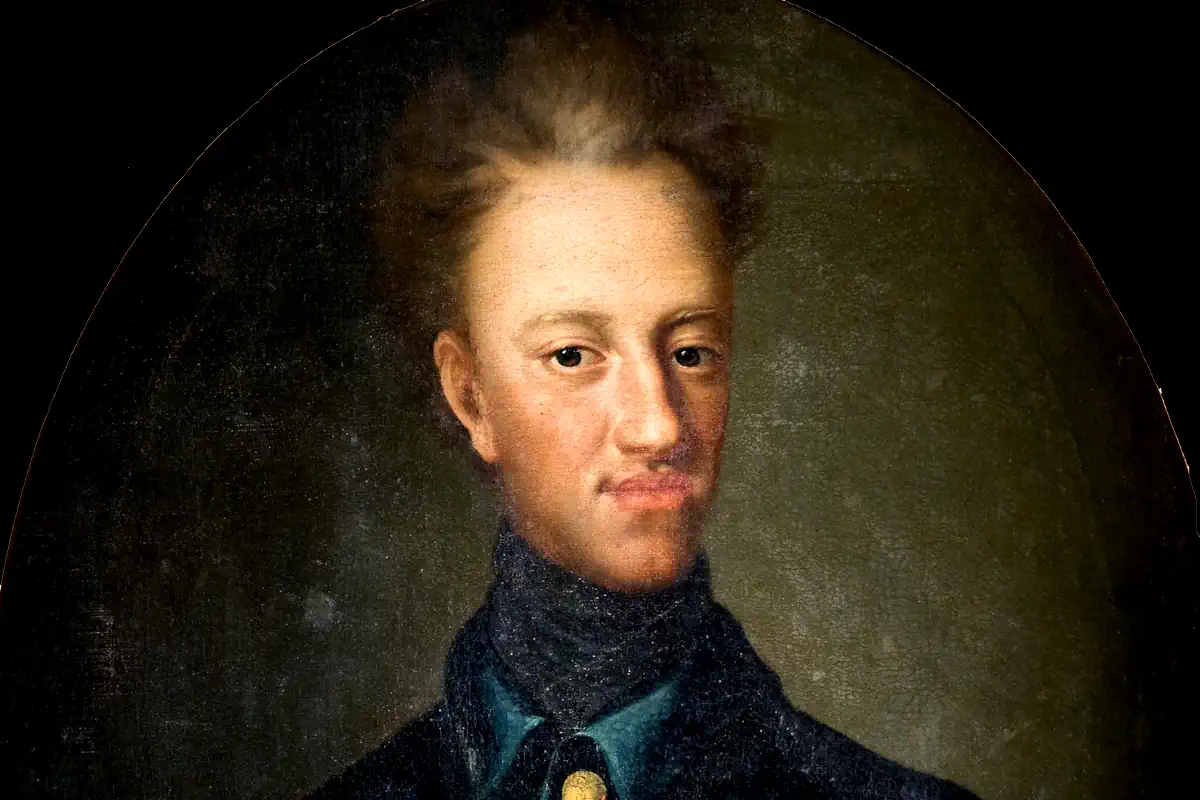
Even today, Stockholm reflects its imperial past through institutions and historic sites.
These places offer a tangible connection to the era when Stockholm directed campaigns that shaped European history.
The end of the empire did not mark the end of Sweden’s story—it marked a transformation.
After years of war and political upheaval, Sweden gradually shifted toward stability, reform, and constitutional governance.
This transition culminated in the 1809 Constitution, which limited royal power and laid the foundation for modern democracy.
The legacy of the empire lived on—not in territorial control, but in institutions, governance, and national identity.
Understanding this period helps explain a unique contrast:
👉 a country once defined by military power
👉 that later became known for neutrality, diplomacy, and stability
Few nations have undergone such a transformation.
In Stockholm, the story of the Swedish Empire is not confined to museums or textbooks.
It is embedded in the city itself—in royal institutions, historic buildings, and cultural landmarks that continue to reflect centuries of change.
From the rise of warrior kings to the emergence of a modern nation, the Swedish Empire remains a defining chapter in the story of Sweden.
👉 Walk through Stockholm, and you are walking through the legacy of an empire.