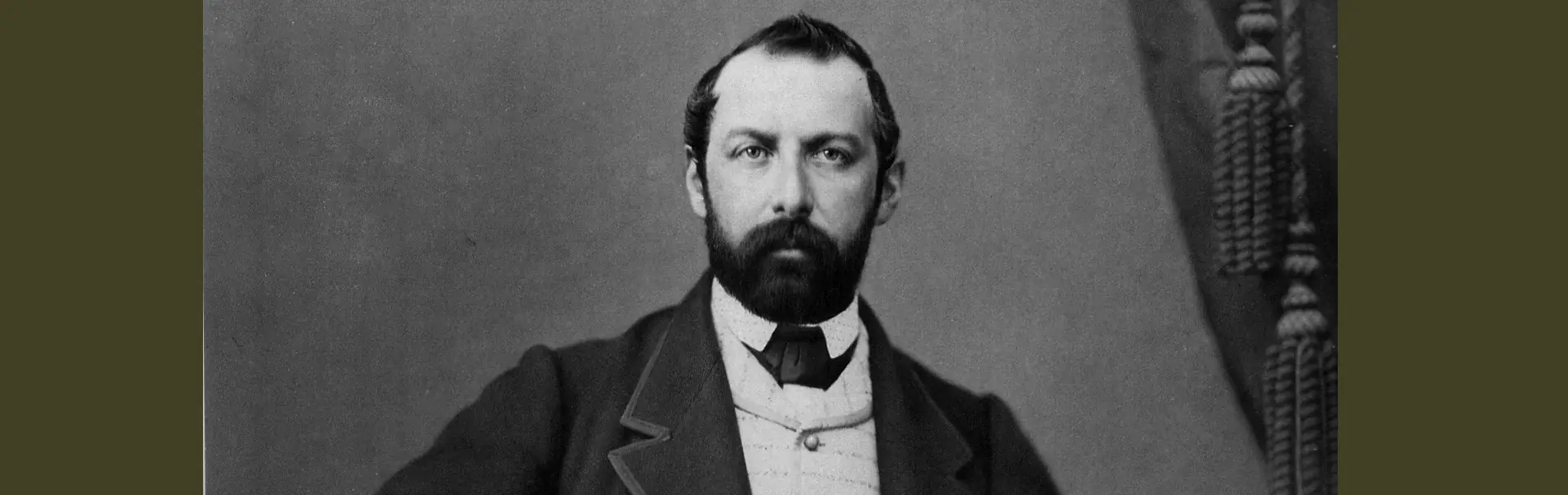
Karl XV (1826–1872), son of Oscar I, reigned as King of Sweden and Norway from 1859 to 1872. Known for his charisma, artistic talent, and deep connection to the public, he presided over a period of cultural vitality and political reform, including the landmark parliamentary reform of 1866. As the link between the reform era of Oscar I and the diplomatic modernity of Oscar II, Karl XV played a defining role in shaping Sweden’s emerging national identity.
👑 Part of our guide to Swedish Kings & Royal History in Stockholm.
Karl XV (1826–1872), son of Oscar I and Queen Josefina, was one of the most colourful and charismatic monarchs of the Bernadotte dynasty. Known for his sharp wit, artistic interests, and deep connection to the Swedish people, he reigned as King of Sweden and Norway from 1859 until his death in 1872.
As the grandson of Karl XIV Johan, he inherited a monarchy shaped by reform, diplomacy, and the evolving identity of the Bernadotte dynasty. His era marked a period of cultural vitality, political reform, and growing national identity — a bridge between the reform‑minded reign of his father and the diplomatic, modernising rule of his brother Oscar II.
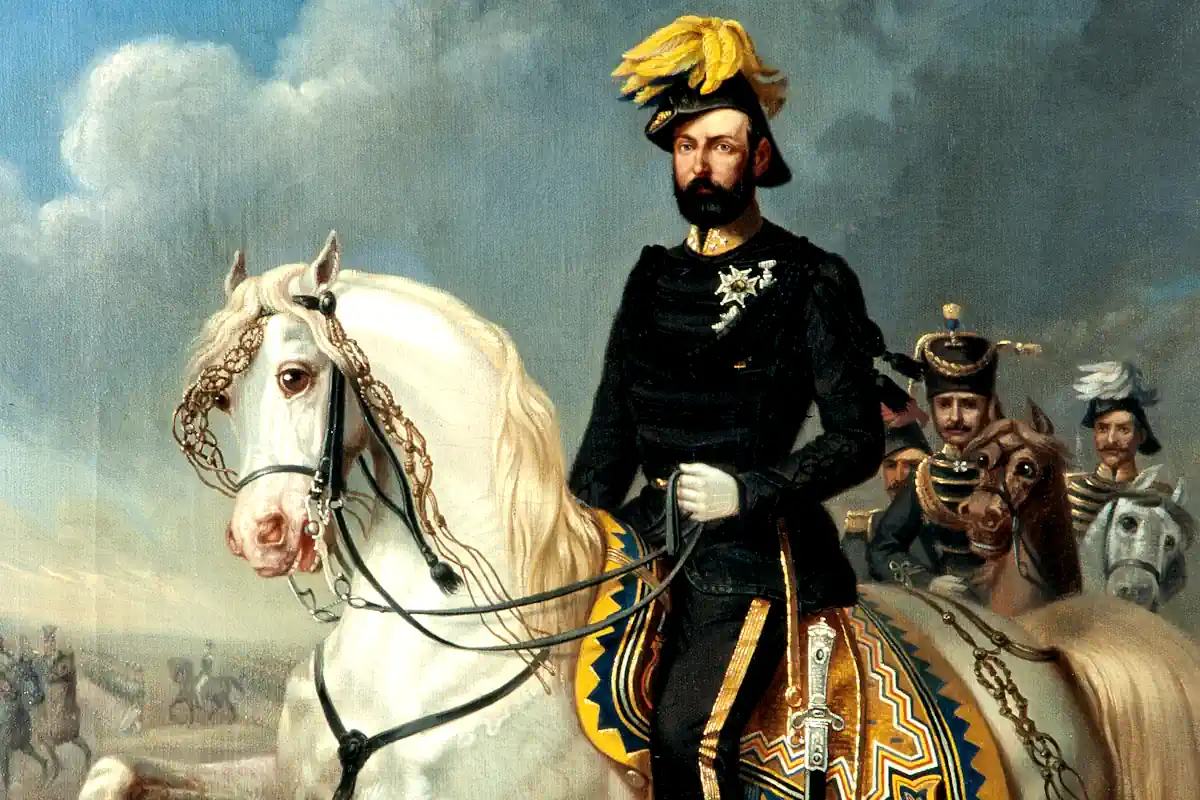
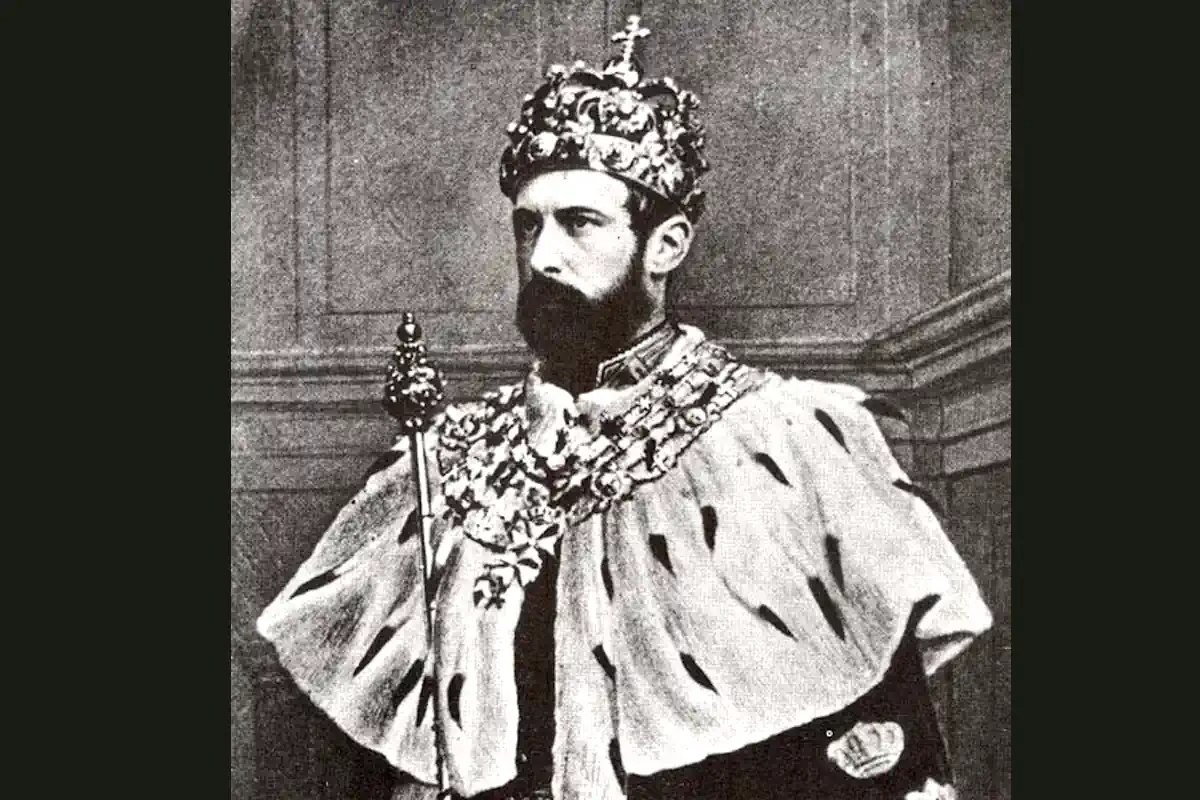
Born at the Royal Palace in Stockholm, Karl grew up in a court shaped by the cultural refinement of his mother and the reformist ambitions of Oscar I. He received a broad education in law, languages, and military science, and quickly developed a reputation for charm, humour, and a keen interest in the arts.
During his youth, Karl XV also trained at Karlberg Palace, continuing the military education tradition of the Bernadotte princes.
As Crown Prince, he took on ceremonial duties early, representing the monarchy at public events and cultivating a rapport with the Swedish people that would define his reign.
Karl ascended the throne in 1859 following the death of his father. His coronation ceremonies in Stockholm and Trondheim reflected his dual role as King of Sweden and Norway, and his reign began with high expectations for continued reform and cultural renewal.
Though not always a meticulous administrator, Karl XV possessed a natural ability to inspire loyalty and affection — qualities that made him one of the most beloved monarchs of the 19th century.
Karl XV’s reign coincided with significant political change. He supported the landmark parliamentary reform of 1866, which replaced the old Riksdag of the Estates with a modern bicameral legislature. This shift marked a decisive step toward the democratic structures that would later define Swedish governance.
Karl XV was deeply involved in the cultural life of his era. He supported artists, writers, and architects, and his own paintings and poems reveal a monarch who saw creativity as an essential part of national identity.
His interest in folklore, history, and Scandinavian unity also aligned him with the growing Scandinavist movement, which sought closer cultural and political ties between the Nordic countries.
Married to Queen Louise of the Netherlands, Karl XV maintained a complex personal life that sometimes drew public attention. Yet his openness, humour, and generosity made him widely admired.
He frequently participated in cultural and ceremonial life at Drottningholm Palace, where his interest in the arts found a natural stage. Also, he was known for riding through Stockholm on horseback, greeting citizens directly — a practice that strengthened his image as a king close to the people.
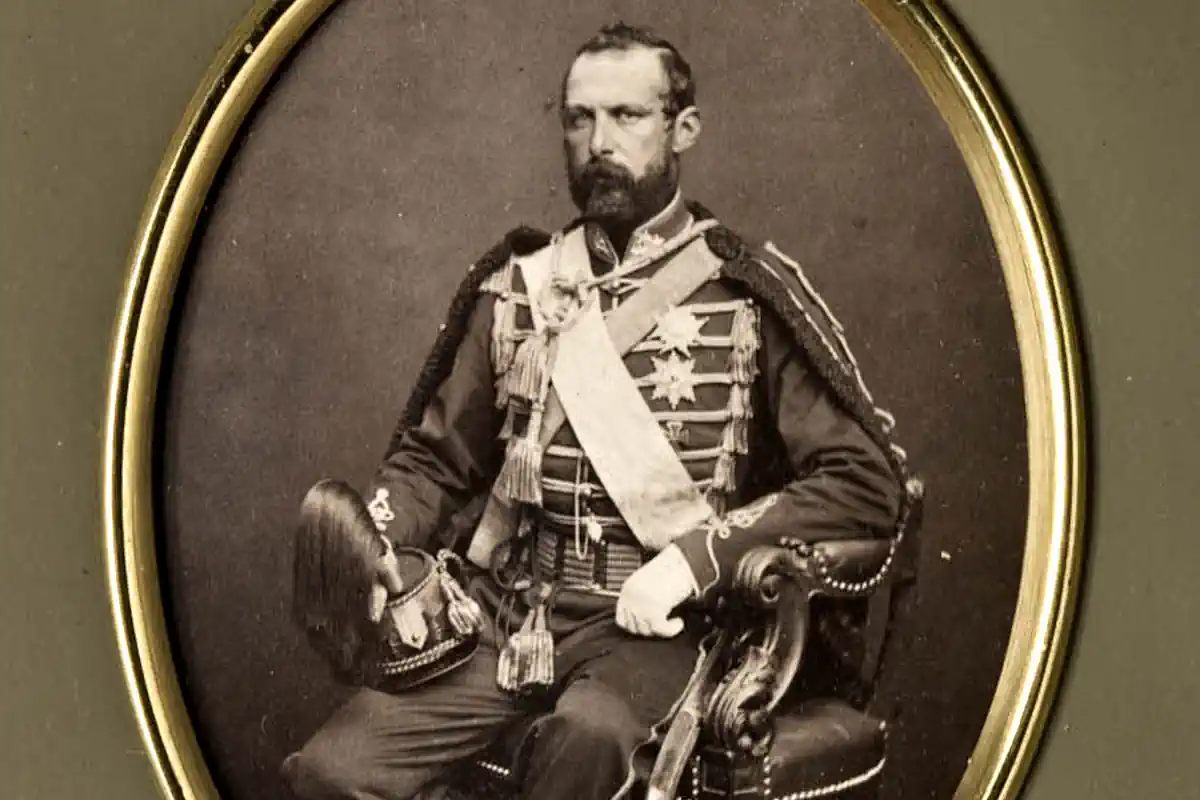
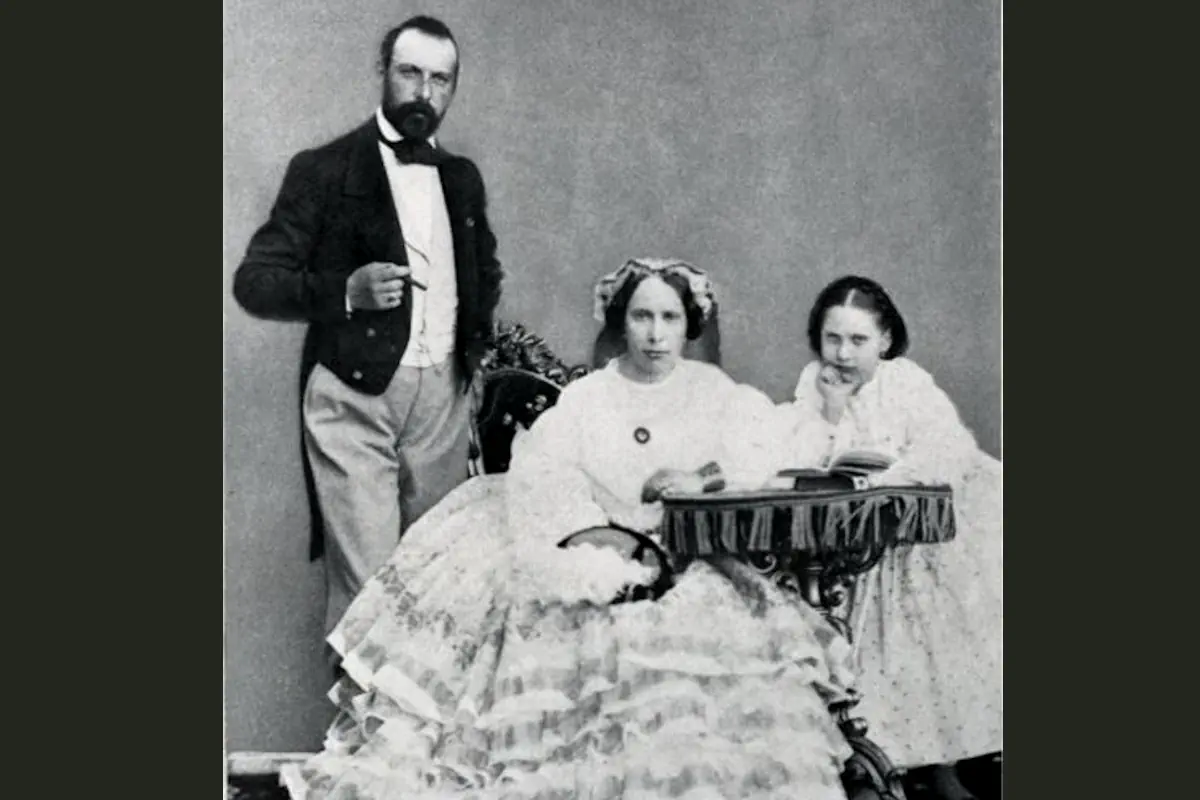
Karl XV’s health declined in the early 1870s, and he died in Malmö in 1872 at the age of 46. With no surviving male heirs, the throne passed to his younger brother, Oscar II.
Karl XV was laid to rest in Riddarholmen Church, continuing the centuries‑old tradition of royal burials in Stockholm.
Karl XV is remembered as a charismatic and culturally engaged monarch whose reign helped shape the modern identity of Sweden and Norway. His support for constitutional reform, his artistic pursuits, and his personal warmth left a lasting impression on the monarchy and the nation.
His reign forms an essential chapter in the story of Royal Stockholm, where the evolution of the modern monarchy can still be traced across the city’s palaces and institutions. As the link between the reform era of Oscar I and the diplomatic modernity of Oscar II, Karl XV occupies a unique place in the history of the Bernadotte dynasty.
Karl XV
Karl XV