
Oscar I (1799–1859), son of Karl XIV Johan, ushered in a new era of reform and modernisation in Sweden and Norway. His reign strengthened civil rights, expanded social welfare, and advanced diplomatic cooperation in Scandinavia. As a bridge between the cautious rule of his father and the liberal era of Karl XV, Oscar I played a pivotal role in shaping the modern Swedish state.
👑 Part of our guide to Swedish Kings & Royal History in Stockholm.
Oscar I (1799–1859), son of Karl XIV Johan and Queen Desideria, was the first Swedish‑born monarch of the Bernadotte dynasty. His reign marked a decisive shift from the cautious conservatism of his father toward a more progressive and socially engaged monarchy.
A cultured, diplomatic, and reform‑oriented king, Oscar I helped guide Sweden and Norway into the modern era. His policies strengthened civil rights, expanded social welfare, and laid the groundwork for the constitutional developments that would define the 19th century.

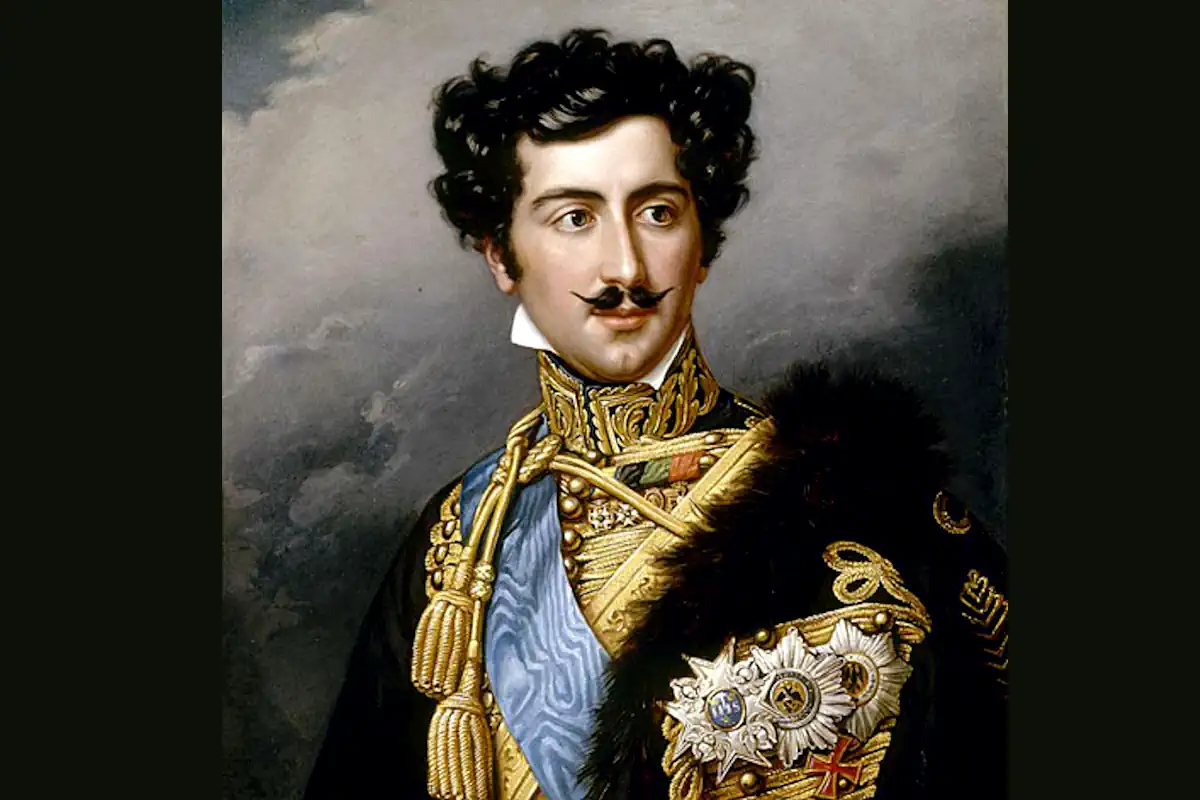
Oscar arrived in Sweden as a young boy when his father became Crown Prince in 1810. He spent much of his youth at Karlberg Palace, where he received a broad education in languages, law, and military science.
As Crown Prince, he took on ceremonial duties at the Royal Palace and developed a reputation for intellectual curiosity and political moderation.
When Karl XIV Johan died in 1844, Oscar ascended the throne as Oscar I. His coronation took place in both Stockholm and Trondheim, reflecting his dual role as King of Sweden and Norway.
Unlike his father, Oscar I embraced a more open and reform‑minded approach to governance. He sought to balance monarchical authority with the growing demands for civil liberties and parliamentary influence.
Oscar I’s reign is remembered for a series of significant reforms that reshaped Swedish society. He strengthened freedom of the press, improved legal protections for citizens, and introduced early forms of social welfare.
His government also enacted important economic reforms, including modernising trade laws and supporting the expansion of railways and infrastructure.

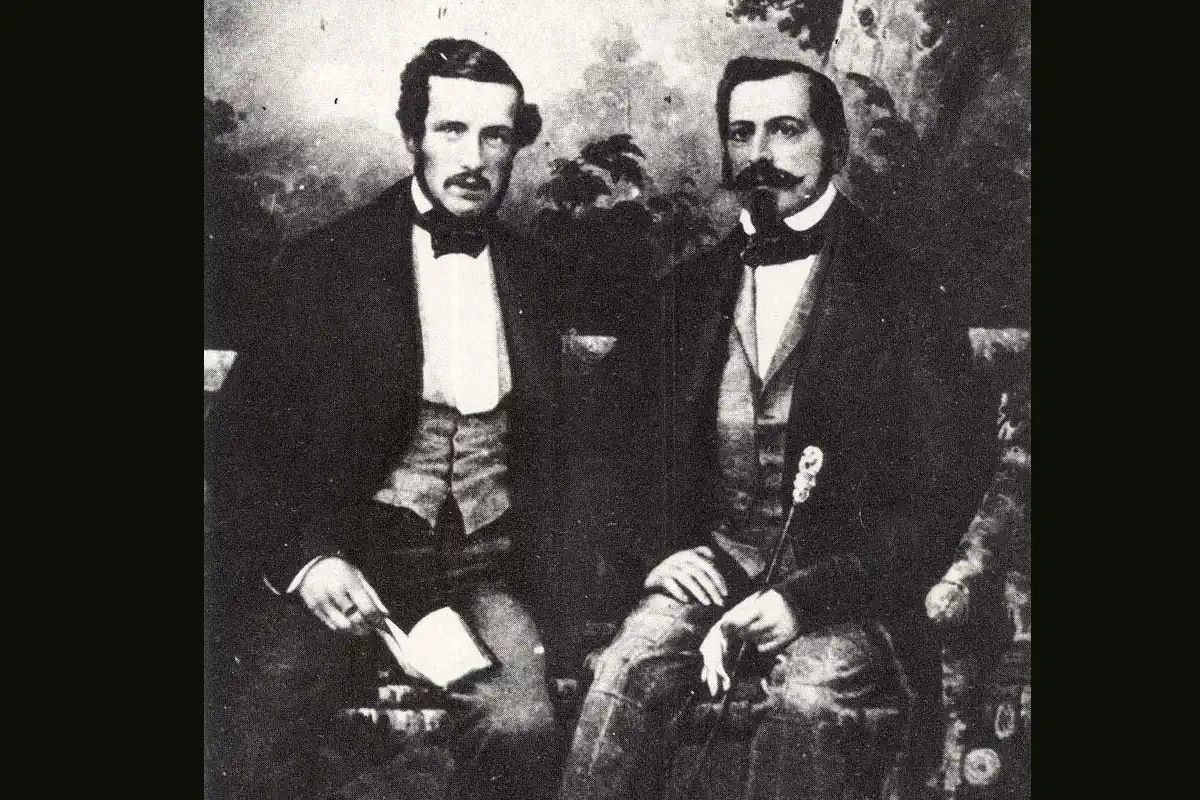
Oscar’s marriage to Queen Josefina of Leuchtenberg brought a new cultural dimension to the Swedish court. A devout Catholic and patron of the arts, Josefina played a central role in shaping the royal family’s cultural and charitable activities.
Together, Oscar and Josefina cultivated a more cosmopolitan and socially engaged monarchy, supporting hospitals, schools, and charitable institutions across Stockholm.
Oscar I pursued a cautious but principled foreign policy. He sought to maintain stability in the Nordic region while supporting the idea of Scandinavian cooperation — a precursor to the later Scandinavist movement.
His reign also saw tensions within the Swedish‑Norwegian union, which he managed with a combination of diplomacy and constitutional negotiation.
Oscar I’s health declined in the mid‑1850s, and his son Karl XV gradually assumed greater responsibilities. Oscar died in 1859 and was laid to rest in Riddarholmen Church, alongside earlier monarchs of the Bernadotte dynasty. His legacy was carried forward by Karl XV, whose charismatic reign brought new cultural energy and constitutional progress to the Swedish‑Norwegian monarchy.
Oscar I stands as one of the most forward‑thinking monarchs of the 19th century. His reforms strengthened civil society, expanded individual rights, and helped guide Sweden toward the constitutional monarchy it is today.
As the bridge between the cautious rule of Karl XIV Johan and the more liberal era of Karl XV, Oscar I played a pivotal role in shaping the modern Swedish state.
Oscar I
Oscar I