Karl XIV Johan (1763–1844), born Jean Baptiste Bernadotte, rose from the French Revolutionary army to become King of Sweden and Norway. As Crown Prince and later monarch, he guided Sweden through the Napoleonic era, secured the union with Norway, and founded the Bernadotte dynasty that still sits on the Swedish throne.
👑 Part of our guide to Swedish Kings & Royal History in Stockholm.
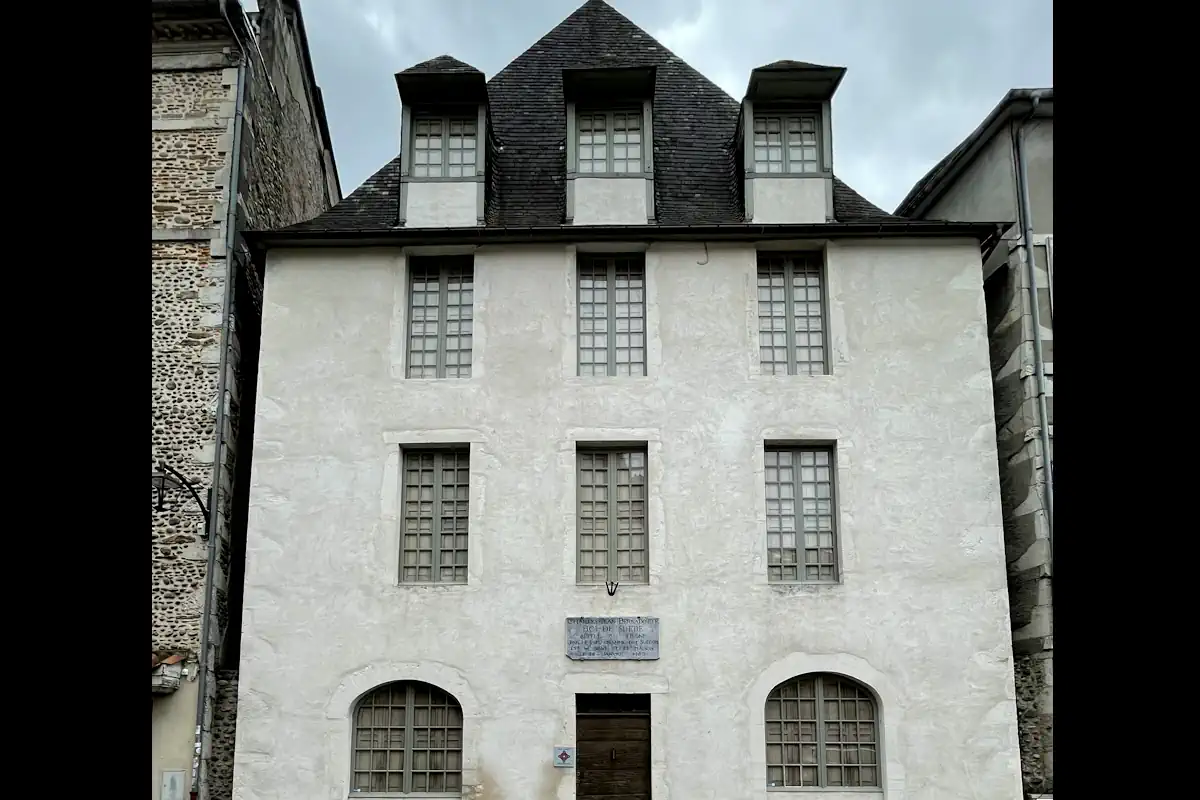
Karl XIV Johan (1763–1844), born Jean Baptiste Bernadotte in Pau, France, is one of the most remarkable figures in Swedish history. A marshal of Napoleon, a republican at heart, and a skilled political survivor, he rose from modest origins to become King of Sweden and Norway — and the founder of the Bernadotte dynasty, which still reigns today.
His journey from the battlefields of Europe to the royal palaces of Stockholm is a story of ambition, diplomacy, and reinvention. Few monarchs have begun their lives so far from the throne they would one day occupy.
Bernadotte joined the French army in 1780 and quickly distinguished himself during the Revolutionary Wars. His charisma, discipline, and political instincts earned him rapid promotions. By 1804, Napoleon appointed him Marshal of the Empire.
Though respected for his military skill, Bernadotte often clashed with Napoleon. He was independent-minded, cautious with his troops, and unwilling to sacrifice men for glory. These qualities — frustrating to Napoleon — would later make him an ideal candidate for the Swedish throne.
When Sweden’s chosen heir, Prince Karl August, died suddenly in 1810, the Riksdag faced a crisis. King Karl XIII was elderly and childless, and the nation needed a successor who could secure its future.
Bernadotte’s reputation as a capable general, combined with his humane treatment of Swedish prisoners during the war, made him an unexpected but compelling choice. The Riksdag elected him Crown Prince, and he arrived in Stockholm later that year, taking the name Karl Johan.
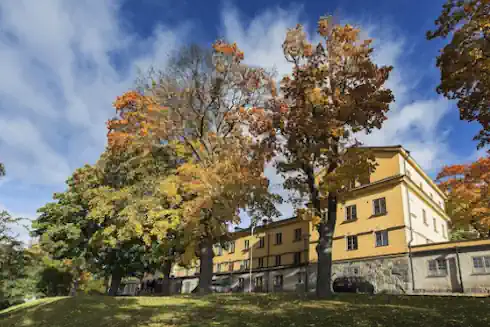
As Crown Prince, Karl Johan quickly became the real power behind the throne. He governed from the Royal Palace in Stockholm, but he also spent long periods at Rosersberg Palace, which became a quiet retreat during his early years in Sweden.
His leadership style was pragmatic and strategic. He prioritized stability, financial reform, and Sweden’s long-term security — a stark contrast to the turbulent Gustavian era that had preceded him.
Karl Johan’s most consequential decision came during the Napoleonic Wars. Breaking with his former emperor, he joined the coalition against France. In return, the great powers supported Sweden’s claim to Norway.
The resulting Union between Sweden and Norway (1814–1905) reshaped the political map of Scandinavia and defined Swedish foreign policy for nearly a century.
Karl XIV Johan left a lasting imprint on several royal residences around Stockholm. At Rosersberg Palace, he and Queen Desideria created a serene summer residence, preserving much of the late Gustavian and early Empire interiors.
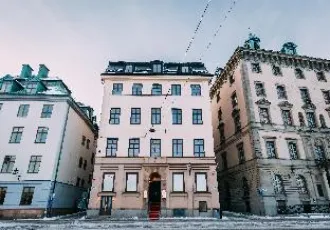
At Karlberg Palace, he oversaw improvements to the military academy, reinforcing its role in shaping Sweden’s officer corps — a natural priority for a former marshal.
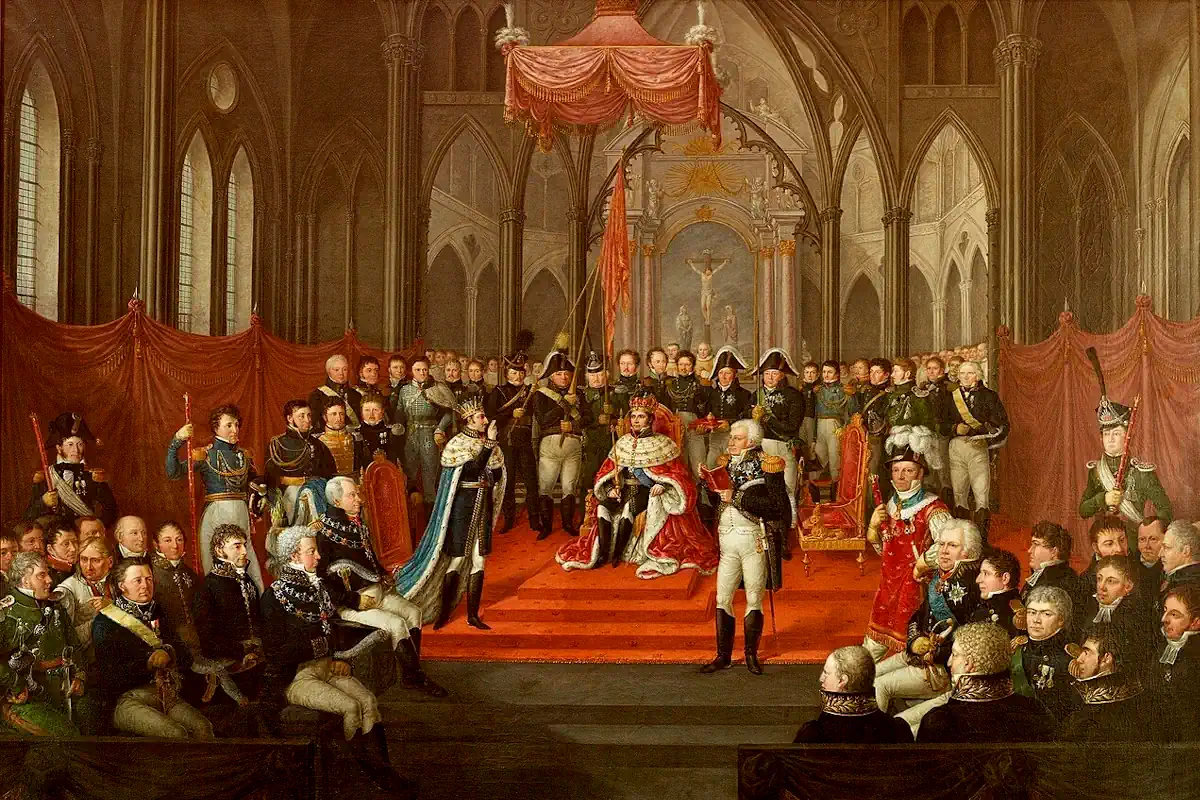
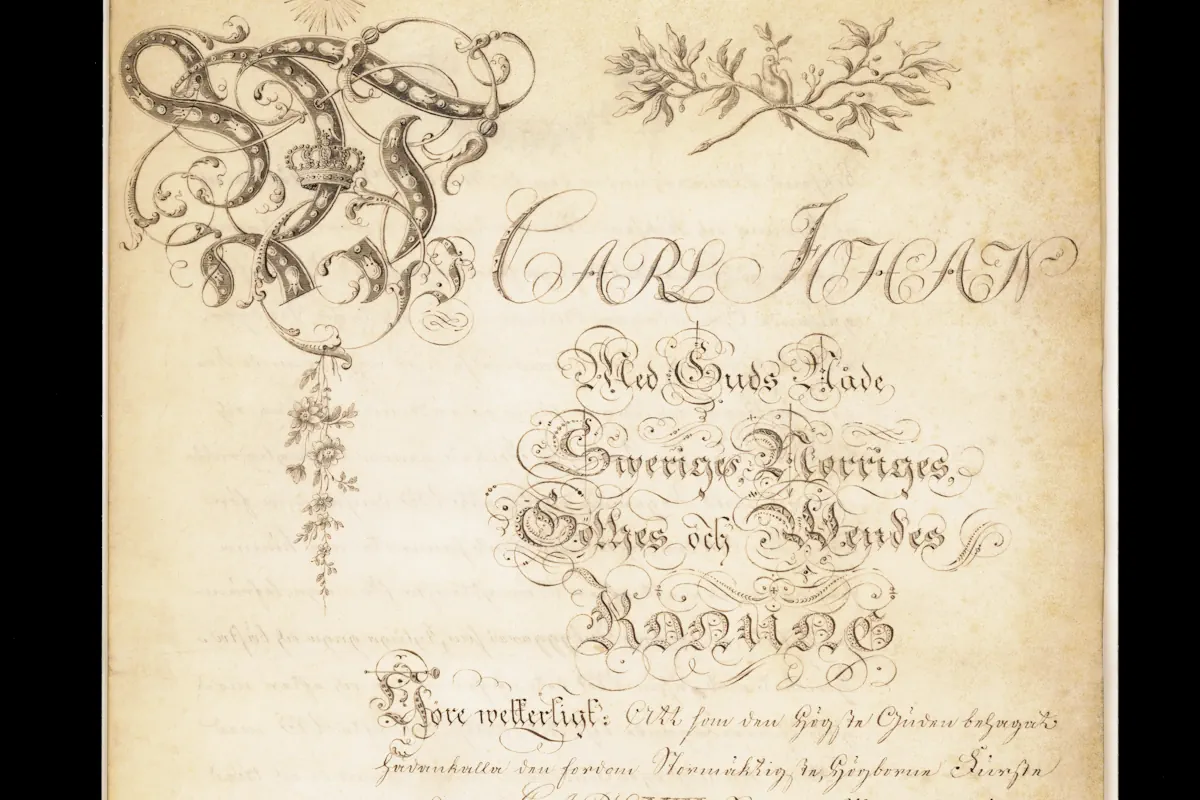
When Karl XIII died in 1818, Karl Johan ascended the throne as Karl XIV Johan. His reign was marked by caution, stability, and a focus on economic recovery. He avoided costly conflicts and strengthened Sweden’s international position through diplomacy.
Though sometimes criticized for his conservatism, he was widely respected for bringing order after decades of upheaval.
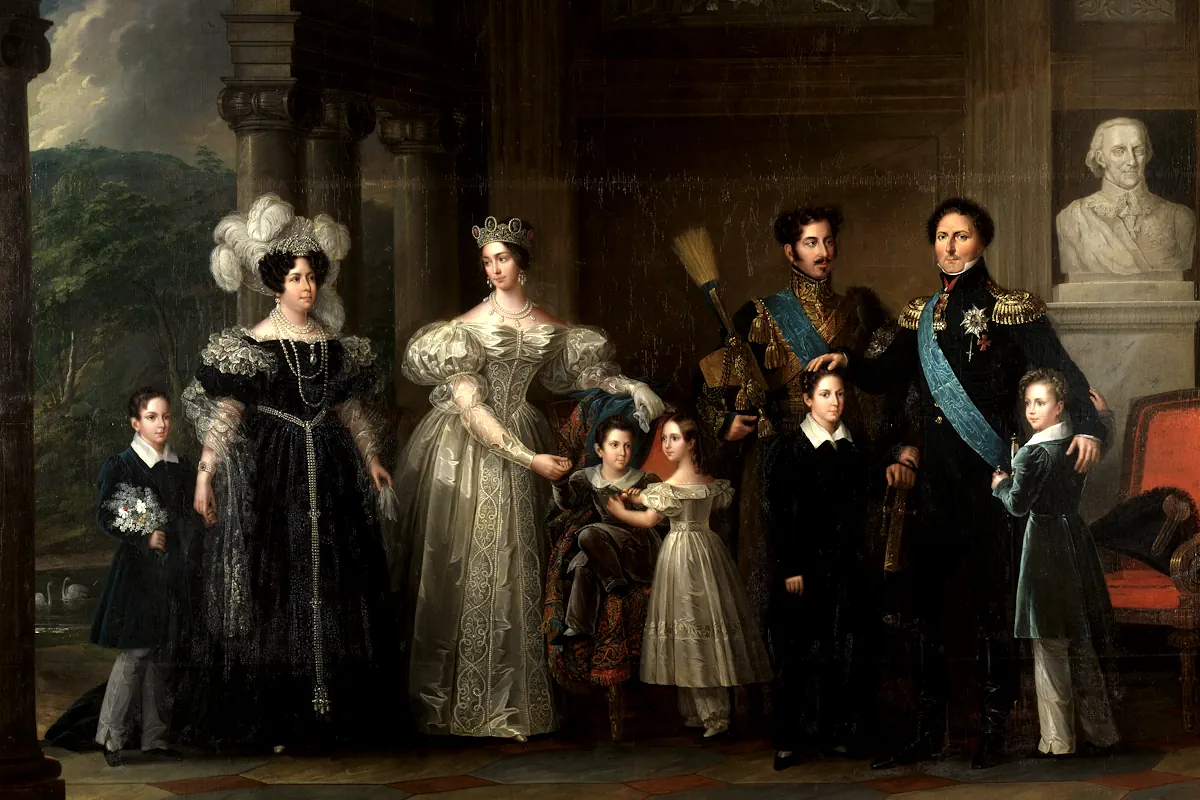
Karl XIV Johan died in 1844 and was laid to rest in Riddarholmen Church, the burial site of Sweden’s kings.
His legacy is immense: he founded the Bernadotte dynasty, guided Sweden through a turbulent era, and established a tradition of stability that shaped the nation’s modern identity.
His legacy was carried forward by his son Oscar I, whose reform‑minded reign introduced a more modern and socially engaged monarchy in Sweden and Norway.
From French revolutionary soldier to Scandinavian monarch, Karl XIV Johan’s life remains one of the most extraordinary journeys in European history.
Karl XIV Johan
Karl XIV Johan