🏰 Medieval Stockholm Medieval Stockholm: Trade, Power and Daily Life in the City of Gamla Stan During the Middle Ages, Stockholm grew from a fortified trading settlement into one of the most important cities in Northern Europe. Situated at the strategic gateway between Lake Mälaren and the Baltic Sea, the city became a hub of […]
During the Middle Ages, Stockholm grew from a fortified trading settlement into one of the most important cities in Northern Europe. Situated at the strategic gateway between Lake Mälaren and the Baltic Sea, the city became a hub of commerce, politics, and royal authority.
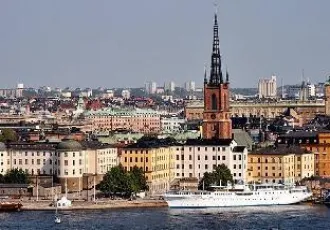
The earliest Stockholm developed on the island of Stadsholmen, the district known today as Gamla Stan. Narrow alleys, stone churches, and fortified structures defined the medieval townscape, while merchants and craftsmen filled its streets with activity.
The city’s origins were closely tied to the founding of Stockholm in the 13th century, traditionally associated with the statesman Birger Jarl. From these early beginnings, Stockholm quickly evolved into the political and economic heart of the Swedish kingdom — a development that eventually led to the royal capital explored in Royal Stockholm.
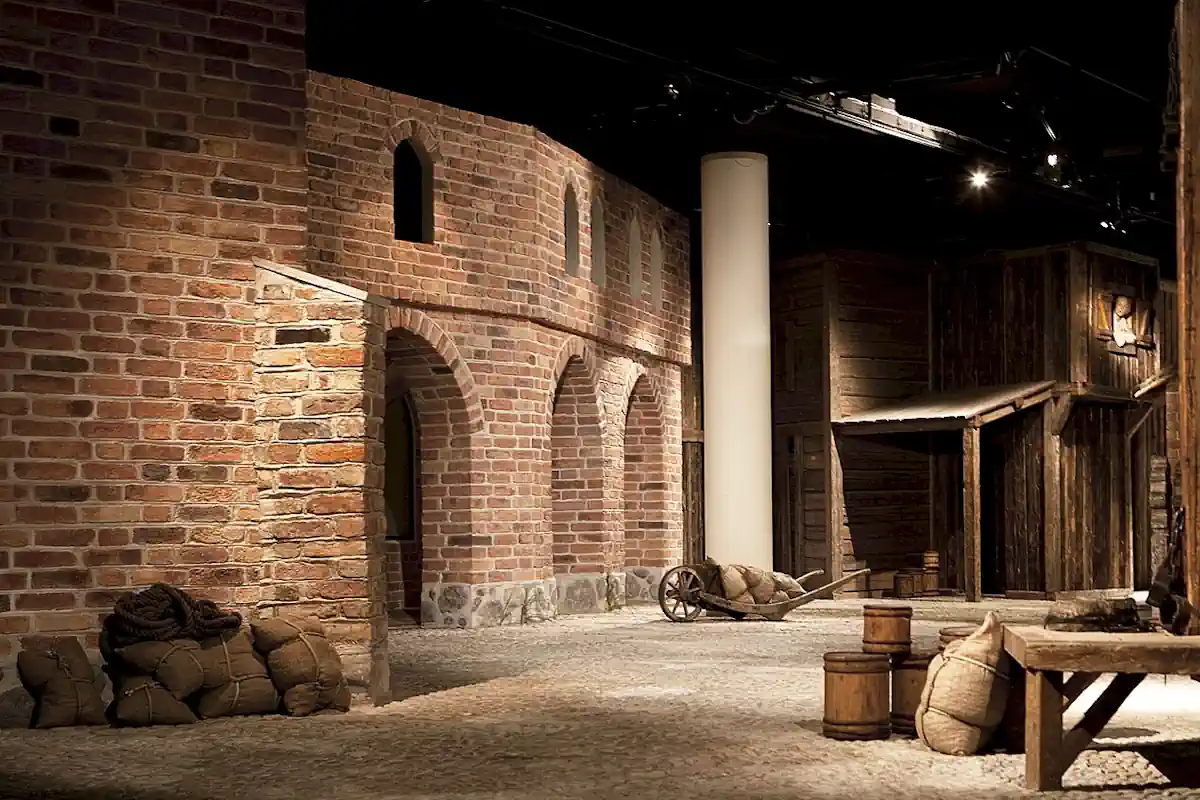
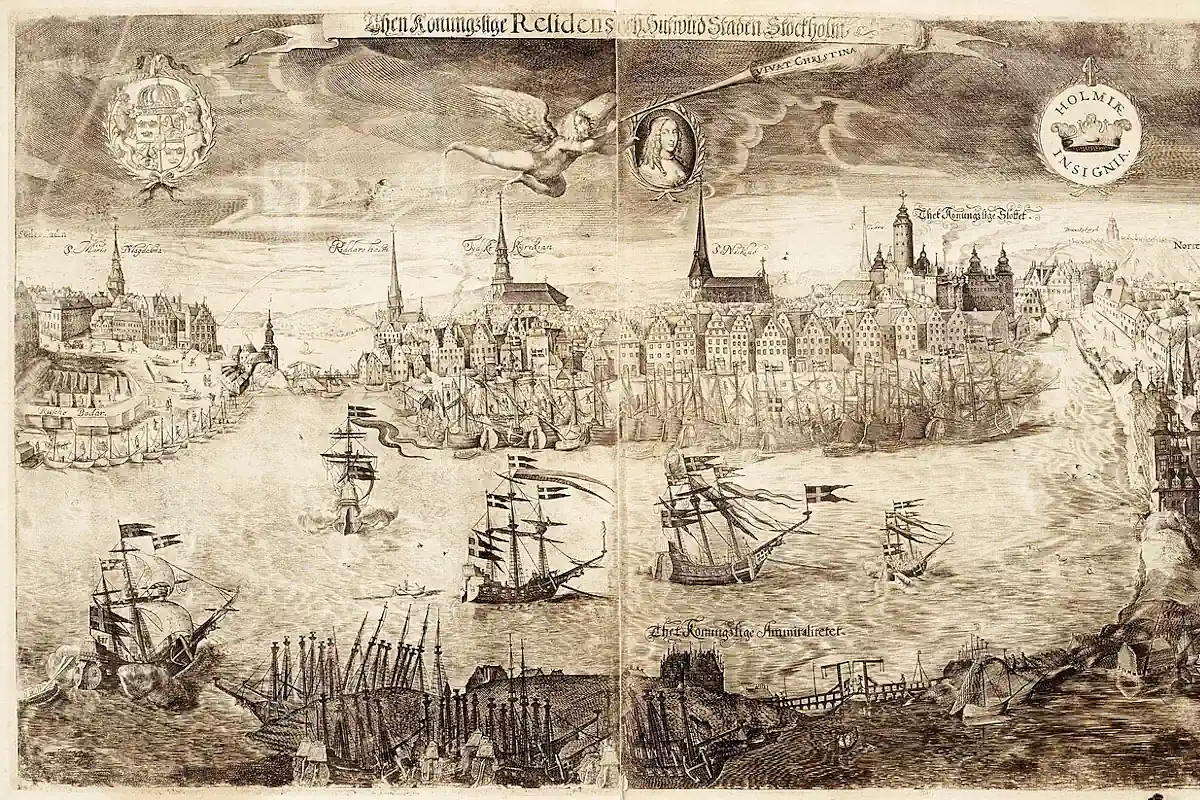
Stockholm’s growth during the Middle Ages was driven largely by trade. Its location allowed merchants to control the movement of goods between the Baltic Sea and the inland regions surrounding Lake Mälaren.
Ships arriving from across Northern Europe brought textiles, salt, and luxury goods, while Swedish exports included iron, copper, timber, and furs. The city’s harbor bustled with activity as merchants from Germany, Scandinavia, and beyond exchanged goods and negotiated trade agreements.
This commercial prosperity helped transform Stockholm into one of the most important trading centers in the Baltic region.
The medieval city developed on Stadsholmen island, which today forms the historic district of Gamla Stan. Its winding streets still follow the layout established centuries ago.
At the center of the medieval town stood Stortorget, the main marketplace and civic square where merchants sold goods and public announcements were made.
Nearby stood the cathedral of Storkyrkan, Stockholm’s oldest church, which served as the religious heart of the city and hosted royal ceremonies.
The dense urban fabric of the medieval city is still visible today in narrow passages such as Mårten Trotzigs Gränd, Stockholm’s famously narrow alley.
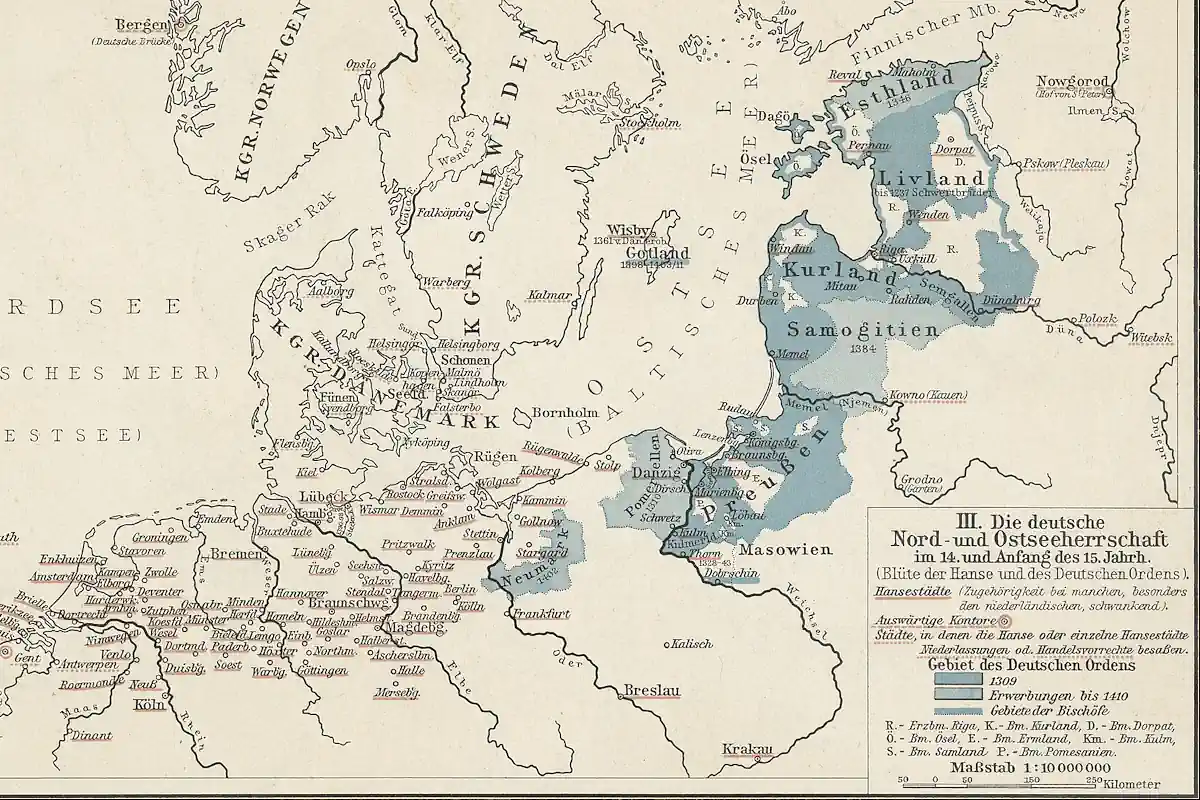
During the late Middle Ages, Stockholm became closely connected with the Hanseatic League, a powerful network of trading cities across Northern Europe.
German merchants played an important role in Stockholm’s economy, establishing trading houses and commercial partnerships throughout the city. Their influence helped integrate Stockholm into the wider Baltic trading system, linking Sweden with markets across Europe.
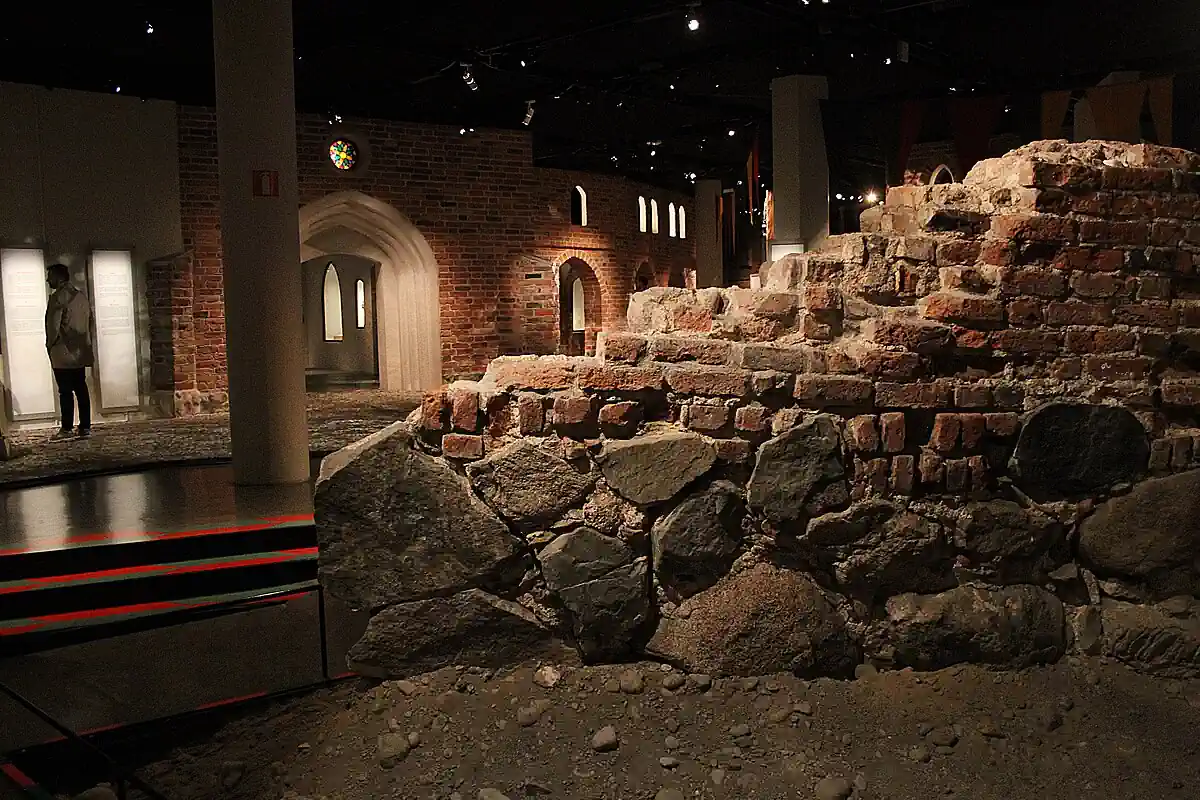
This international trade brought wealth to the city and encouraged the construction of stone buildings, warehouses, and defensive structures.
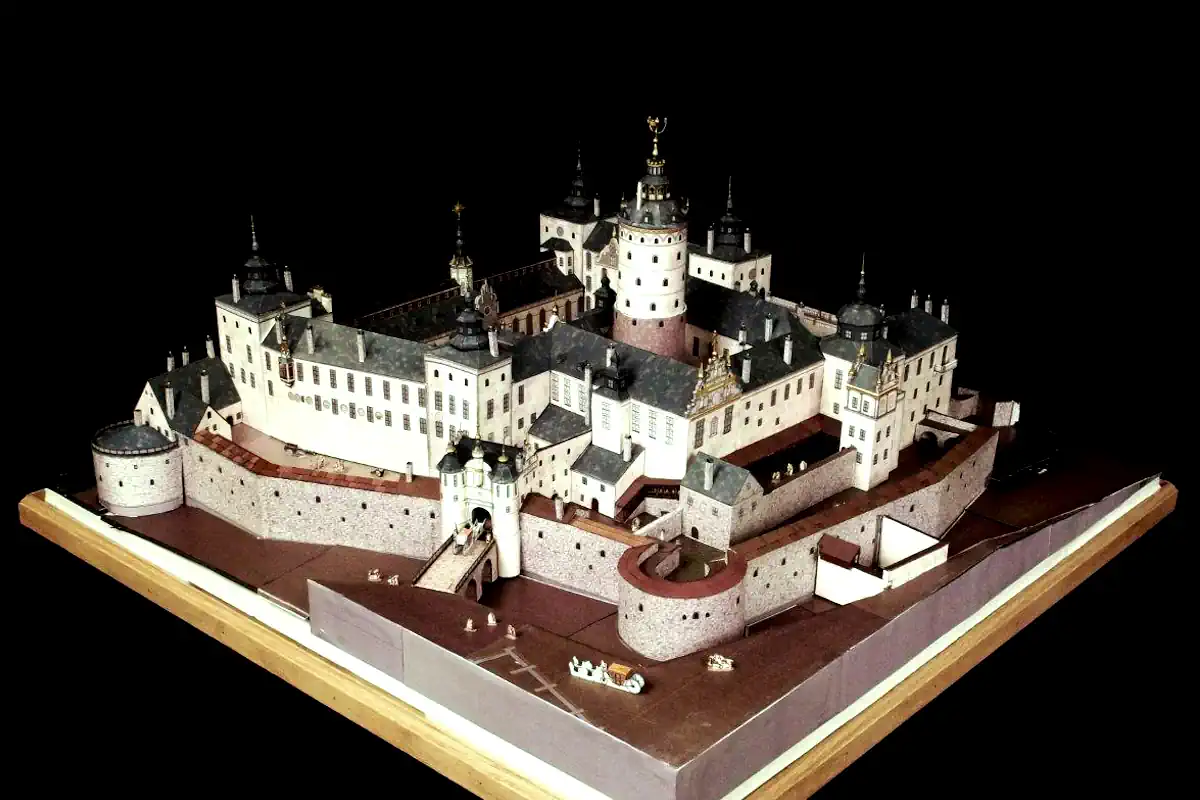
Overlooking the medieval city stood the fortress known as Tre Kronor. This royal castle served as the political center of Sweden throughout much of the Middle Ages.
From within its walls, monarchs governed the kingdom, received foreign envoys, and defended the strategic gateway between Lake Mälaren and the Baltic Sea.
The castle symbolized royal authority and ensured that Stockholm remained firmly under the control of the Swedish crown.
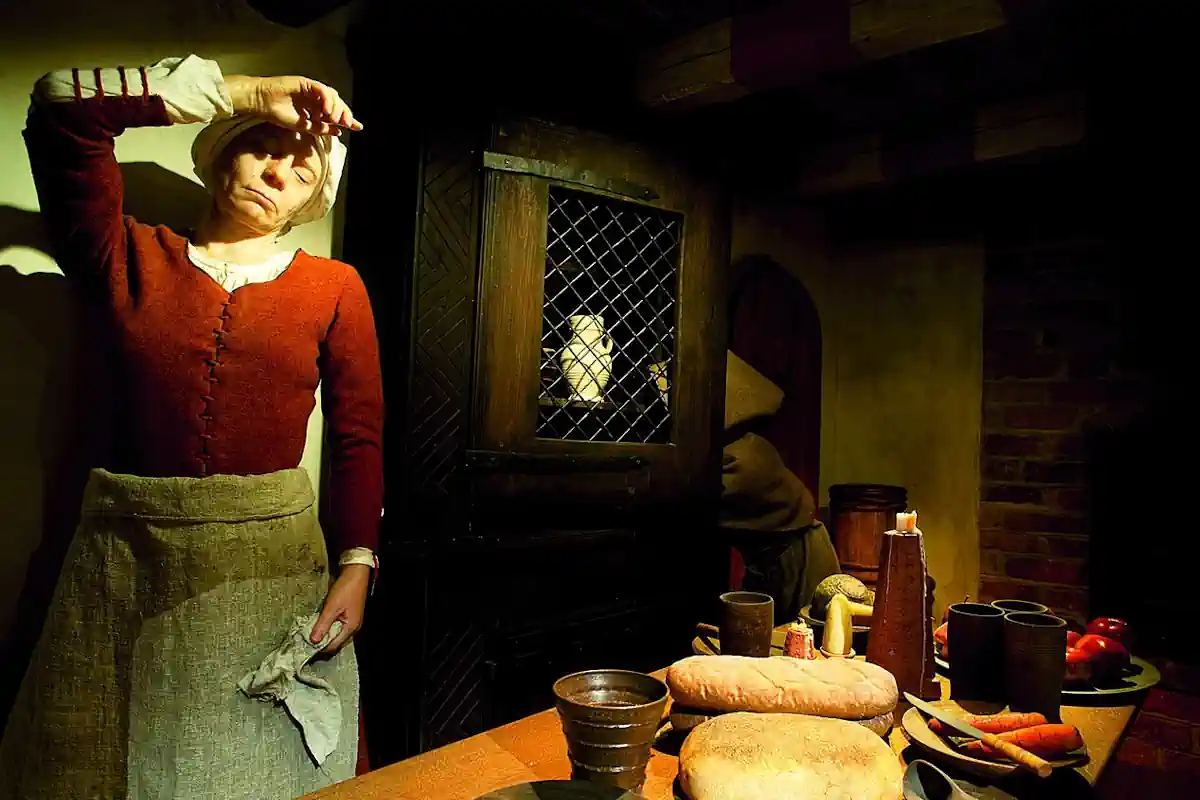
Daily life in medieval Stockholm revolved around trade, craftsmanship, and religious observance. Narrow streets were lined with wooden houses and workshops where blacksmiths, bakers, carpenters, and tailors practiced their trades.
Markets and harbor quays filled the air with the sounds of merchants bargaining and sailors unloading cargo. Meanwhile, church bells marked the rhythm of daily life, calling residents to worship and public gatherings.
Although the city was small by modern standards, its crowded streets and bustling harbor made it one of the liveliest urban centers in medieval Scandinavia.
The late medieval period was marked by political conflicts and dramatic events. One of the most infamous moments occurred in 1520 during the Stockholm Bloodbath, when Danish forces executed dozens of Swedish nobles in the city.
The massacre shocked the kingdom and contributed to the uprising that eventually brought Gustav Vasa to power. His rise marked the beginning of an independent Swedish monarchy and a new era in the city’s history.
Although modern Stockholm has expanded far beyond its medieval origins, the legacy of the early city remains visible in the streets of Gamla Stan.
The winding alleys, historic squares, and surviving churches preserve the atmosphere of a time when Stockholm was a small but influential Baltic trading town.
From these medieval foundations emerged the royal capital that would later grow into the political and cultural center of Sweden.