🏛 Origins of Stockholm The Founding of Stockholm: Birger Jarl and the Birth of Sweden’s Capital Stockholm’s story begins in the 13th century, when the city was founded as a fortified trading settlement controlling the gateway between Lake Mälaren and the Baltic Sea. From this narrow maritime gateway emerged the city that would become Sweden’s […]
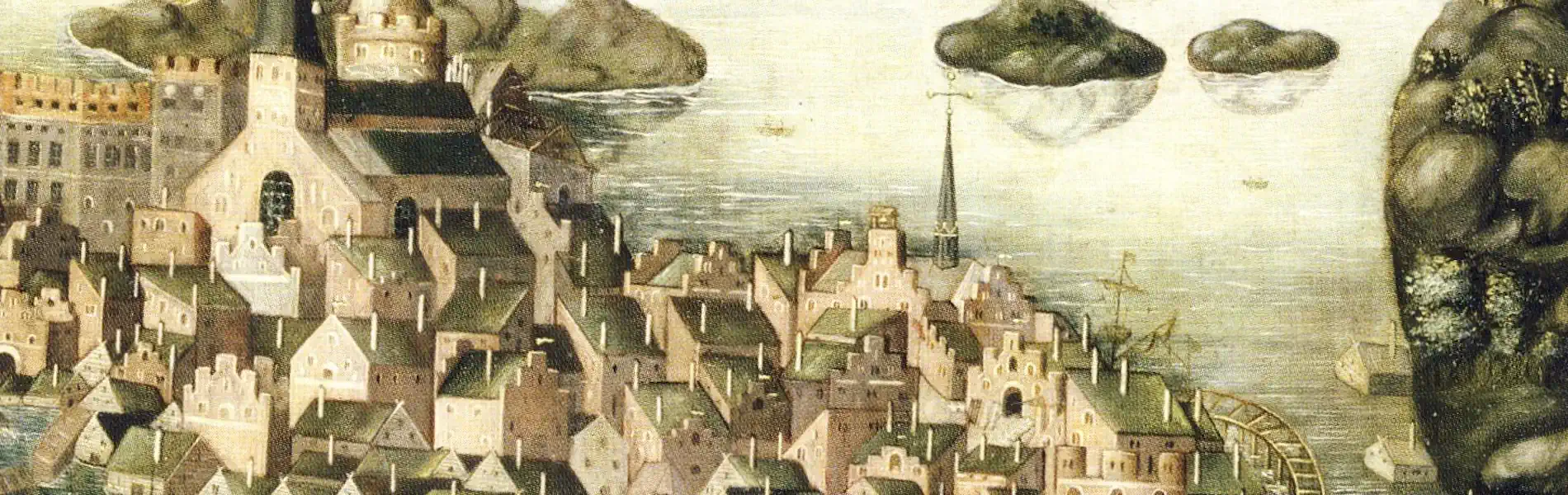
Stockholm’s story begins in the 13th century, when the city was founded as a fortified trading settlement controlling the gateway between Lake Mälaren and the Baltic Sea. From this narrow maritime gateway emerged the city that would become Sweden’s political and cultural capital.
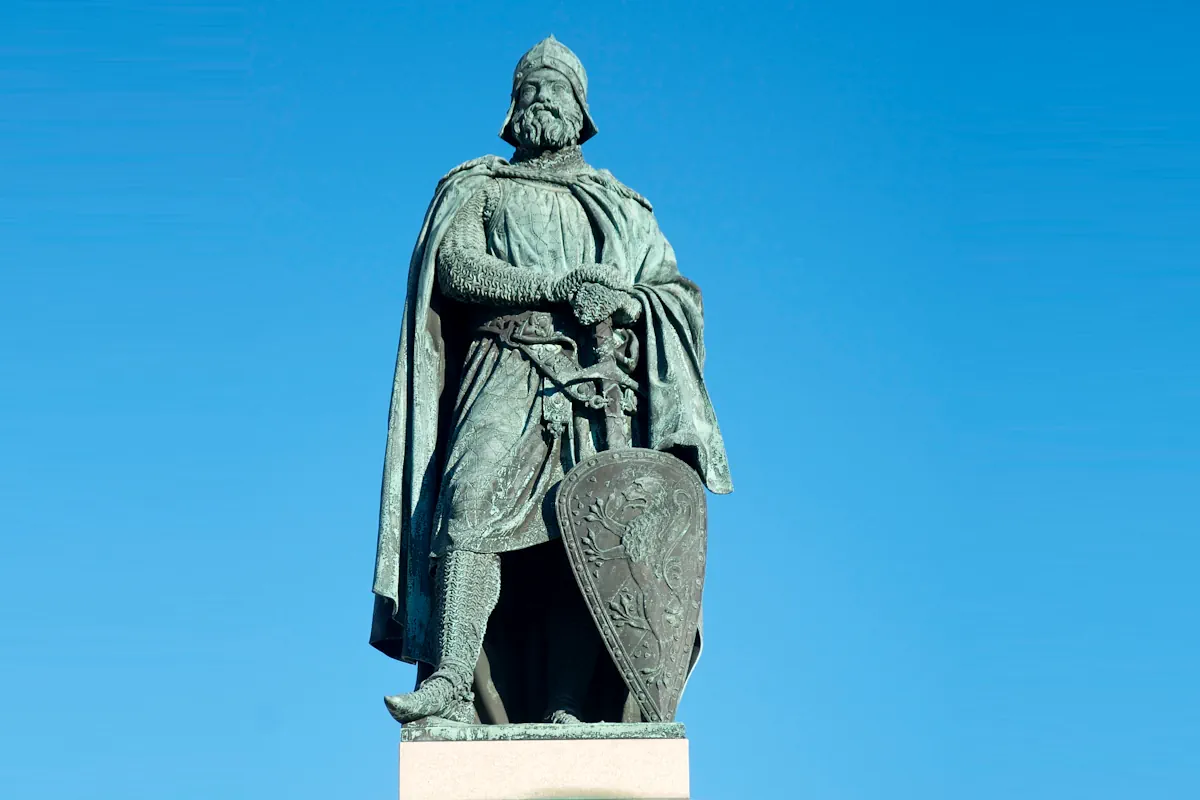
According to historical tradition, the founding of Stockholm is closely associated with the statesman Birger Jarl, whose policies helped consolidate royal authority and protect Sweden’s growing trade networks. The fortified settlement that developed on the island of Stadsholmen eventually evolved into the medieval district known today as Gamla Stan.
Over the centuries, Stockholm transformed from a defensive trading post into the heart of Swedish monarchy and government.
Stockholm was founded to control the strategic waterway between Lake Mälaren and the Baltic Sea. Any ships entering the inland trade routes of central Sweden had to pass through this narrow channel, making the site ideal for regulating commerce and defending the kingdom.
By establishing a fortified settlement here during the 13th century, Swedish rulers could monitor trade, collect taxes from merchants, and protect the region from foreign raids. The location quickly developed into a thriving trading hub where merchants, craftsmen, and royal officials gathered.
This strategic advantage explains why the medieval fortress of Tre Kronor was later built at the site, transforming the settlement into the political center of the Swedish kingdom.
The site chosen for Stockholm was not accidental. The narrow channel between Lake Mälaren and the Baltic Sea formed one of the most important strategic passages in medieval Scandinavia.
Any power controlling this location could regulate maritime trade entering the Swedish interior. Merchants traveling from the Baltic ports had to pass through this channel to reach the rich agricultural and mining regions surrounding Lake Mälaren.
By establishing a fortified settlement here, Sweden’s rulers could both defend the kingdom and oversee commerce flowing through the region.
This natural advantage helped Stockholm grow rapidly into one of the most important trading cities in Northern Europe.
The statesman and regent Birger Jarl is traditionally credited with founding Stockholm around 1252. Although settlements may have existed earlier, Birger Jarl played a decisive role in strengthening the site and transforming it into a royal stronghold.
His political reforms helped stabilize Sweden after a turbulent period of internal conflicts. By securing the maritime gateway at Stockholm, he also protected the kingdom from foreign raids, particularly from Baltic pirates and rival powers.
Under his leadership, the settlement grew into a fortified town with stone walls, churches, and administrative institutions that laid the foundation for Sweden’s future capital.
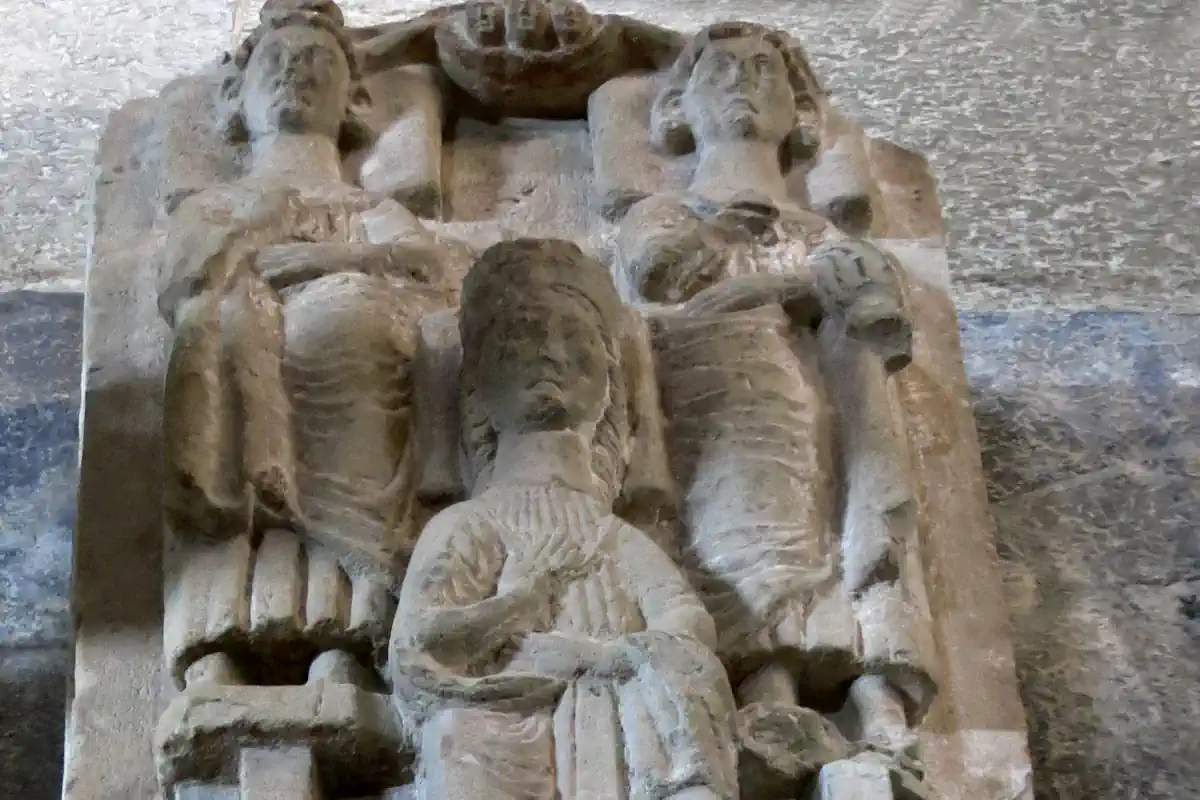
As trade expanded during the late Middle Ages, Stockholm developed into a bustling commercial center. German merchants from the Hanseatic League established trading houses along the waterfront, while craftsmen and traders filled the narrow streets of the growing city.
The medieval town that emerged on Stadsholmen eventually became the district now known as Gamla Stan.
Key locations within this early city included:
Together these landmarks preserve the layout of Stockholm’s earliest urban core.


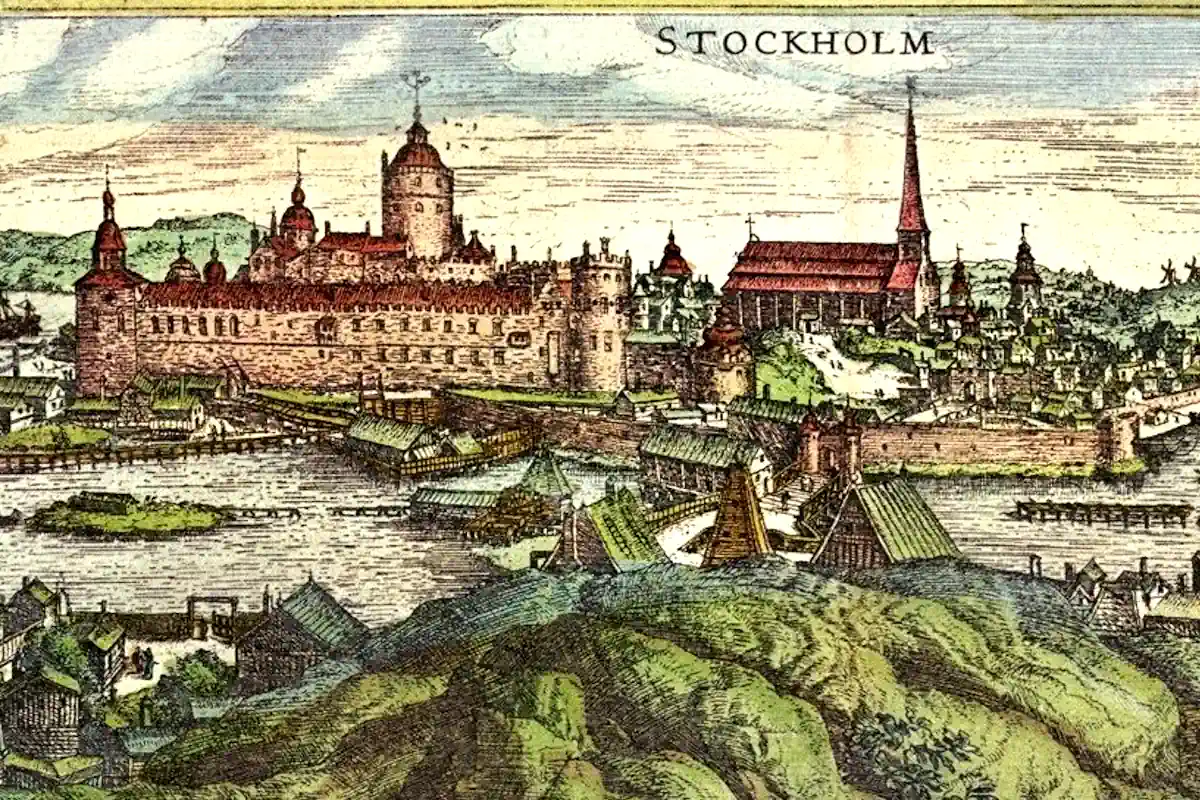
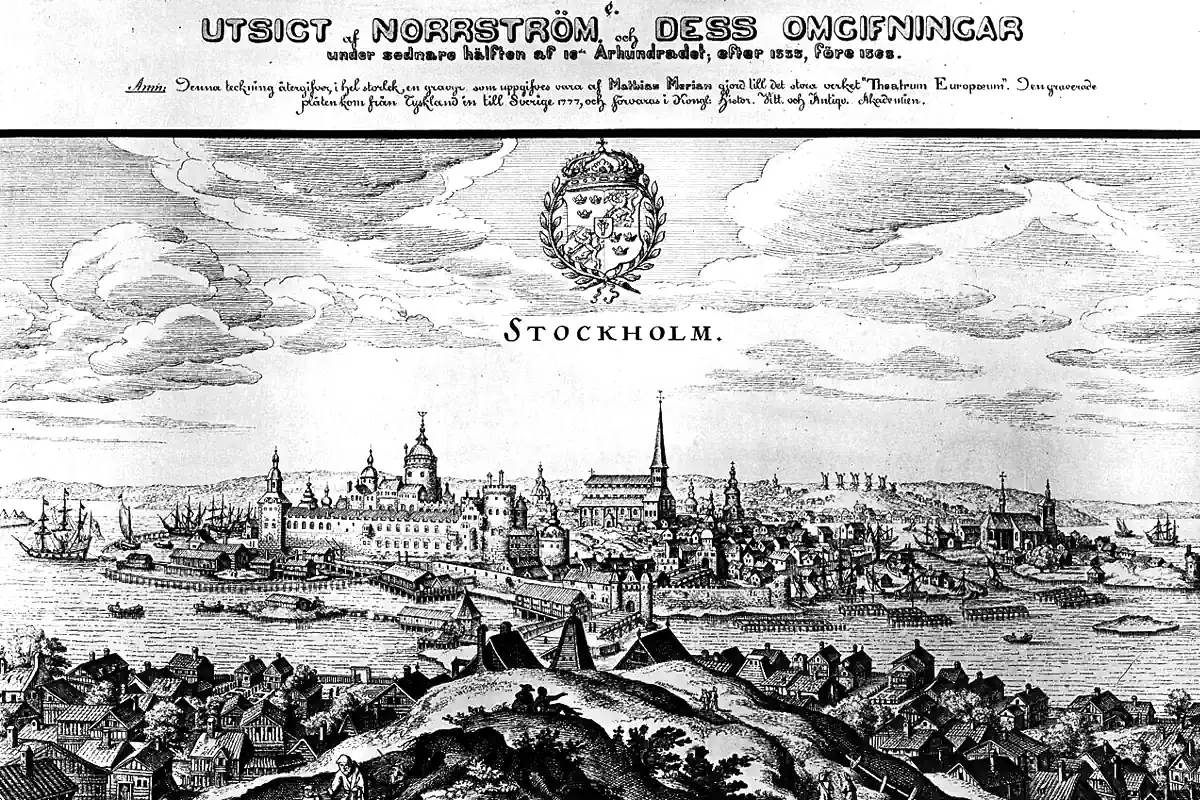
The growing importance of Stockholm soon required stronger defenses. A royal fortress rose on the northern edge of Stadsholmen, eventually becoming the castle known as Tre Kronor.
For centuries this fortress served as the political center of Sweden. Monarchs ruled the kingdom from its towers and halls, transforming Stockholm into the seat of royal authority.
Tre Kronor dominated the city skyline until a devastating fire destroyed the castle in 1697 — an event that led to the construction of the present Royal Palace. In its place rose the monumental Royal Palace that still stands in Gamla Stan today.
From the medieval fortress of Tre Kronor to the Baroque grandeur of the Royal Palace, Stockholm’s architecture reflects the evolving power of the Swedish monarchy.
The royal landscape of the city expanded beyond Gamla Stan over time. Dynastic monuments such as Riddarholmen Church preserved the memory of Swedish kings, while later royal estates such as Drottningholm Palace reflected the court culture of the early modern era.
Together these landmarks form what is often described as Royal Stockholm — a network of sites that trace the development of Sweden’s monarchy.

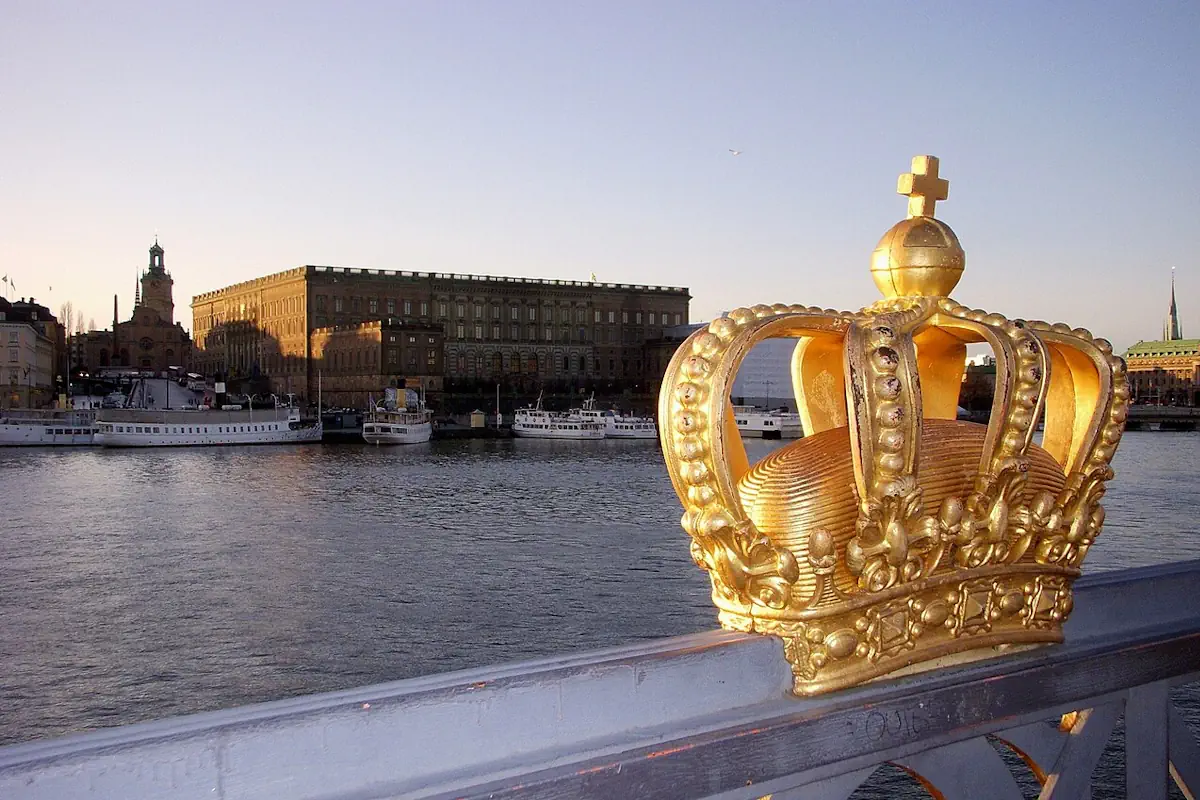
The strategic decision to establish a fortified settlement between Lake Mälaren and the Baltic Sea ultimately shaped the destiny of Sweden’s capital.
From a small medieval trading post, Stockholm grew into the political and cultural center of the Swedish kingdom. Today the city’s historic landmarks — from the medieval streets of Gamla Stan to the royal palaces surrounding the capital — still reflect the legacy of its founding in the 13th century.
Understanding the origins of Stockholm reveals how geography, trade, and royal ambition combined to create one of Scandinavia’s most historically rich cities.