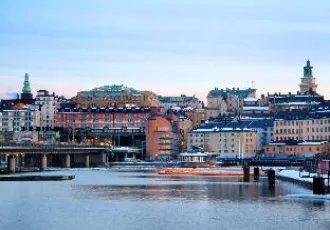
Birger Jarl (c.1210–1266) is traditionally regarded as the founder of Stockholm, shaping its early development through military leadership, legal reforms, and urban planning. His legacy marks the transition from fortified outpost to emerging capital.
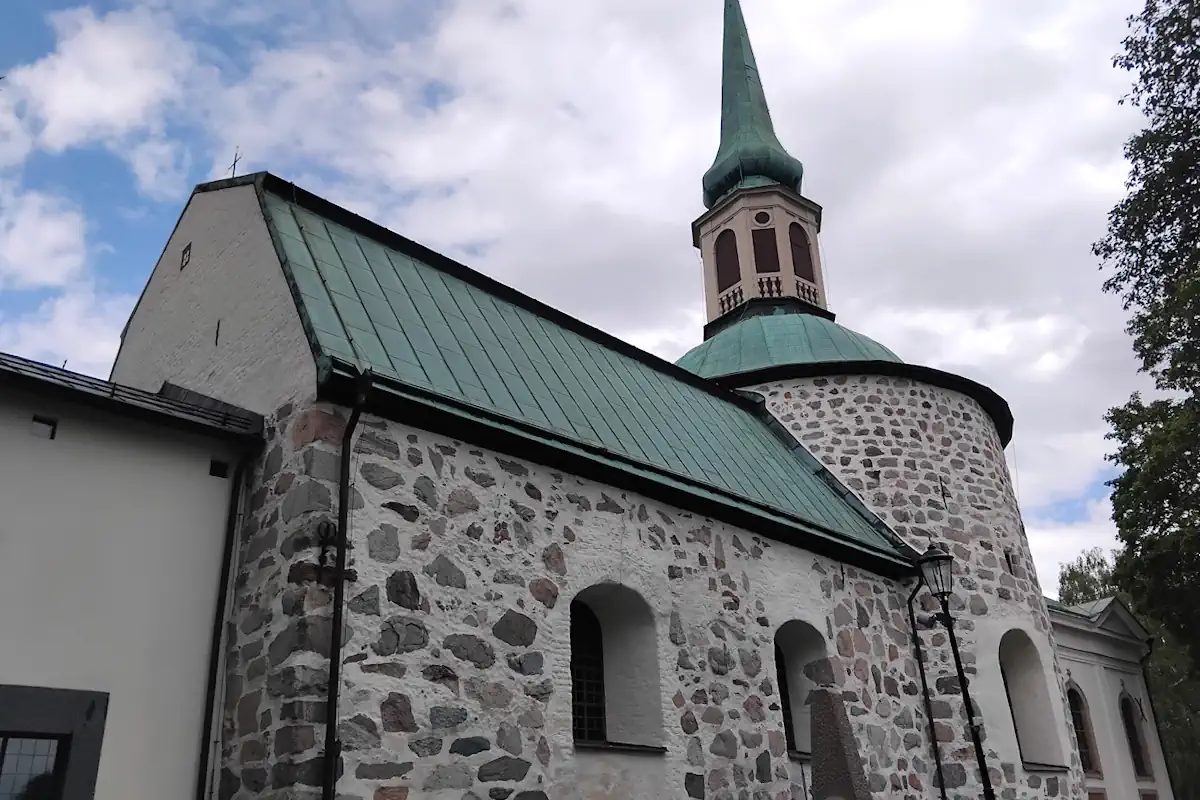
Before Stockholm rose to power, centers like Sigtuna and fortified churches such as Bromma reflected Sweden’s early political and religious authority.
Birger Jarl would shift that center of gravity.
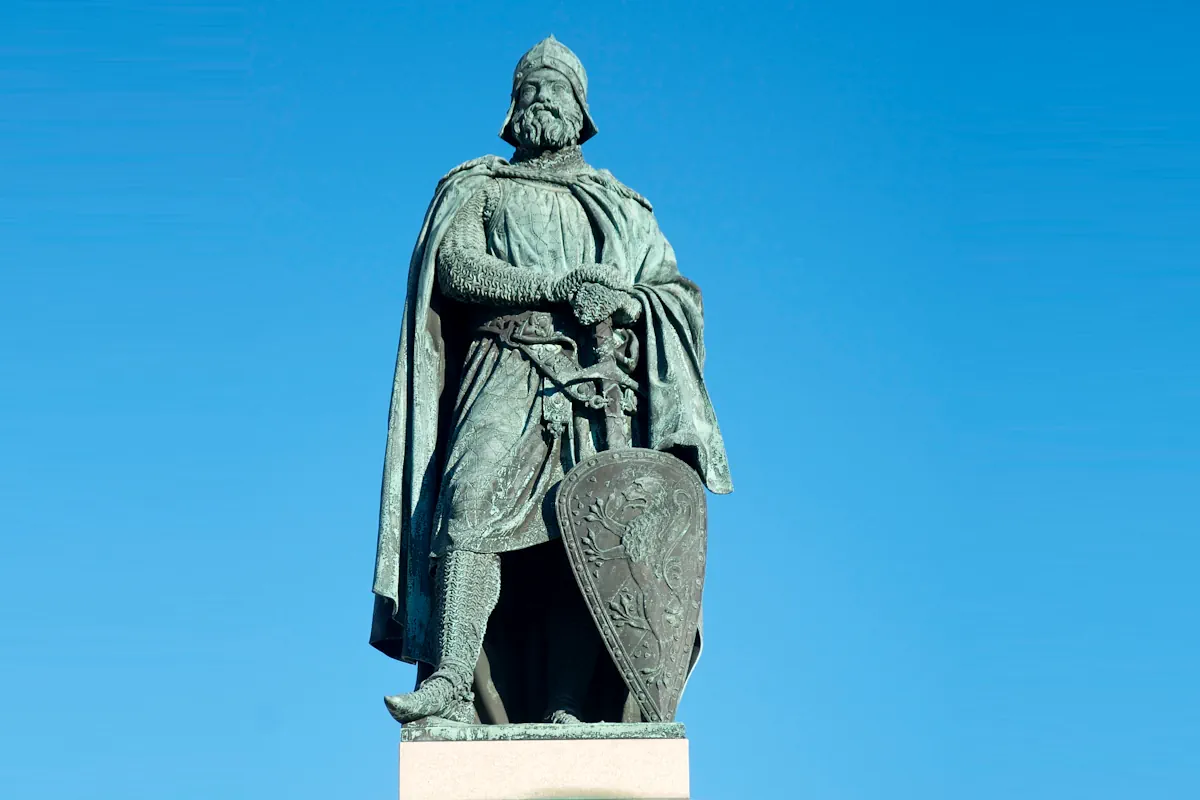
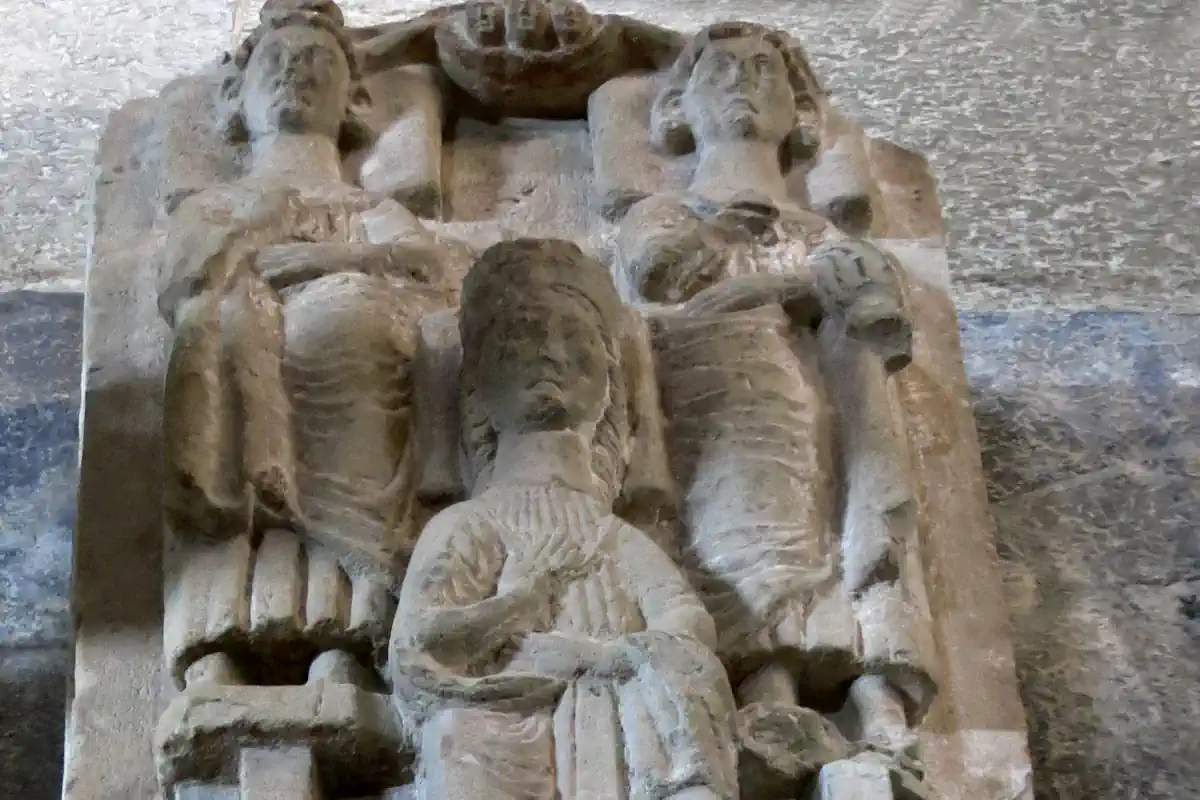
In the mid-13th century, when Sweden was still a fragmented realm of rival nobles and shifting alliances, one figure emerged to reshape its future. Birger Magnusson — known to history as Birger Jarl — did more than rule. He laid the foundations of a capital, a legal system, and a stronger Swedish state.
Traditionally credited with founding Stockholm in 1252, Birger Jarl transformed a strategic island between Lake Mälaren and the Baltic Sea into a political and economic center. What began as a fortified outpost would evolve into Sweden’s capital — a legacy that still defines Stockholm today.
Before Birger Jarl’s rise, Sweden was not a unified kingdom but a patchwork of regional powers. Authority depended on alliances between noble families, and internal conflicts were frequent.
The title of jarl — the highest rank below the king — carried immense influence, and Birger would become its most powerful holder. Acting as regent for his son King Valdemar, Birger effectively ruled Sweden. But his true achievement was not simply maintaining power — it was transforming how power worked.

Stockholm’s location—today best experienced in Gamla Stan—was no accident. Positioned at the narrow strait between Lake Mälaren and the Baltic Sea, it allowed control over trade, defense, and movement between inland Sweden and the wider world.
The first written record of Stockholm dates to 1252, when Birger issued official documents from the city. Whether he “founded” it in the modern sense or fortified an existing settlement, his role in shaping its importance is undeniable.
By shifting Sweden’s political center toward the Baltic, Birger repositioned the kingdom within Europe’s growing trade networks — a move that would define Stockholm’s future. Where Sigtuna had once symbolized royal and ecclesiastical power, Stockholm would become the permanent center of political control.
Birger Jarl’s reforms extended far beyond city-building. He introduced laws that strengthened royal authority and improved social stability — remarkably progressive for the medieval era.
He also established the concept of the King’s Peace, extending royal protection across society:
These reforms marked a turning point: Sweden began shifting from a system of personal loyalties to one governed by law — a foundation for the modern state.
Birger Jarl strengthened Sweden’s position beyond its borders. He led military campaigns in Finland, expanding Swedish influence eastward, and secured peace with Norway through diplomacy.
As regent, he consolidated royal authority, ensuring stability during a time when many European kingdoms were still deeply fragmented.
Birger Jarl’s legacy is not confined to history books — it is embedded in Stockholm itself. The city’s role as Sweden’s political, economic, and cultural center traces directly back to his strategic vision. The medieval core of Gamla Stan still reflects the structure of Birger Jarl’s early settlement.
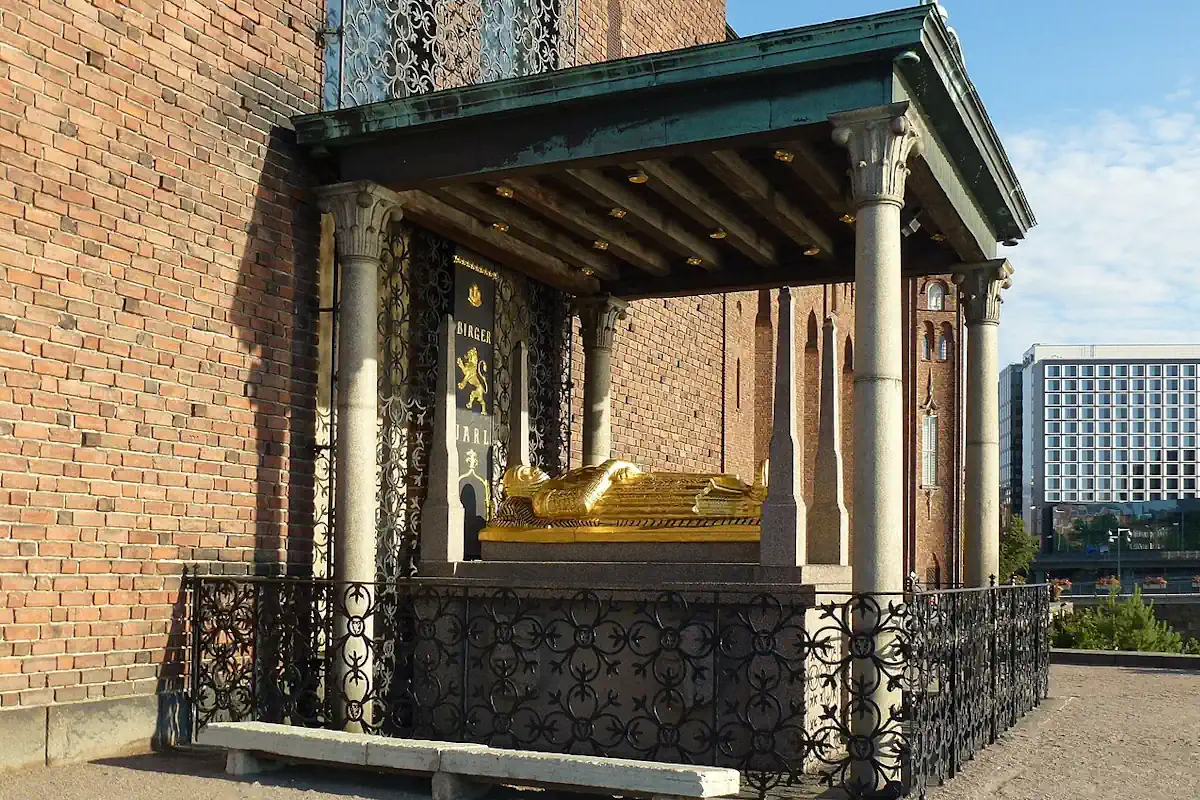
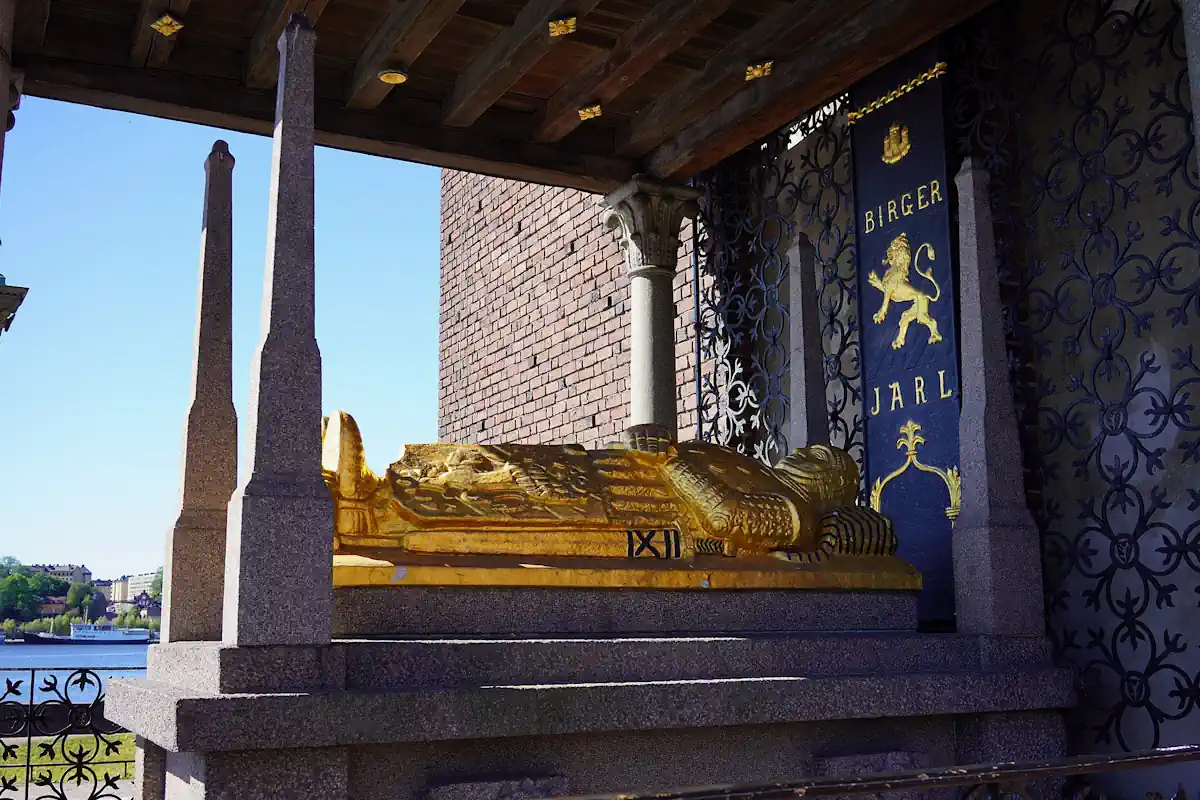
Birger Jarl’s greatest achievement was not simply founding a city — it was creating a system. Through law, strategy, and governance, he transformed Sweden from a fragmented realm into a more unified kingdom.
Centuries later, rulers like Gustav Vasa would build upon this foundation, shaping the modern Swedish state. Stockholm itself — vibrant, historic, and globally connected — remains his enduring legacy.
Birger Jarl