




 Photo: Holger.Ellgaard. (CC BY-SA 4.0)
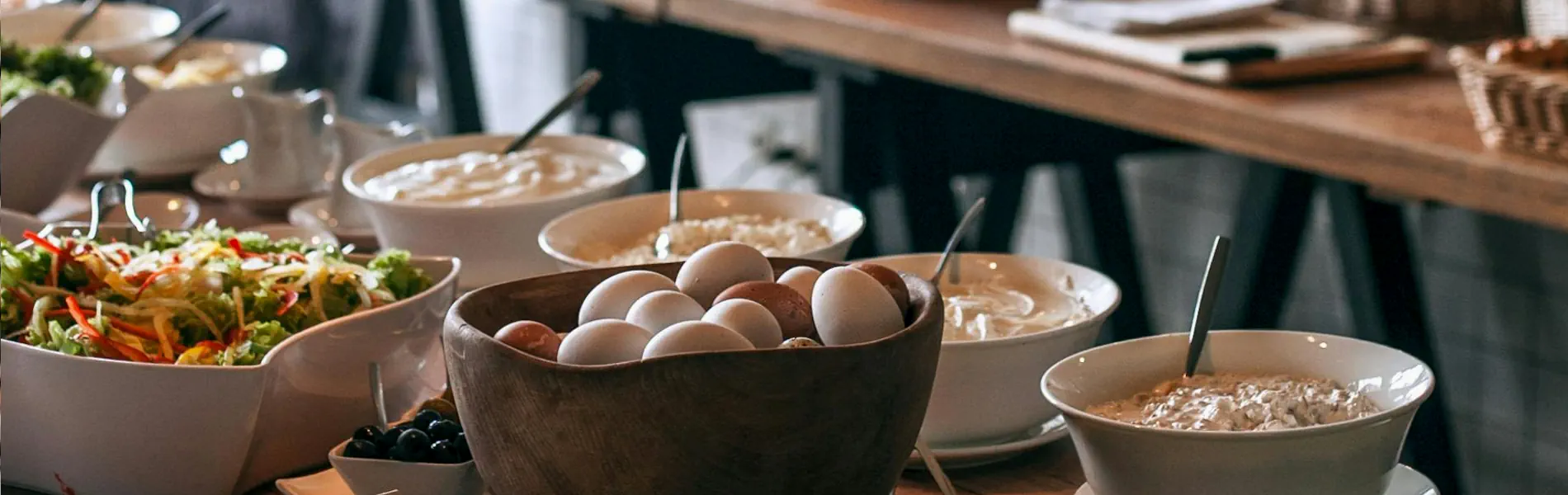
What Swedes eat for breakfast today reflects a balance of tradition and modern life. From classic staples like filmjölk and knäckebröd to café breakfasts in Stockholm, this guide explores how Swedish mornings remain simple, practical, and quietly evolving.
Modern Swedish breakfasts today are simple, balanced, and quietly evolving. While traditional staples like filmjölk and crispbread remain common, today’s breakfast table reflects a blend of tradition, convenience, and global influence.
In homes, cafés, and hotels across Stockholm, breakfast is less about indulgence and more about consistency—light, nourishing, and designed to start the day with ease.

For many Swedes, breakfast at home follows a familiar pattern—quick to prepare, easy to repeat, and nutritionally balanced.
A typical weekday breakfast might include:
This routine reflects the same principles explored in Swedish breakfast traditions—simplicity, balance, and consistency.
While the structure of breakfast remains traditional, the variety of foods has expanded in recent years.
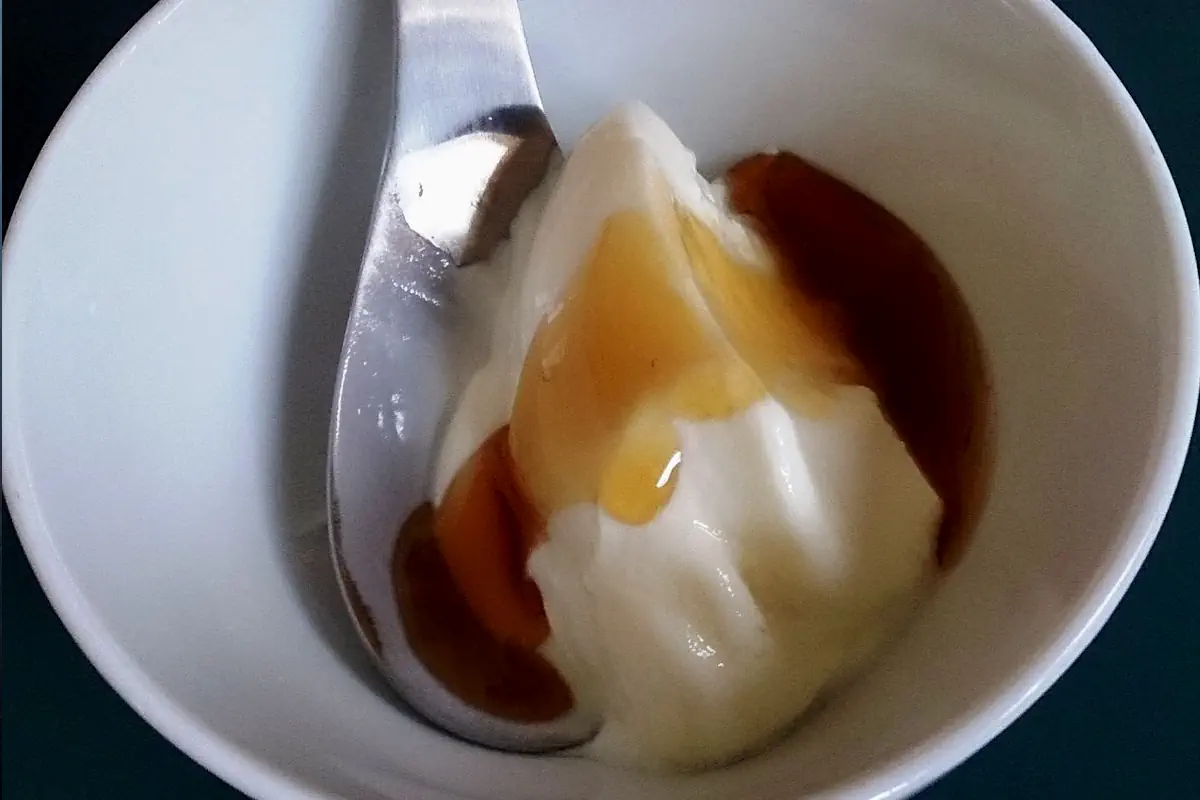
Still a cornerstone of Swedish mornings, filmjölk is often paired with granola, seeds, or fresh fruit. Yogurt—especially thicker, international styles—has also become more common.
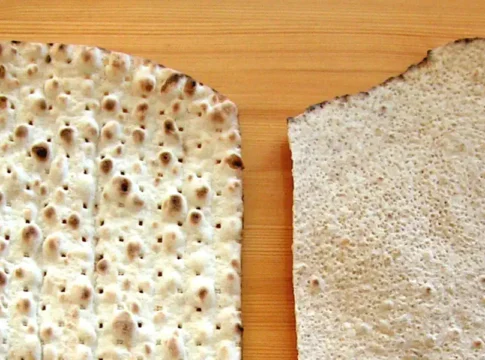
Crispbread remains a daily staple, typically topped with cheese, ham, or vegetables. Soft bread and open-faced sandwiches are also widely enjoyed.
Fresh berries, bananas, and seasonal fruit add natural sweetness. Many people also include nuts, seeds, or honey for added texture and flavor.
Coffee is essential to the Swedish morning. Usually brewed rather than espresso-based, it reflects Sweden’s strong coffee culture, closely tied to traditions like Swedish fika.
In Stockholm, breakfast is not limited to the home. Cafés and hotels offer a broader interpretation of the Swedish morning meal.
In areas like Södermalm and Vasastan, cafés often serve Nordic-style breakfasts that combine traditional ingredients with modern presentation.
Typical café or hotel breakfast options include:
Hotel breakfasts, in particular, are often more elaborate—sometimes including herring, salmon, and a wider range of breads and spreads.
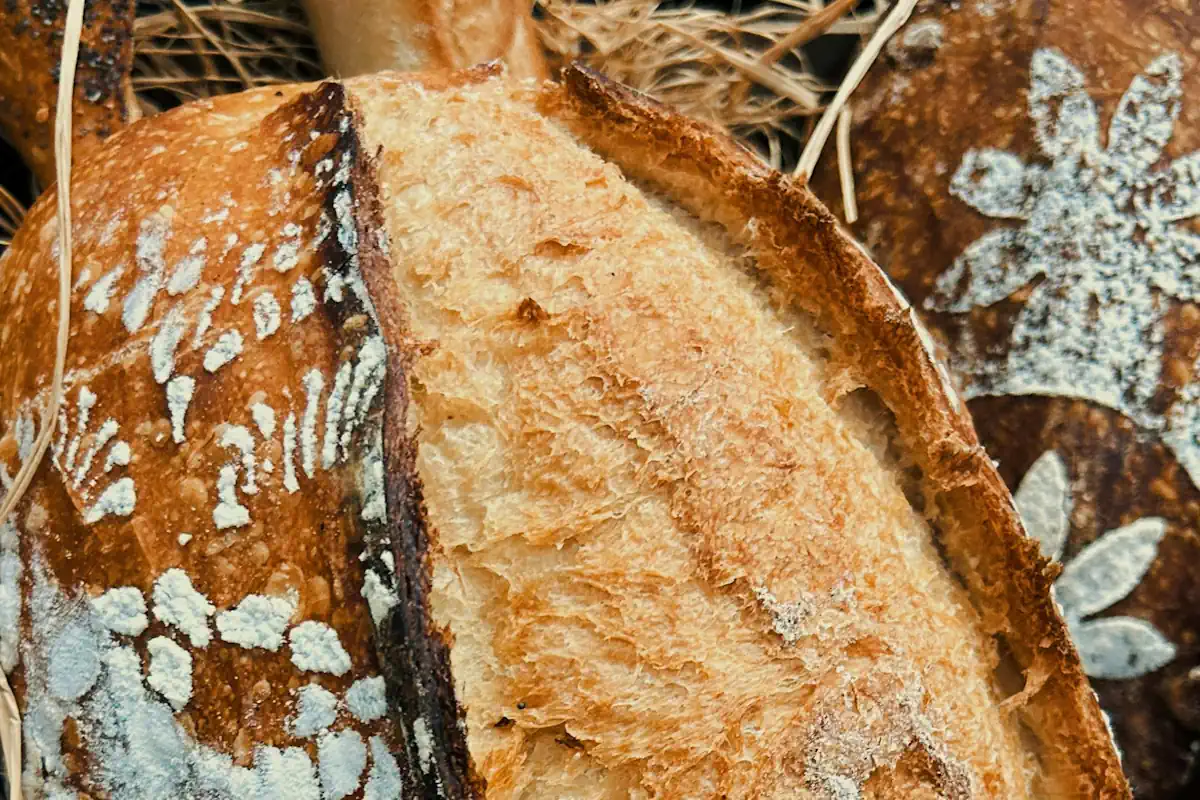
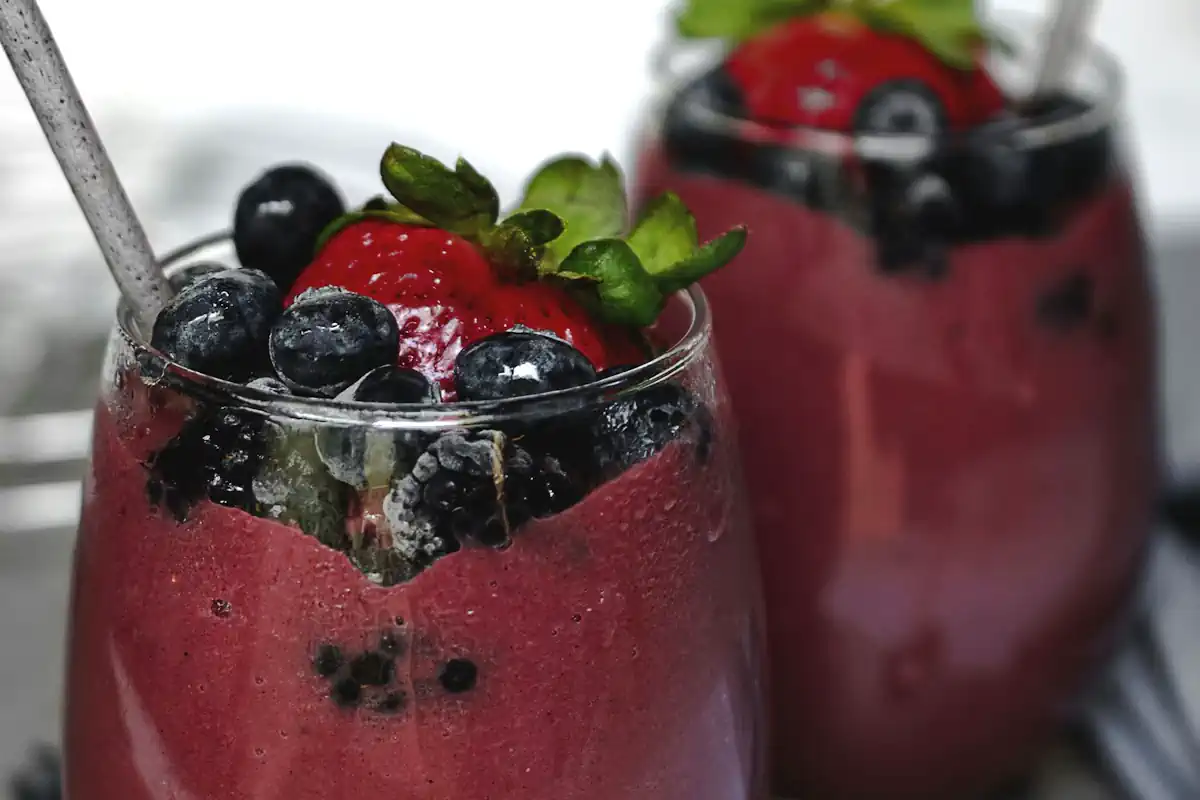
Today’s Swedish breakfast reflects a growing interest in health, sustainability, and global food trends.
Common modern additions include:
Despite these trends, the foundation remains the same—light, balanced, and practical. While these trends continue to evolve, they rarely replace traditional elements—instead, they sit alongside them, preserving the balance that defines Swedish breakfast culture.
Modern Swedish breakfasts are not a break from tradition, but an extension of it. The same principles that shaped historic food culture—preservation, simplicity, and routine—still define what people eat today.
Many of these habits connect directly to Sweden’s long history of fermented foods in Sweden, where products like filmjölk continue to play a central role.
What Swedes eat for breakfast today may appear understated, but it reflects a deeper philosophy—one that values balance, sustainability, and a steady start to the day.
For visitors, experiencing a Swedish breakfast offers a snapshot of modern life in Sweden: where tradition remains strong, but adapts naturally to the present.