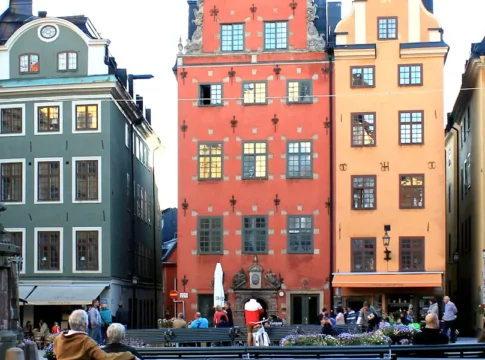





 Photo: Ainali (CC BY 4.0)
Maria Magdalena Church: Baroque Beauty on Södermalm
Experience Maria Magdalena Church, a Baroque treasure in Södermalm, Stockholm—renowned for its history, architecture, and vibrant parish life.

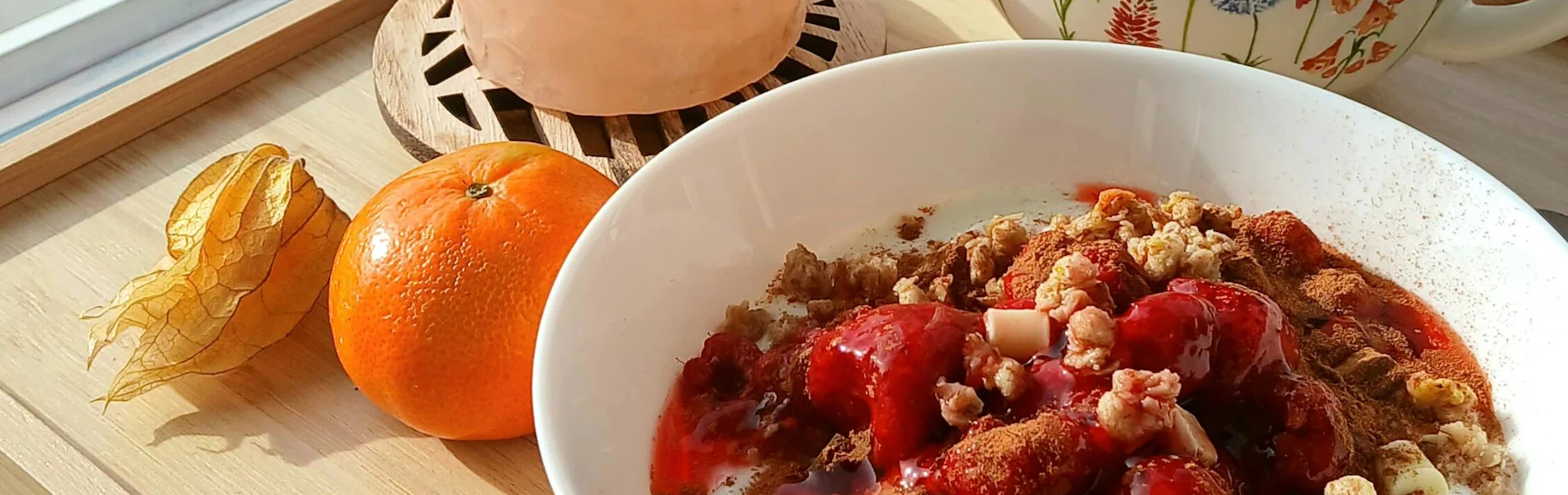
Swedish breakfast traditions reflect a culture of simplicity, balance, and routine. From classic staples like filmjölk and knäckebröd to modern café breakfasts in Stockholm, this guide explores what Swedes eat in the morning—and why these everyday rituals remain central to Swedish life.
Few meals in Sweden are as quietly consistent as breakfast—simple, nourishing, and deeply rooted in routine. A typical Swedish morning begins calmly, often with a bowl of filmjölk, crispbread, or a sandwich, reflecting a culture that values balance over indulgence.


Unlike heavier breakfast traditions found elsewhere, Swedish breakfasts tend to be light, practical, and repeatable—designed to sustain rather than overwhelm. These simple morning habits reflect the everyday routines that shape Swedish life.
A traditional Swedish breakfast is built around a few staple ingredients that have remained largely unchanged for generations. At its core is a combination of dairy, grains, and bread—simple foods shaped by the Nordic climate and long-standing preservation methods.
A typical breakfast might include:
These elements create a meal that is both light and sustaining—perfectly suited to the rhythm of Swedish daily life.
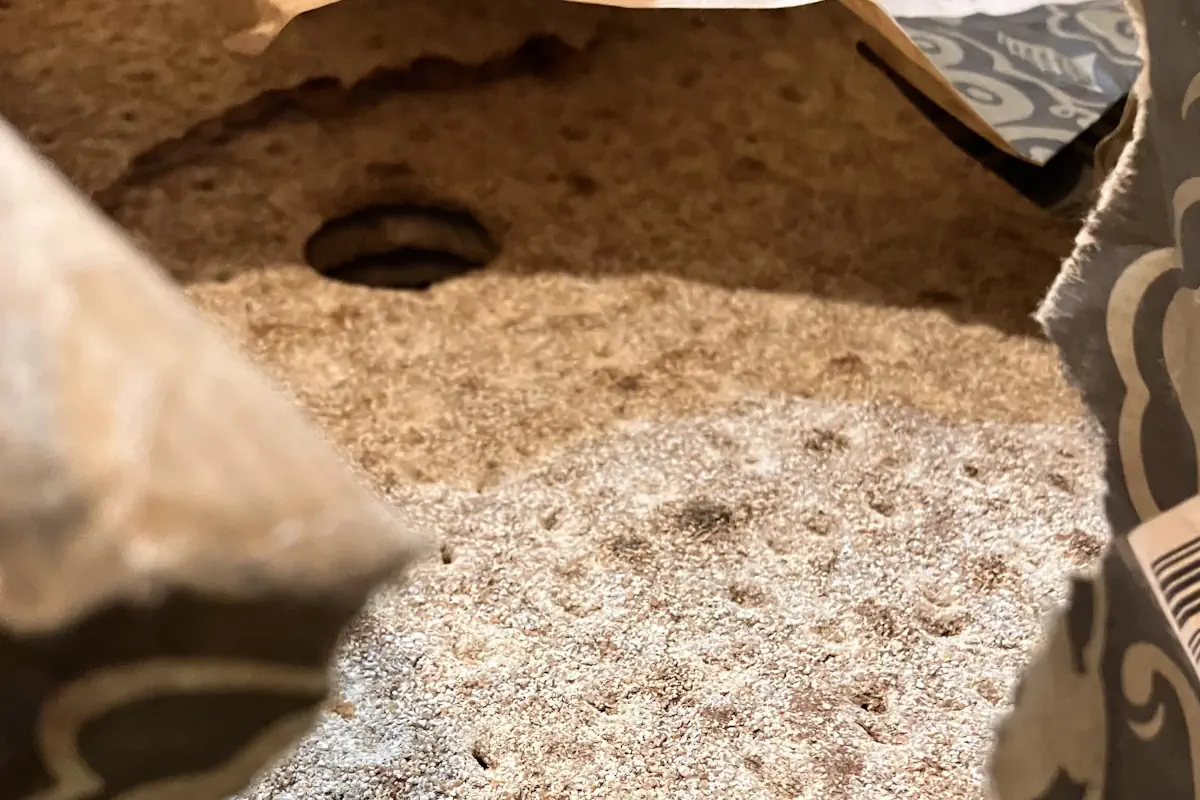

Swedish breakfasts are defined by a small number of iconic foods that appear again and again across households.
A cornerstone of Swedish breakfast culture, filmjölk is a fermented milk product with a mild, tangy flavor and a smooth, pourable texture. Often served with cereal or berries, it remains one of the most recognizable elements of the Swedish morning routine.
Crispbread is a daily essential in Sweden. With its long shelf life and satisfying crunch, it is typically topped with butter, cheese, or cold cuts.
Fresh and preserved berries—especially lingonberries—add natural sweetness and a connection to Sweden’s foraging traditions.
Cheese, butter, and soft spreads are common additions, reflecting Sweden’s strong dairy culture.
As part of Sweden’s wider food culture, these staples connect closely to other everyday dishes explored in traditional Swedish food and drinks.

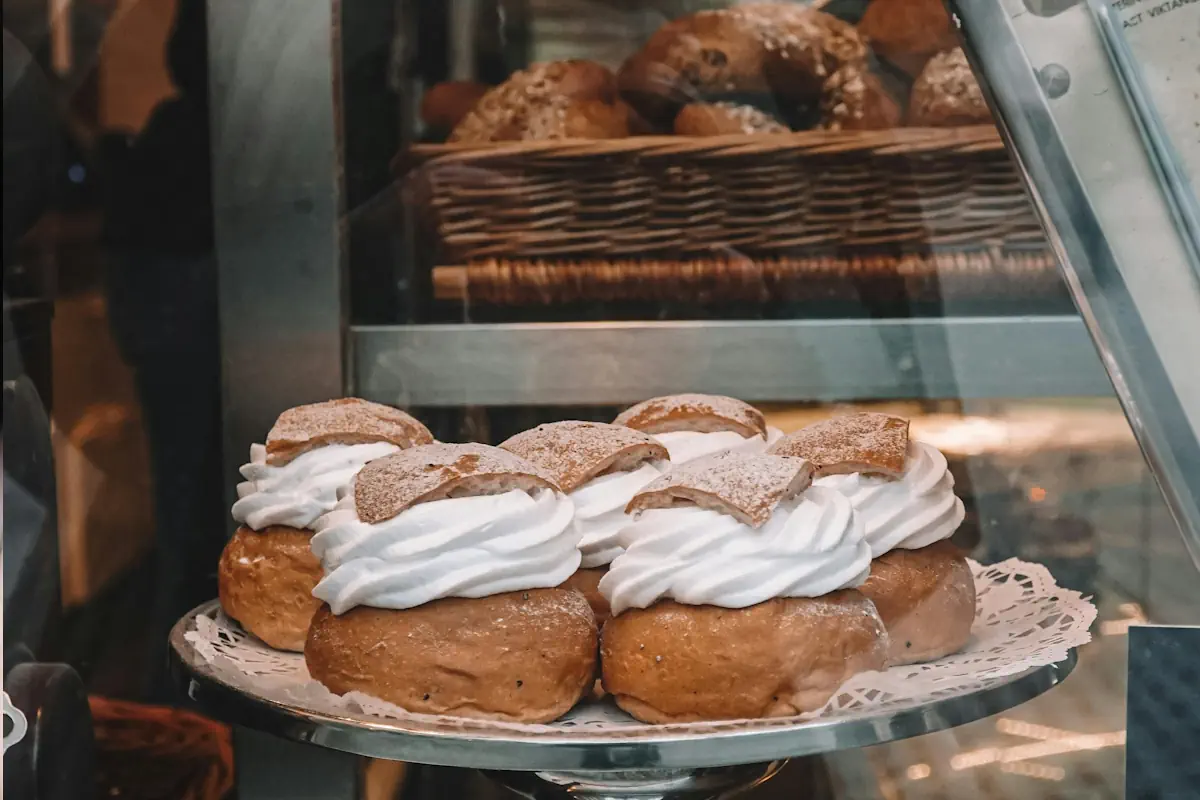
Swedish breakfast traditions have their roots in rural life, where food needed to be practical, filling, and easy to prepare. Fermented dairy products like filmjölk helped preserve milk, while crispbread provided a durable source of energy that could last through long winters.
Over time, these habits transitioned seamlessly into modern life. While supermarkets and global influences have expanded breakfast options, the core structure remains largely unchanged. Even today, many households still begin the day with filmjölk, reflecting the continuity of Swedish breakfast traditions.
Today, the same foods that once sustained farmers continue to define everyday life in Swedish cities. Many of these traditions also overlap with Sweden’s long history of fermentation, from dairy staples like filmjölk to preserved foods such as surströmming.
Unlike many countries where breakfast leans heavily toward sweet foods, Swedish breakfasts strike a balance between sweet and savory.
This balance reflects a broader Nordic approach to food—moderation, contrast, and natural flavors rather than excess sugar.
Breakfast in Sweden is more than just a meal—it is a reflection of the country’s values.
This approach aligns closely with other aspects of Swedish life, including the structured rhythms seen in Swedish fika and the broader culture of everyday rituals.
While traditional elements remain strong, modern Swedish breakfasts have evolved to include global influences such as granola, smoothies, and plant-based alternatives.
In areas like Södermalm and Vasastan, cafés often serve Nordic-style breakfasts that blend tradition with contemporary trends—think filmjölk with artisanal granola or sourdough bread with locally produced toppings.
Despite these variations, the essence of Swedish breakfast culture remains unchanged: simple, nourishing, and grounded in tradition.
Swedish breakfast traditions may appear understated, but they play a central role in daily life. From a bowl of filmjölk to a slice of crispbread, these small, consistent rituals reflect a broader philosophy—one that values balance, simplicity, and a steady start to the day.
For visitors, experiencing a Swedish breakfast offers more than just a meal—it provides a glimpse into the rhythms and values that shape everyday life in Sweden.