





 Photo: Public domain/collage
The 1809 Swedish Constitution: From Absolutism to Modern Governance
Learn how Sweden’s 1809 Constitution ended absolutism, reshaped the monarchy, and laid the foundation for modern democratic governance.

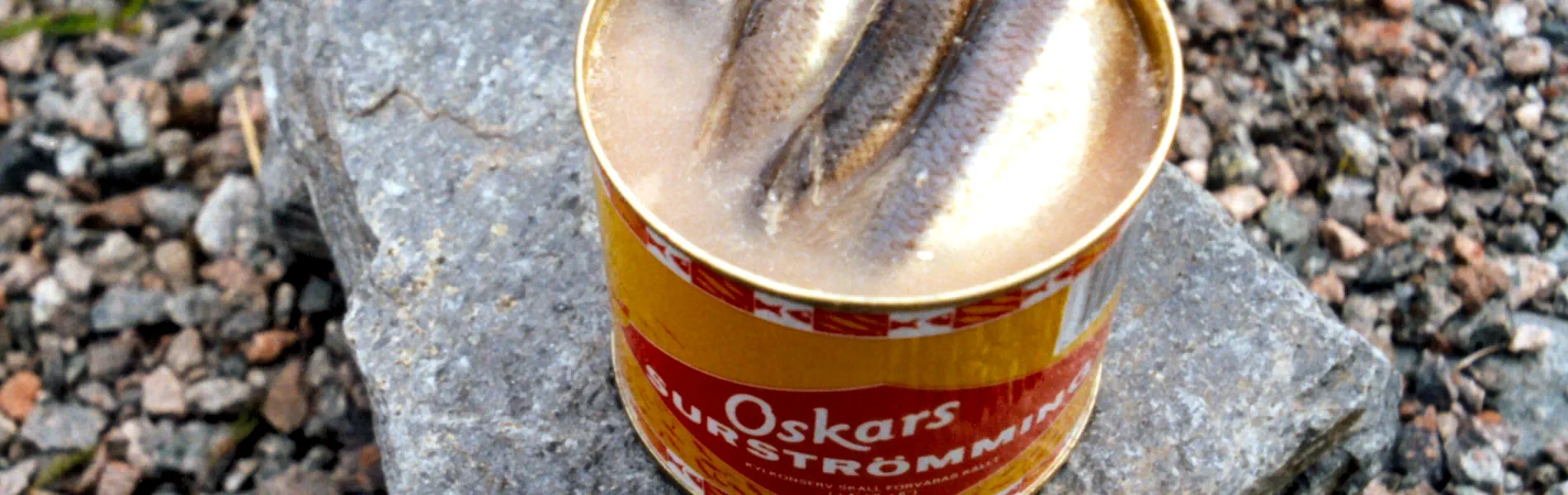
Fermented foods in Sweden reflect centuries of Nordic tradition, where preservation was essential for survival. From mild dairy products like filmjölk to intensely flavored delicacies such as surströmming, fermentation continues to shape Swedish food culture, balancing everyday simplicity with bold seasonal traditions.
Fermentation has long played a central role in the preservation of food in Sweden, shaping both tradition and everyday life. Long before refrigeration, preserving food was essential for survival—especially in a Nordic climate defined by long winters and short growing seasons.
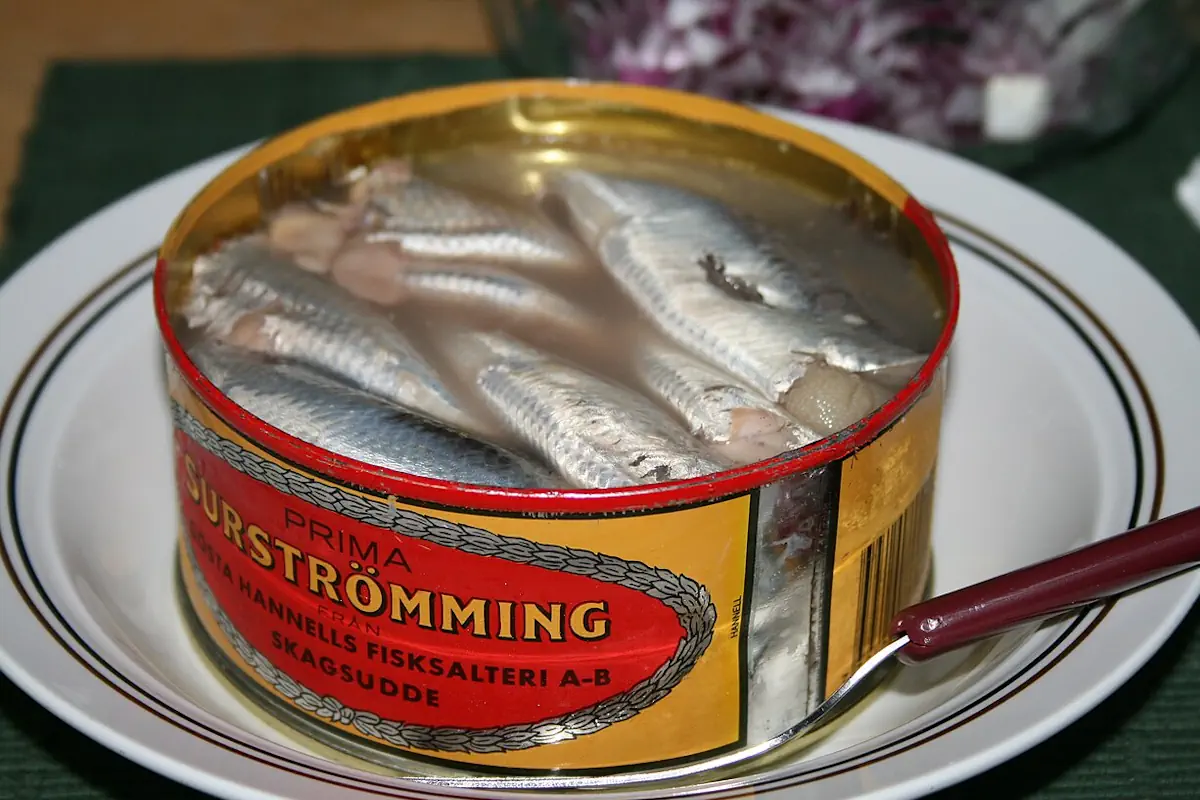
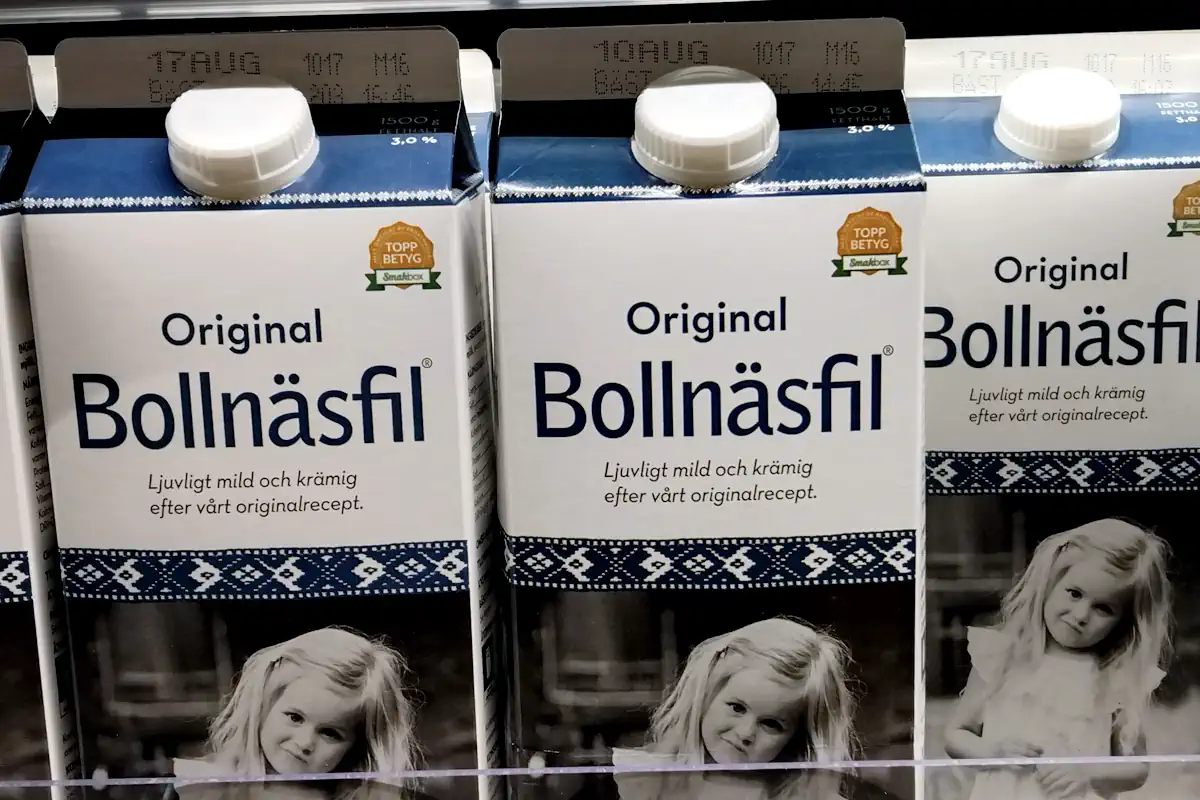
From mild dairy products like filmjölk to bold delicacies like surströmming, fermented foods in Sweden reflect a tradition built on necessity, adaptation, and taste.
In Sweden, fermentation was never just a culinary technique—it was a necessity. Before modern storage methods, fermenting food extended shelf life while enhancing nutritional value.
This approach shaped many of the foods still eaten today, particularly in everyday meals such as those found in Swedish breakfast traditions.
Fermentation also contributed to flavor complexity, creating the distinctive tastes that define Swedish cuisine.
Swedish fermentation spans several food categories, each with its own role in daily life and tradition.
Fermented dairy products are among the most common and widely consumed in Sweden.
Unlike stronger fermented foods, these are part of everyday routines—especially breakfast. These foods are a daily part of Swedish breakfast traditions and remain common in modern Swedish breakfasts.

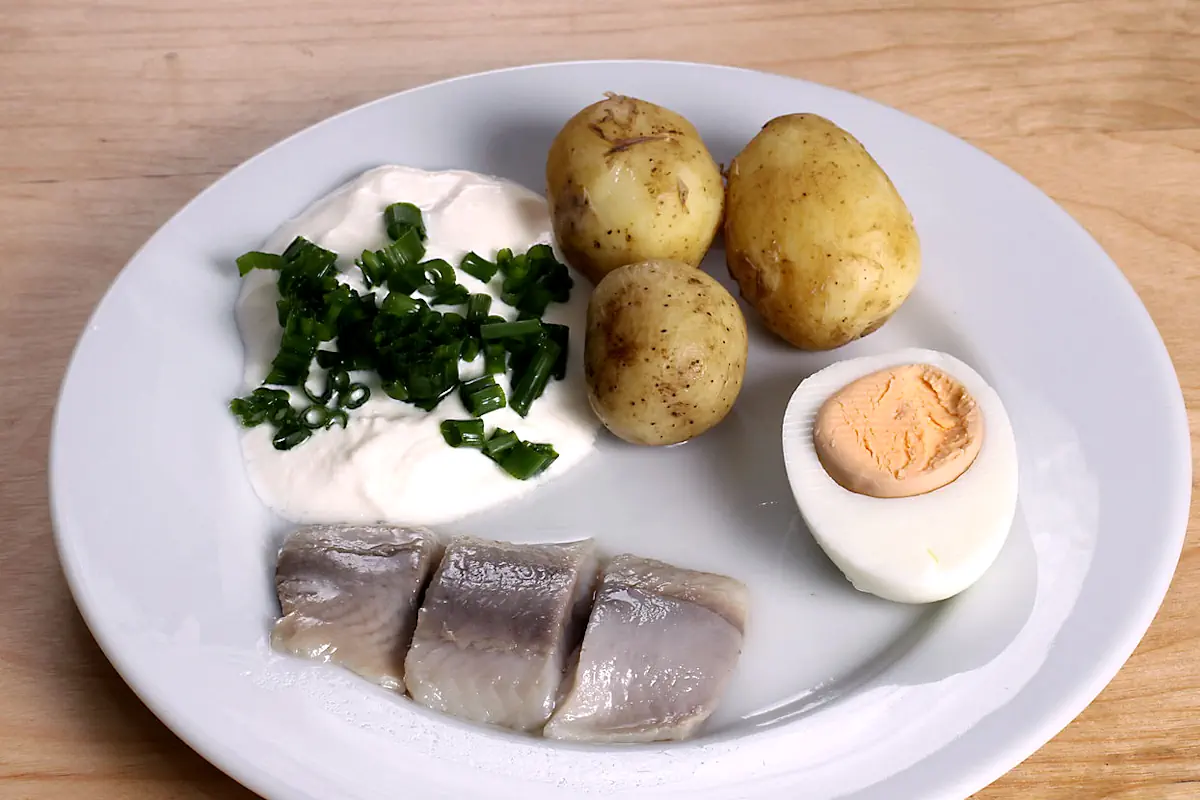
Perhaps Sweden’s most famous (and infamous) fermented food is surströmming, this fermented herring delicacy.
Fermented Baltic herring, known for its intense aroma, develops a strong and distinctive flavor, making it a seasonal delicacy rather than an everyday food.
This contrast highlights the range of Swedish fermentation—from subtle to intense.
Fermentation also plays a role in traditional Swedish bread.
Crispbread such as knäckebröd relies on fermentation during preparation, contributing to both flavor and longevity.
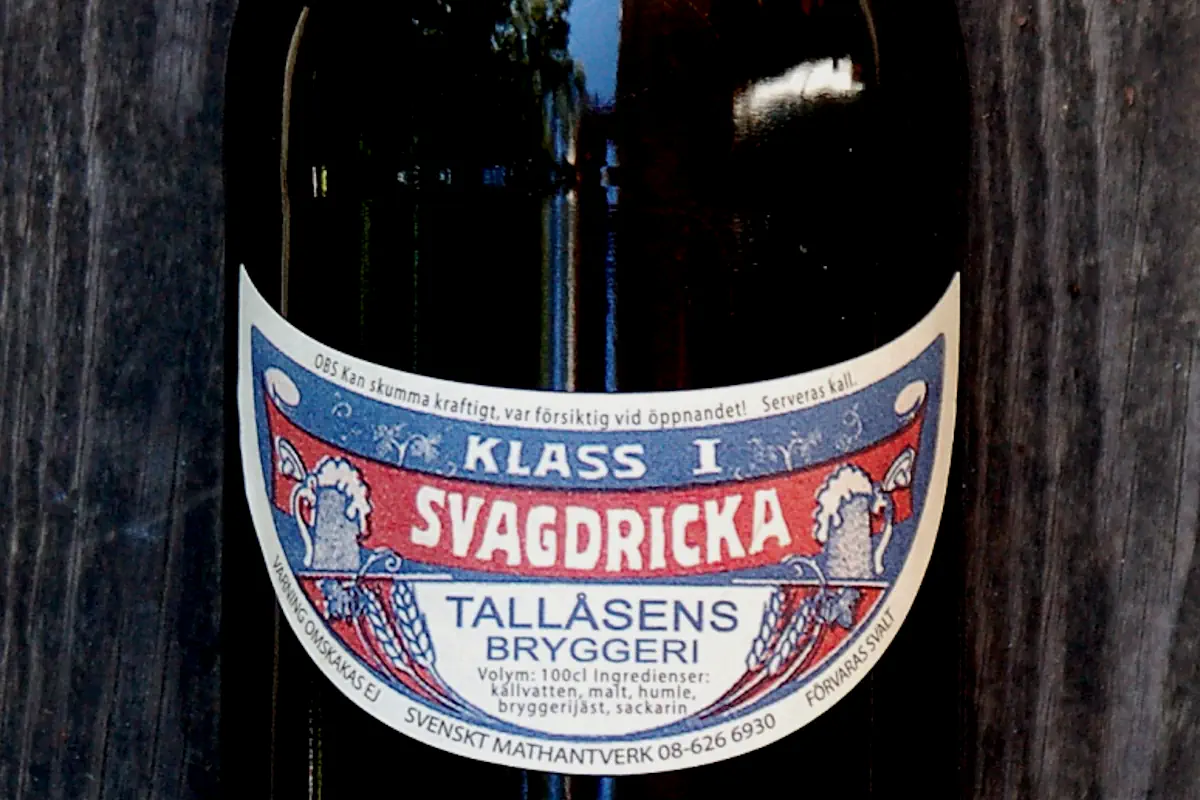
Sweden’s fermentation traditions extend to drinks as well.
These beverages reflect the same preservation techniques applied to solid foods.

Not all fermented foods are used in the same way.
This distinction reflects how Swedish food culture balances practicality with tradition.
Today, fermentation is no longer essential for survival—but it remains central to Swedish food identity.
Modern supermarkets offer a wide range of fermented products, while restaurants and cafés increasingly revisit traditional techniques through a contemporary lens.
In areas like Södermalm and Vasastan, fermentation has even become part of modern Nordic cuisine, blending heritage with innovation.
Fermented foods in Sweden are more than historical artifacts—they are living traditions. From a simple bowl of filmjölk to the bold experience of surströmming, fermentation continues to shape how Swedes eat, cook, and connect with their culinary past.
This spectrum—from mild dairy to intensely fermented fish—offers visitors a deeper understanding of Sweden itself: its climate, its history, and its enduring respect for simplicity and balance.