


 Photo: © StockholmMuseum.com
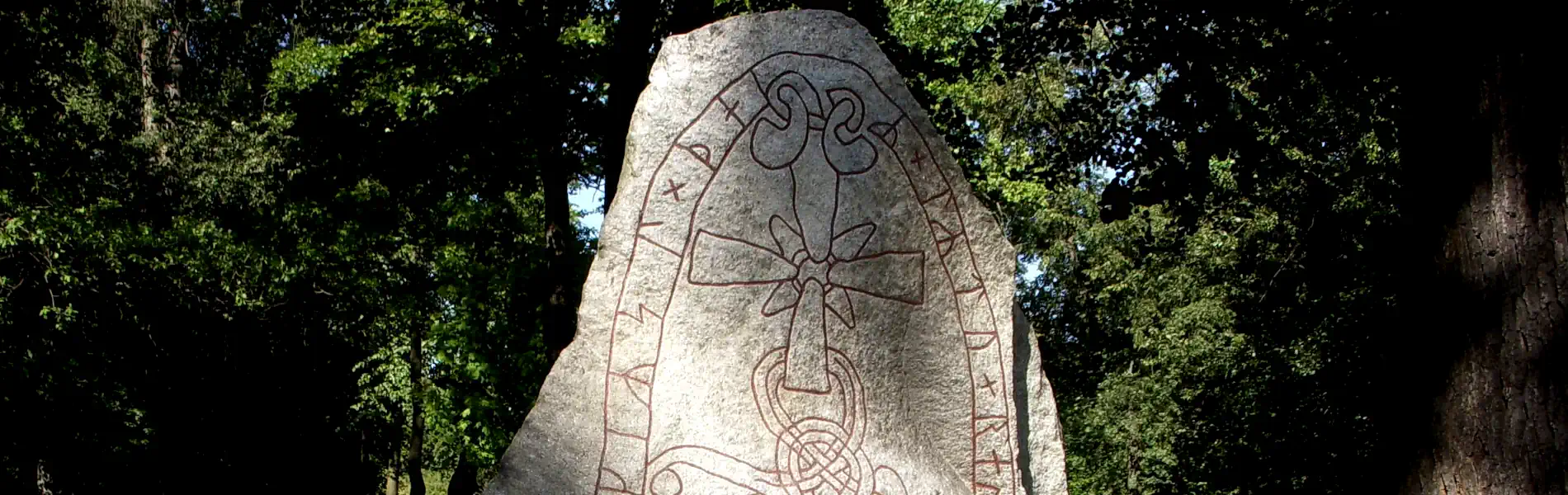
Rune stones in Stockholm offer a direct link to the Viking Age, with ancient inscriptions still visible across the city. From Gamla Stan to Skansen and Bromma, these stones reveal stories of family, travel, and belief carved over 1,000 years ago. Learn how runes work, what they mean, and where to see some of Stockholm’s most fascinating Viking monuments in this complete guide.
Scattered across Stockholm are ancient messages carved in stone—remnants of the Viking Age that still stand quietly in parks, streets, and historic corners.
These rune stones are not locked behind glass or confined to museums. Many remain exactly where they were placed over a thousand years ago, offering a rare and direct connection to Sweden’s earliest written history.
From hidden alleyways in Gamla Stan to open green spaces across the city, rune stones reveal stories of travel, family, belief, and memory—etched into the landscape itself. Stockholm’s Viking history is also visible in places like Swedish History Museum and the ancient site of Birka.
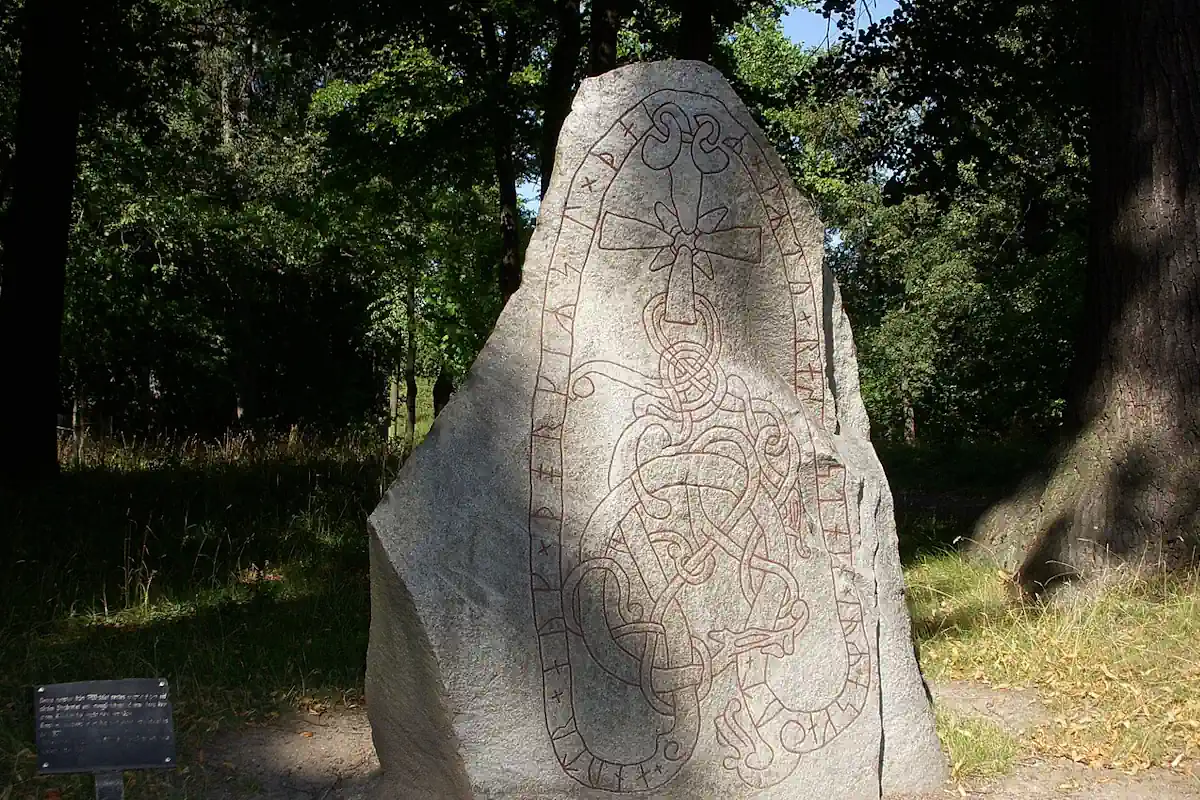
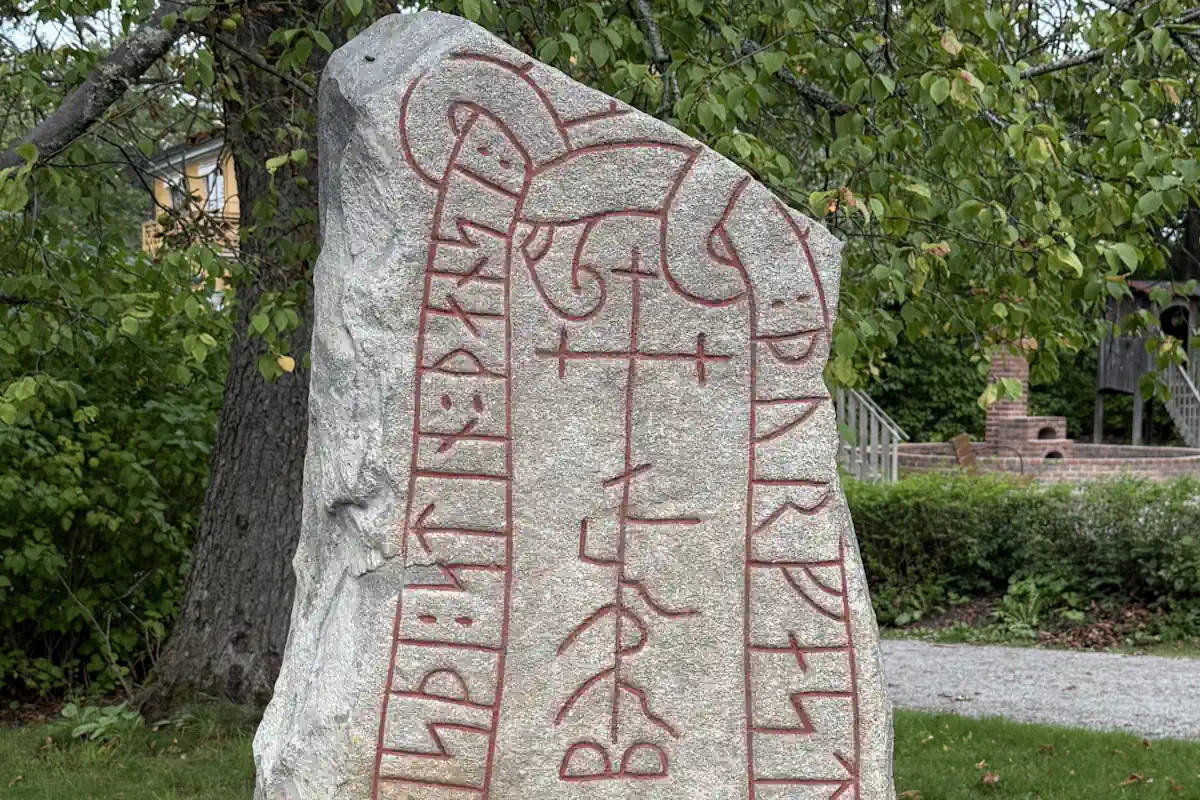
Rune stones are raised stones carved with runic inscriptions, created primarily during the Viking Age (c. 800–1100 AD). They were often commissioned by families to commemorate the dead, celebrate achievements, or mark important events.
Unlike later monuments, rune stones were not meant as distant history—they were part of everyday life, placed along roads, near farms, or at gathering points where people would see and read them.
Sweden has one of the highest concentrations of rune stones in the world, with thousands recorded—many located in the region around Stockholm. The inscriptions on rune stones were written using the runic alphabet, known as the Futhark, named after its first six characters. There were different versions over time, but during the Viking Age, the Younger Futhark was most commonly used in Scandinavia.
Unlike modern alphabets, runes were designed to be carved into wood or stone—made up of straight lines rather than curves.
Reading runes is surprisingly accessible once you understand the basics:
For example, a name like “Karl” might appear as:
ᚴᛅᚱᛚ
Rather than telling long stories, many rune stones follow a simple formula:
“X raised this stone in memory of Y”
Yet within that simplicity lies a powerful sense of presence—real people, real lives, remembered across centuries.
Rune stones can be found across Stockholm—sometimes in expected places, but often hidden in plain sight.
Across Stockholm, several rune stones and carved rock surfaces (runhällar) remain visible today—each carrying a personal message from the Viking Age.
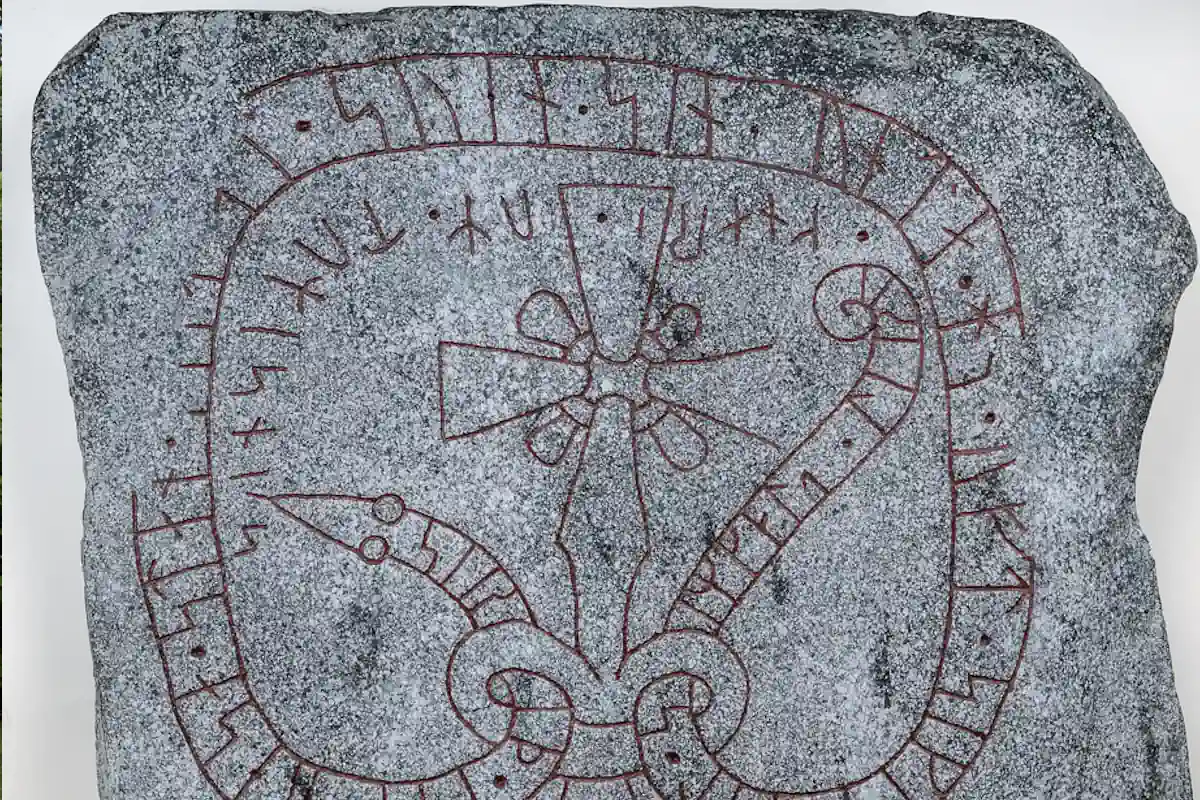
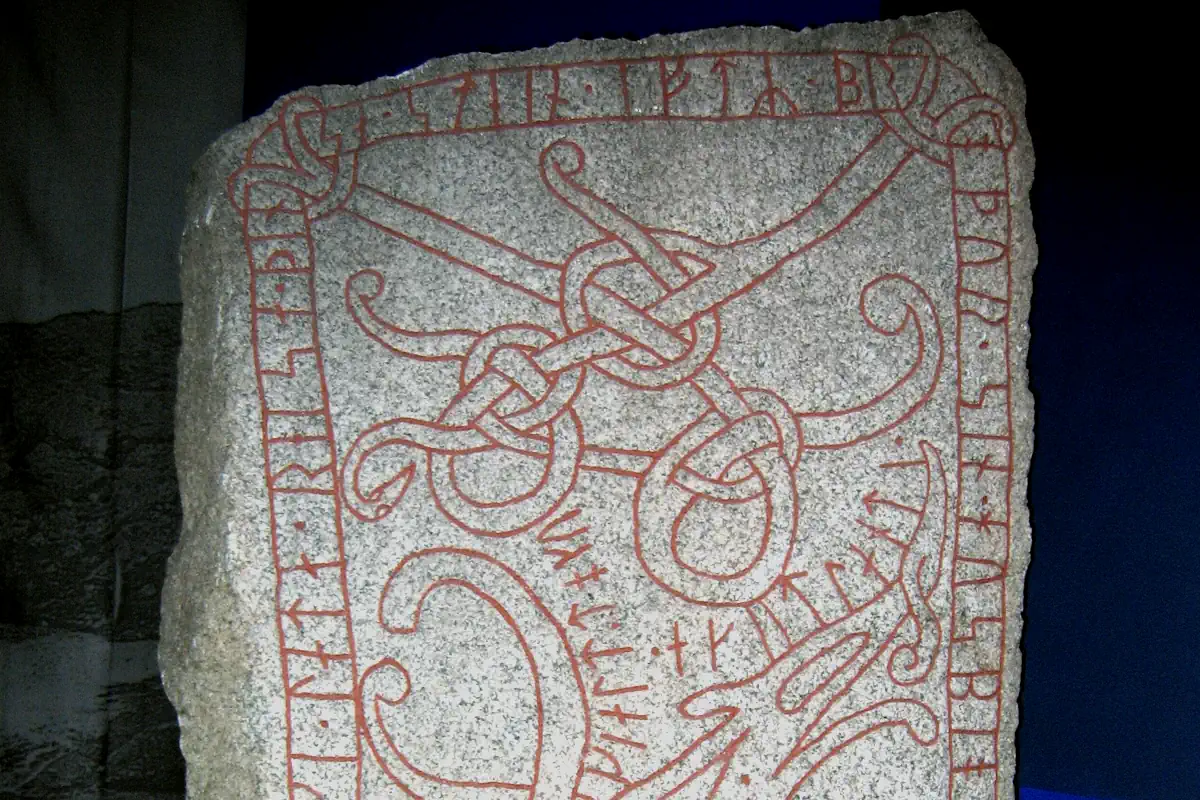
At the Swedish History Museum, visitors can explore one of the most comprehensive collections of rune stones in Sweden.
Here, inscriptions are preserved, translated, and placed in context—making it the ideal place to understand their meaning and significance.
Located near Karlberg Palace, this rune stone carries a classic memorial inscription:
“Anund and Torgils had the stone raised in memory of Åsgöt.”
A simple but powerful reminder of family ties and remembrance during the Viking Age.
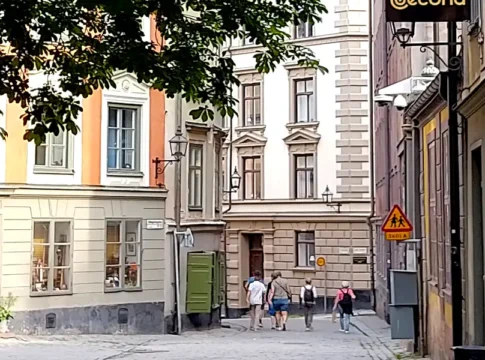
Hidden along Prästgatan in Gamla Stan, this stone is one of the most centrally located rune inscriptions in Stockholm.
“Torsten and Frögunn had the stone raised in memory of …, their son.”
Though partially damaged, it reflects the deeply personal nature of many rune stones.
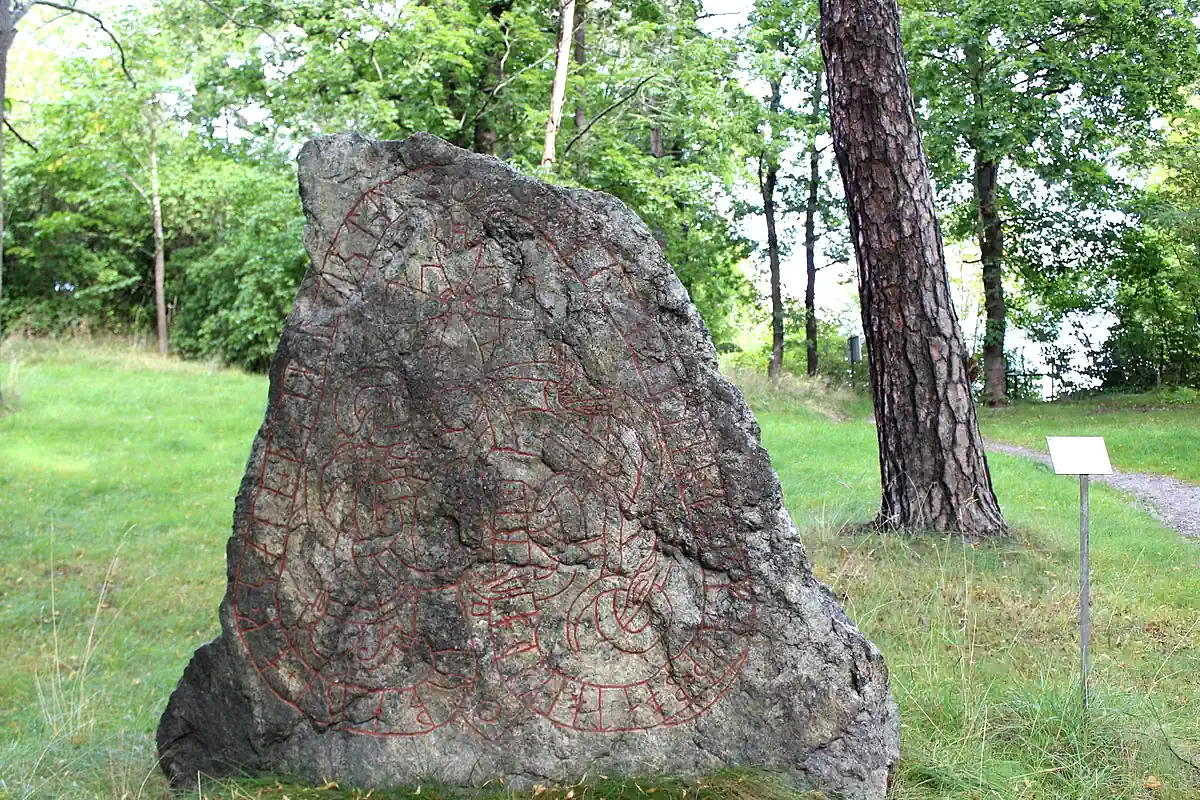
Located at Skansen on Djurgården, these paired stones form part of a larger historical setting.
“Gärdar and Jorund had these stones raised in memory of their nephews Ärnmund and Ingemund.”
These inscriptions highlight extended family relationships—an important aspect of Viking society.
Near the Haga Norra area, this rune stone connects to the landscapes just north of central Stockholm.
“Jobjörn (Öbjörn) and Sven (Sten) raised the stone in memory of Torfred, husband of Ingetora.”
The inscription reflects both family bonds and social identity, including named relationships.
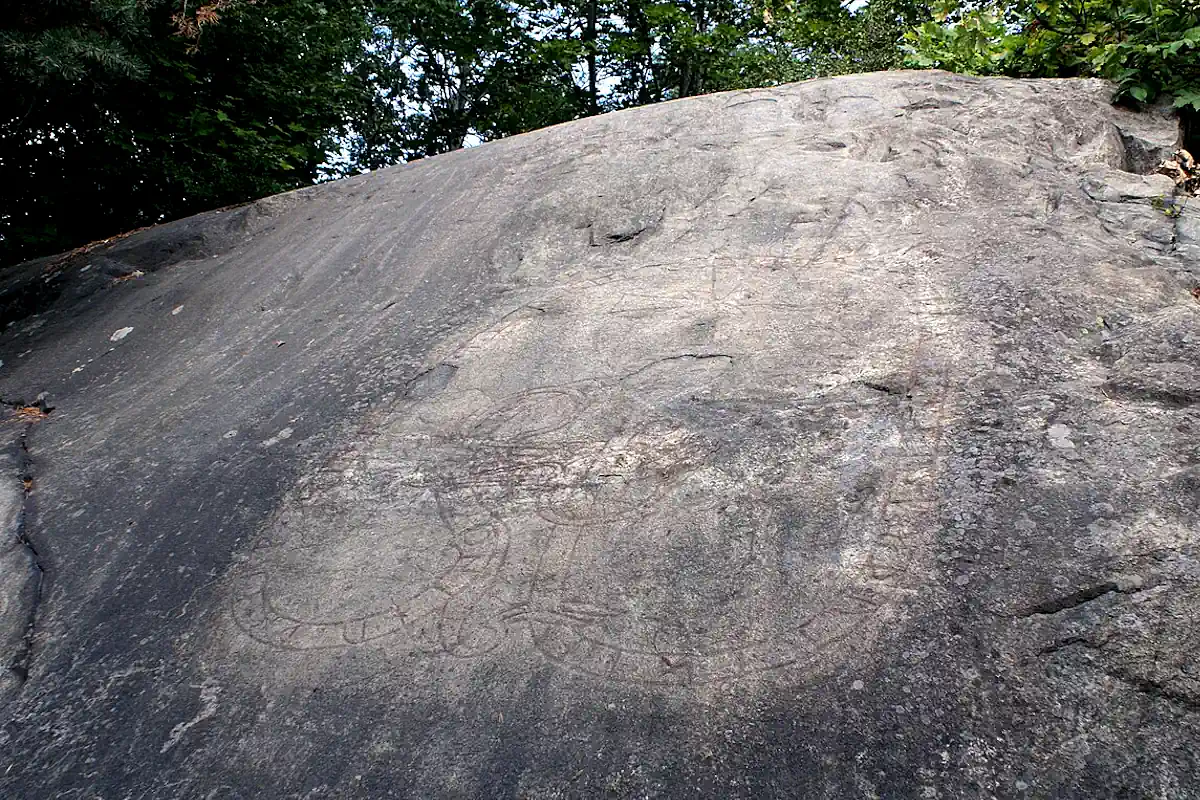
Unlike raised stones, this inscription is carved directly into bedrock along Drottningholmsvägen in Bromma.
“Sigvid and Sigrev had this stone carved in memory of Senar, their father.”
Runhällar like this offer a slightly different experience—where the landscape itself becomes the monument.
Many rune stones can be combined into a self-guided walk or short trips across the city:
This makes it easier to experience Stockholm’s Viking history in a single day.
Rune stones are more than inscriptions—they are fragments of human stories.
They reveal:
Together, they offer insight into a society in transition—from pagan traditions to Christianity, from local communities to wider connections across Europe.
Rune stones are among the earliest written records in Sweden. They preserve voices from a time before chronicles and archives—direct, personal, and unfiltered.
In a rapidly changing world, they offer something rare:
👉 continuity
👉 presence
👉 connection across time
Stockholm is often seen as a modern, forward-looking city—but beneath its streets and parks lies a much older story.
Rune stones remind us that history here is not distant. It is close, visible, and part of everyday life.
👉 Walk through Stockholm, and you may pass a message that has been waiting over a thousand years to be read.