


 Photo: Public domain
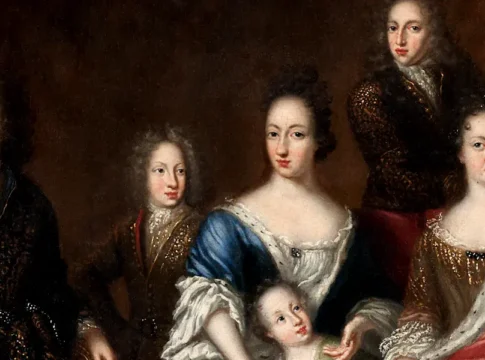
Ulrika Eleonora: Sweden’s Compassionate Queen & Peacemaker
Discover Ulrika Eleonora, Sweden’s compassionate 17th-century queen, remembered for her charity, her Danish origins, and her quiet influence on Stockholm.


Alfred Nobel (1833–1896) was a Swedish inventor, industrialist, and philanthropist best known for creating dynamite and establishing the Nobel Prize. His legacy transformed Stockholm into a global stage for science, literature, and peace—where innovation and human achievement are celebrated each year through one of the world’s most prestigious and influential awards.
Among Stockholm’s many historic voices, few resonate as strongly as Alfred Nobel’s. Renowned worldwide as the inventor of dynamite and the visionary behind the Nobel Prize, Nobel’s influence is etched into the city’s identity—from museum exhibits to ceremonial halls.
This article traces Alfred Nobel’s life in Stockholm, from invention to legacy, and explores how his vision continues to shape one of the world’s most influential cultural institutions.
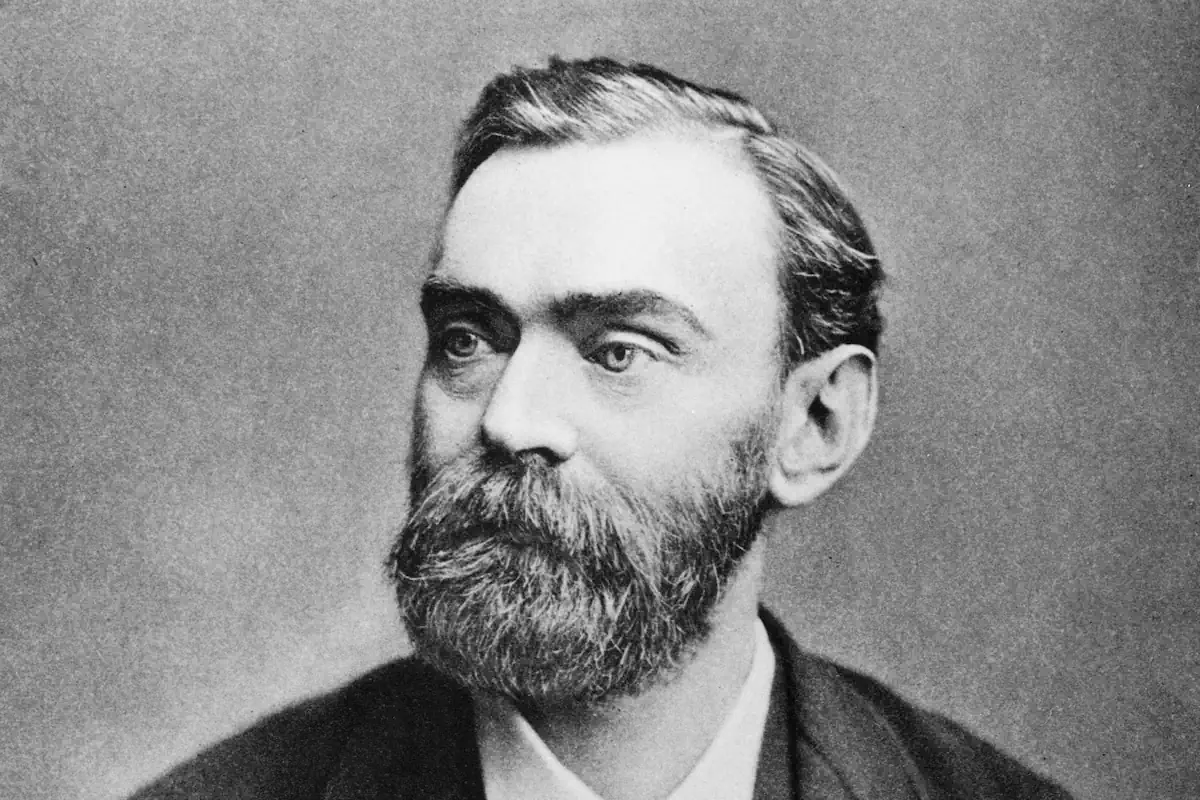
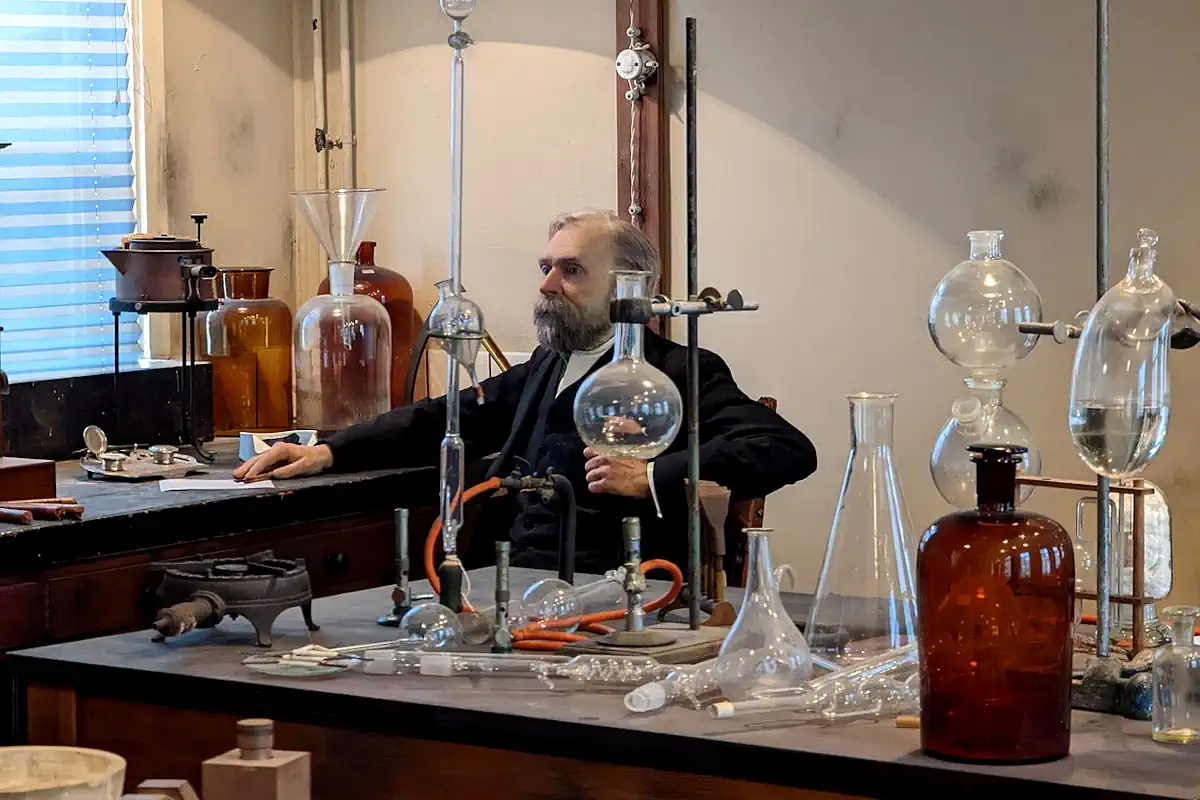
Alfred Bernhard Nobel was born on October 21, 1833, in Stockholm, into a family of inventors. His father, Immanuel Nobel, was an engineer whose career brought the family to Russia, where Alfred received much of his early education. Despite financial ups and downs, Nobel became fluent in several languages and developed a keen interest in chemistry and physics.
His restless curiosity led him to study with leading scientists of the time. Fascinated by explosives, he perfected the safe handling of nitroglycerin and in 1867 introduced dynamite, an invention that revolutionized construction, mining, and engineering worldwide.
By the time of his death in 1896 in San Remo, Italy, Nobel held 355 patents and owned 93 factories across 20 countries. He is buried in Stockholm’s Norra Begravningsplatsen (Northern Cemetery), leaving behind not just a fortune, but a vision for peace and progress through science.
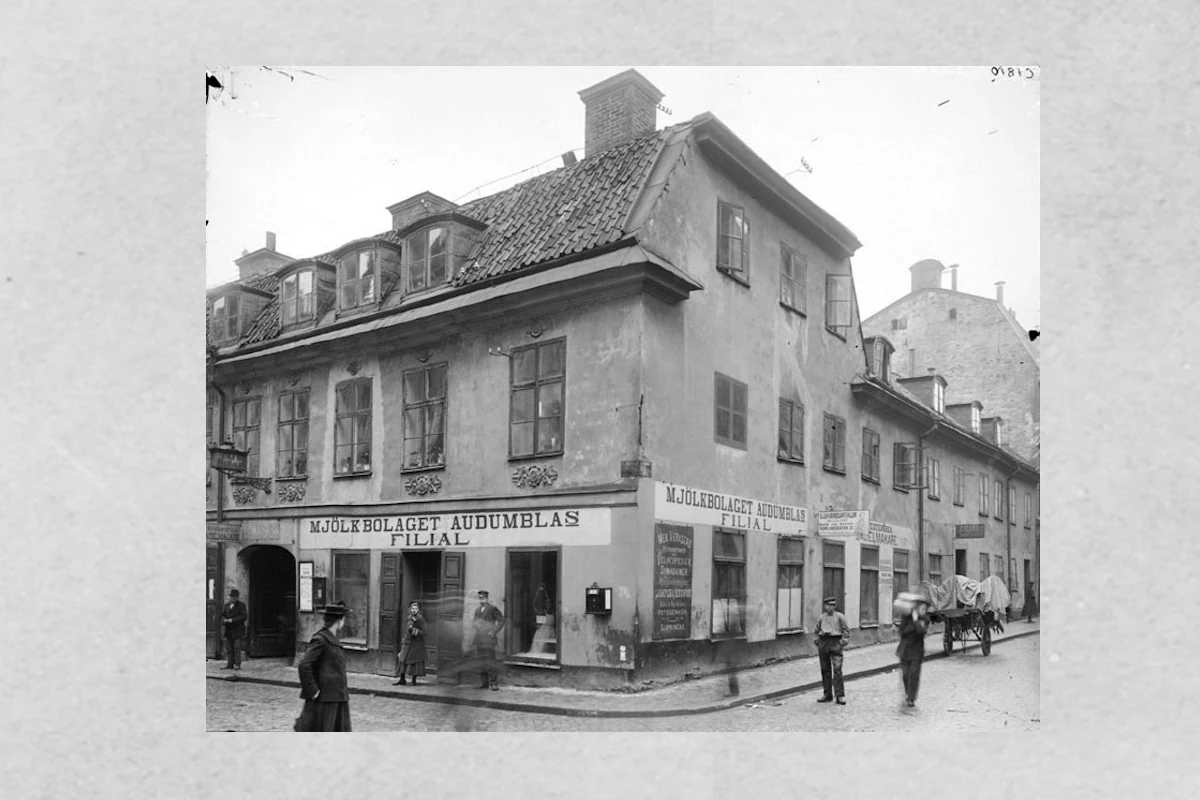
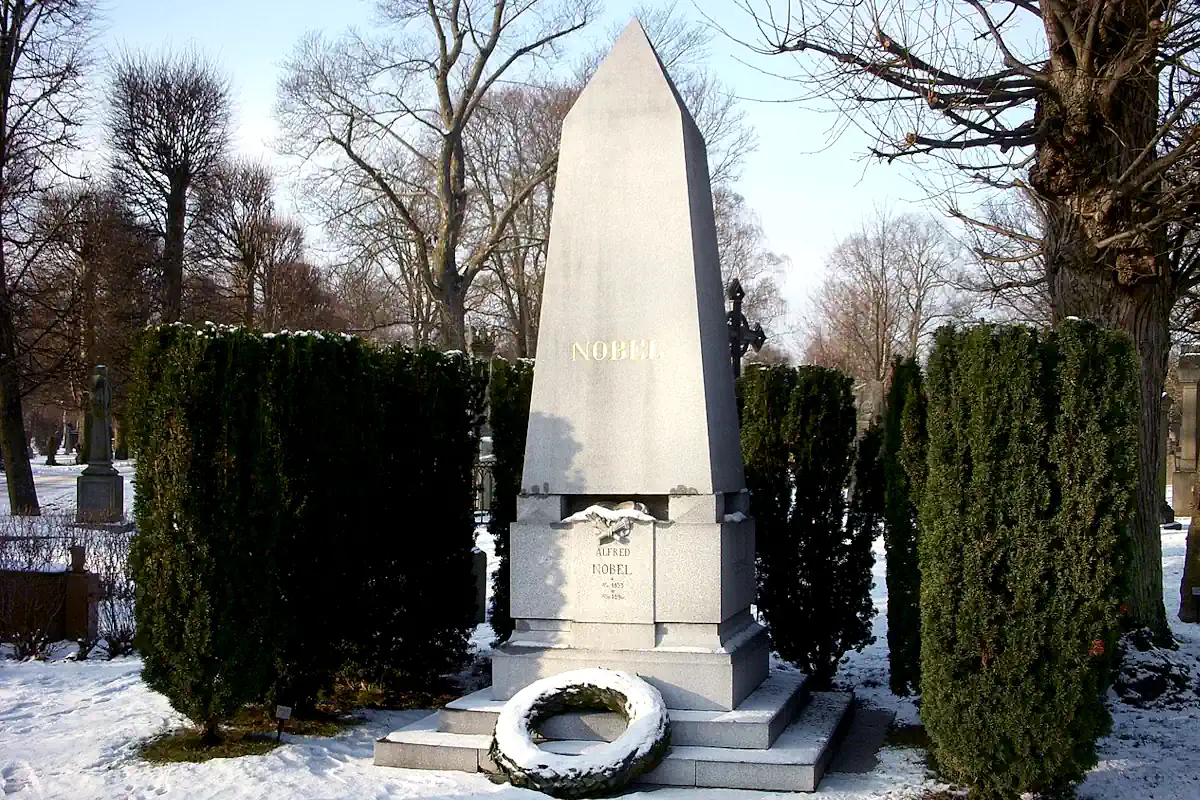
While dynamite is Nobel’s most famous invention, his creativity extended across industries:
His influence was immortalized again in 1950 when element 102 of the periodic table was named Nobelium.
In 1895, Nobel’s will set aside the bulk of his fortune to establish prizes in physics, chemistry, medicine, literature, and peace. The first Nobel Prizes were awarded in 1901, launching a tradition that has since become one of the world’s most prestigious honors.
Every December, Stockholm’s city center hosts the Nobel Prize ceremonies at the Concert Hall. Meanwhile, the Peace Prize is awarded in Oslo, as Nobel specified. Visitors can explore this living history at the Nobel Prize Museum in Gamla Stan.
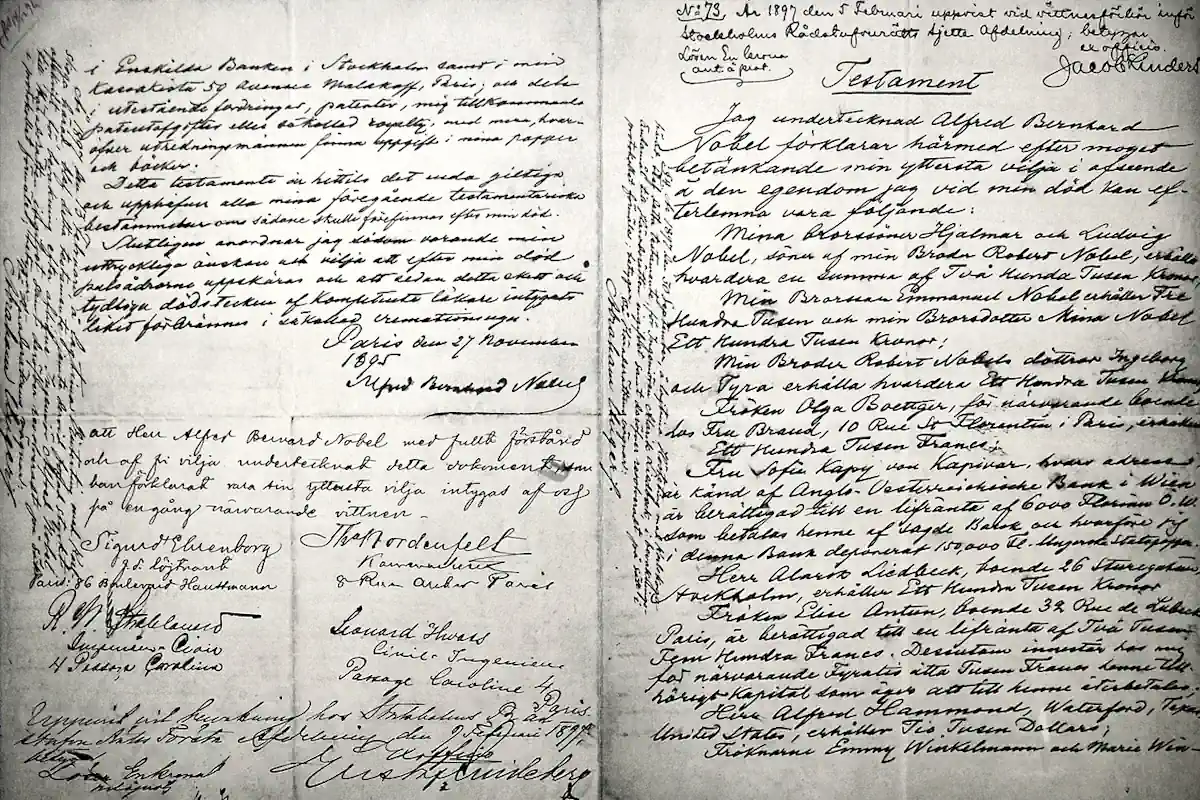
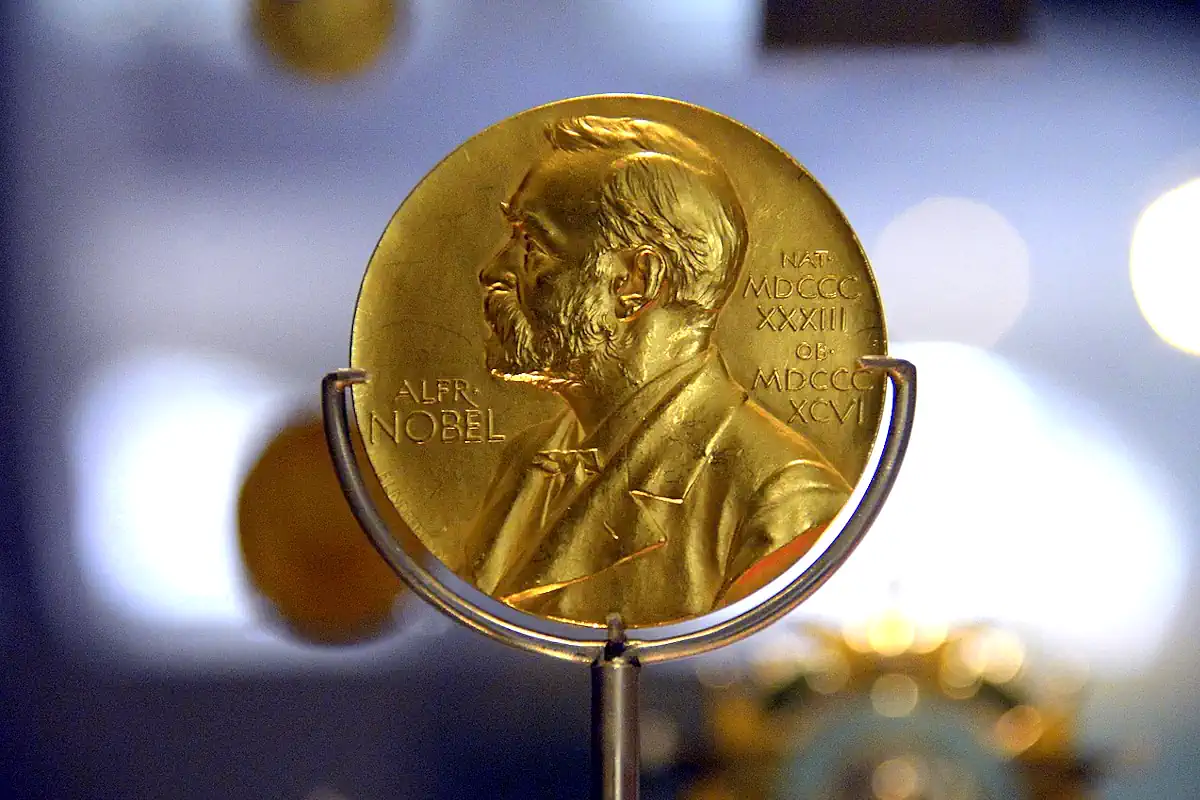
Stockholm offers several sites where Nobel’s presence is still felt:
Stockholm’s tradition of pioneering inventors continues beyond Nobel, with figures like Håkan Lans shaping modern technology and navigation.
Stockholm doesn’t just remember Alfred Nobel—it embodies his vision. From the cobbled streets of Gamla Stan to the golden halls of the Nobel Banquet, the city reflects the life of an inventor who transformed his fortune into a legacy of peace, progress, and profound human achievement. Like other influential Swedish figures such as Artur Hazelius, Nobel helped shape how Sweden presents its identity to the world—through ideas, culture, and lasting institutions.
Alfred Nobel
Alfred Nobel