
Gustav IV Adolf’s reign ended in crisis, military defeat, and a dramatic coup that reshaped Sweden. His fall in 1809 dissolved the Gustavian line and opened the way for the 1809 Constitution, marking the transition from absolutism to modern governance.
Few Swedish monarchs have left behind a legacy as dramatic as Gustav IV Adolf (1778–1837). His reign ended in military defeat, political turmoil, and a coup staged inside the Royal Palace of Stockholm. His downfall in 1809 not only ended the Gustavian dynasty but also opened the way for the 1809 Constitution — the turning point that reshaped Sweden into a modern constitutional state.
Born in 1778, Gustav IV Adolf was the son of Gustav III, whose assassination in 1792 cast a long shadow over the young prince’s life. Raised under a regency, he ascended the throne in 1796 with high expectations: a moral, principled ruler shaped by Enlightenment ideals and deep personal piety. Yet the same moral rigidity that defined his character would later shape his downfall.
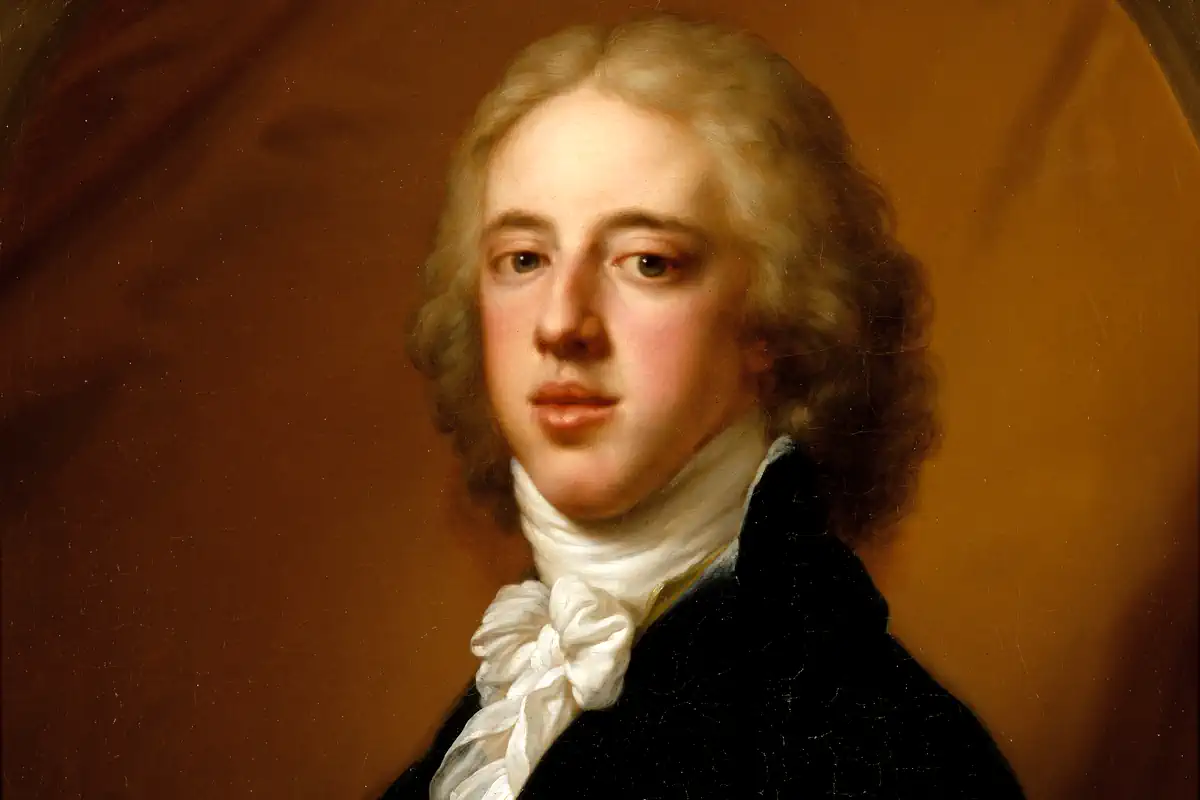
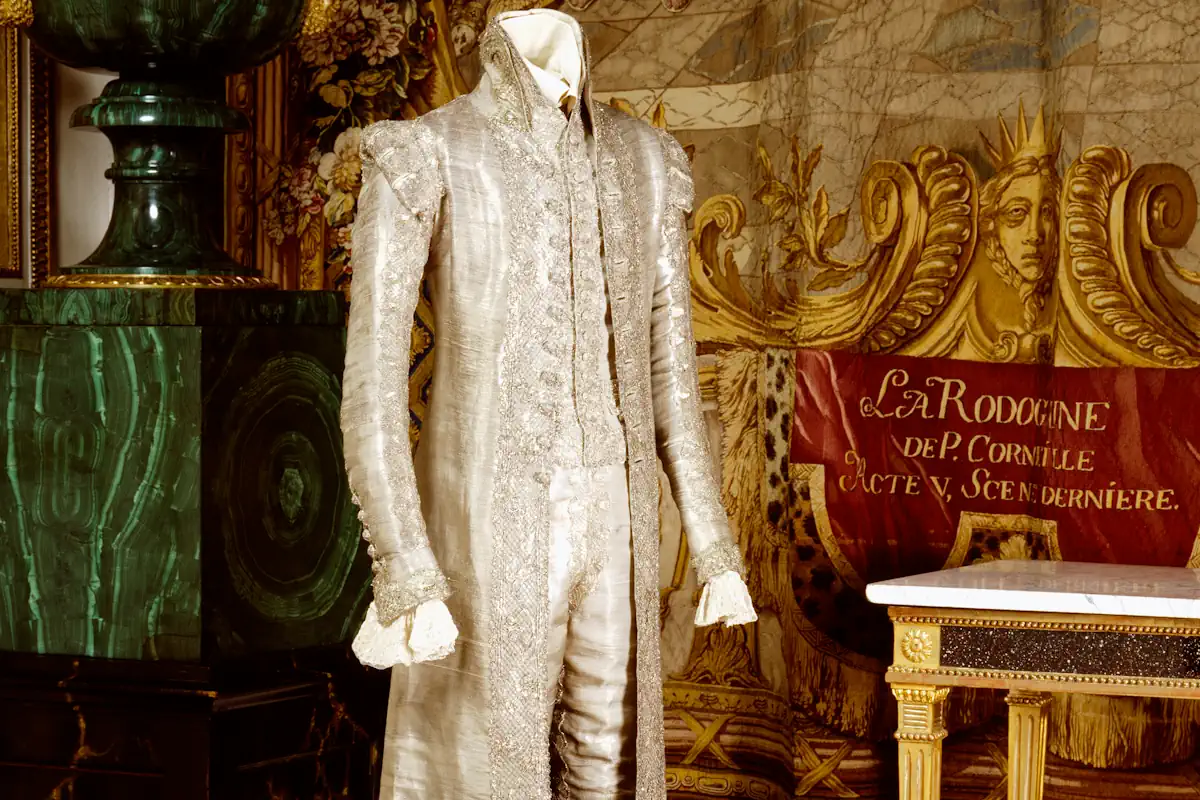
Gustav IV Adolf’s reign unfolded during the upheavals of the Napoleonic Wars. His unwavering hostility toward Napoleon left Sweden without allies, and when Russia — now aligned with France — invaded Finland in 1808, the kingdom was unprepared.
The war was catastrophic. Sweden lost Finland, a territory it had ruled for centuries. Public confidence in the king collapsed, and the political elite began to plot his removal. The loss of Finland in 1809 was the greatest territorial defeat in Swedish history — and the event that triggered the coup against Gustav IV Adolf.
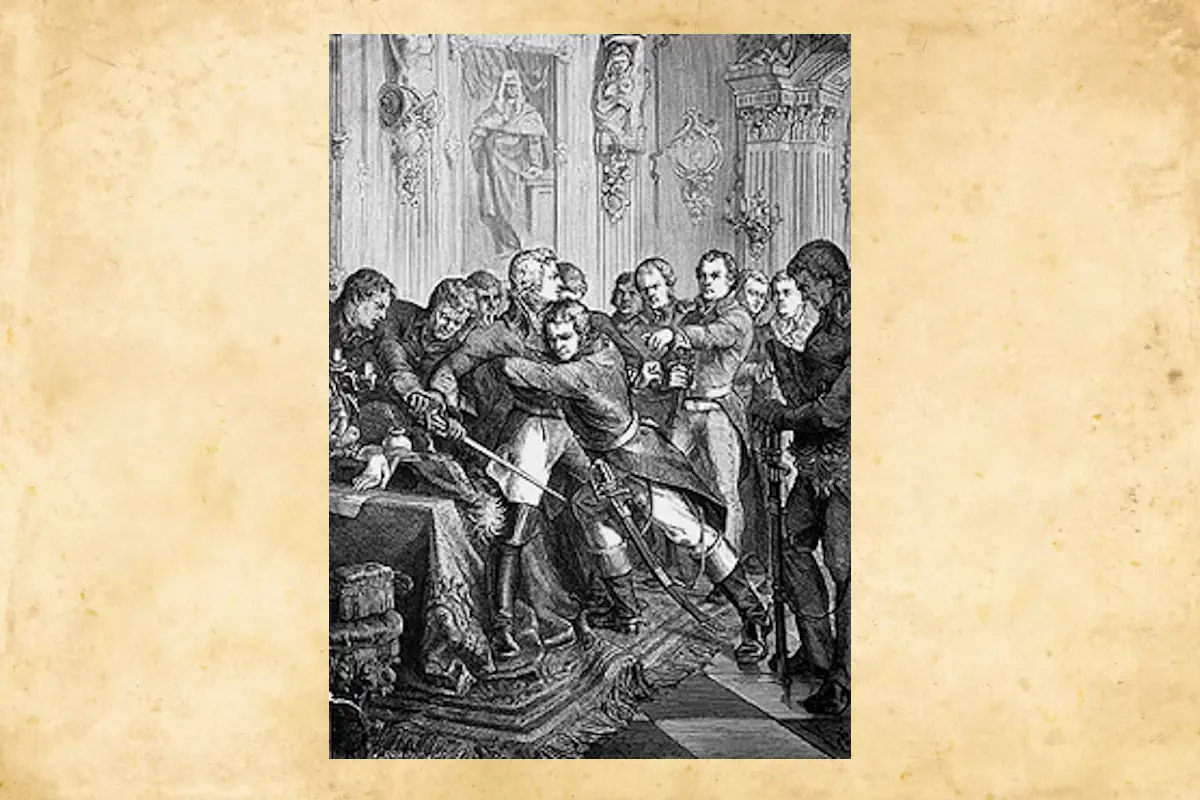
On 13 March 1809, a group of officers stormed the Royal Palace in Stockholm and arrested the king. He was transported to Drottningholm and later to Gripsholm Castle, where he was held under guard.
Under pressure, he signed his abdication — not only for himself, but for his entire dynasty. The Riksdag declared him unfit to rule, dissolved the Gustavian line, and elevated his uncle, Karl XIII, to the throne. His removal marked the end of the Gustavian dynasty, making Karl XIII the final link between the old absolutist order and the constitutional monarchy that followed.
The political earthquake that followed opened the way for a new constitutional order.

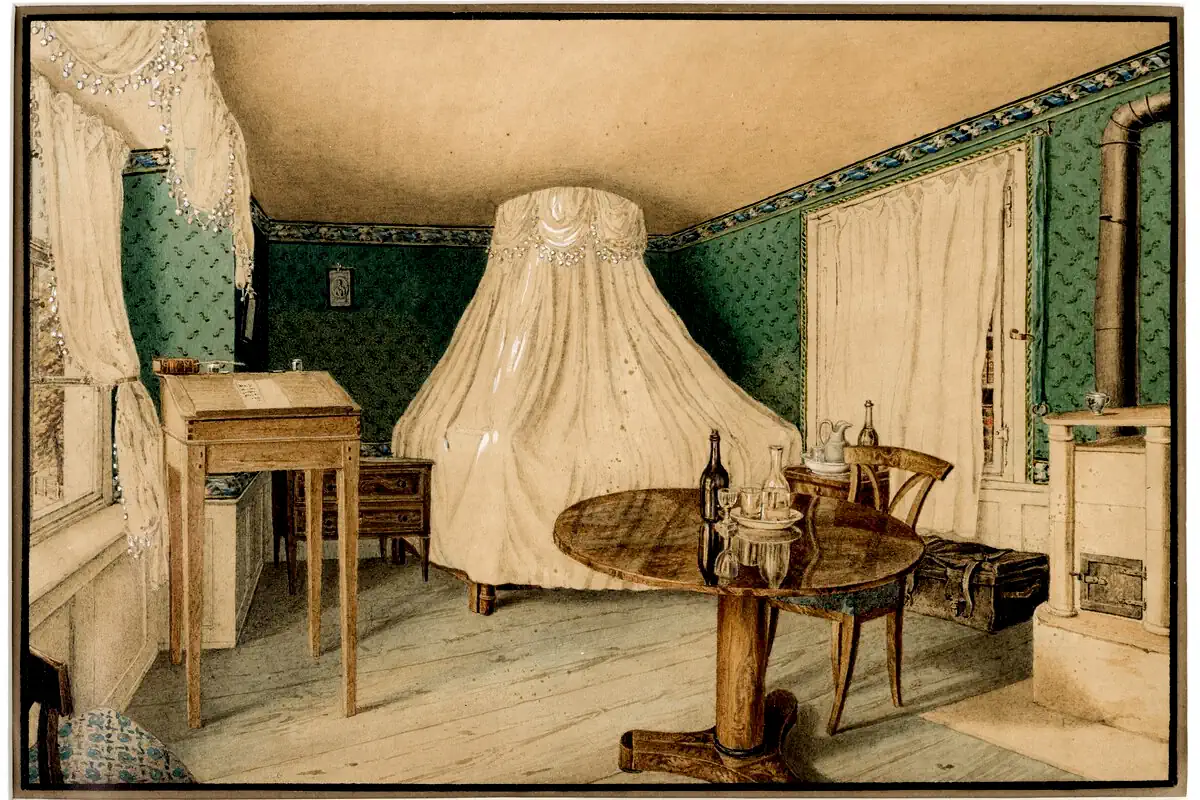
After his abdication, Gustav IV Adolf was stripped of his royal titles and exiled. He adopted the name “Colonel Gustafsson” and lived a wandering life across Europe — in Germany, Switzerland, and Austria.
His later years were marked by poverty, illness, and a deep sense of personal tragedy. He died in St. Gallen in 1837, far from the country he once ruled.
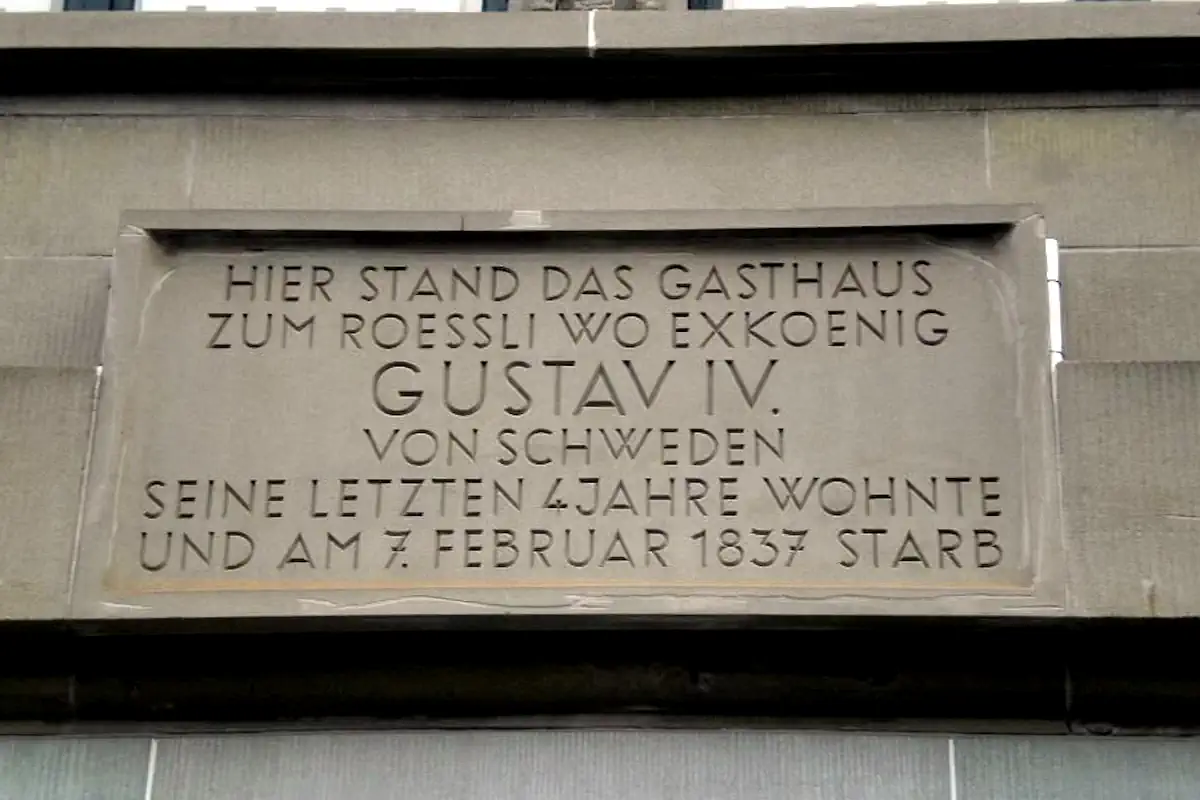
Though his reign ended in disgrace, Gustav IV Adolf’s story is deeply woven into Stockholm’s royal landscape:
Gustav IV Adolf’s legacy is complex. For generations he was remembered primarily as the king who “lost Finland” — a symbol of failed leadership. But modern historians often paint a more nuanced picture: a principled but inflexible ruler caught in the geopolitical storms of his time.
What is certain is that his fall reshaped Sweden. The coup of 1809 led directly to the adoption of the 1809 Constitution, ending absolutism and laying the foundation for modern Swedish democracy.
It was only after King Gustav V married Gustav IV Adolf’s great‑granddaughter, Victoria of Baden, in 1884 that the former king’s remains could finally be returned to Sweden and interred in Riddarholmen Church.
Gustav IV Adolf’s story is one of dramatic rise and fall — from a young king shaped by Enlightenment ideals to a dethroned monarch whose downfall transformed Sweden. His reign ended in crisis, but the reforms that followed created the political framework that still shapes the nation today.
In this sense, Gustav IV Adolf remains a pivotal figure: the last king of the old order, and the catalyst for the new.