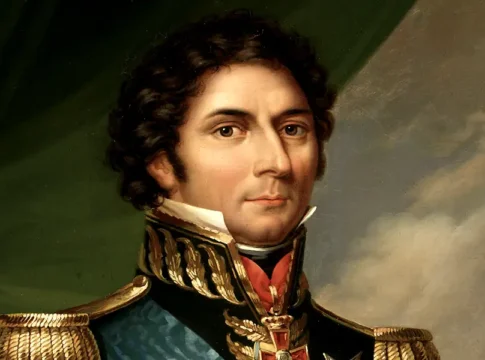
The Stockholm Bloodbath was a mass execution that took place in November 1520 at Stortorget in Gamla Stan. Ordered by King Christian II, it contributed to political upheaval and the eventual rise of Gustav Vasa.
The Stockholm Bloodbath of 1520
In November 1520, the political heart of Stockholm became the scene of one of the most consequential acts of violence in Scandinavian history. Over three days, approximately one hundred Swedish nobles, clergymen, and citizens were executed in Stortorget, the central square of Gamla Stan. The massacre, later known as the Stockholm Bloodbath, was intended to secure Danish rule over Sweden. Instead, it ignited a rebellion that ended the Kalmar Union and gave birth to an independent Swedish state.
The Seyfridtz House (the narrow yellow one in the center) dates back to the time of the Stockholm Bloodbath. Photo: Øyvind Holmstad (CC BY-SA 4.0)Stortorget, the site of the Stockholm Bloodbath in 1520. In the background: the Nobel Prize Museum. Photo: Bengt Nyman (CC BY 2.0)
⚔️Stockholm Bloodbath at a Glance
Date: 8–10 November 1520
Location: Stortorget, Gamla Stan
Ordered by: King Christian II of Denmark
Victims: Nearly 100 Swedish nobles, bishops, and citizens
The Road to Catastrophe: The Kalmar Union Under Strain
At the time of the executions, Sweden was part of the Kalmar Union — a political alliance formed in 1397 that united Denmark, Norway, and Sweden under a single monarch. In theory, the union promised stability and collective strength. In practice, it was marked by recurring tensions, especially between the Danish crown and the Swedish nobility.
Swedish elites resented Danish dominance, particularly when royal officials interfered in local governance or trade. The Baltic economy was deeply intertwined with Hanseatic merchants, and control over customs, ports, and fortresses was not merely administrative — it was financial power. Throughout the 15th century, Sweden experienced repeated uprisings against Danish kings. By 1520, the union had become less a partnership and more a contested occupation.
Christian II of Denmark launched a military campaign to reassert control over a kingdom that had repeatedly resisted centralized rule. After defeating Swedish forces, he entered Stockholm and was crowned king in Storkyrkan Cathedral on November 4, 1520. Publicly, he promised reconciliation and stability. Privately, he prepared to eliminate his political opponents.
The Legal Trap: Heresy as Political Weapon
Shortly after his coronation festivities, Christian invited leading Swedish nobles and clergy to a grand banquet. Many had opposed him; some had even fought against him. Yet they attended under assurances of amnesty.
Days later, the tone shifted dramatically. The guests were arrested and accused of heresy — a charge engineered through the reinstated Archbishop Gustav Trolle, whose earlier conflict with the Swedish regent Sten Sture the Younger had centered on the destruction of his fortress at Almare-Stäket Castle. Trolle claimed that resistance against him had constituted rebellion against the Church itself.
By framing the conflict as heresy rather than political dissent, Christian II transformed a matter of state into a religious crime. Under canon law, heretics could be executed without violating prior promises of pardon. The maneuver gave the appearance of legality to what was, in effect, a calculated purge of Sweden’s political leadership.
It was a ruthless act of statecraft: the language of faith weaponized to erase political opposition under the guise of divine justice.
The Executions at Stortorget
From November 8 to 10, 1520, executions were carried out publicly in Stortorget — the same square that had served for centuries as Stockholm’s marketplace and civic center. Bishops, knights, noblemen, city officials, and ordinary citizens were beheaded before assembled crowds.
Engraving of the Bloodbath painting in uncolored print. Stockholm is shown facing west with present-day Södermalm on the left and present-day Norrmalm on the right.
Bodies were later burned or disposed of in the harbor. Even individuals who had not actively resisted Christian were among the victims. The betrayal was total. What had begun as a coronation celebration ended in bloodshed, permanently staining the political memory of the square.
The massacre was meant to intimidate Sweden into submission. Instead, it exposed the fragility of Danish authority.
From Massacre to Martyrdom
The Bloodbath did not secure Christian II’s rule — it destroyed it. News of the executions spread rapidly across Sweden, fueling outrage and fear. Families of the executed nobles became symbols of injustice, and the event quickly transformed from a punitive action into a narrative of martyrdom.
Among those affected was Gustav Eriksson Vasa, whose father had been executed during the Bloodbath. Within months, he began organizing resistance in Dalarna. What started as regional defiance evolved into a national uprising.
By 1523, Gustav Vasa entered Stockholm as king. The Kalmar Union collapsed, and Sweden emerged as an independent kingdom. The Bloodbath, intended to consolidate empire, had instead catalyzed the formation of a nation. In this reversal lies the event’s enduring significance. The executions at Stortorget did not merely eliminate a political faction — they delegitimized foreign rule. By transforming repression into collective memory, the Bloodbath helped convert regional resistance into national identity.
Portrait of Christian II, King of Denmark, from 1521 by Pieter van Coninxloo. Photo: Public domainGustav Vasa in a painting attributed to Cornelius Arendtz. Based on a portrait by Jakob Binck or one of its copies. Photo: Public domain.
Memory, Myth, and Nation-Building
The Stockholm Bloodbath became more than a historical event — it became a foundational narrative. Gustav Vasa skillfully used the massacre as propaganda, portraying Danish rule as tyrannical and illegitimate. The executions provided moral justification for rebellion and helped unify disparate regions under a shared cause.
In this sense, the Bloodbath occupies a paradoxical place in Swedish history. It represents brutality and betrayal, yet it also marks the symbolic beginning of political independence. The memory of November 1520 would echo through centuries of Swedish state-building. The independent monarchy established under Gustav Vasa would reshape Sweden’s religious and political institutions, permanently altering the balance between crown and church.
Today: A Quiet Square, A Violent Past
Visitors to Stortorget today encounter colorful façades, cafés, and seasonal markets. Yet beneath the cheerful atmosphere lies a layered past. A small plaque commemorates the victims of 1520, and several surrounding buildings date to the period of the executions.
The square that once served as Stockholm’s civic stage — anchored by the urban vision first consolidated under Birger Jarl — became, in 1520, the crucible in which Swedish independence was forged.
📜Brask’s Clever Escape Clause
Bishop Hans Brask’s name lives on in the Swedish word “brasklapp,” meaning a discreet disclaimer. Forced to sign a document supporting punishment against Archbishop Gustav Trolle, he secretly inserted a note beneath his seal:
“To this I was compelled and forced.”
The hidden message may have saved his life during the Bloodbath — a small act of caution in an era defined by perilous politics.
🏰 Part of the Medieval Stockholm series
Explore how fortification, faith, trade, and conflict shaped the early capital.

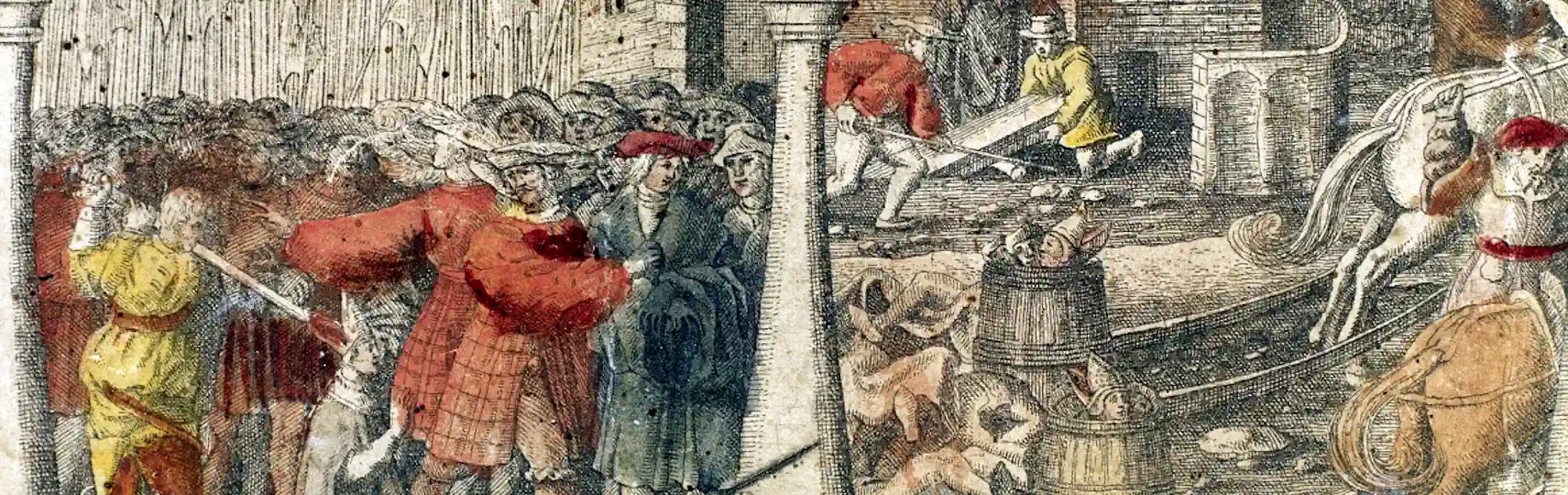
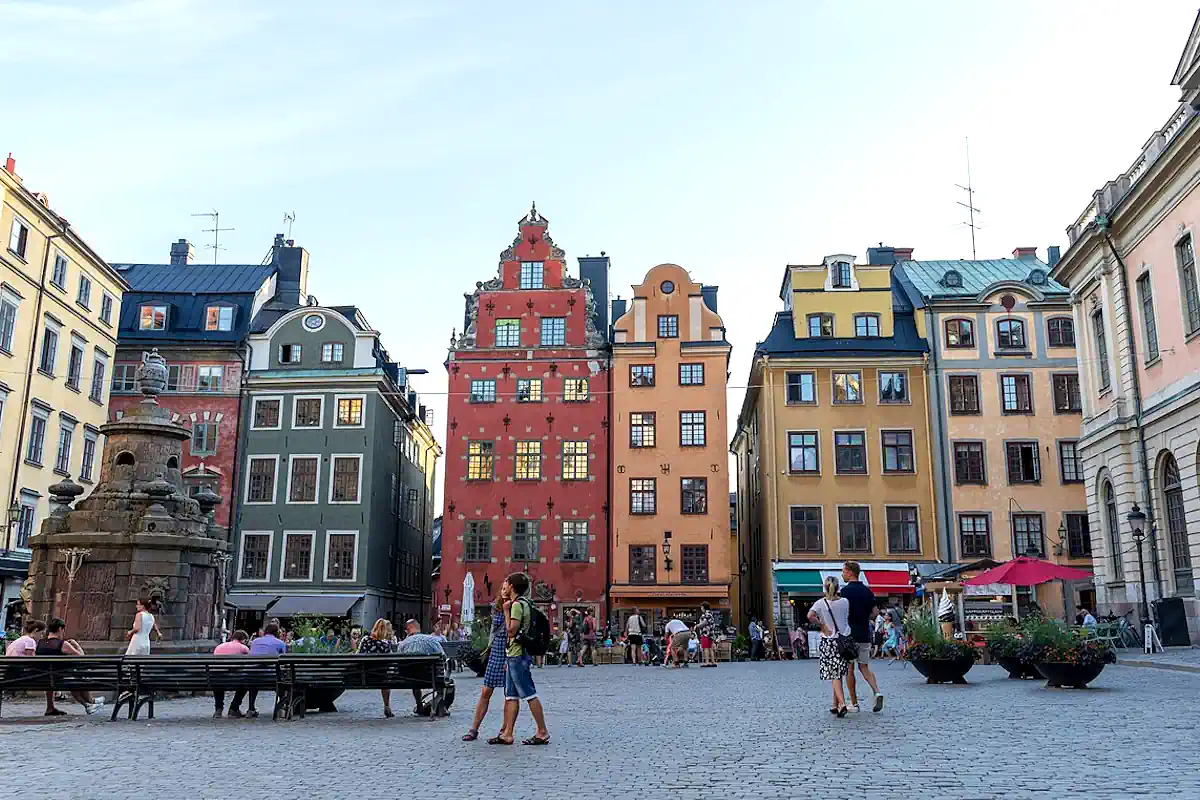
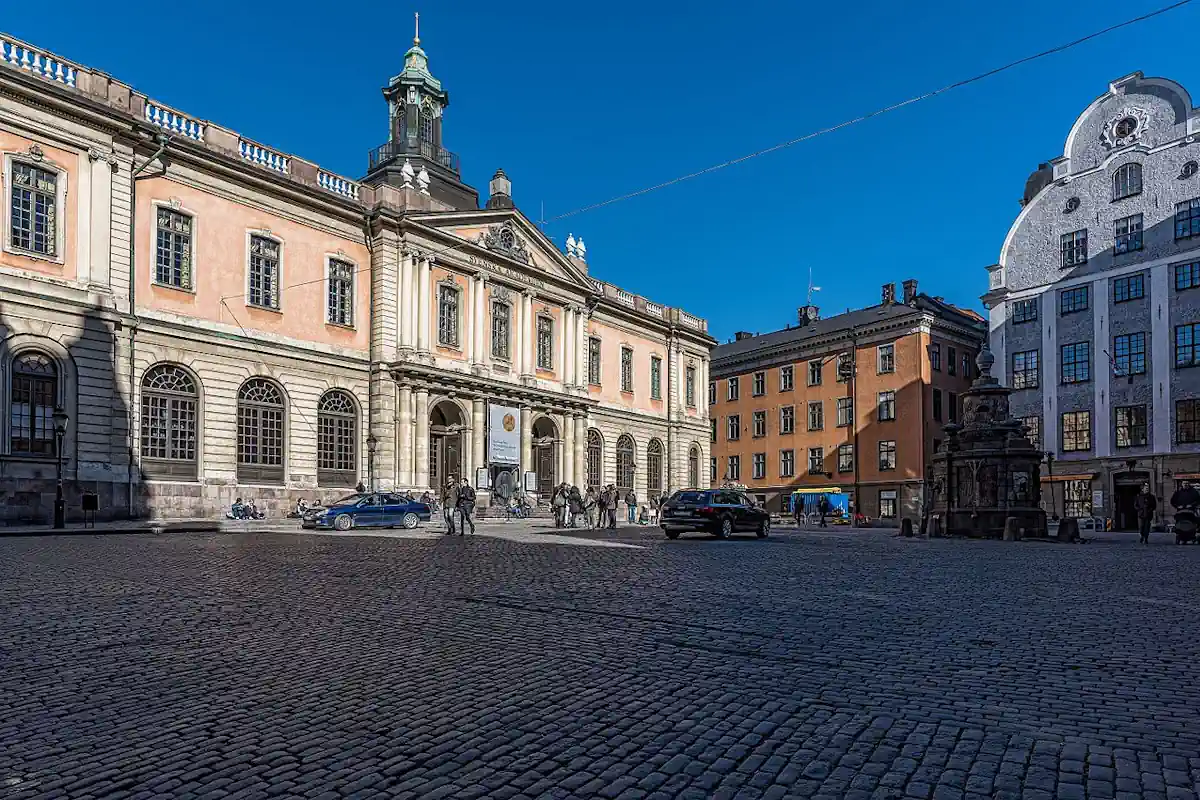

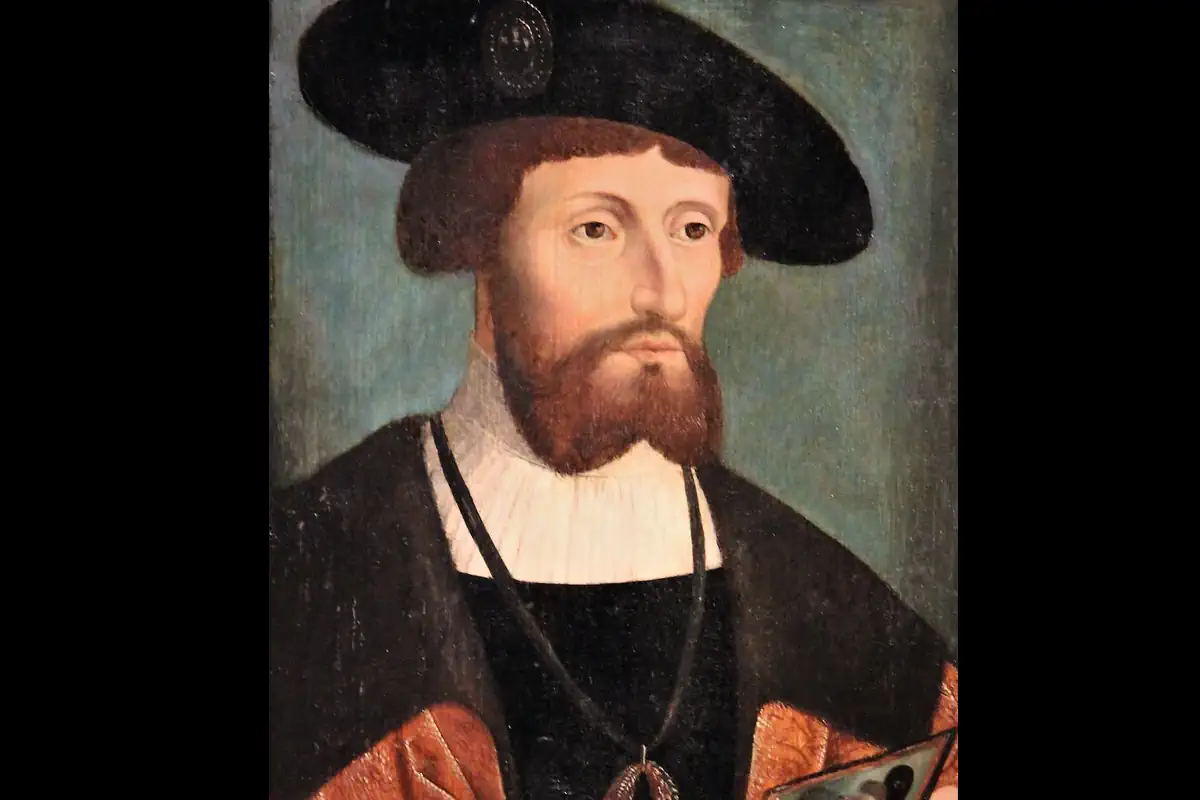
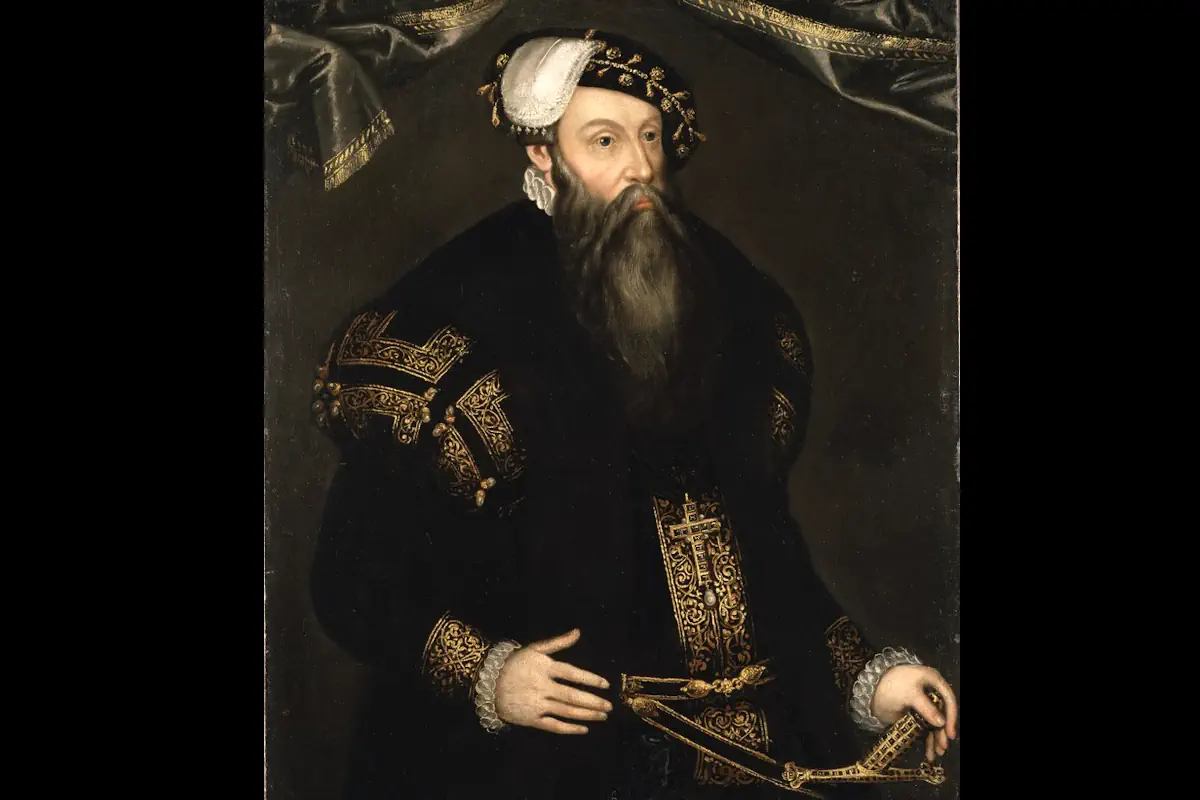

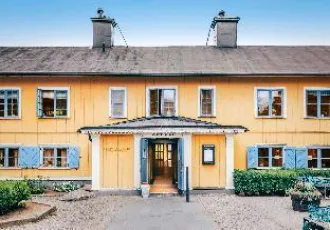

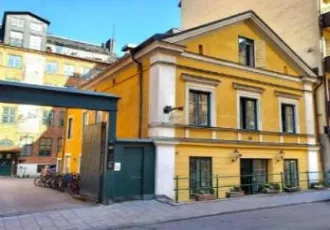


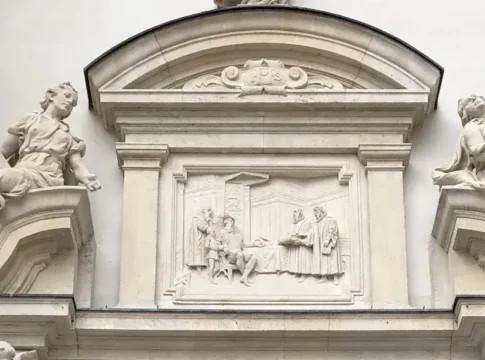 Photo: Mkallgren (CC BY-SA 4.0)