




 Photo: Jonas Bergsten (Public Domain)

Must is a traditional Swedish soft drink associated with Christmas and Easter, known for its spiced, malty flavor. It is a seasonal staple and one of the most widely consumed beverages in Sweden during the holidays.
Must is one of Sweden’s most beloved seasonal soft drinks—instantly recognizable by its dark color, malty sweetness, and deep connection to holiday traditions. Known as julmust at Christmas and påskmust at Easter, it’s a drink that defines the festive table across the country.
Every spring, as Easter approaches, shelves fill with påskmust—bringing the same nostalgic flavor as Christmas, but with bright yellow labels and a lighter seasonal mood.
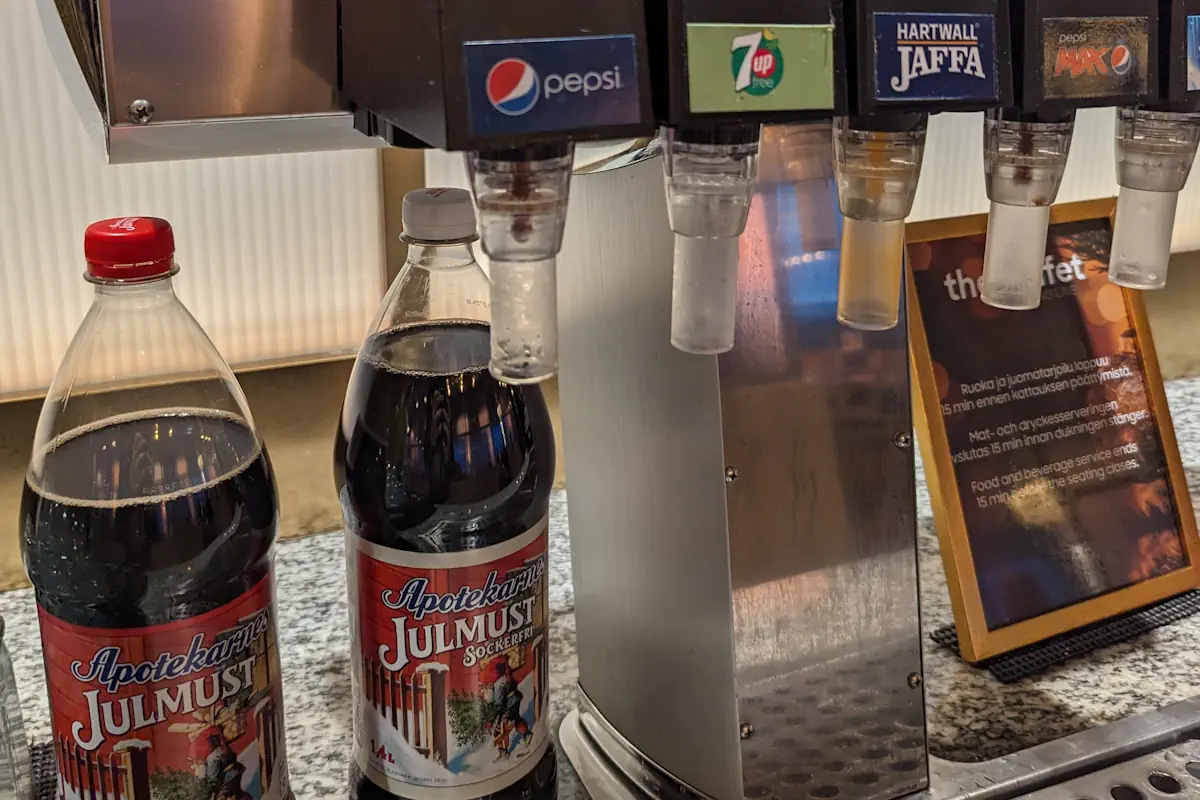
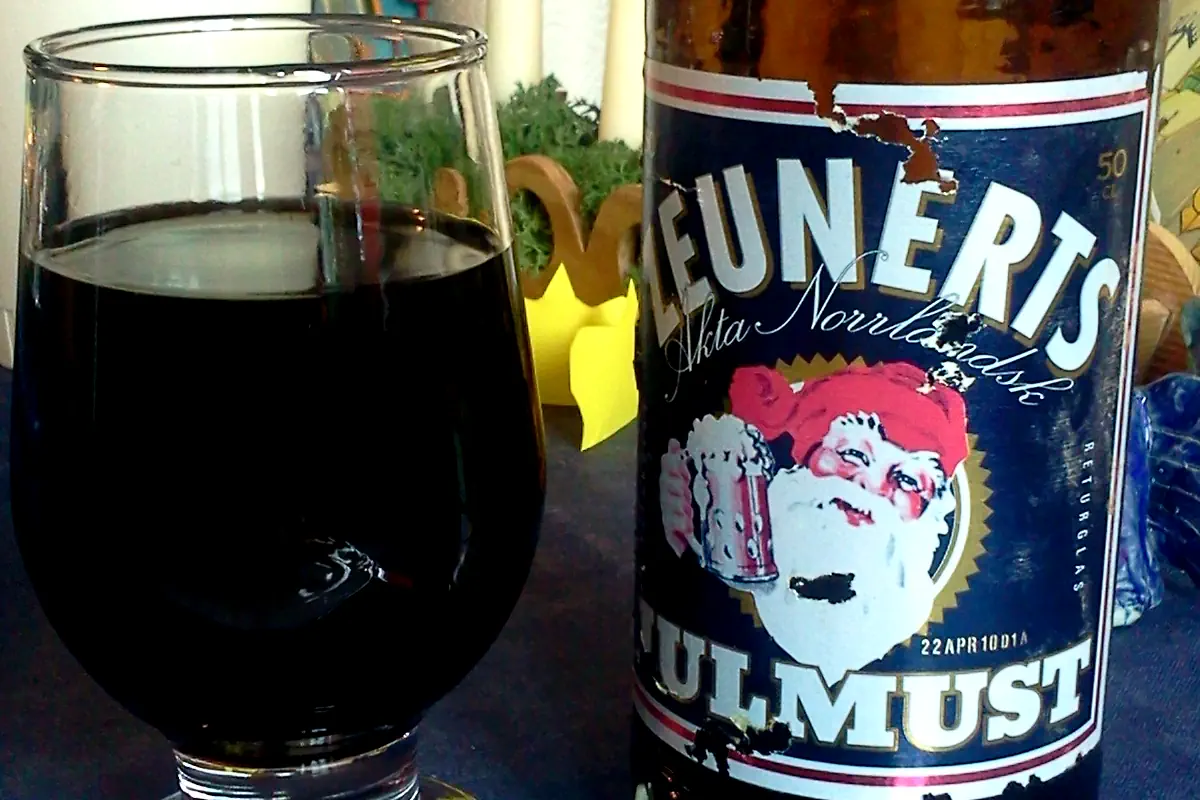
Must is a carbonated soft drink made from malt, hops, and spices. The flavor is often described as somewhere between cola, root beer, and traditional dark Swedish drinks like svagdricka or porter, forming part of Sweden’s broader tradition of unique drinks like saft.
It’s:
– Smooth and slightly foamy
– Sweet, but with a subtle bitterness
– Spiced with a complex, almost nostalgic depth
For many visitors, it’s a completely unique taste—unlike any other soda.
Although they look different, julmust and påskmust are essentially the same drink—just rebranded for different seasons.
The flavor stays the same—but the context changes everything. At Easter, påskmust is part of a lighter, brighter celebration, often served alongside eggs, herring, and spring dishes.
Must is more than just a drink—it’s part of the ritual of Swedish celebrations throughout the year. Although inspired by traditional brewing ingredients like malt and hops, must is completely non-alcoholic, making it a family-friendly staple of Swedish celebrations.
– At Christmas, it’s served with ham, meatballs, and festive buffets
– At Easter, påskmust appears alongside pickled herring, eggs, and spring meals
– It’s enjoyed by all ages, making it a staple at family gatherings
During Christmas alone, Swedes consume around 40–45 million liters of must, typically served with festive buffets like traditional Swedish Christmas dishes, alongside classics such as raggmunk or hearty meals like pyttipanna.
Must was created in 1910 by Swedish chemist Harry Roberts and his father as a non-alcoholic alternative to beer.
The recipe—still secret today—is concentrated into an extract called must essence, used by different producers across Sweden. Despite many brands, the flavor remains remarkably consistent.
Must is strictly seasonal, which is part of its charm:
Outside these periods, it’s surprisingly hard to find—making it even more special when it appears.
For visitors, trying must is one of the easiest (and tastiest) ways to experience Swedish culture.
Whether it’s poured at a Christmas table or enjoyed during Easter lunch, must is a drink that captures the essence of Swedish traditions. Sweet, nostalgic, and deeply seasonal, it’s more than just a soda—it’s a taste of celebration.
If you’re visiting Sweden in spring, don’t miss the chance to try påskmust—a small but memorable part of the country’s Easter experience.
Swedish drinks: Must
Must, Julmust, Påskmust