





 Photo: Mikaela Börjesson (CC BY-SA 4.0)
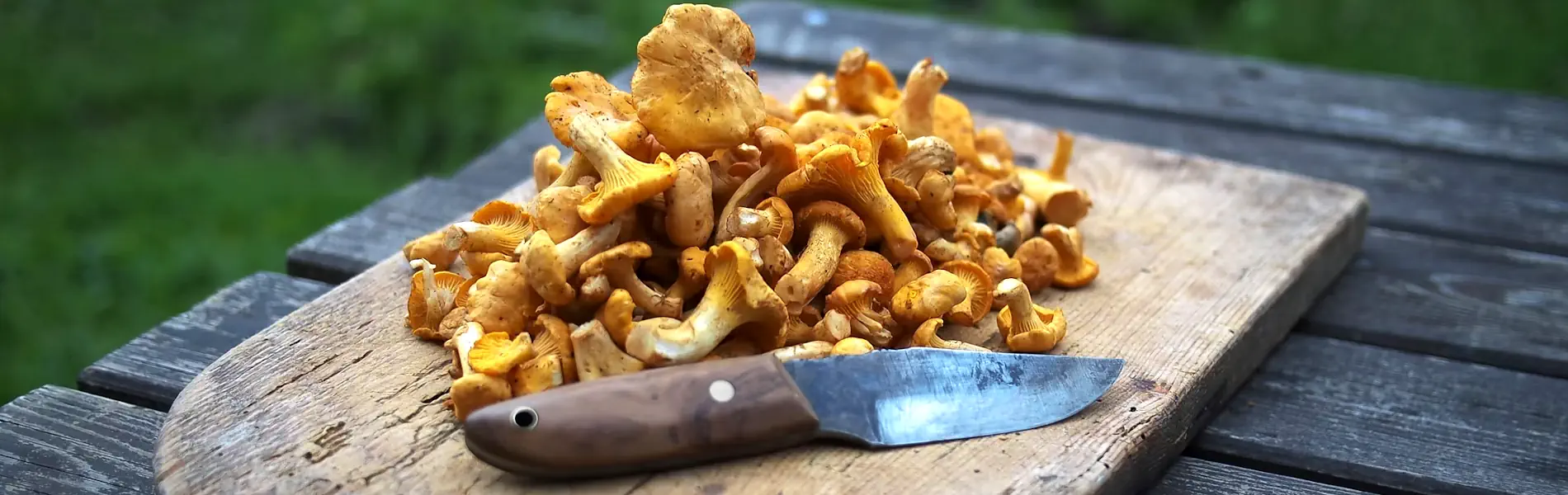
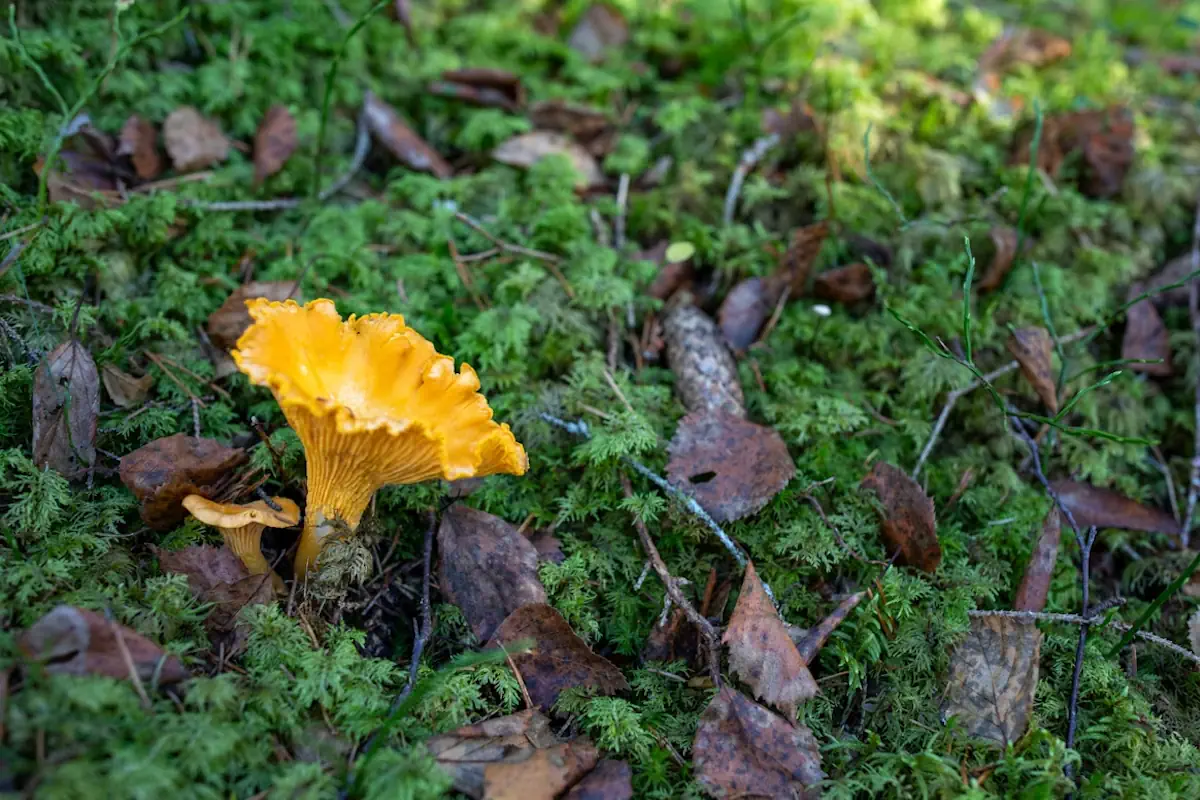
From the forests surrounding Stockholm come some of Sweden’s most iconic flavors—blueberries, wild strawberries, lingonberries, and mushrooms. This guide explores how foraging traditions connect nature, culture, and modern Swedish cuisine.
As the pale Nordic sun filters through the birch and pine, Stockholm’s outskirts transform into a quiet stage for an age-old ritual. Foraging, a practice woven into the fabric of Swedish life, unfolds here with a reverence that transcends mere gathering. The air is crisp, tinged with the earthy scent of moss and damp leaves, and the soft crunch beneath boots marks the beginning of a journey into nature’s pantry. This seasonal pilgrimage is more than a culinary pursuit; it is a dialogue with the land, a way to taste the fleeting moments of the year.
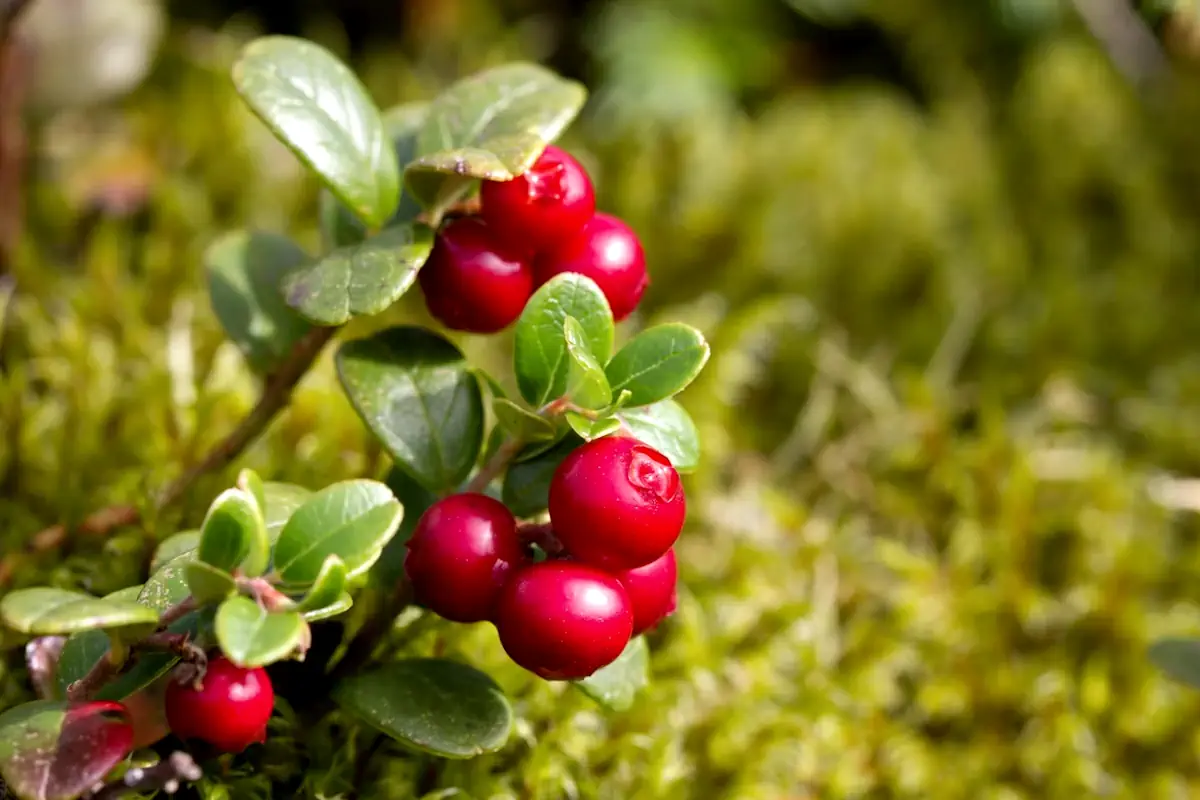
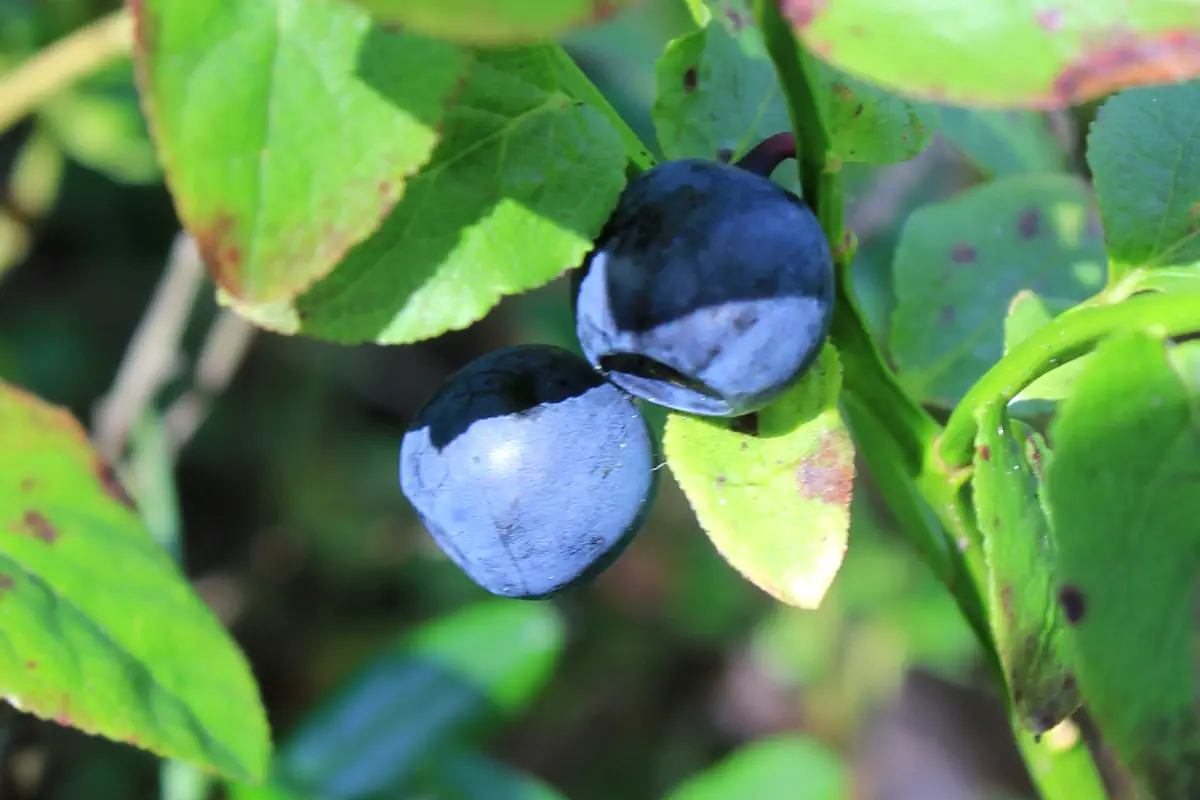
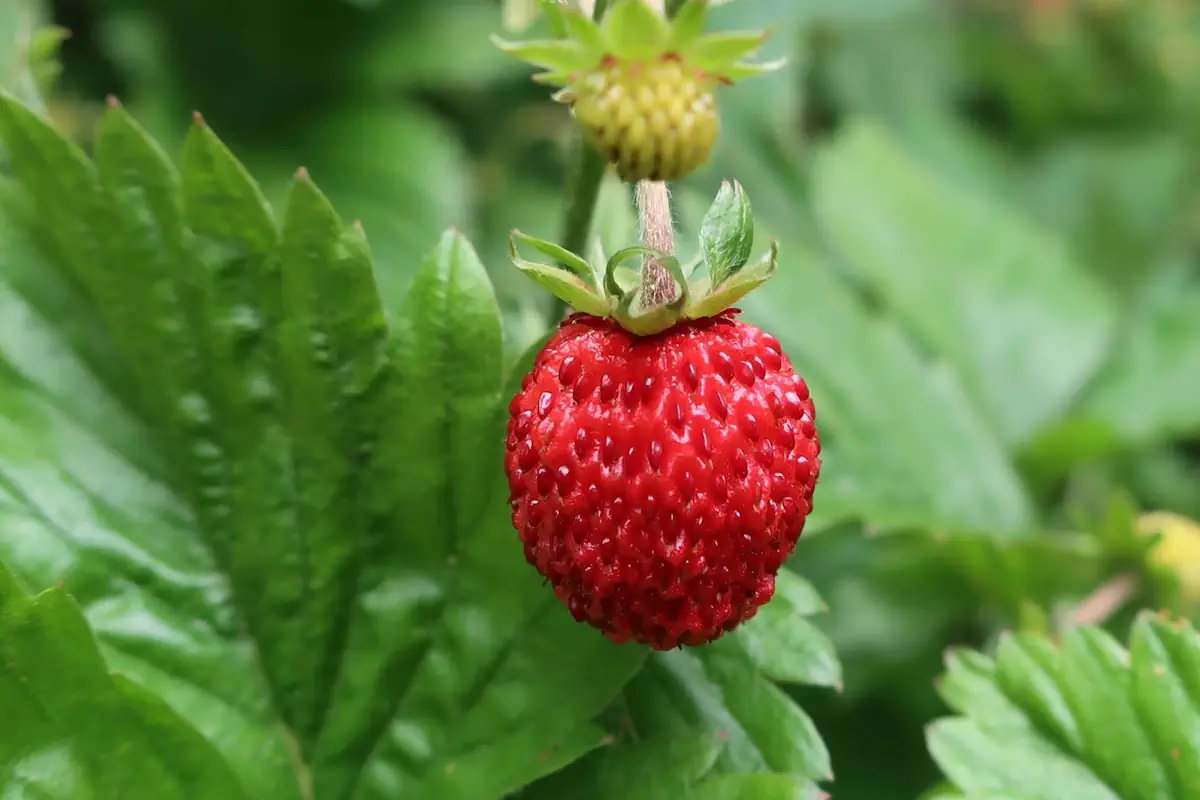
In these woods, the humble lingonberry reigns as a familiar companion, its tartness a signature note in Swedish cuisine. Yet it is only one voice in a wider chorus. Beneath the forest canopy, deep-blue blueberries (blåbär) stain fingertips in late summer, while delicate wild strawberries (smultron) offer bursts of sweetness along sunlit paths. Together, these berries form a living palette of flavors that reflect the rhythm of the Nordic seasons, much like the traditions explored in traditional Swedish food and drinks.
Few traditions capture the spirit of Swedish foraging quite like berry picking. Blueberries grow abundantly in forests around Stockholm, often carpeting the ground in late July and August. Their mild sweetness makes them a staple in jams, desserts, and breakfast dishes. Nearby, the tiny but intensely aromatic wild strawberry—smultron—holds a special place in Swedish culture, often eaten fresh, straight from the stem during summer walks.
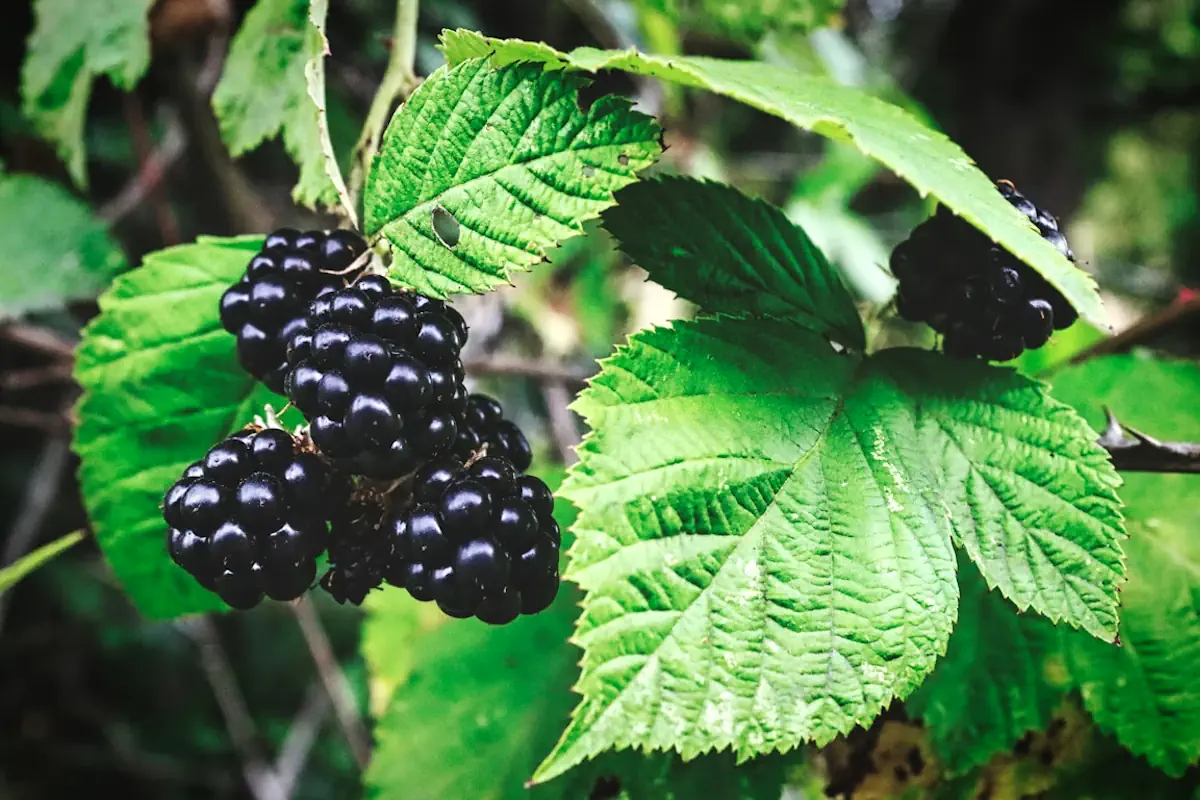
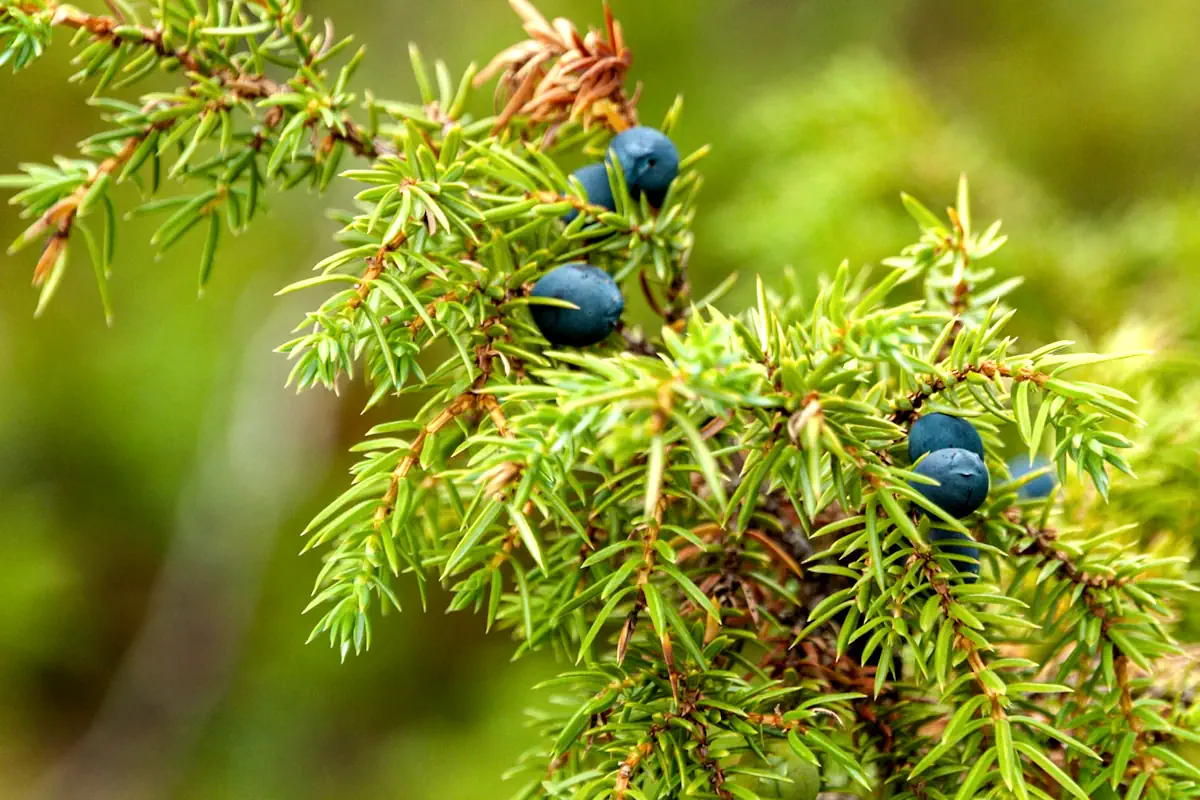
Blackberries (björnbär), found along forest edges and open clearings, bring a deeper, richer sweetness as autumn approaches. Less common but equally intriguing are sloe berries (slånbär), small dark fruits traditionally used for infusions and preserves. Each berry tells a story of place and season, inviting foragers to slow down and notice the subtle shifts in the landscape.
Bringing foraged treasures from the forest into the kitchen is an art that balances respect and creativity. The transition from raw to refined is marked by a sensory awakening—the sharp aroma of freshly picked mushrooms, the gentle sweetness of blueberries, and the tart brightness of lingonberries. In Stockholm’s modern kitchens, these elements are not relics but living ingredients, inspiring chefs to reinterpret tradition with contemporary flair.
One might find these wild ingredients nestled within a plate of tunnbröd, the soft flatbread that serves as a canvas for the season’s harvest. Whether paired with mushrooms, berries, or herb-infused spreads, the result is a harmony that bridges past and present—similar to how modern interpretations of dishes like the tunnbrödsrulle blend tradition with contemporary tastes.
The rhythm of foraging is intimately tied to Stockholm’s shifting light, shaping not only the environment but the character of its ingredients. During the long summer days, forests overflow with blueberries and wild strawberries, while herbs and greens flourish in the warmth. As autumn arrives, the palette deepens—blackberries ripen, mushrooms emerge, and the forest floor becomes a mosaic of gold and crimson.
This interplay of light and shadow creates a sensory backdrop that is both inspiring and humbling. A reflective moment often arises when the sun dips low over the water, casting a warm glow on the city’s silhouette while the forager stands amidst the quiet woods, basket in hand, connected to a cycle that has sustained Stockholmers for centuries.
While the forests offer a traditional setting, Stockholm’s urban green spaces have become unexpected sites for foraging. Parks and community gardens harbor wild herbs, berries, and edible plants, inviting city dwellers to engage with nature without leaving the metropolitan pulse.
In these pockets of greenery, the scent of pine mingles with the distant hum of trams. A handful of berries picked along a quiet path can transform an ordinary walk into a small act of discovery—reminding Stockholmers that the city itself is part of a larger ecological tapestry.
Foraging in Stockholm is more than a seasonal activity; it is a cultural thread woven through family stories and shared experiences. Berry-picking excursions, often passed down through generations, blend the tactile joy of gathering with moments of quiet connection.
This narrative dimension enriches the culinary significance of foraged foods. A jar of blueberry jam or a handful of freshly picked smultron becomes more than sustenance—it becomes memory, tradition, and identity carried forward, much like the enduring role of seasonal ingredients in Swedish culinary heritage explored across Stockholm’s evolving food culture.
Looking ahead, Stockholm’s foraging traditions continue to evolve alongside a growing emphasis on sustainability and innovation. Chefs and food artisans experiment with fermented berries, wild infusions, and seasonal preservation techniques, pushing the boundaries of flavor while maintaining a deep respect for nature.
From forest berries to refined dishes, the journey remains rooted in the same principle: to take only what is needed and to honor the land that provides. In this balance between tradition and creativity, Stockholm’s foraging culture continues to thrive—quietly shaping the city’s culinary identity, one season at a time.