




 Photo: DXR. (CC BY-SA 4.0)
Fotografiska: Photography, Art & Views Over Stockholm
Discover Fotografiska, Stockholm’s world-class photography museum where bold exhibitions meet breathtaking skyline views.

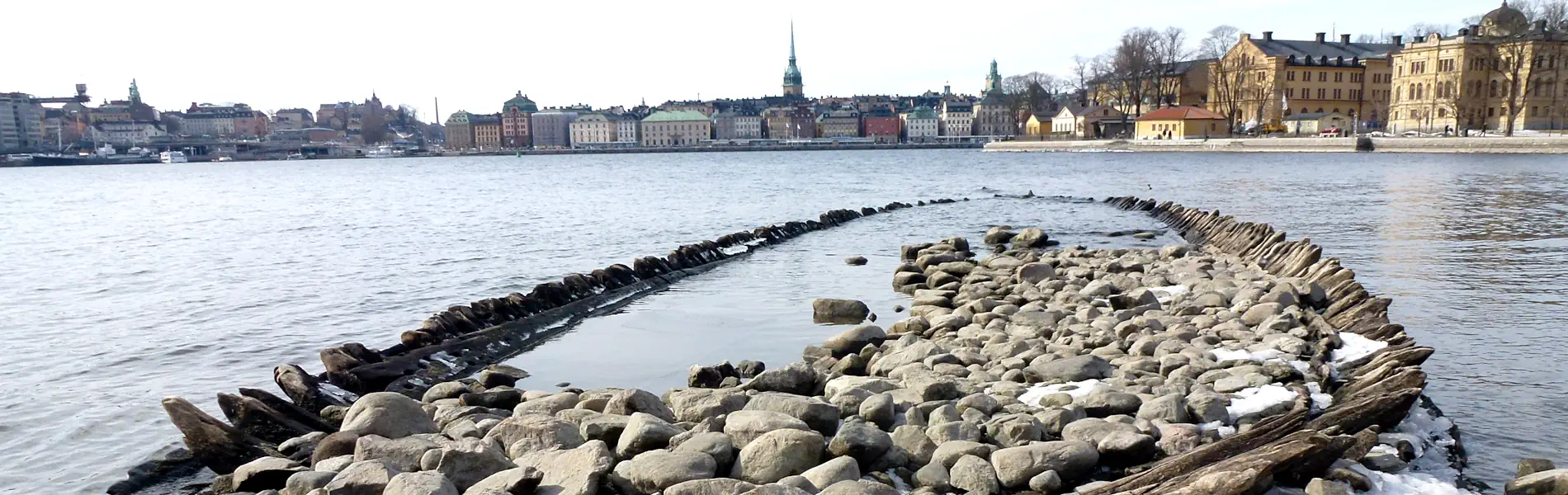
The Kastellholmen wreck is a historic shipwreck located near Kastellholmen in central Stockholm. Believed to date from the 17th century, it is only visible during periods of unusually low water levels in the Baltic Sea.
The Kastellholmen wreck rests beneath the Baltic Sea surrounding Stockholm, an area closely connected to the vast Stockholm Archipelago, known for its thousands of islands stretching into the sea.
A fascinating historical site, the “Örlogsfartyget vid Kastellholmen,” or the Kastellholmen wreck, lies just off the shoreline of Stockholm’s Kastellholmen island. Most of the time it rests quietly beneath the waters of the Baltic Sea — but during periods of exceptionally low water levels, its dark wooden ribs rise into view.
Such moments are rare. The wreck became visible this winter due to unusually low Baltic Sea levels — something that last occurred in 2013 — and before that, not since the 1940s. When the sea retreats this dramatically, Stockholmers are reminded that history still lies just beneath the surface.
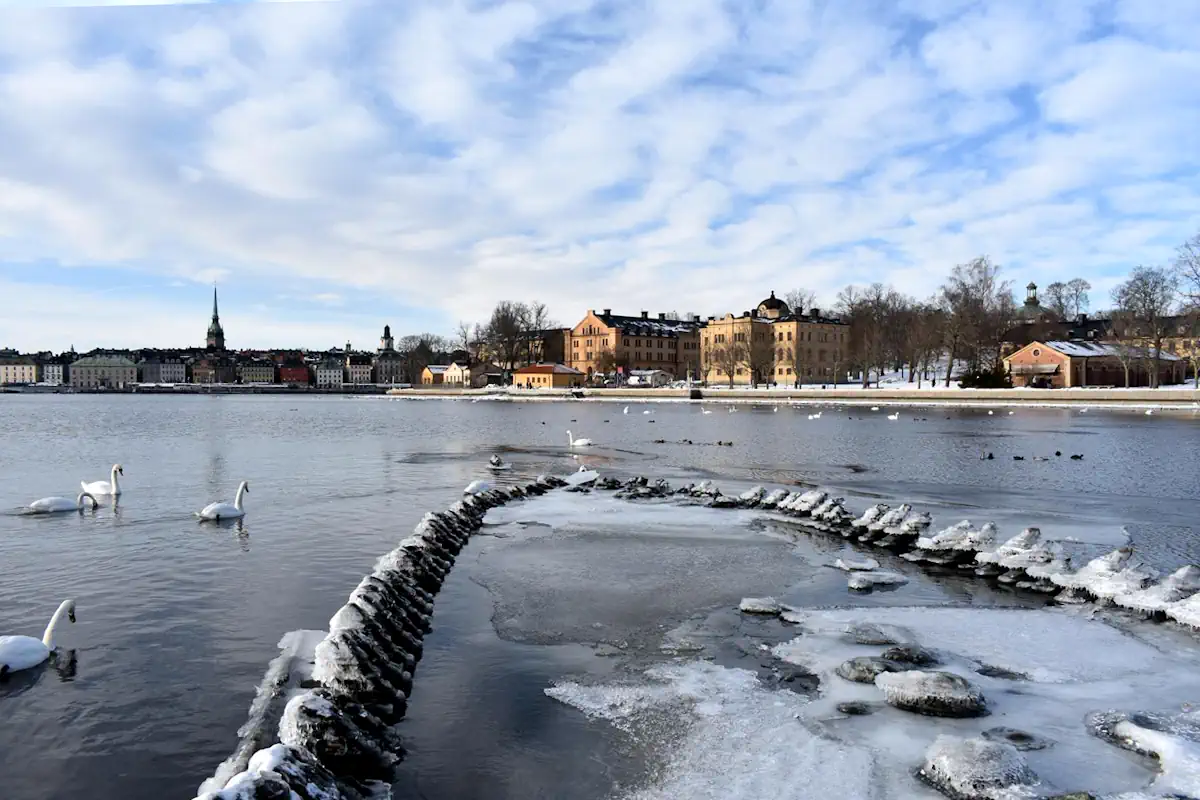
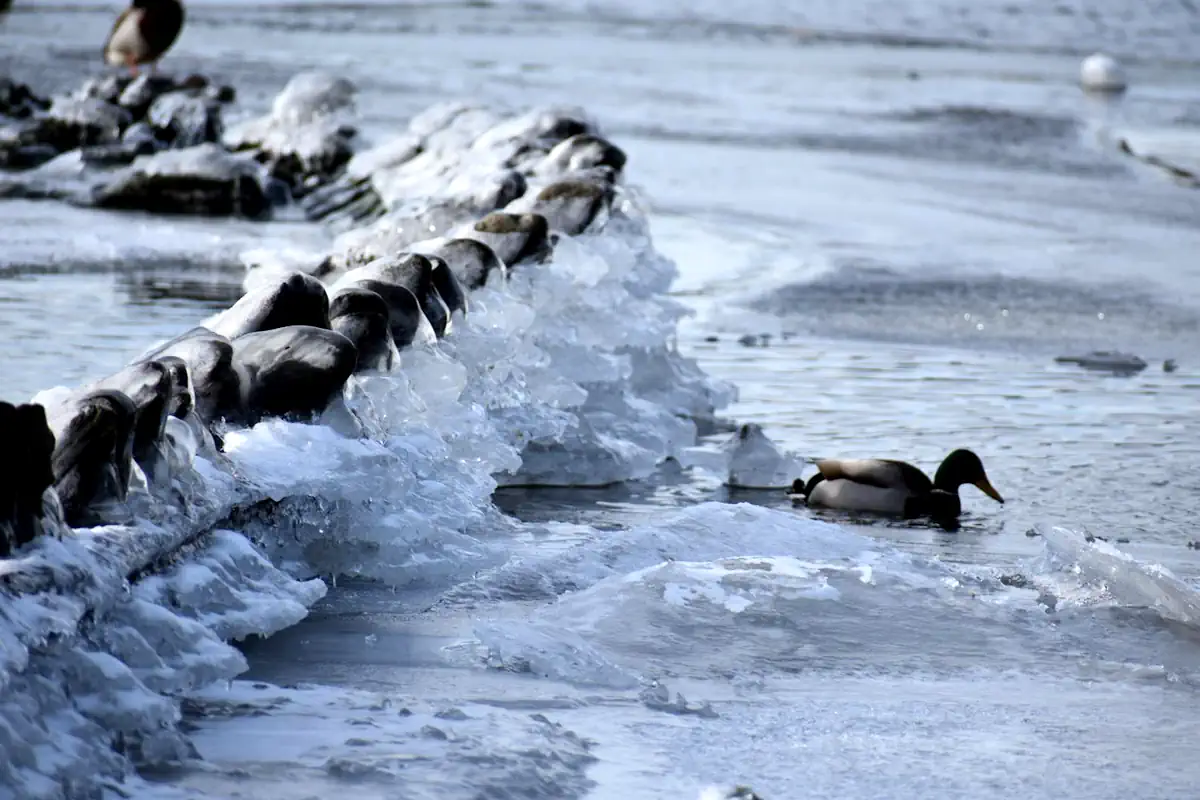
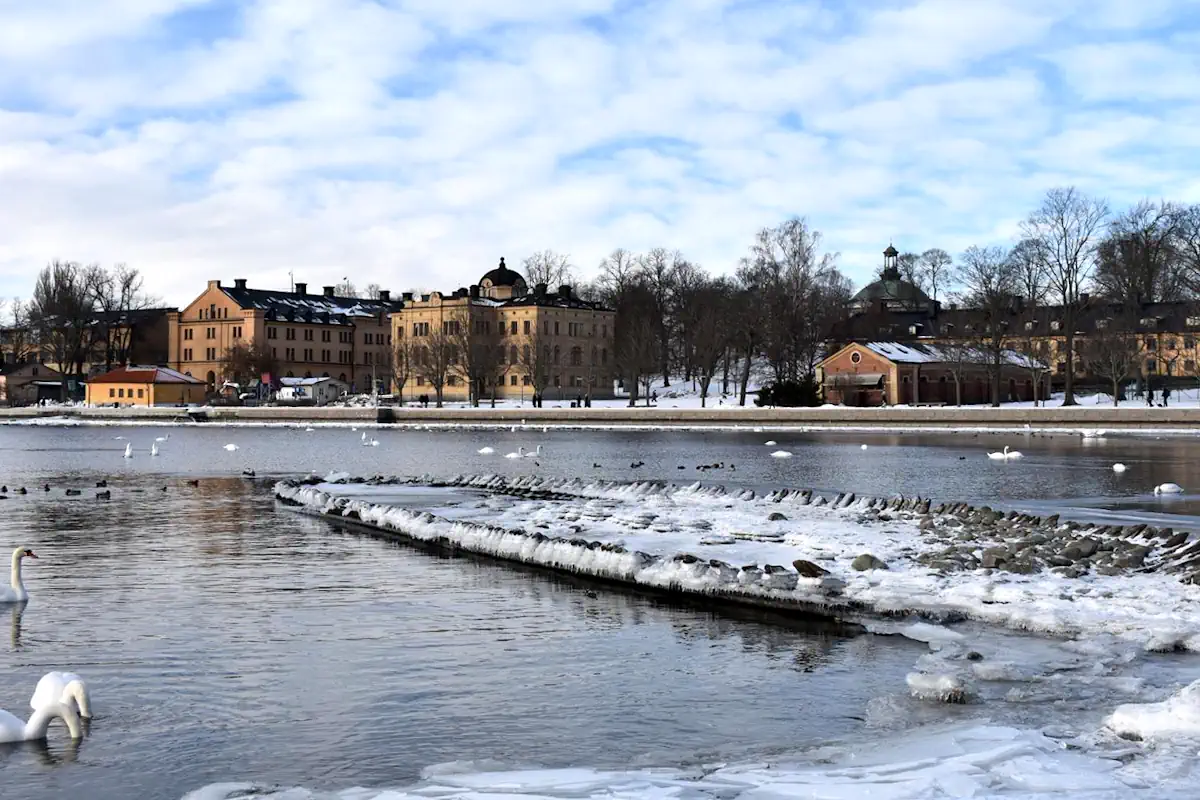
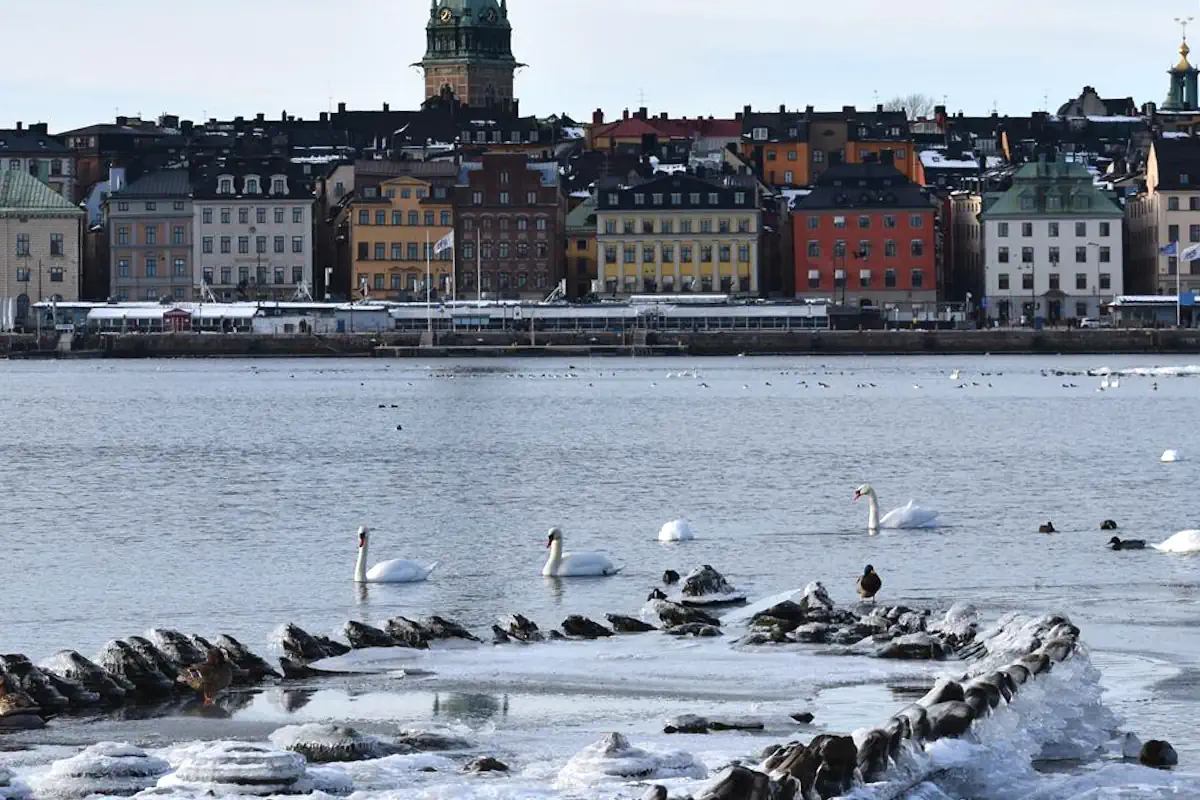
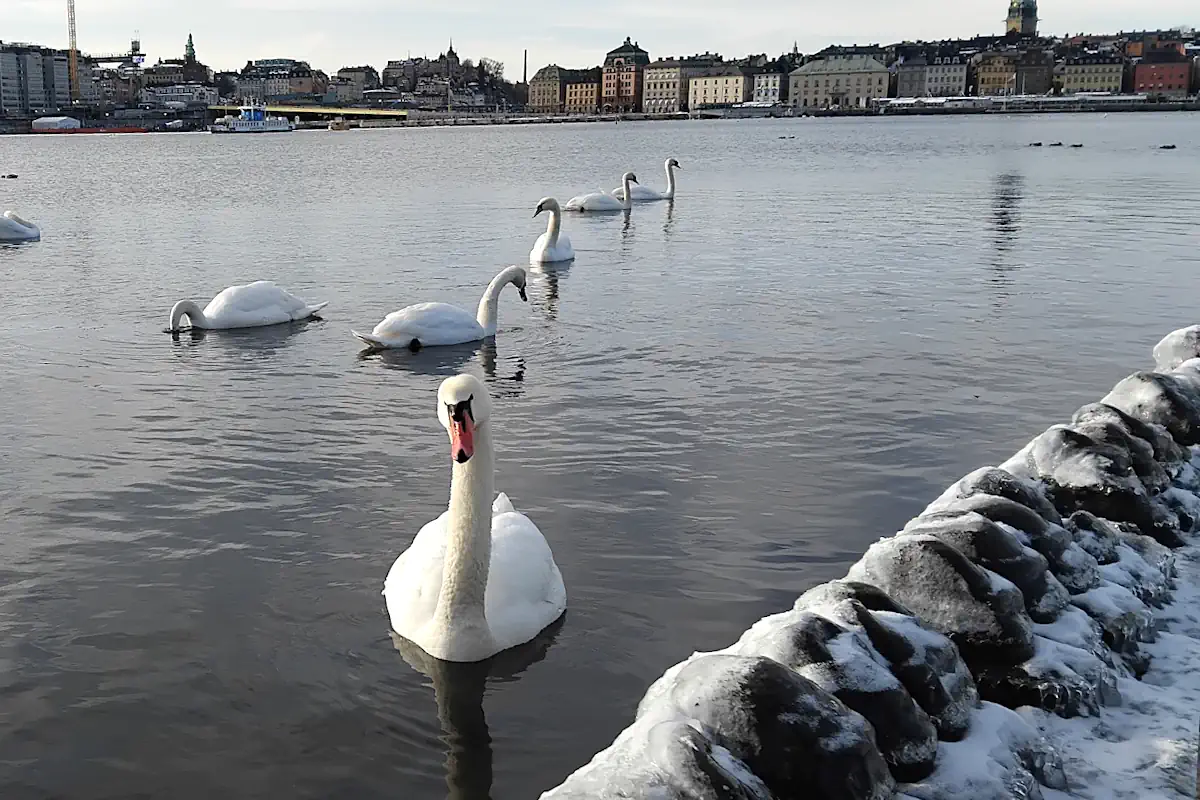

The wreck is widely believed to be the Danish warship Grå Ulven (Gray Wolf), captured by Sweden in 1659 and sunk in 1670. For centuries, rumors circulated about a lost vessel near Kastellholmen, but modern investigations revealed not just one wreck — but several. In total, seven shipwrecks have been identified in the area, dating from the early 1600s to the late 1800s.
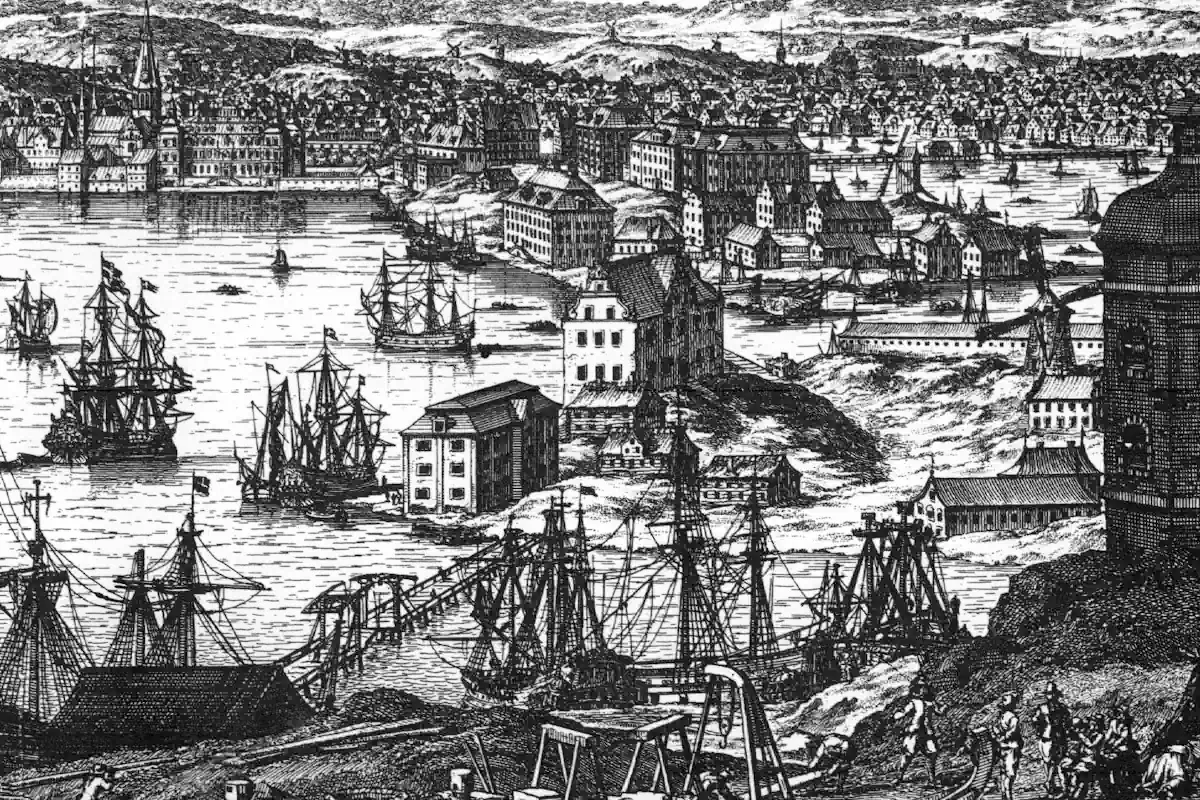
Kastellholmen and neighboring Skeppsholmen were once at the heart of Sweden’s naval operations. Warships were built, repaired, armed, and anchored here. Some vessels may even have been deliberately sunk to reinforce defensive structures or stabilize a bridge between the islands.
Just south of Kastellholmen lies another historic maritime landmark: it was here that the mighty warship Vasa was salvaged in 1961 after more than 300 years on the seabed. While the Vasa now stands majestically preserved in a museum, the Kastellholmen wreck remains where it fell — an unprotected and haunting reminder of Sweden’s naval past.


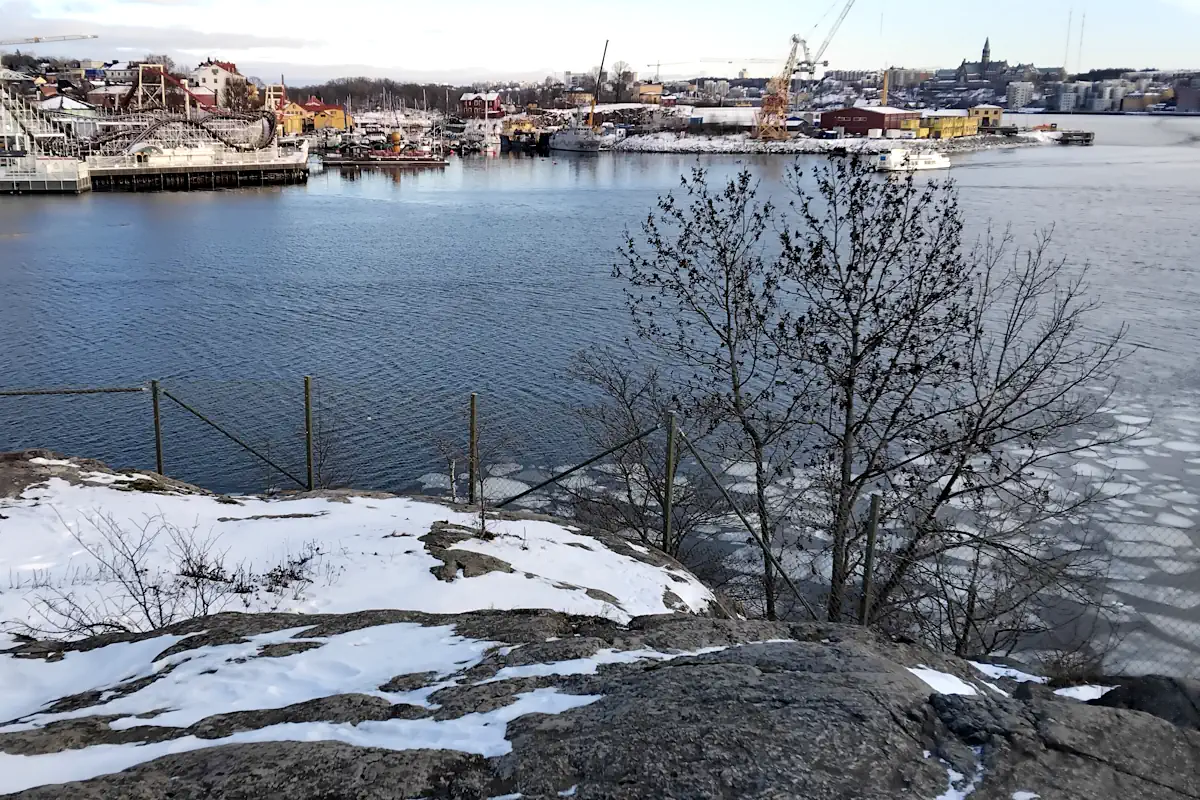
While the Baltic Sea has almost no tidal movement, atmospheric pressure and wind patterns can dramatically affect water levels in Stockholm’s harbor. During rare high-pressure systems, water is pushed southward, temporarily exposing the wreck.
When this happens — sometimes only once in a decade or even less — the ship’s structure becomes clearly visible from shore. The last comparable exposure occurred in 2013, and before that, historical records suggest similar sightings in the 1940s.
These rare appearances transform Kastellholmen into a living maritime exhibition.
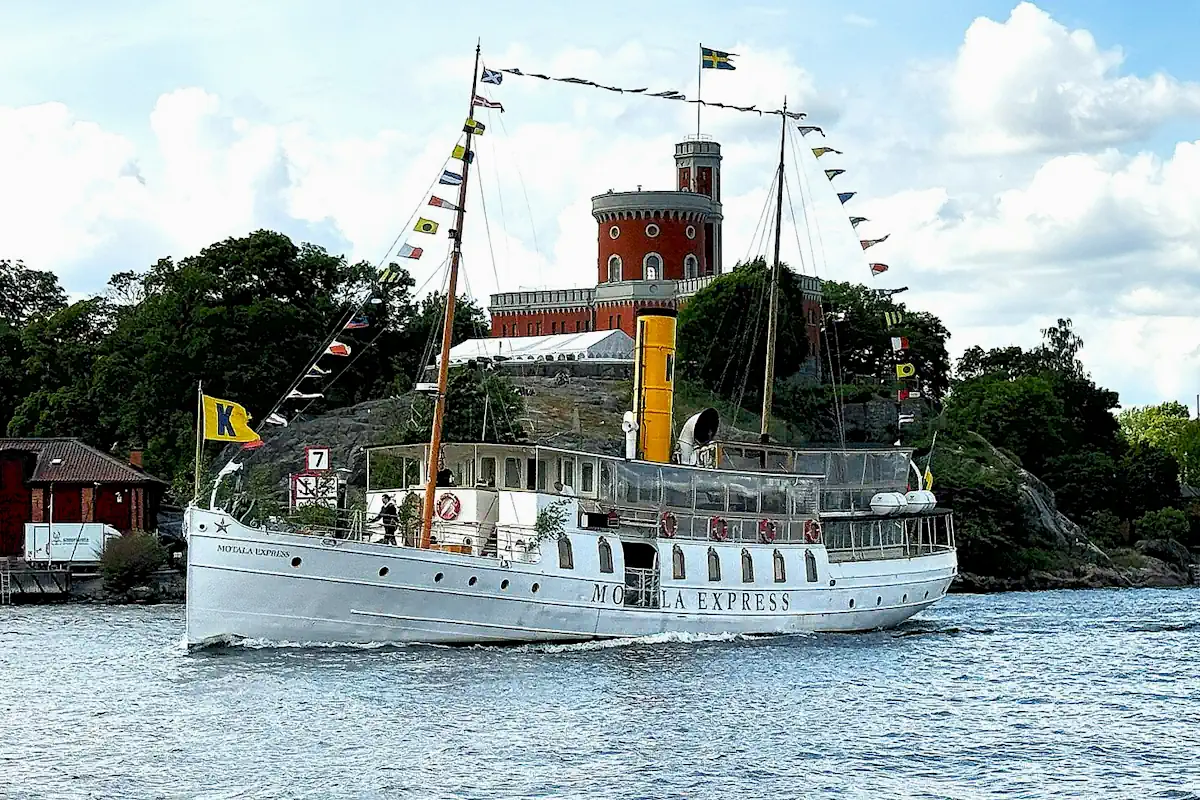
Visitors strolling along Kastellholmen’s waterfront may spot the wreck when conditions allow. Even when submerged, the outline can sometimes be traced in calm weather, and satellite imagery reveals the ship’s silhouette beneath the water.
Although it is not nearly as imposing as the famous Vasa, Grå Ulven carries a different kind of power. There are no protective walls, no controlled lighting — only wind, sea, and weather slowly shaping what remains.
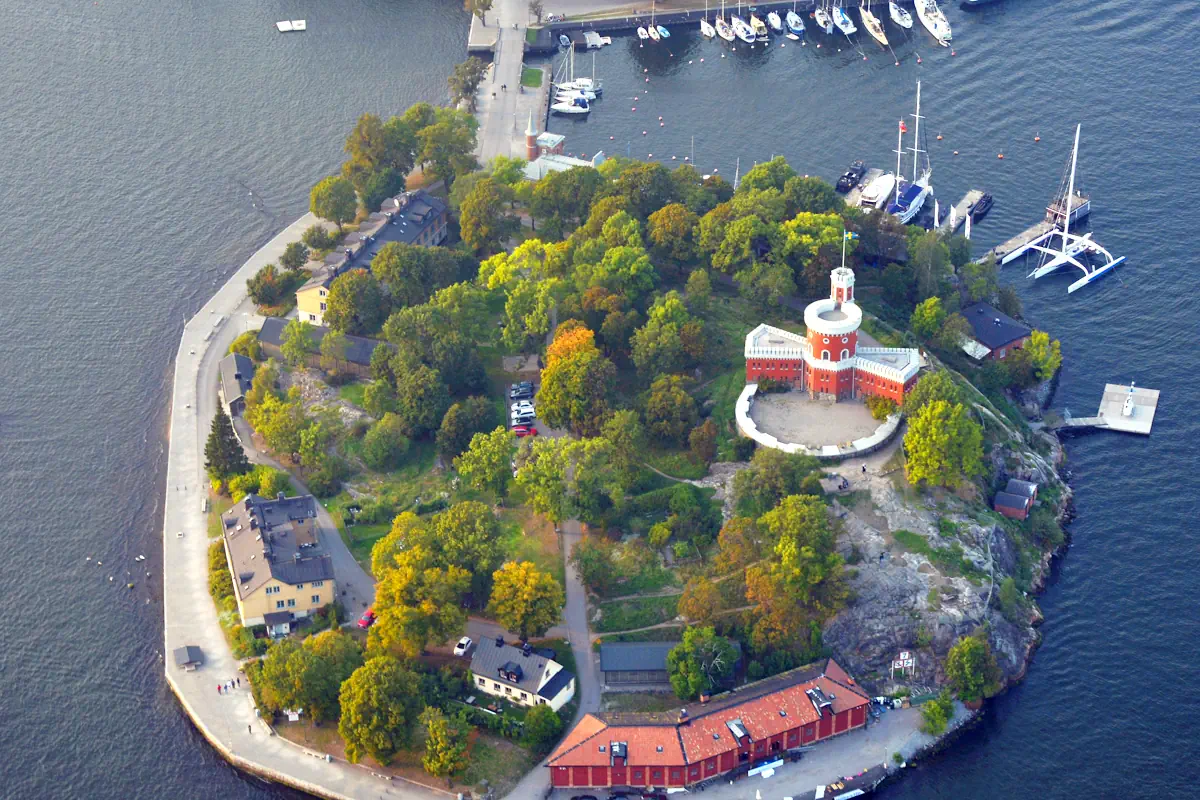
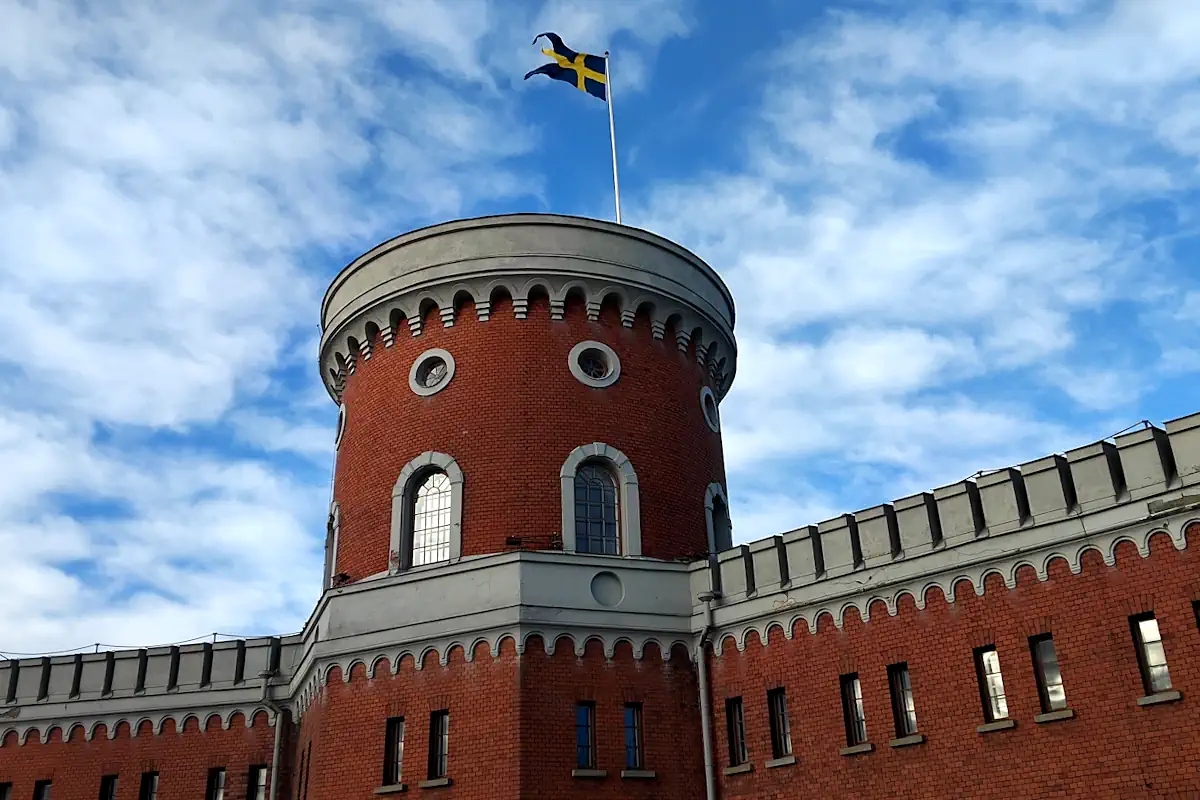
Above the island rises Kastellet, the small 19th-century fortress whose naval ensign signals Sweden’s maritime status. The large war flag flying here is lowered only if Sweden is at war or under occupation — a powerful and enduring symbol in the heart of Stockholm.
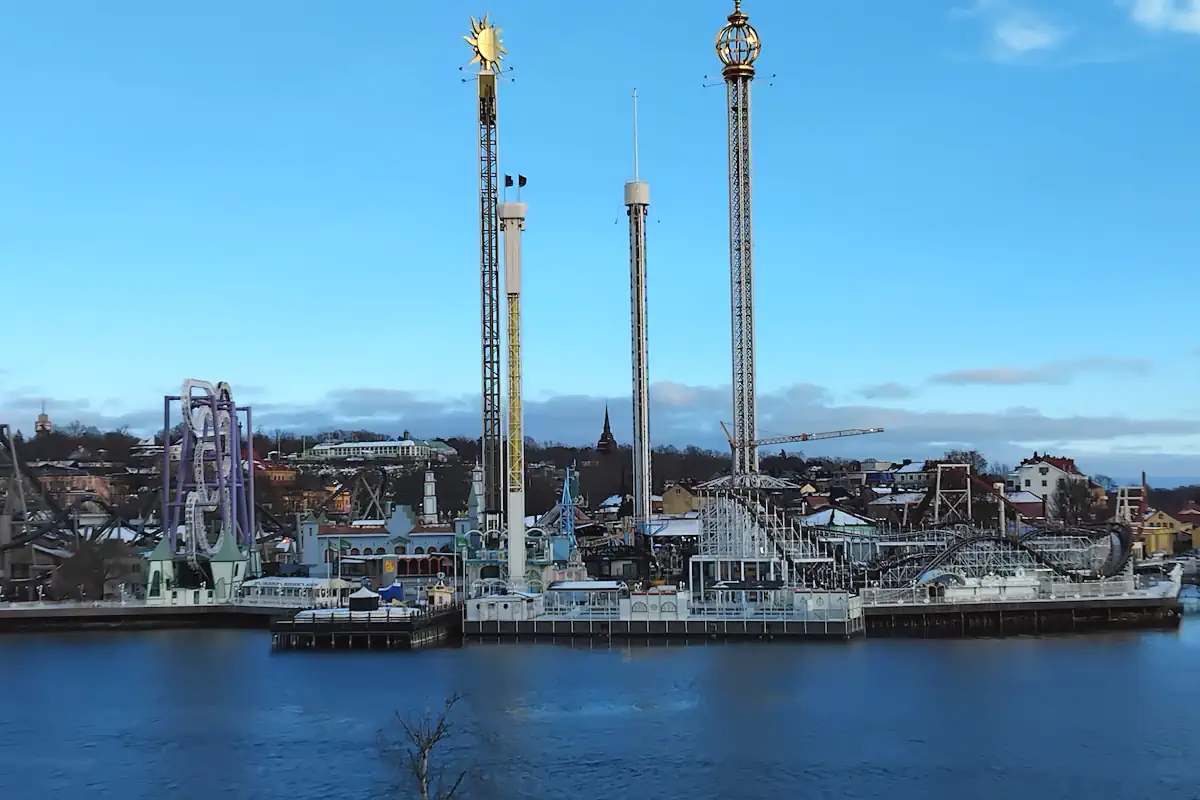
From the wreck site, visitors enjoy sweeping views toward Skeppsbron and Gamla Stan, as well as Gröna Lund on Djurgården. Few places in Stockholm combine naval history, city skyline, and archipelago atmosphere so seamlessly.
Kastellholmen is easily reached from central Stockholm. Take a leisurely walk across Skeppsholmen, or arrive by boat from Djurgården or Gamla Stan. The island offers quiet paths, waterfront benches, and panoramic views — a peaceful contrast to the bustling city just minutes away.
For those interested in exploring more about Baltic Sea shipwrecks, the Vrak Museum of Wrecks on Djurgården Island offers extensive exhibits on Sweden’s underwater heritage.
The Kastellholmen wreck offers a rare opportunity to witness Stockholm’s maritime history in its natural setting. Visible only during extraordinary low-water events, it reminds us that the Baltic Sea still guards stories from Sweden’s age of great power.
If you happen to visit during one of these rare winters when the water retreats, you are not just seeing a shipwreck — you are witnessing a moment that may not return for years.
The Kastellholmen Shipwreck
Kastellholmens skeppsvrak