A Timeless Showcase of Swedish Ceramic Artistry
Located in the Stockholm archipelago region, Gustavsberg has long been a center for Swedish craftsmanship and design innovation. The Gustavsberg Porcelain Museum (Gustavsbergs Porslinsmuseum) showcases the timeless elegance, innovation, and craftsmanship of Swedish porcelain. This iconic museum is a must-visit destination for lovers of design, history, and Scandinavian aesthetics.
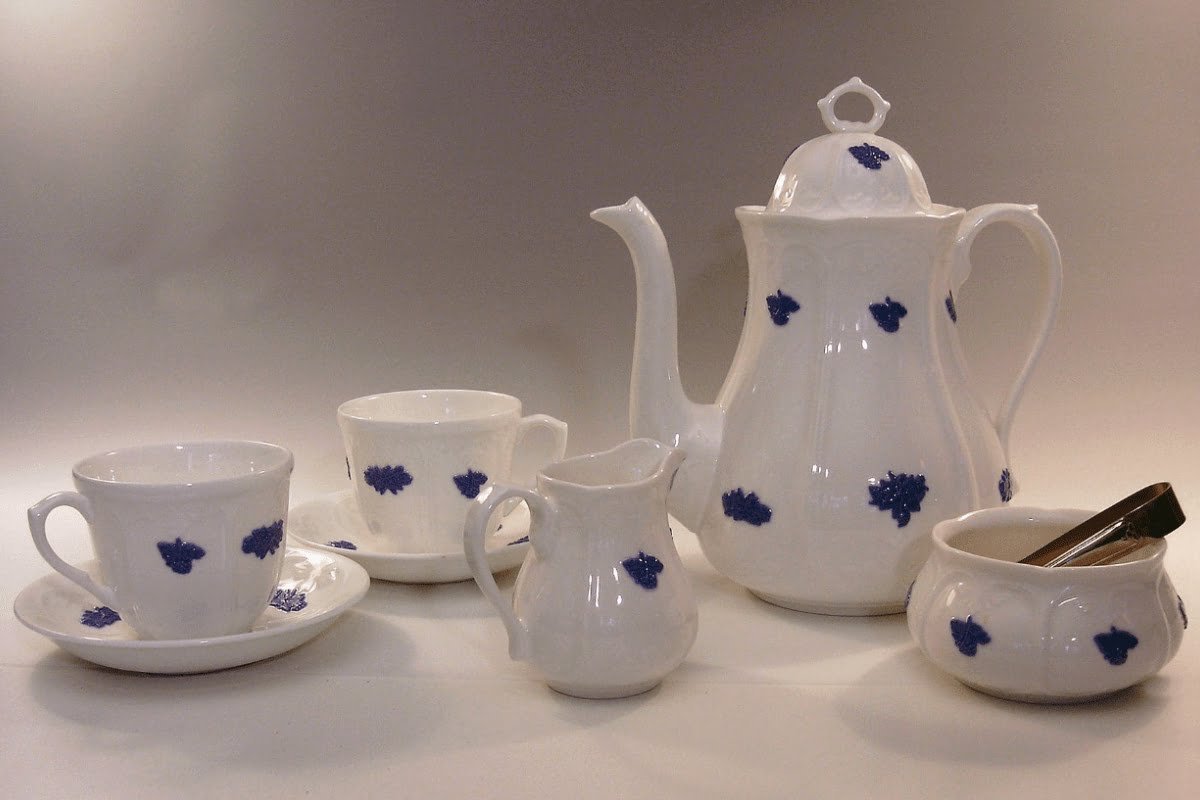
With a permanent collection of over 10,000 objects, the museum provides a fascinating window into the legacy of the Gustavsberg porcelain factory. Visitors can explore a wide range of works—from functional tableware to decorative figurines and stunning art pieces that span generations of design evolution.
Gustavsberg’s legacy is closely tied to the evolution of Scandinavian design, also explored at Moderna Museet, where modern artistic expression builds on earlier design traditions. The museum’s collections complement those of Nationalmuseum’s fine art collections, which showcases the broader context of European and Swedish art.
Founded in the 1800s, the Gustavsberg porcelain brand became synonymous with quality and style. Today, the museum preserves that heritage while inspiring new generations through curated exhibitions and educational experiences.

History of Gustavsberg Porcelain Museum
Established in 1827, the Gustavsberg porcelain factory quickly gained renown for its high-quality ceramics. Located in the coastal town of Gustavsberg, the factory specialized in producing elegant dinnerware, ornamental pieces, and later, sanitary ceramics like sinks, bathtubs, and toilets. This expansion into sanitary ware in the late 19th century solidified Gustavsberg’s role as a leading manufacturer in Europe.
The museum chronicles this transformation through immersive displays and beautifully preserved porcelain artifacts, offering insight into both the artistic and industrial facets of the factory’s evolution.
Swedish decorative arts, including ceramics, are also explored in institutions such as Hallwyl Museum, where craftsmanship and interior design reflect similar cultural traditions.


For those interested in exploring more of Sweden’s design heritage, the Sweden’s National Museum of Architecture and Design, ArkDes, offers a complementary perspective on architectural innovation.
20th Century: Innovation and Artistic Collaboration
The 20th century marked a golden era for Gustavsberg, characterized by creative experimentation and partnerships with legendary artists. In the 1930s, Wilhelm Kåge brought a bold Art Deco flair to the brand. Later, designers such as Stig Lindberg and Lisa Larson introduced playful figurines and expressive forms that remain beloved by collectors today.
In 1992, Gustavsberg joined the Finnish ceramics giant Arabia, later merging into the Iittala Group alongside Rörstrand. While large-scale production has slowed, Gustavsberg continues to produce limited-edition pieces that reflect its design-forward heritage and artistic collaborations.
Visitor Information
- 🕰️ Opening Hours:
- Friday–Sunday: 11:00 AM–4:00 PM
- Monday–Thursday: Closed
- 📍 Address: Odelbergs väg 5, 134 40 Gustavsberg
- 🚶♀️ Getting There: Accessible by SL bus from Slussen (bus 474). The museum is located in the historic porcelain factory area by the harbor.
- 🔍 What to Expect: Exhibitions on historic and contemporary porcelain, artist collaborations, and a deep dive into Sweden’s ceramic design heritage.
- 🎟️ Admission: Entrance fee applies. Youth under 20 enter free.
- 🎧 Guided Tours: Explore independently with the Nationalmuseum Visitor Guide App, available for download.
Together with leading institutions like Nationalmuseum and Moderna Museet, Gustavsberg helps define Sweden’s rich tradition of art and design.
🏭 More Manufacturing Museums in Stockholm
Explore more manufacturing museums in Stockholm—from ceramic design to textile craftsmanship and industrial engineering.
- Almgren Silk Factory & Museum
Historic looms and Sweden’s textile production heritage - Pythagoras Industrial Museum
Mechanical innovation in a preserved engine factory - Tumba Paper Mill Museum
Secure paper production and industrial precision - Wira Bruk
Early iron production and Sweden’s industrial foundations - Snus and Match Museum
Consumer goods, branding, and everyday manufacturing
Stockholm’s industrial heritage—from factories to world-renowned design.
🎨 Interested in Swedish design?
- 🏛️ Nationalmuseum – Fine art and design collections
- 🖼️ Moderna Museet – Modern and contemporary art
📍 Nearby Attractions
- Gustavsberg harbor area: Waterfront walks, cafés, and the historic porcelain factory setting


 In partnership with Agoda