


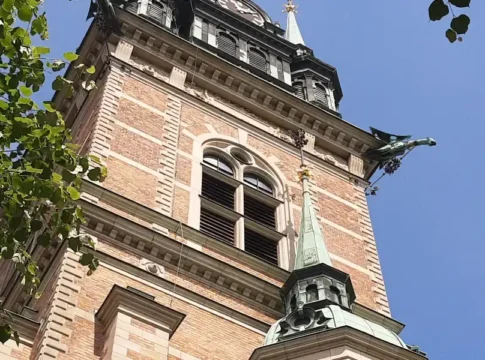
 Photo: Gerda Arendt (CC BY-SA 4.0)
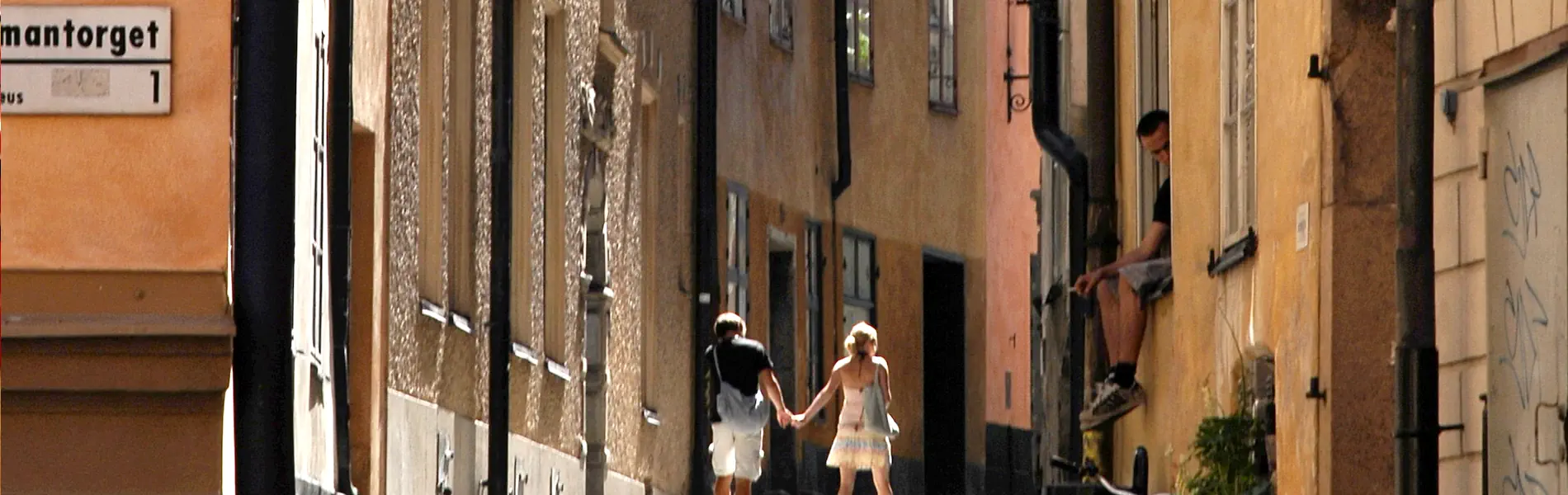
This guide focuses on the experience of walking through Gamla Stan—Stockholm’s Old Town—where narrow medieval streets, hidden alleys, and historic squares reveal themselves step by step. Rather than listing landmarks, it invites you to explore the atmosphere, rhythm, and small details that define the city’s oldest district.
For a complete overview of Gamla Stan’s history and landmarks, see our main guide to Gamla Stan – Stockholm’s medieval Old Town.
Walking through Gamla Stan is like stepping into a living medieval city. Narrow cobbled streets wind between tall, colorful buildings, opening suddenly into small squares, hidden courtyards, and glimpses of the surrounding water. Rather than following a strict route, the experience is about wandering—letting the atmosphere guide you through Stockholm’s oldest district.
As part of Gamla Stan’s historic landscape, this walk naturally connects landmarks such as Stortorget, Skeppsbron, and the Stockholm Royal Palace—each revealing a different layer of Stockholm’s past.
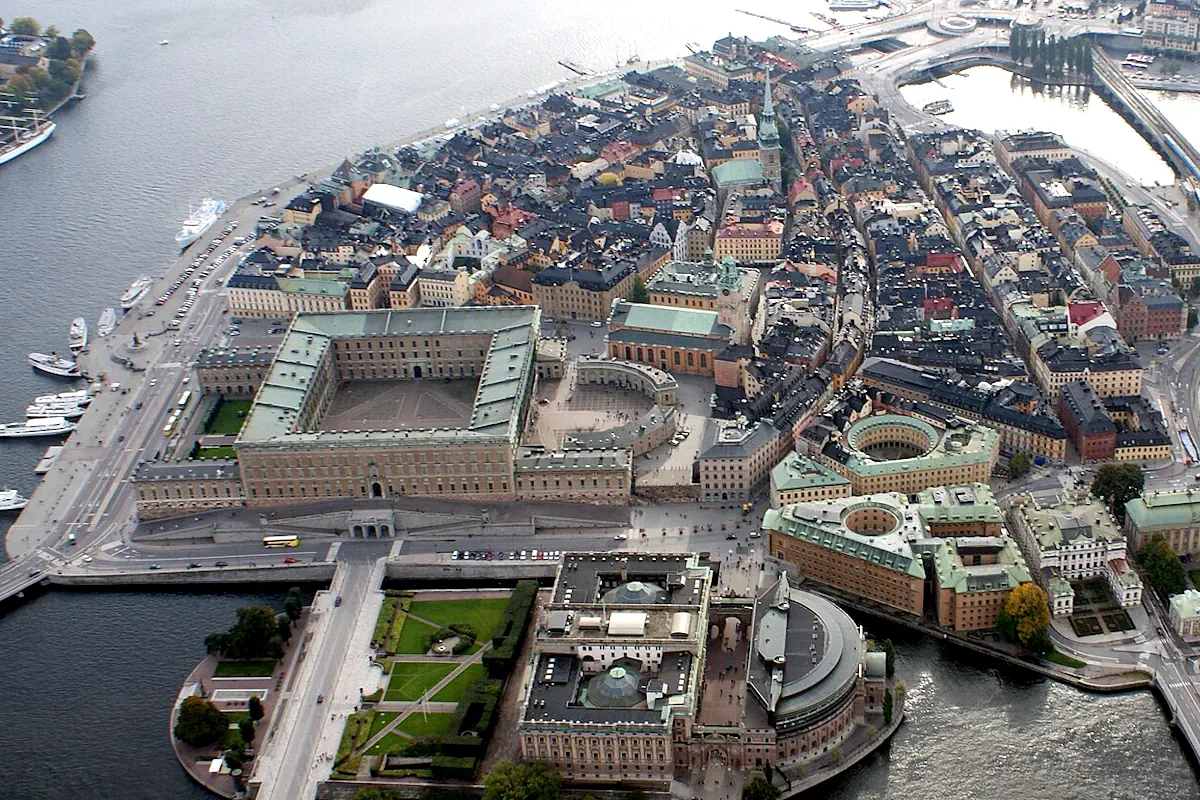
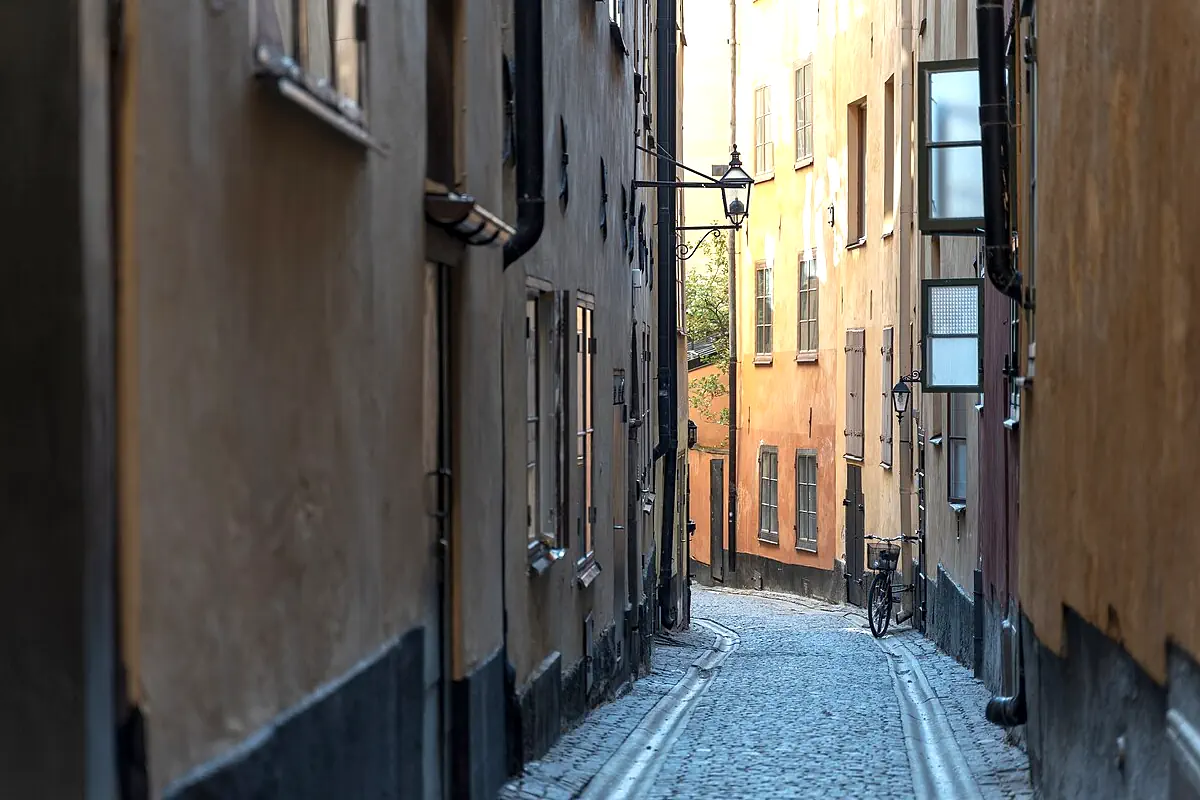
Most walks begin naturally at Slussen, where the modern city gives way to the historic island of Gamla Stan. Crossing into the Old Town, the streets quickly narrow and the pace slows. The sounds of traffic fade, replaced by footsteps on cobblestones and the quiet hum of cafés and small shops.
The heart of Gamla Stan is best experienced without a plan. Streets twist and turn unpredictably, reflecting a medieval layout that predates modern city planning. Tall buildings rise closely on either side, creating narrow passages where light and shadow shift throughout the day.
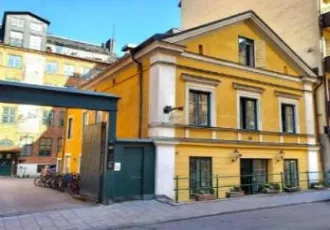
As you wander, you’ll notice details easily missed at a glance—carved doorways, worn stone steps, and subtle changes in building styles that reveal centuries of adaptation.
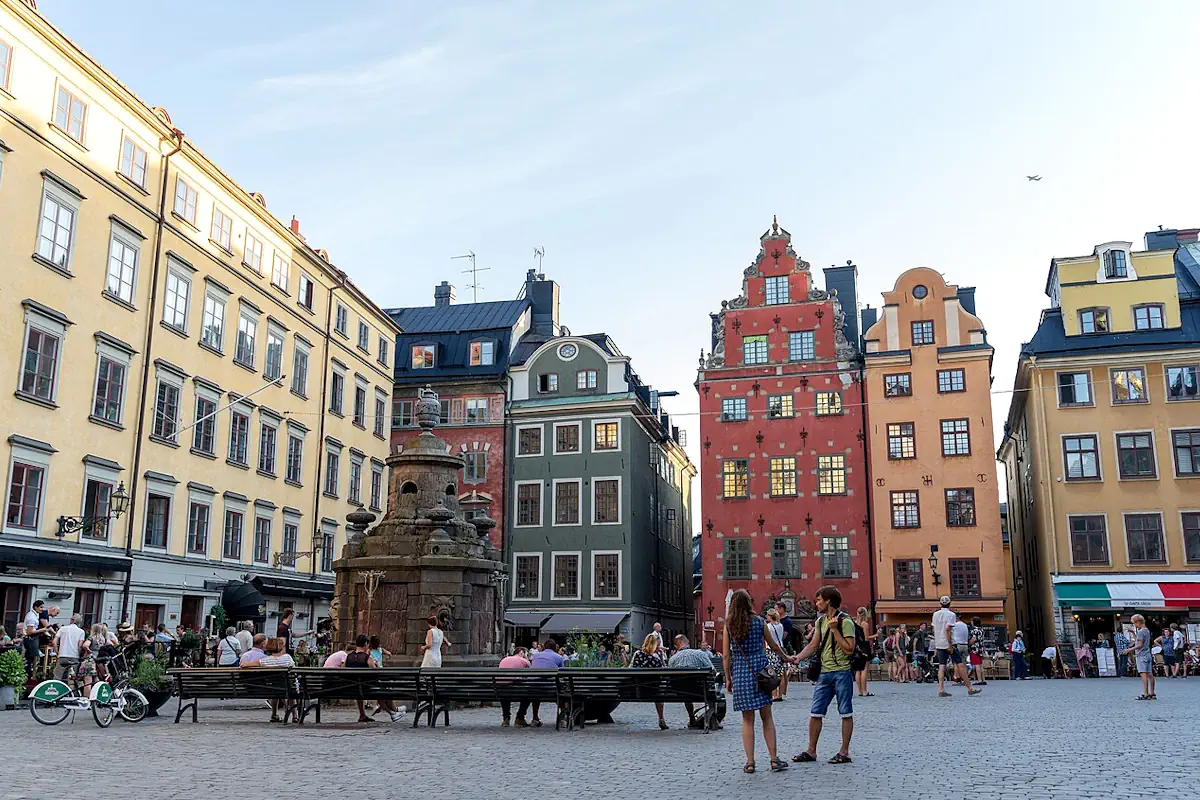
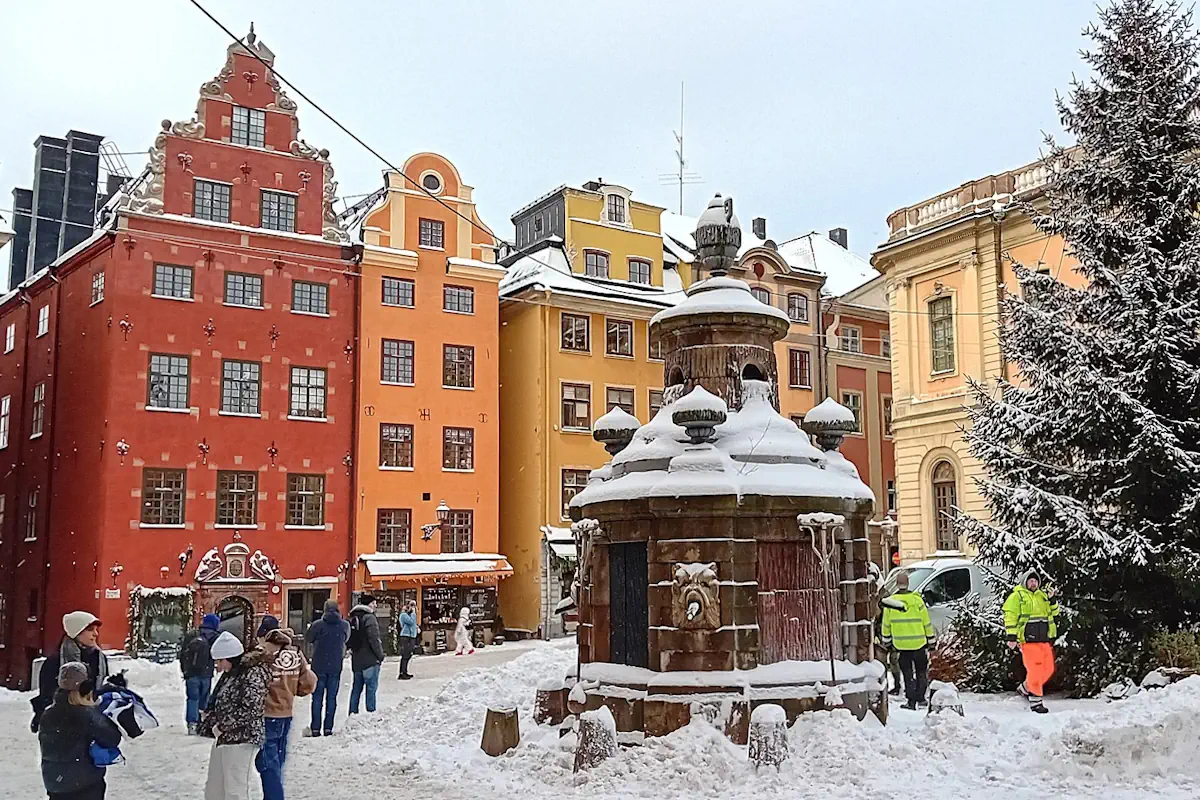
Eventually, many paths lead to Stortorget, the historic heart of Gamla Stan. The square opens up suddenly, surrounded by colorful merchant houses and filled with a lively yet timeless atmosphere.
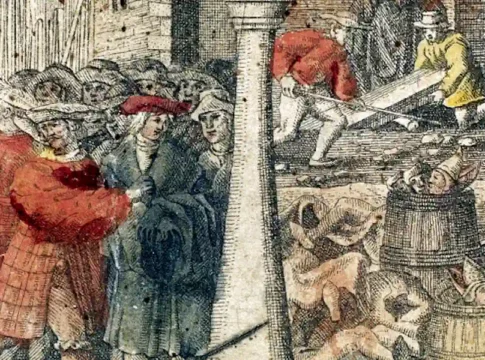
Here, the pace changes again. Visitors pause, cafés spill onto the square, and the layered history of the place—from medieval trade to dramatic political events—adds depth to the experience.
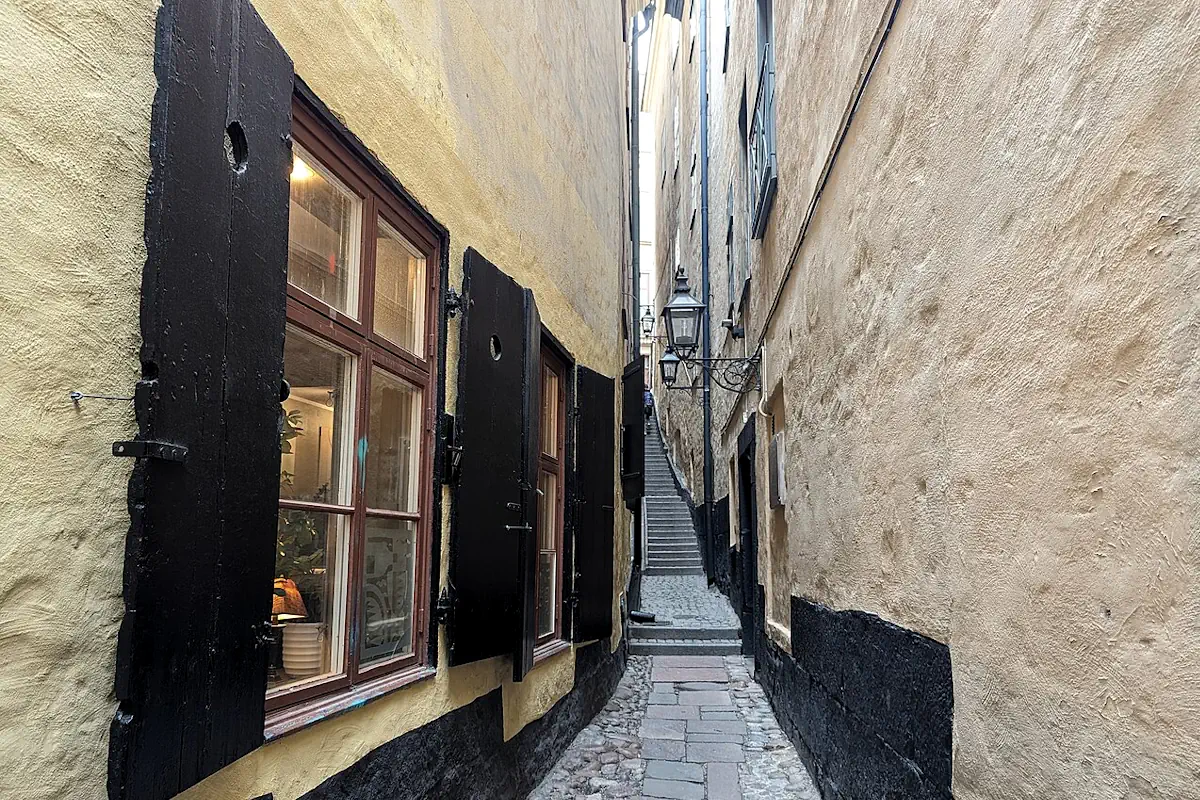
Leaving the main square behind, Gamla Stan reveals its quieter side. Narrow alleys branch off into less crowded areas, where the atmosphere becomes more intimate and reflective.
One of the most famous is Mårten Trotzigs Gränd, the narrowest street in Stockholm. But beyond well-known spots, countless smaller passages invite exploration—each with its own character and sense of discovery.
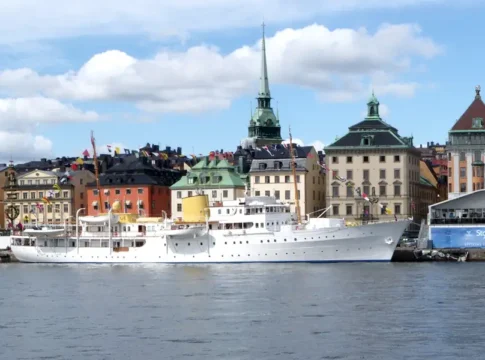
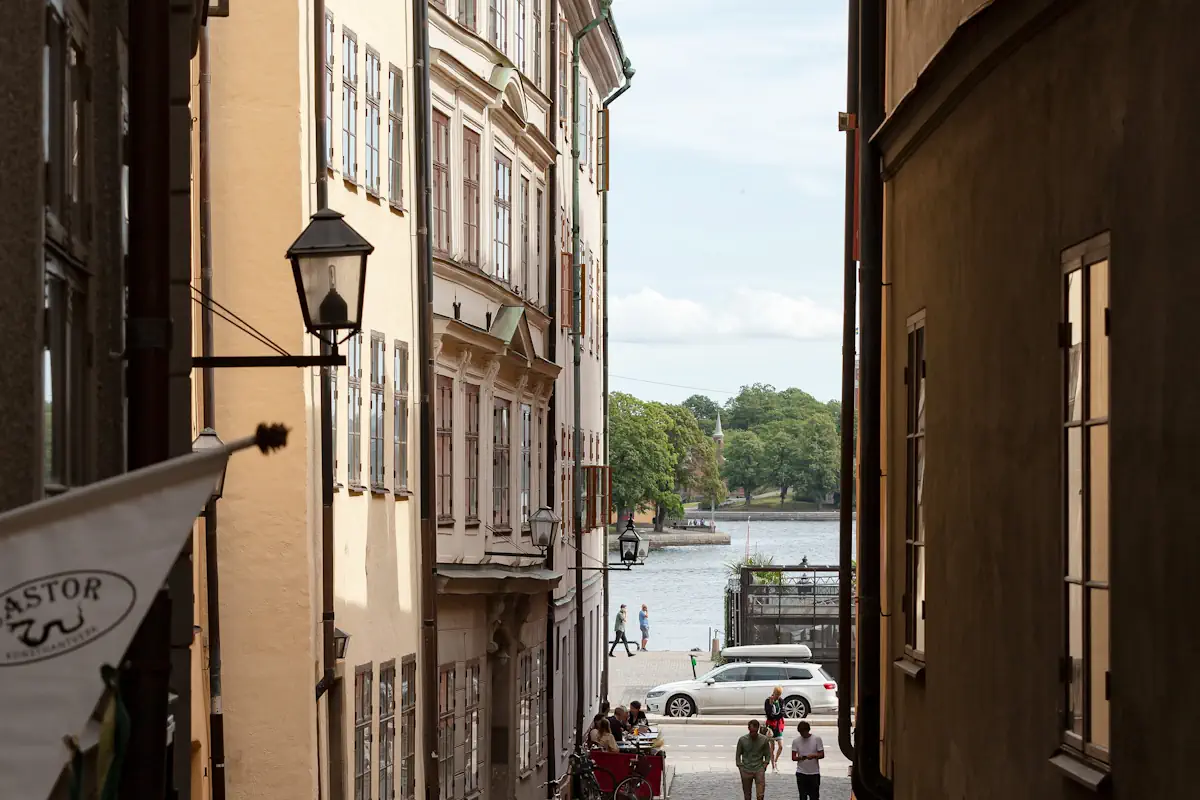
As you move toward the edges of the island, the city opens up again. Along the waterfront at Skeppsbron, views stretch across the water toward Skeppsholmen and the Baltic Sea, especially along Skeppsbron’s historic waterfront.
These moments of openness contrast with the dense interior streets, creating a rhythm between enclosed medieval spaces and expansive waterfront vistas.
What makes walking through Gamla Stan special is not just the major landmarks, but the accumulation of small details. Signs, textures, colors, and materials all reflect different periods of Stockholm’s history.
Looking closely, you can trace layers of time—from medieval foundations to later façades—embedded within the same streets.
Gamla Stan is best experienced slowly and on foot. Distances are short, but the richness of the environment encourages exploration rather than efficiency. Every detour reveals something new, whether it’s a quiet courtyard, a historic doorway, or a sudden view of the water.
Unlike many historic districts, Gamla Stan is not a staged environment—it is a living part of Stockholm where daily life continues within a preserved medieval framework.
For a deeper understanding of the district’s history, landmarks, and cultural significance, explore our complete guide to Gamla Stan.