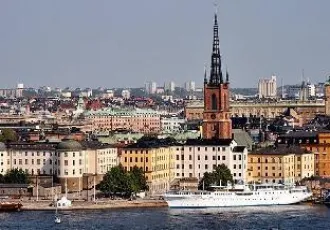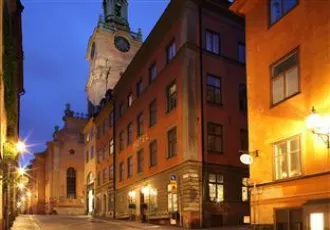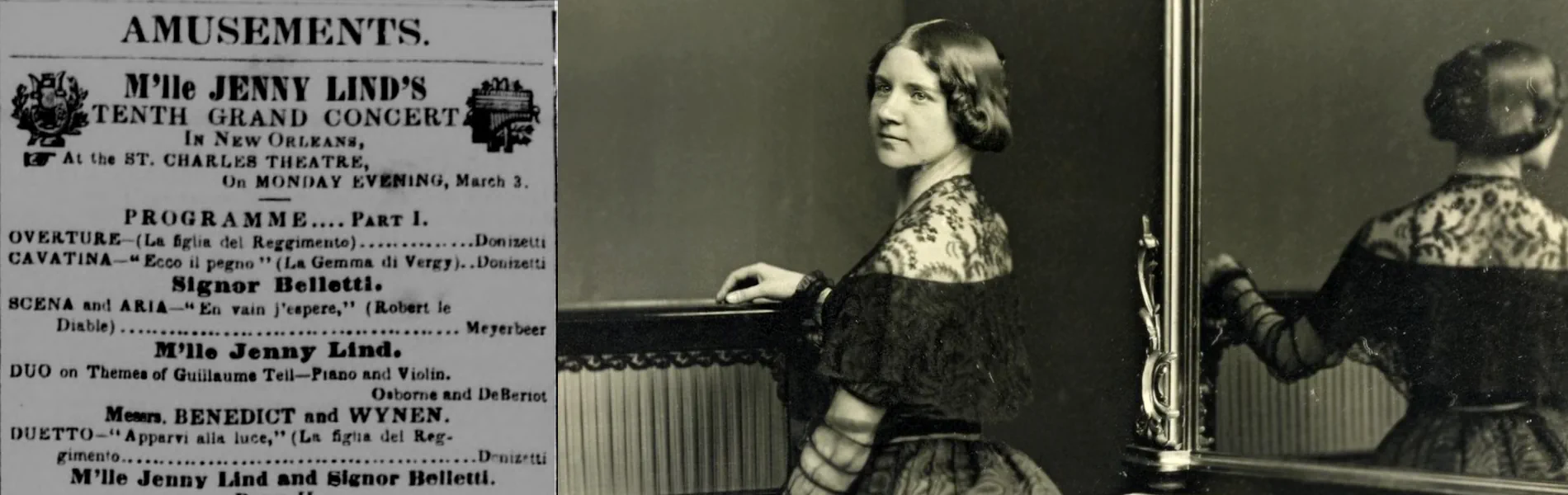
Jenny Lind (1820–1887), known as the “Swedish Nightingale,” was one of the most celebrated opera singers of the 19th century. Born in Stockholm (Klara), she achieved international fame and became a defining figure in Swedish musical history.
Jenny Lind: The Swedish Nightingale Who Conquered the World
In 19th‑century Europe, few voices stirred the human spirit like that of Jenny Lind. Born in Stockholm, she rose from modest beginnings to become one of the world’s first true music superstars—celebrated across continents as the “Swedish Nightingale.”
Lind became a global icon, and today she stands within a broader Swedish cultural tradition that has come to include figures such as Carl Michael Bellman and August Strindberg—artists whose work helped define Sweden’s cultural identity far beyond its borders.


More than a virtuoso soprano, Lind became a symbol of artistic purity, humility, and generosity—qualities that continue to define her legacy in Sweden and far beyond.
Swedish opera singer Jenny Lind, born Johanna Maria Lind in 1820, grew up near Klara Church in the heart of Stockholm. From an early age, her extraordinary voice set her apart.
At just nine years old, she was admitted to the Royal Swedish Academy of Music, where her talent quickly blossomed. Not long after, she made her debut at Stockholm’s Royal Swedish Opera, earning acclaim for roles such as Agathe in Der Freischütz.
Even in her teenage years, Stockholm audiences understood they were witnessing something rare—a voice of remarkable clarity, purity, and emotional depth.
Lind’s journey beyond Sweden transformed her into a European sensation. In Germany, she worked closely with composer Felix Mendelssohn, who deeply admired her voice and artistry.
By 1847, she had conquered London’s operatic scene, performing for royalty and captivating audiences across all levels of society. Her performances were praised not only for their technical brilliance but also for their sincerity—an emotional honesty that resonated deeply with listeners.
From Stockholm to London, Jenny Lind became synonymous with excellence in opera.
In 1850, Lind embarked on a groundbreaking American tour organized by showman P. T. Barnum. What followed was nothing short of extraordinary.
The phenomenon became known as “Lind Mania”—one of the earliest examples of modern celebrity culture.
Yet what truly set Lind apart was not just the scale of her fame, but the depth of her character. She donated large portions of her earnings to charities supporting children, education, and the poor—earning admiration that extended far beyond the stage.
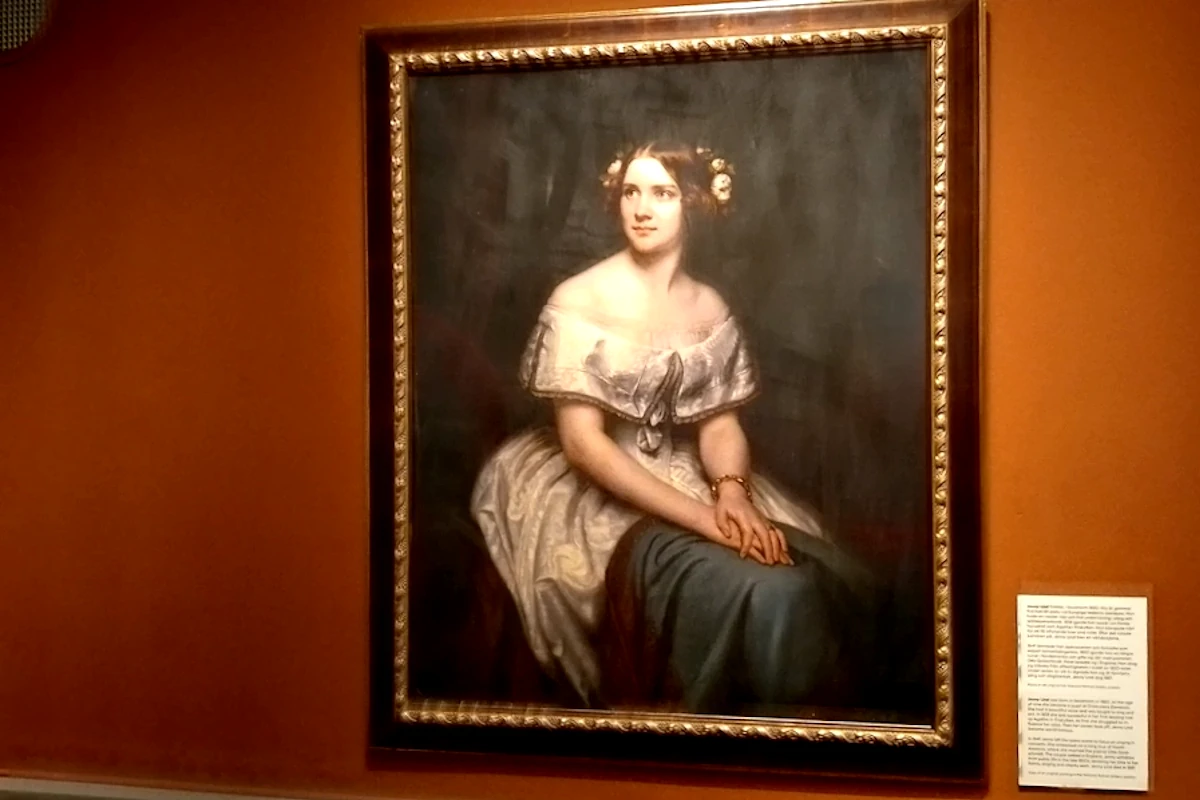
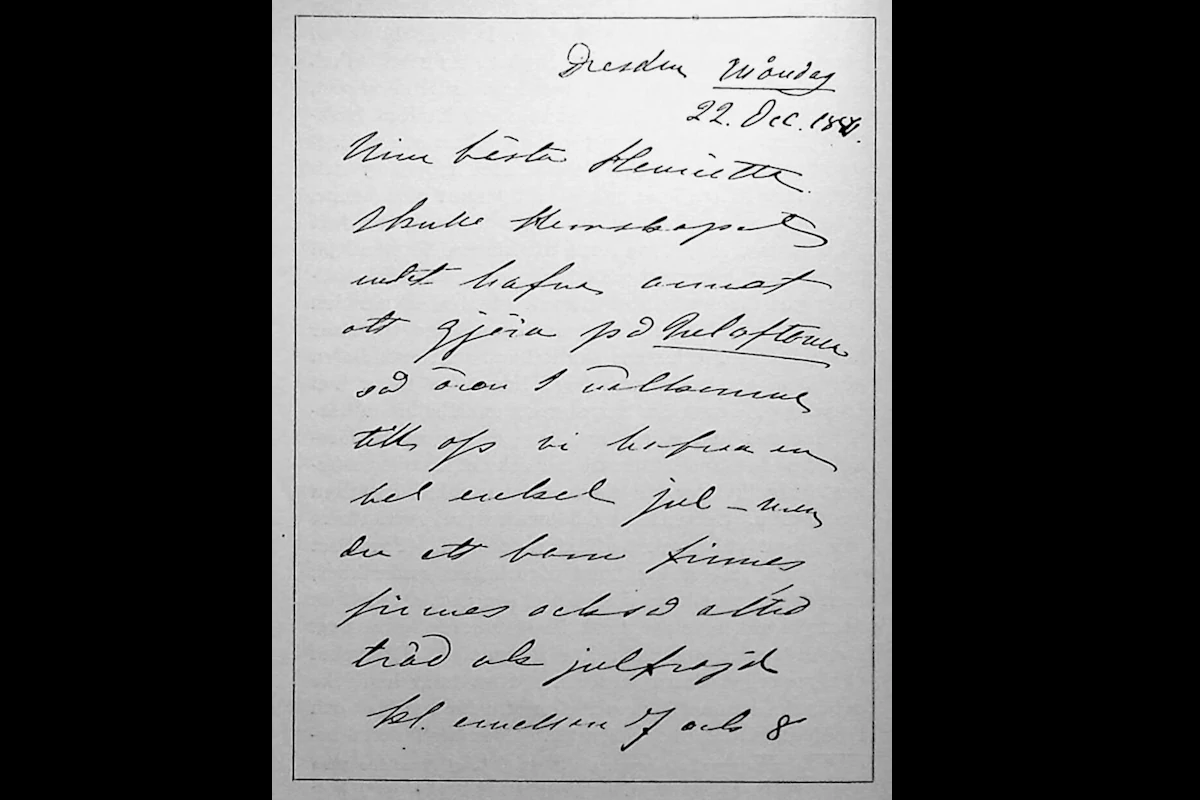
After retiring from opera at the height of her fame, Lind devoted herself to teaching. At London’s Royal College of Music, she mentored a new generation of singers, passing on her discipline and artistic philosophy.
Her legacy is not only musical, but deeply human—defined by excellence, generosity, and integrity.
Visitors to Stockholm can still trace Jenny Lind’s legacy through the city. From Klara Church, where her early life unfolded, to the grand Royal Swedish Opera, her presence remains woven into the cultural fabric of the capital.
Walking through Norrmalm, it’s easy to imagine the beginnings of a voice that would one day captivate the world.
Jenny Lind – Stockholm’s Nightingale and Opera Legend
Jenny Lind – Stockholms näktergal och operalegend