


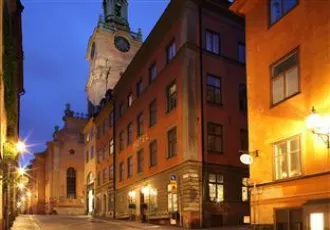

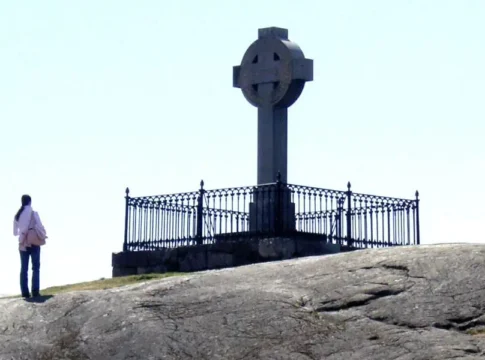
 Photo: Holger.Ellgaard . (CC BY-SA 4.0)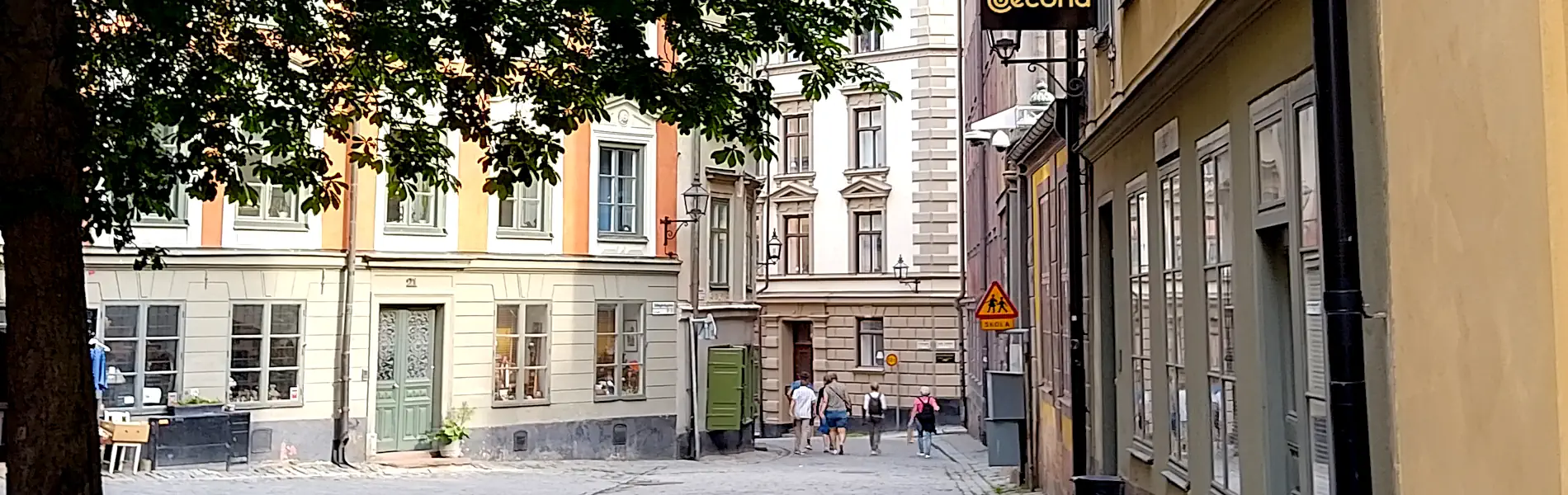
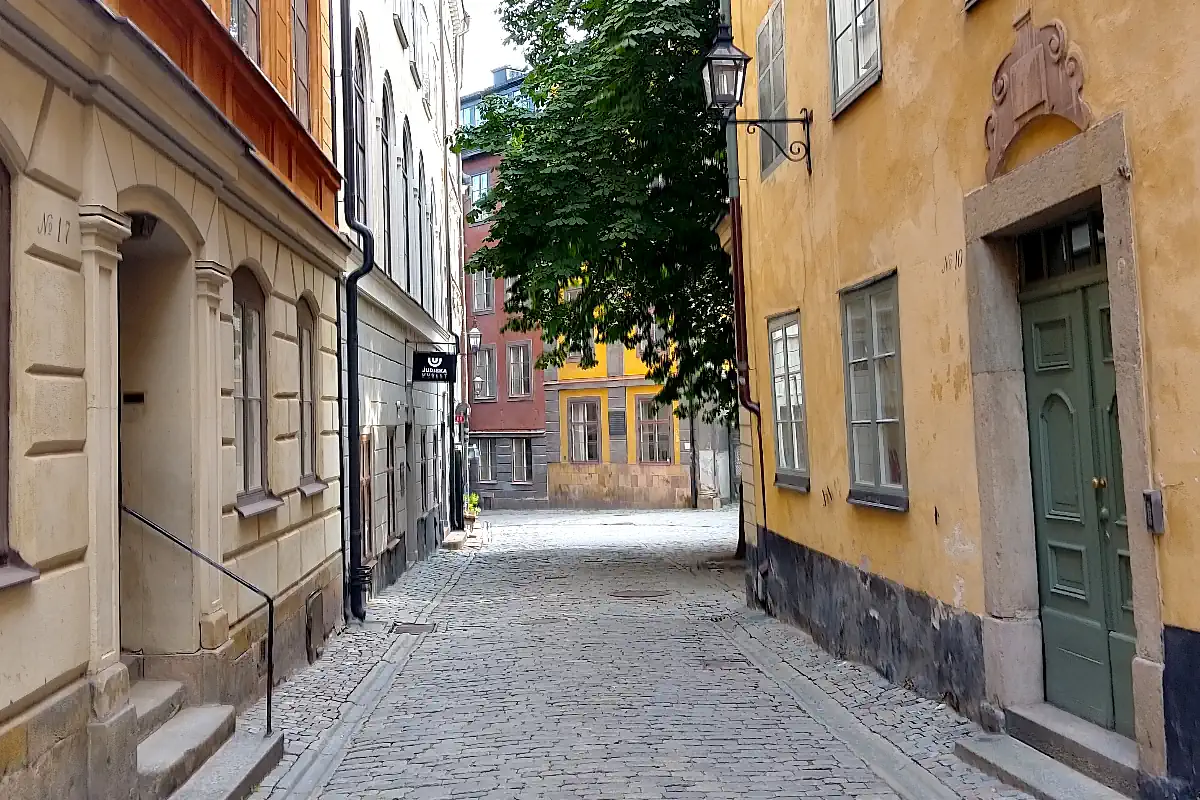
A street view of Gamla Stan in summer. Photo: © StockholmMuseum.com
Summary
Step into Gamla Stan, the medieval heart of Stockholm, founded in the 13th century by Birger Jarl. Explore Stortorget, where the Stockholm Bloodbath reshaped Sweden’s destiny, visit Storkyrkan and Riddarholmen Church, and stand before the Royal Palace built upon the medieval Tre Kronor fortress. Between Lake Mälaren and the Baltic Sea, Gamla Stan remains the historic core where trade, royal power, and faith shaped the Swedish capital.
Gamla Stan: The Medieval Heart of Stockholm
Gamla Stan is not merely Stockholm’s Old Town — it is the birthplace of the Swedish capital. Rising on the island of Stadsholmen in the 13th century, this fortified settlement controlled the strategic passage between Lake Mälaren and the Baltic Sea. From these narrow streets, trade routes expanded, monarchs ruled, and the foundations of modern Sweden were laid.
Today, its cobbled alleys and ochre façades preserve one of Europe’s most intact medieval city plans — a living testament to Stockholm’s origins.
Gamla Stan at a Glance
- Founded: 1252 (traditionally linked to Birger Jarl)
- Location: Stadsholmen island, central Stockholm
- Significance: Birthplace of Stockholm
- Key landmarks: Stortorget, Royal Palace, Storkyrkan, Riddarholmen Church
- Era: Medieval (13th–16th century origins)
- Character: Narrow alleys, cobbled streets, colorful merchant houses
A Strategic Beginning
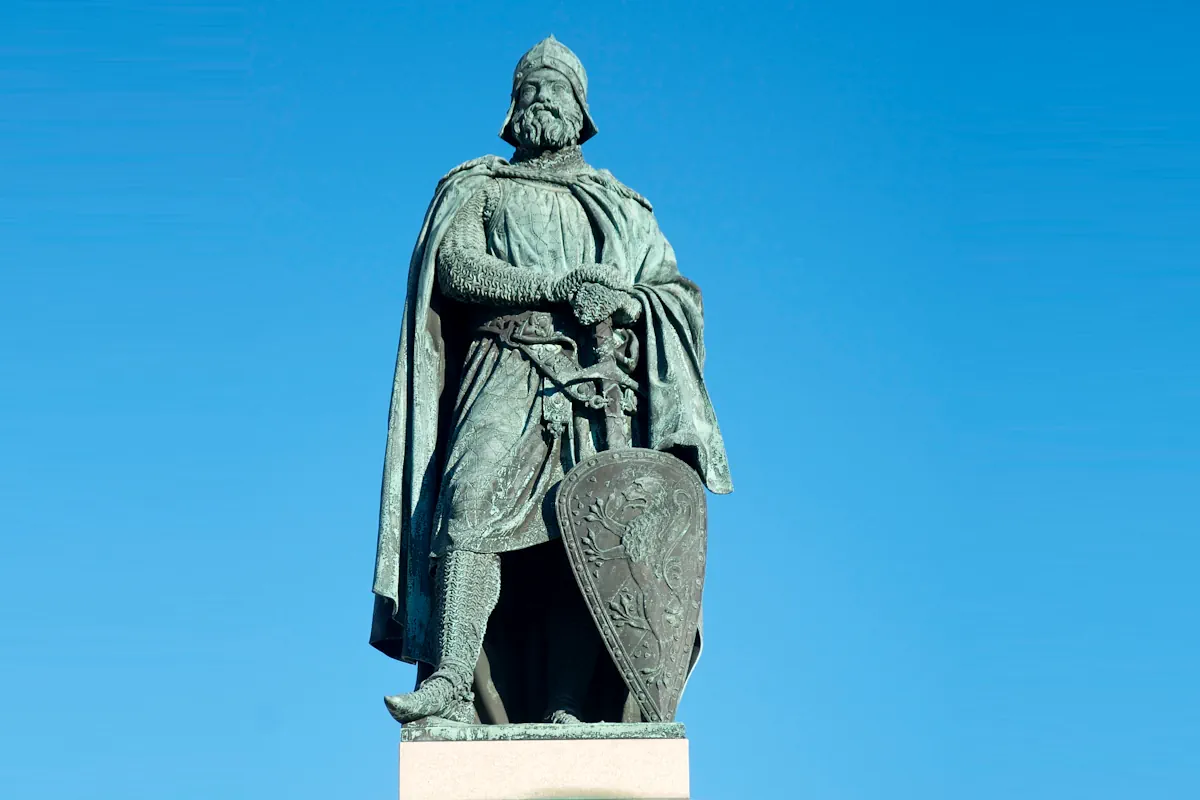
In 1252, Birger Jarl established a fortified settlement here to protect inland trade routes from seaborne threats. The narrow strait between lake and sea made Gamla Stan a natural “lock” — controlling commerce and customs revenues. Stockholm’s earliest city walls once enclosed this island, traces of which still survive beneath modern structures.
Wooden houses gradually gave way to stone buildings. Defensive walls enclosed the island. Merchants from the Hanseatic League settled nearby, strengthening Stockholm’s position in Northern European trade networks.
What began as a military and commercial outpost quickly evolved into a political center.
Churches and Royal Authority
Medieval Stockholm was shaped as much by faith as by trade. Storkyrkan, founded in the 13th century, became the city’s spiritual heart. Just steps away, Riddarholmen Church later emerged as the burial place of Swedish monarchs, cementing Gamla Stan’s royal significance.
The proximity of church, marketplace, and fortress reflected the intertwined nature of religion, governance, and daily life in the Middle Ages.
Stortorget – A Square of Triumph and Tragedy
At the center of Gamla Stan lies Stortorget, Stockholm’s oldest square. For centuries it served as the commercial and civic heart of the city.


In November 1520, the square became the site of the infamous Stockholm Bloodbath, when Danish King Christian II ordered the execution of Swedish nobles and clergy. The massacre shocked the kingdom — and ultimately fueled the rebellion that brought Gustav Vasa to power.
The medieval era ended in violence, but from it emerged an independent Sweden.
From Fortress to Royal Palace
On the island’s northern edge stands the Royal Palace, built on the site of the medieval Tre Kronor fortress. Though largely Baroque in its current form, it rests on the same strategic foundations that defined Gamla Stan’s importance for centuries.


Here, medieval fortifications evolved into ceremonial state architecture — linking Stockholm’s origins directly to Sweden’s monarchy.
A City Shaped by Water
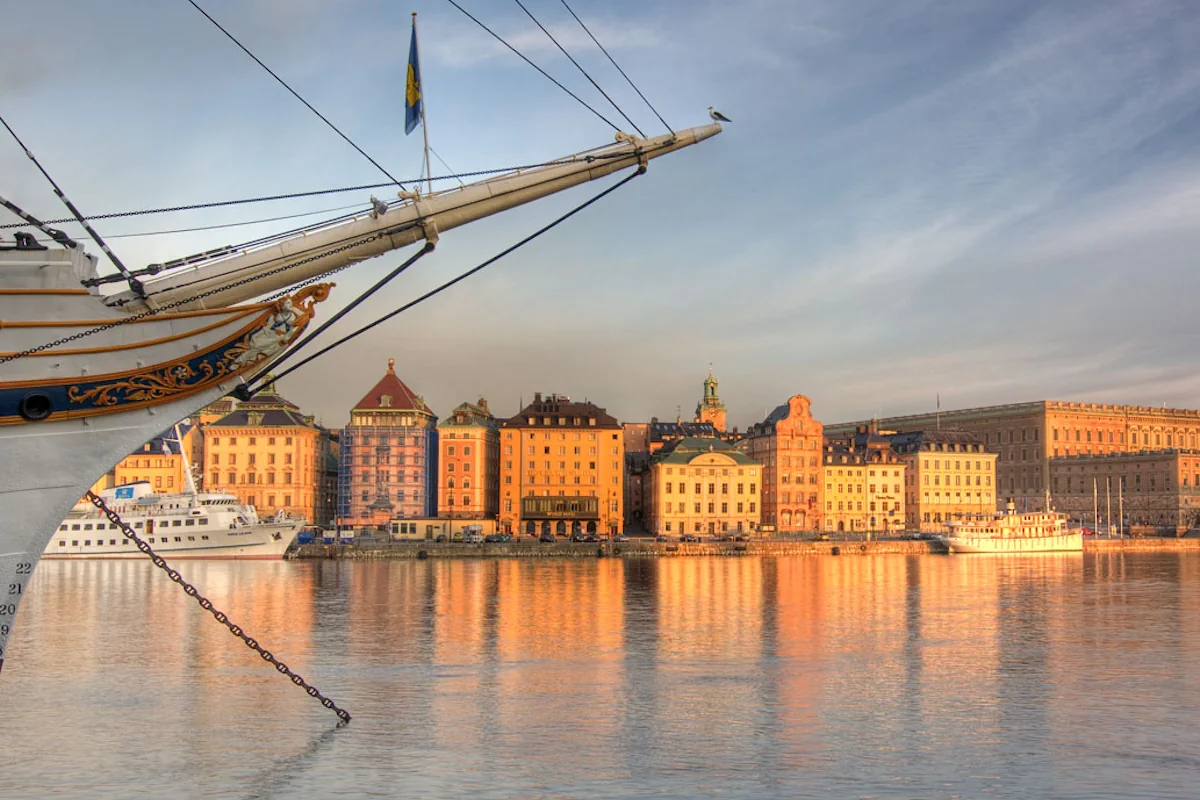
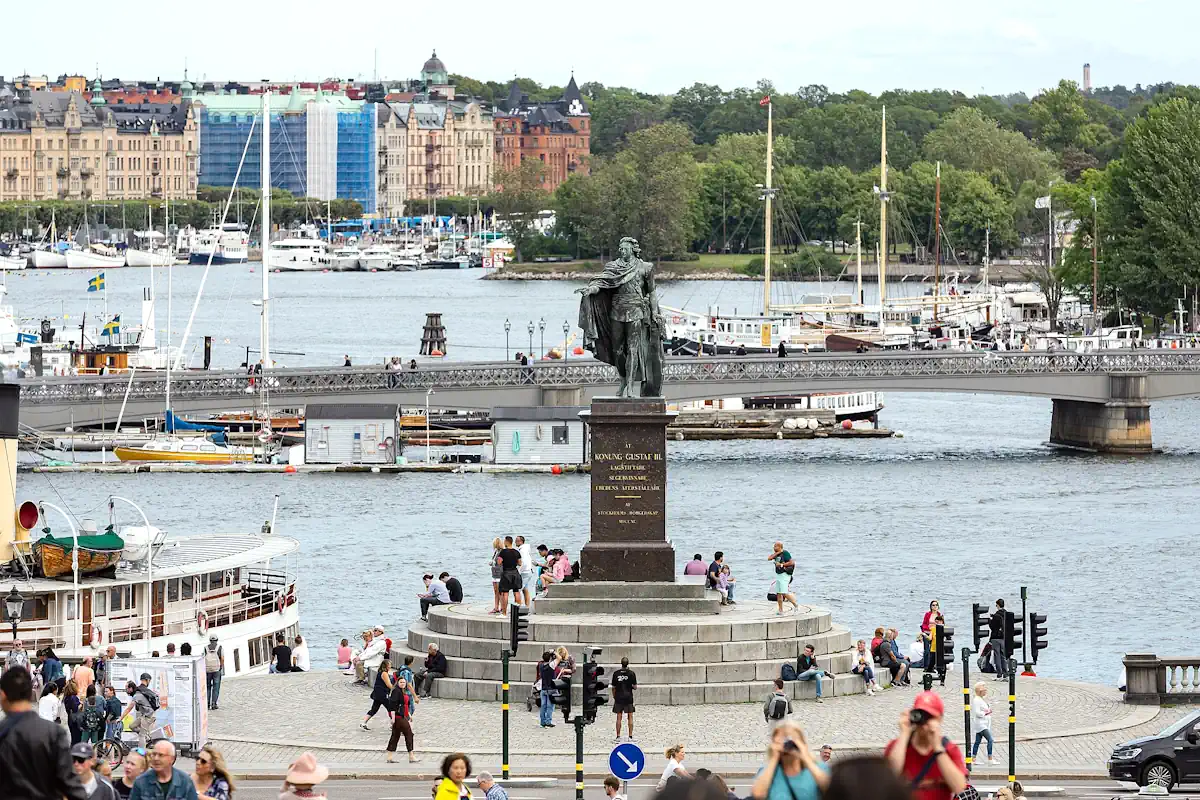
Gamla Stan’s existence is inseparable from water. To the west lies Lake Mälaren; to the east, Saltsjön and the Baltic Sea. This meeting point gave Stockholm its economic strength and defensive advantage.
Understanding Gamla Stan means understanding how geography shaped destiny — a theme explored further in Stockholm’s waterways.
Medieval Streets in a Modern Capital
Despite fires, wars, and centuries of change, Gamla Stan retains its medieval street plan. Narrow alleys like Mårten Trotzigs Gränd twist between colorful townhouses. Cafés and small shops occupy buildings that once housed merchants and craftsmen.
It is both living neighborhood and open-air archive — where Stockholm’s earliest chapter remains visible in stone.


Why Visit Gamla Stan?
Gamla Stan offers a rare opportunity to walk through the medieval origins of a European capital. Within a compact island, visitors encounter royal palaces, Gothic churches, historic squares, and streets that follow a 13th-century layout. Whether exploring Stortorget, witnessing the Changing of the Guard at the Royal Palace, or wandering through Mårten Trotzigs Gränd, Gamla Stan remains one of Europe’s best-preserved medieval city centers.
Few districts in Northern Europe preserve their medieval structure with such clarity and continuity.
Gamla Stan FAQ
- Is Gamla Stan the oldest part of Stockholm? Yes. Gamla Stan was founded in the 13th century and represents the original medieval core of the city.
- How old is Gamla Stan? Its origins date to the 1250s, traditionally associated with Birger Jarl.
- Is Gamla Stan worth visiting? Absolutely. It combines medieval architecture, royal landmarks, historic churches, and waterfront views within a compact and walkable district.
- How long should you spend in Gamla Stan? Allow at least 2–3 hours to explore major landmarks, museums, and historic streets at a relaxed pace.
Conclusion: Where Stockholm Began
Gamla Stan is more than a historic district — it is the foundation of Sweden’s capital. Here, trade routes were defended, monarchs crowned, rebellions ignited, and a city took shape between lake and sea. To walk through Gamla Stan is to walk through the medieval origins of Stockholm itself.
Visit Info
 Gamla Stan: The Medieval Heart of Stockholm
 Gamla Stan: The Medieval Heart of Stockholm
Other Info
Gamla Stan is Stockholm’s historic Old Town, founded in the 13th century on the island of Stadsholmen. It is home to Stortorget, Storkyrkan, Riddarholmen Church, and the Royal Palace, and remains one of Europe’s best-preserved medieval city centers.
🔎 Related Attractions
Photo: Holger.Ellgaard . (CC BY-SA 4.0) Photo: I99pema (CC BY-SA 4.0)
 Photo: Lisa Raihle Rehbäck, © Kungl. Hovstaterna
 Photo: Etala10 (CC BY-SA 4.0)