Tyresö Palace (Tyresö Slott)
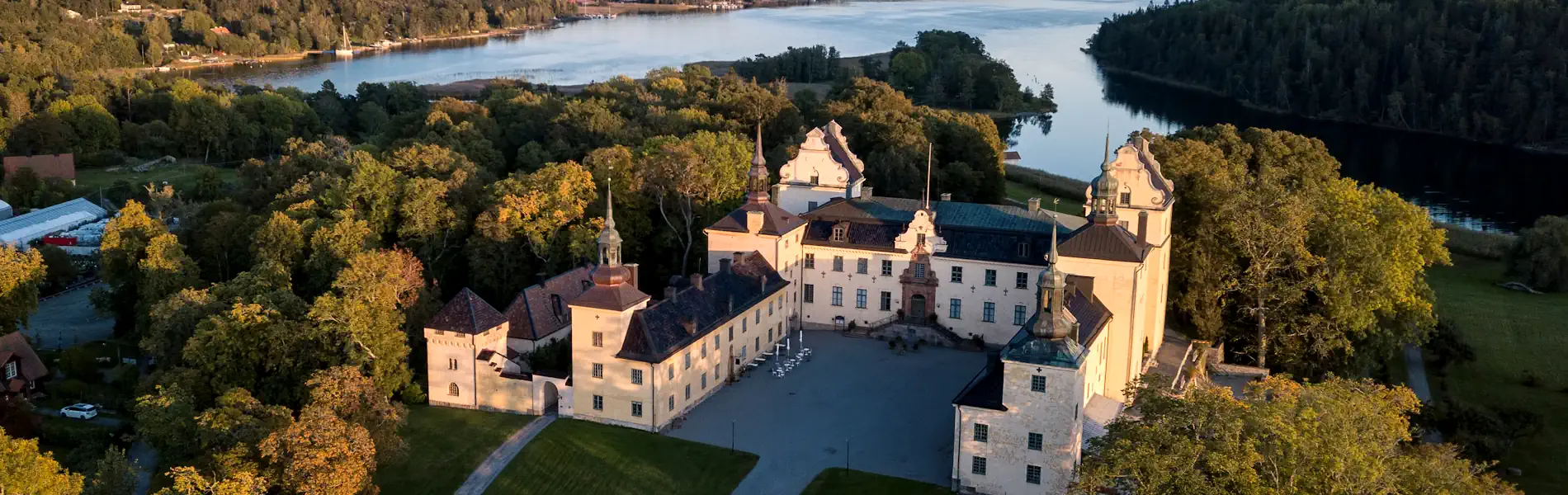
Set beside the calm waters of Kalvfjärden, just 20 kilometers southeast of central Stockholm, Tyresö Palace (Tyresö Slott) is one of the most accessible historic castles near Stockholm. Built in the 1630s during Sweden’s Great Power Era, the palace reflects both aristocratic ambition and architectural refinement. Surrounded by landscaped gardens, forested trails, and open water, it offers visitors a rare combination of cultural heritage and natural beauty — all within easy reach of the capital.
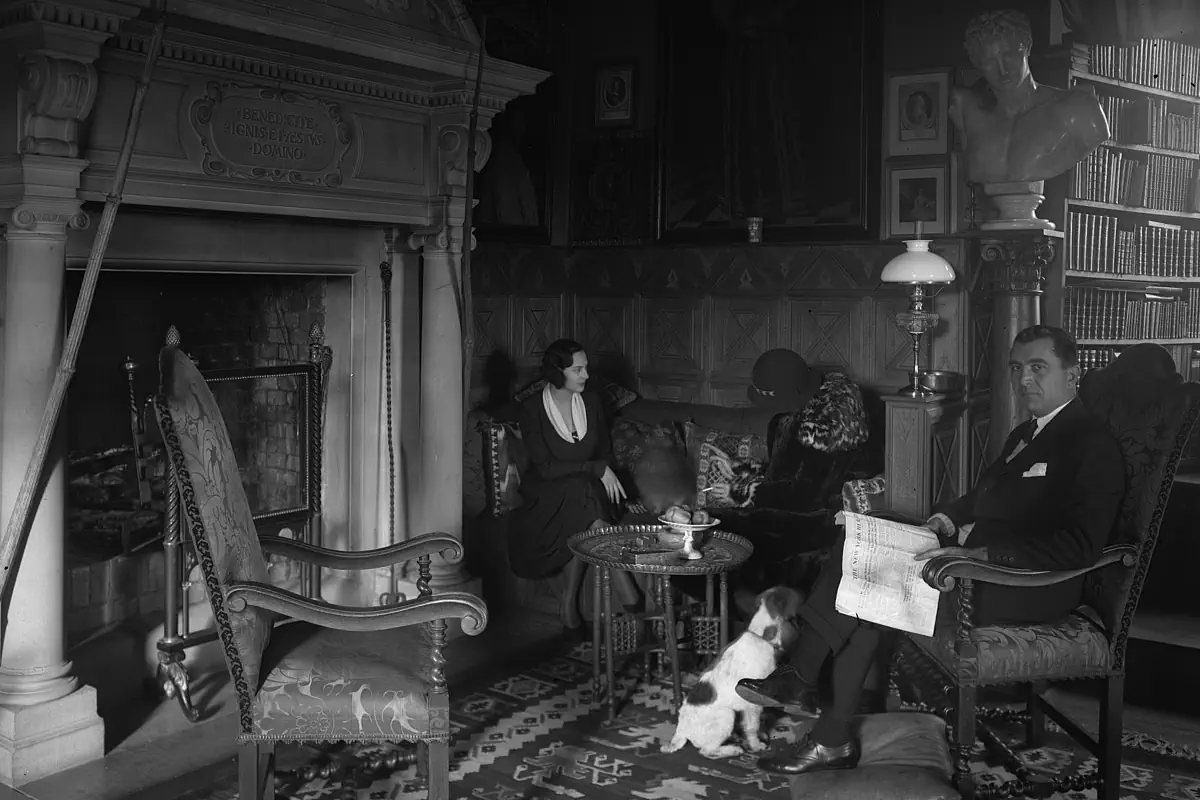
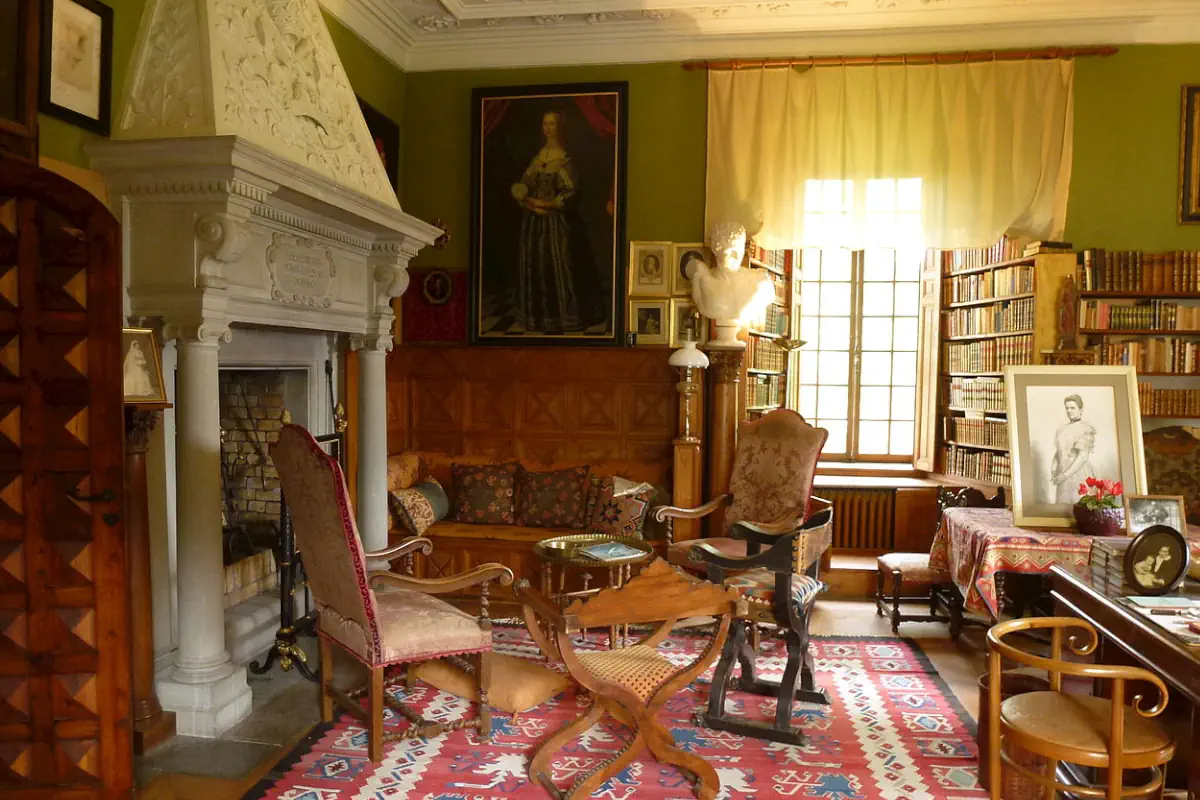
Originally commissioned by Gabriel Gustafsson Oxenstierna, one of the most influential statesmen of 17th-century Sweden, Tyresö Palace was conceived as a statement of prestige and power. In the late 19th century, Marquis Claes Lagergren reshaped the estate in a romantic historicist style, preserving its Baroque foundations while adding national romantic character. Today, Tyresö remains one of the most atmospheric and accessible historic estates south of Stockholm.
Architecture and the Swedish Great Power Era
The palace emerged during Stormaktstiden — Sweden’s period as a major European power. Noble families such as the Oxenstiernas played central roles in shaping politics, diplomacy, and cultural life. Estates like Tyresö were not merely residences; they were political and social centers that symbolized Sweden’s expanding influence.
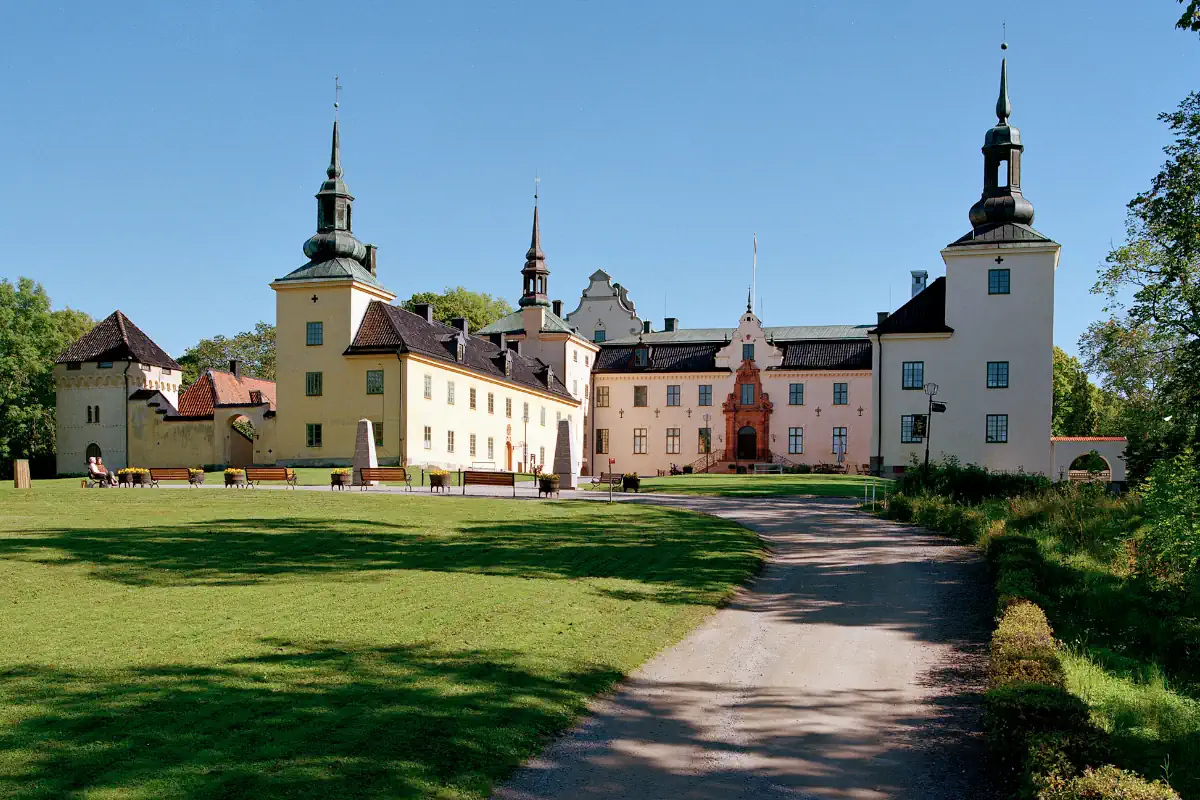
The three-story main building is flanked by copper-topped towers and balanced wings that form a stately courtyard. Its architectural presence combines 17th-century Baroque symmetry with later romantic reinterpretation. Nearby stands Tyresö Church, built in the 1630s and one of the best-preserved rural churches from Sweden’s imperial era — an important reminder that palace, parish, and power were once deeply intertwined.
Gardens, Nature, and the Estate Landscape
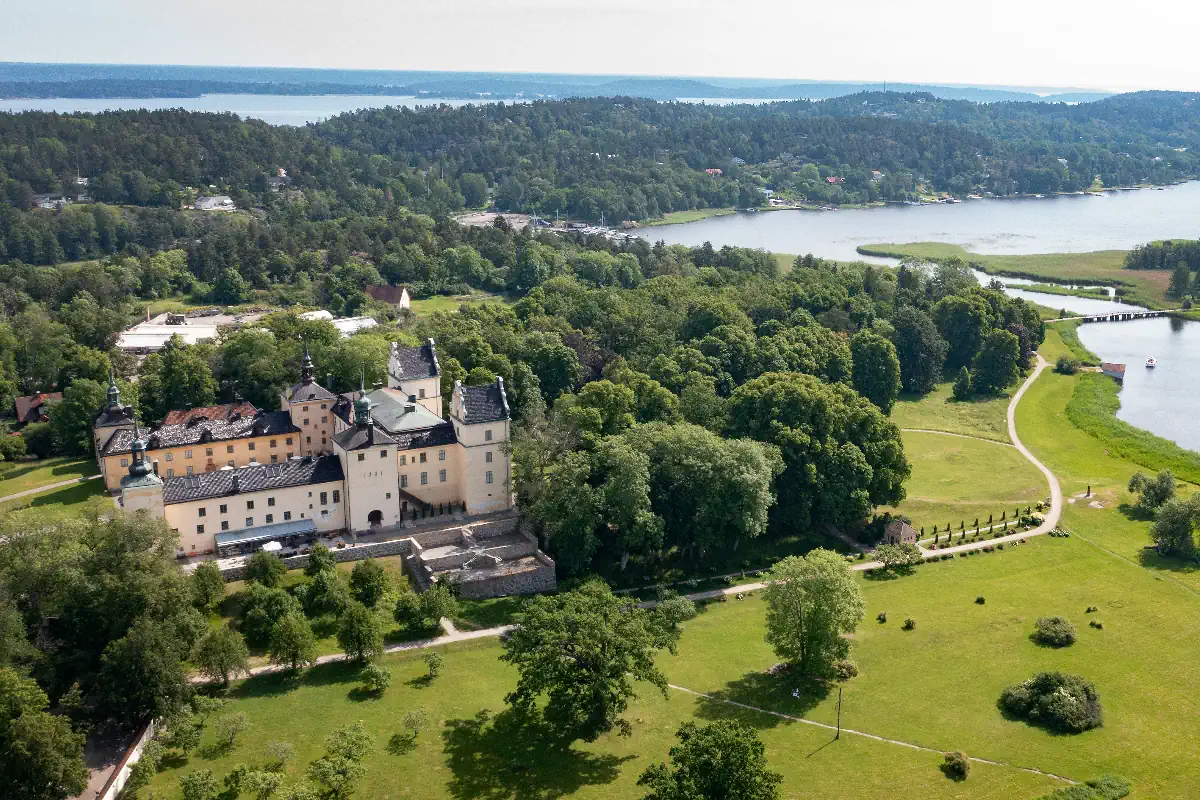
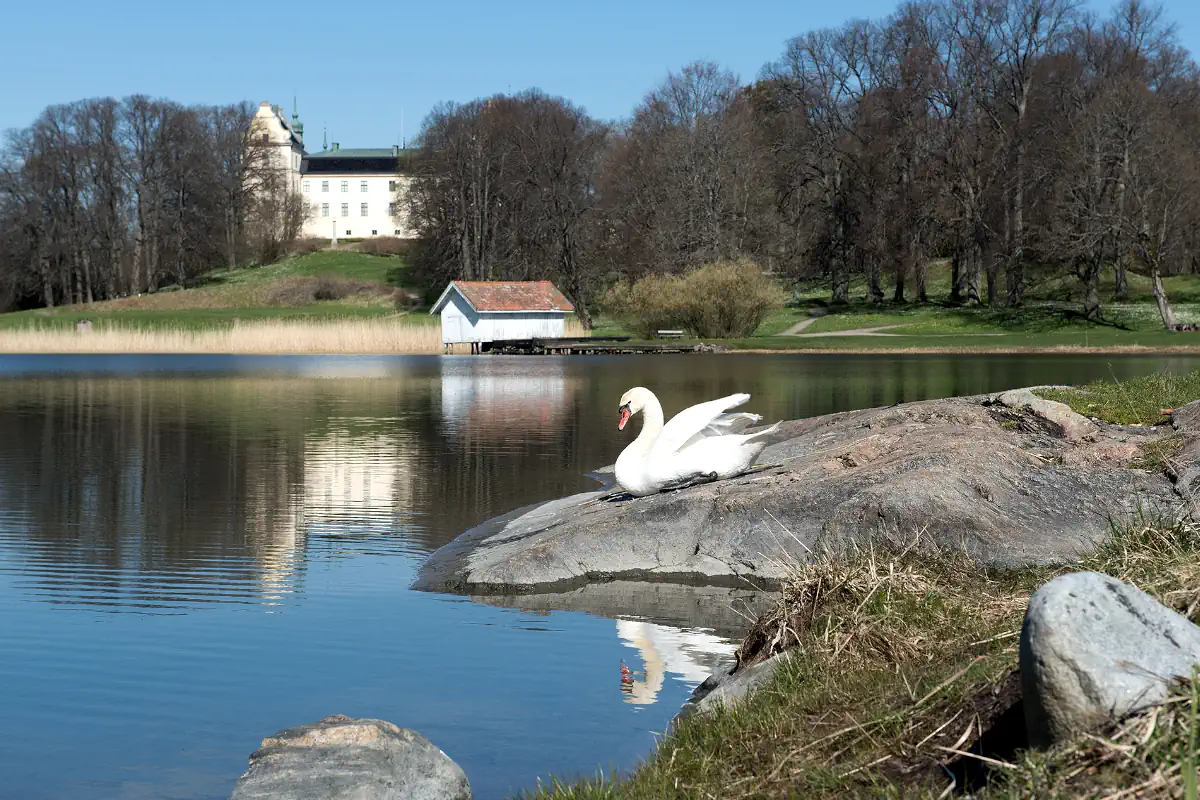
Tyresö Palace is as much about landscape as architecture. The surrounding estate blends English-inspired parklands with more formal Mediterranean-style garden elements. From manicured lawns to wooded paths, the setting invites slow exploration.
Directly adjacent lies the vast Tyresta Nature Reserve, known for its ancient forests, lakes, and hiking trails. Visitors can combine palace history with outdoor adventure — a rare opportunity to experience both Sweden’s aristocratic heritage and its wild landscapes in a single day trip.
From spring blossoms to autumn foliage, Tyresö’s seasonal shifts make each visit distinct.
Tyresö and the Historic Estates of Southern Stockholm
Tyresö Palace occupies a central place among the historic estates south of Stockholm. Visitors exploring the region may also consider:
Taxinge Palace, known for its relaxed countryside atmosphere and renowned café culture
Tullgarn Palace, a royal summer residence with coastal surroundings
Gripsholm Castle, one of Sweden’s most iconic Renaissance fortresses
Together, these estates reflect different layers of Swedish history — from noble power bases of the 17th century to royal residences and leisure retreats of later centuries. Tyresö stands out for its combination of architectural integrity, romantic landscaping, and immediate access to nature.
Visitor Information
- 🕰️ Opening Hours:
- Palace Tours: Summer (June–August)
- Gardens and surrounding park: Open year-round
- 📍 Address: Tyresö Slott, 135 60 Tyresö
- 🚶♀️ Getting There: Accessible by SL bus from Gullmarsplan to Tyresö Centrum, followed by a short walk. Parking is available on-site.
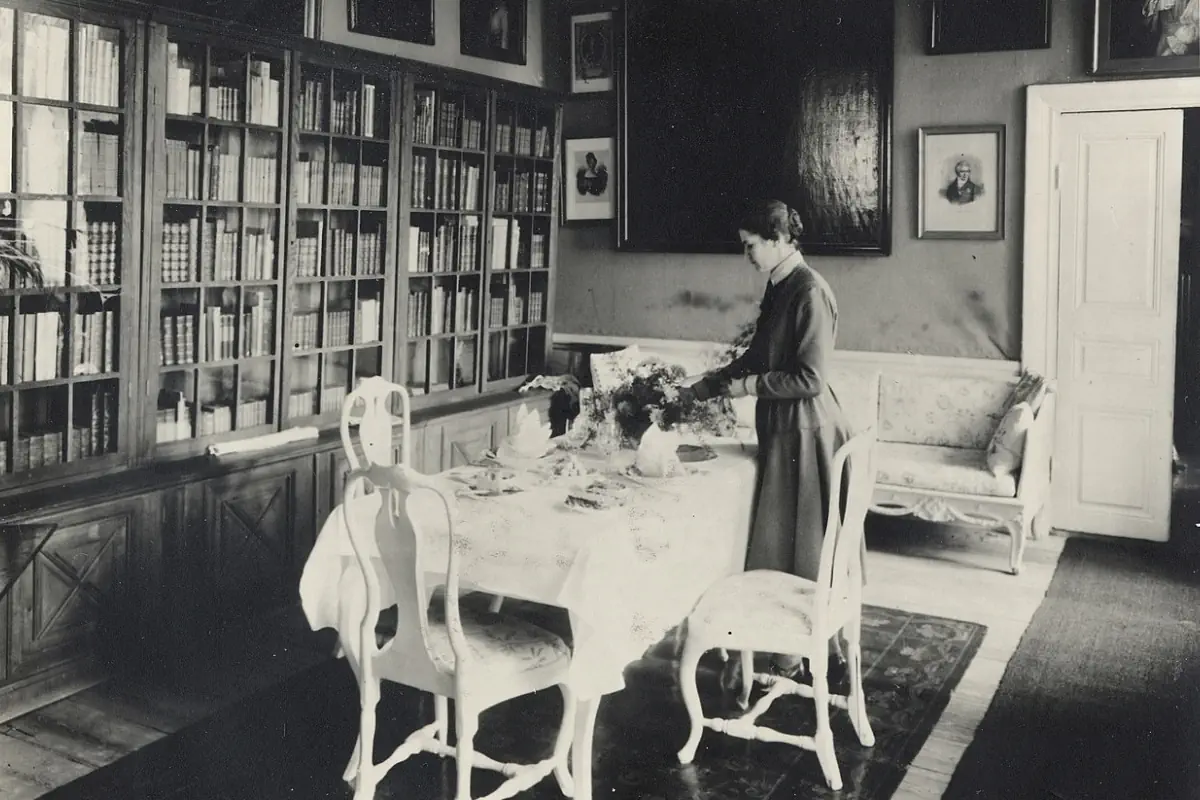
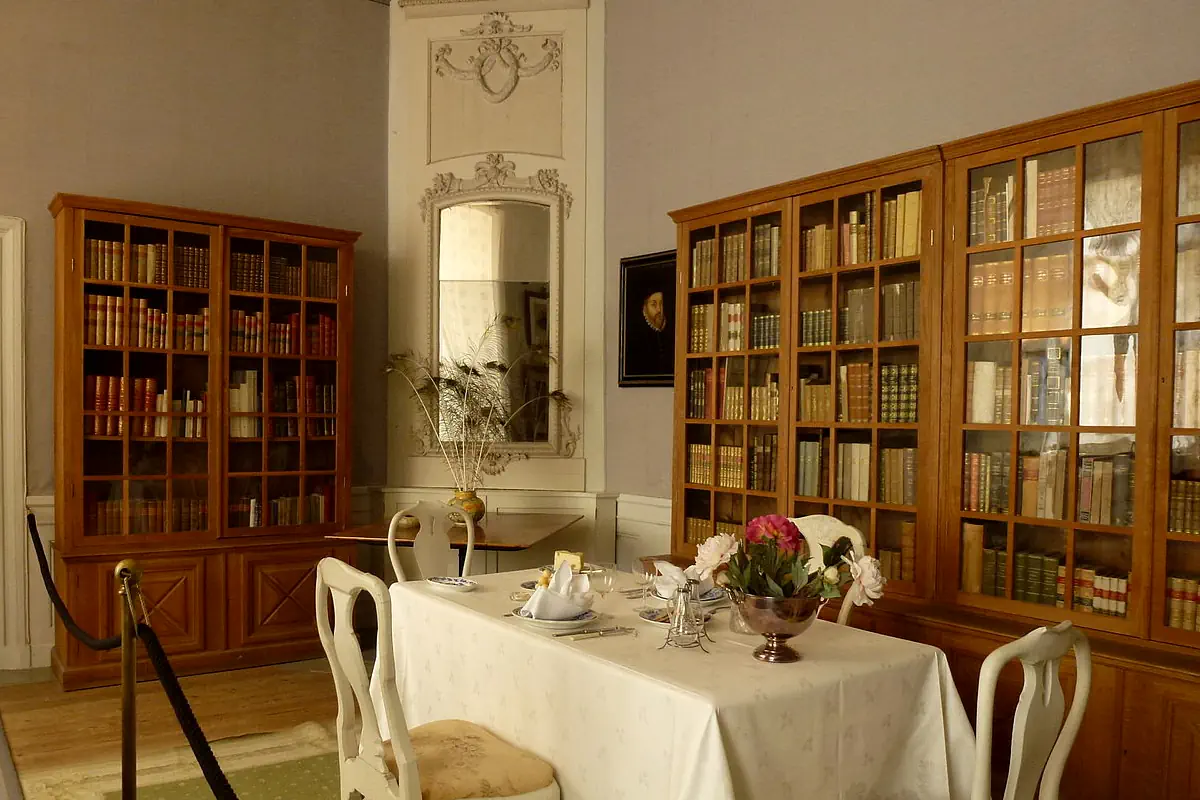
- 🔍 What to Expect: 17th-century interiors, landscaped gardens, Tyresö Church, lakeside views, and direct access to forest trails.
- 🎟️ Admission: Guided palace tours require a ticket. Gardens and nature areas are free to explore.
- 🎧 Guided Tours: Available in summer, offering deeper insight into the estate’s political history, architecture, and restoration.
- ☕ Café: A seasonal café operates during summer months, with additional dining options in Tyresö Centrum nearby.
Conclusion
Tyresö Palace offers more than a glimpse into Sweden’s past — it presents a layered experience of power, architecture, landscape, and resilience. From Great Power Era ambition to romantic reinvention, from lakeside calm to forest adventure, Tyresö embodies the richness of southern Stockholm’s heritage.
For visitors seeking a cultural escape just beyond the city, Tyresö Palace stands as one of the region’s most compelling and complete destinations.