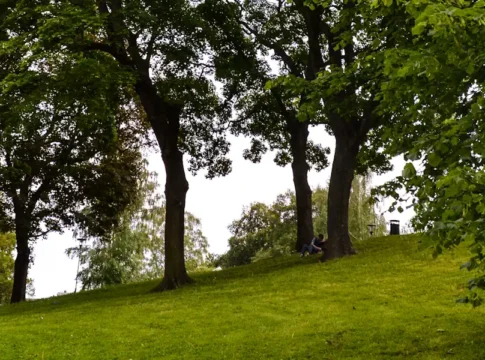
Chinese Pavilion — Rococo Fantasy in Drottningholm’s Royal Park
Nestled within the UNESCO-listed grounds of Drottningholm Palace, the Chinese Pavilion (Kina Slott) is one of Northern Europe’s finest expressions of 18th-century chinoiserie. Conceived as a pleasure palace rather than a seat of power, it reveals a more intimate and theatrical side of Sweden’s royal court.
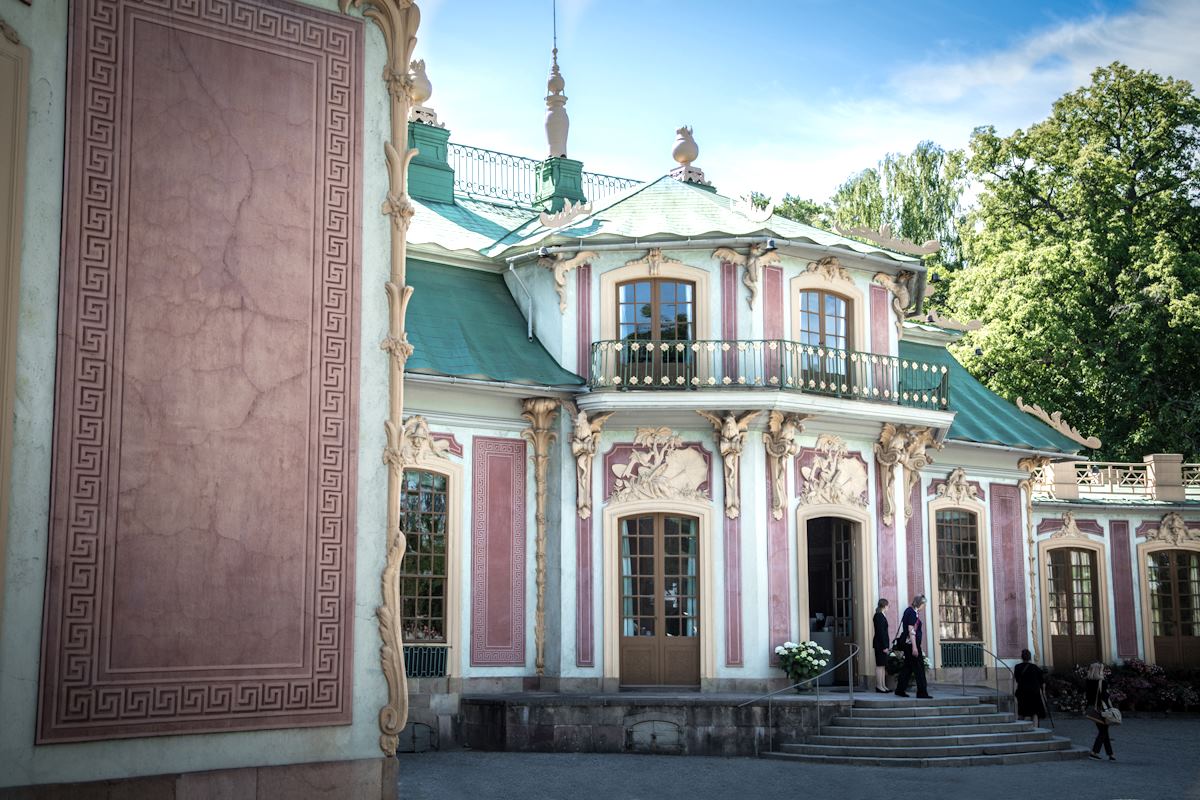
Presented in 1753 as a birthday gift from King Adolf Frederick to Queen Lovisa Ulrika, the pavilion embodied Europe’s fascination with East Asia — not as direct imitation, but as cultivated interpretation. Here, Chinese motifs were filtered through French Rococo elegance, creating a refined fantasy of the Orient set within the Swedish landscape.
Chinoiserie and Royal Imagination
The architect Carl Fredrik Adelcrantz designed the pavilion as an exotic retreat within the formal geometry of Drottningholm’s park. Painted façades, gilded ornament, lacquered panels, silk wallpapers, and imported porcelain transformed the building into a jewel-like counterpoint to the Baroque symmetry of the main palace.
Rather than authenticity, the pavilion represents 18th-century European imagination — a stylized vision of China shaped by trade, diplomacy, and artistic exchange. It reflects the intellectual curiosity of Queen Lovisa Ulrika, who surrounded herself with scholars, collections, and cultural experimentation.
The Confidensen: Dining in Secrecy
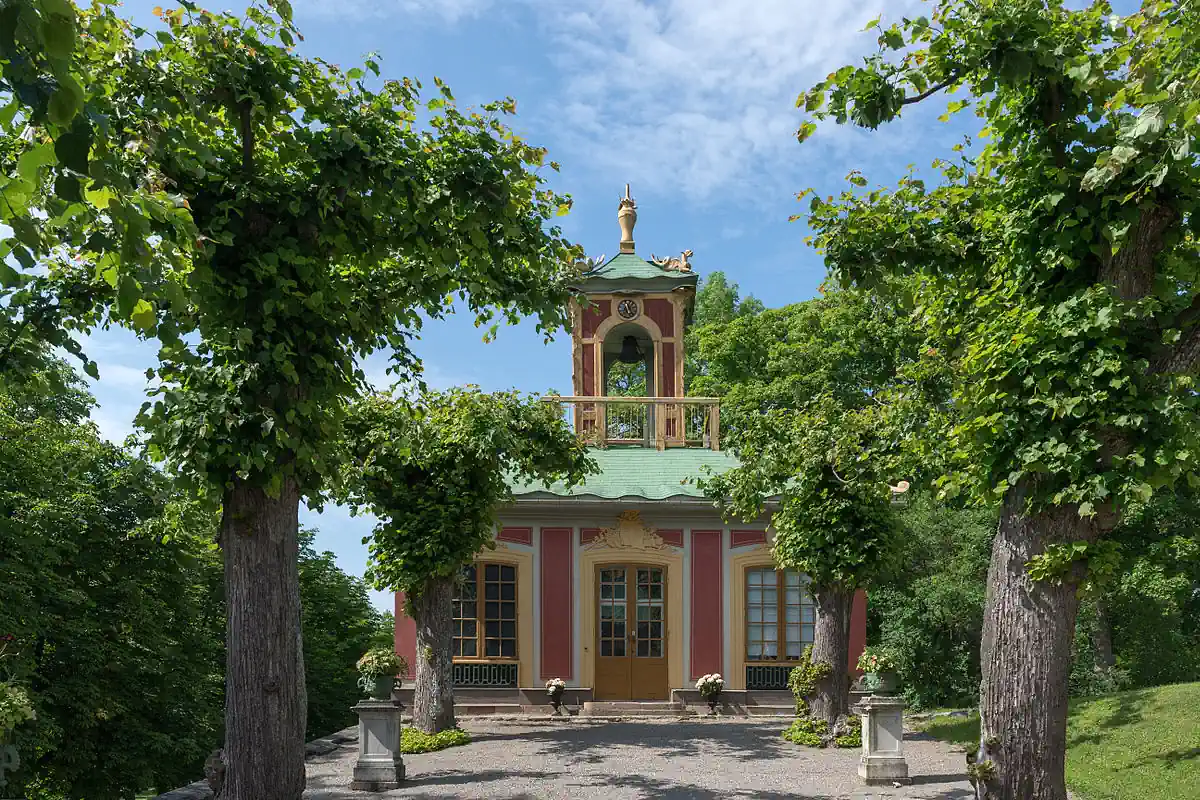
Adjacent to the pavilion stands the <strong>Confidensen</strong>, a small dining structure equipped with a mechanical table-lift system — an innovation that allowed dishes to be raised from the kitchen below without servants entering the room.
This playful mechanism reflects the pavilion’s spirit: not political ceremony, but cultivated leisure. Today, the Confidensen functions as a seasonal café, preserving the atmosphere of discreet royal retreat.




Within the Royal Landscape
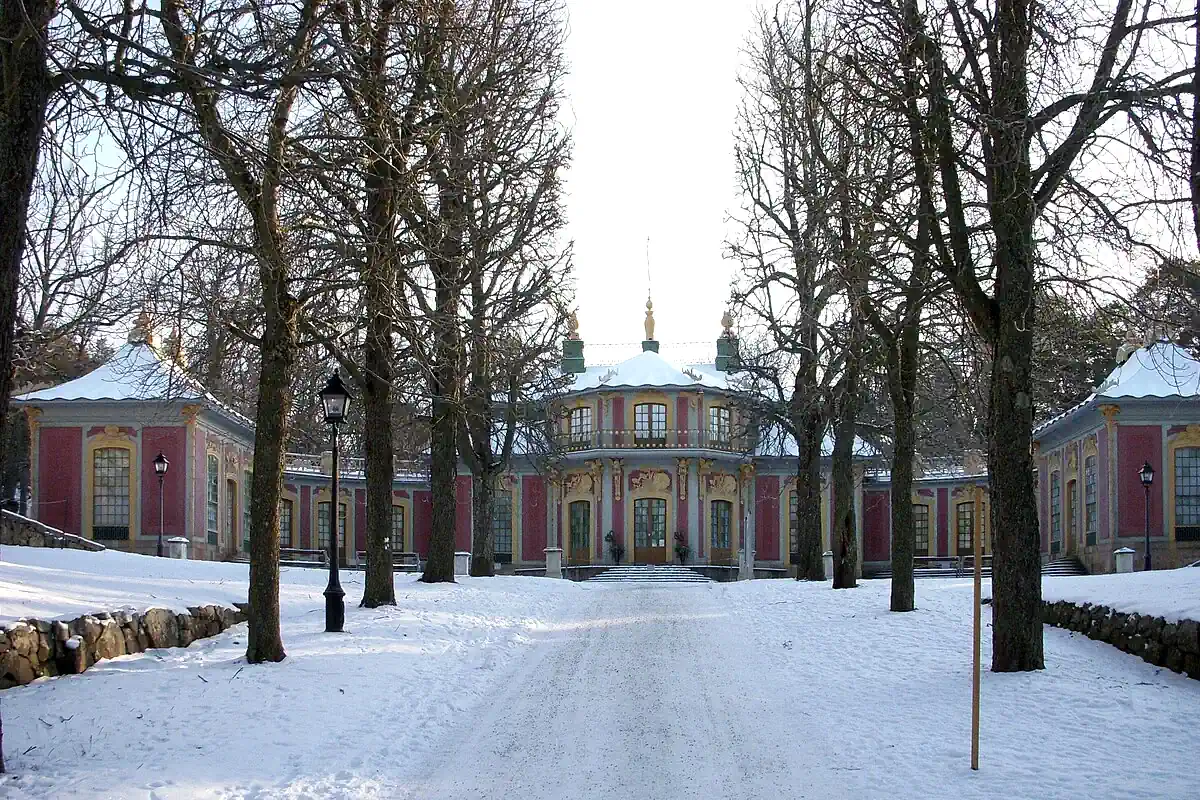
Though lighter in tone than the main palace, the Chinese Pavilion forms an essential part of Drottningholm’s ceremonial landscape. Together with the Drottningholm Court Theatre and the grand Baroque gardens, it completes a royal environment where power, performance, and pleasure coexist.
Here, Sweden’s monarchy revealed not authority, but refinement — participating in the broader European dialogue of art, trade, and global imagination that defined the 18th century.

A Jewel of Chinoiserie
Unlike fortified castles or monumental palaces, the Chinese Pavilion invites quiet observation. Its scale is intimate; its ornament playful. It stands not as a monument to sovereignty, but to curiosity — a delicate reminder that 18th-century royal culture embraced aesthetics, scholarship, and global imagination alongside governance.
Visitor Information
- Opening Hours: May–September, daily 11:00–17:00.
- Location: Drottningholm Palace Park, Ekerö.
- Getting There: Bus 176/177 from Brommaplan or seasonal ferry from central Stockholm.
- Admission: Entry fee applies; combined tickets available with Drottningholm Palace.
- Best Time to Visit: Late spring or early summer, when the surrounding gardens are in full bloom.