Hallwyl House Museum in Stockholm: A Palace Frozen in Time
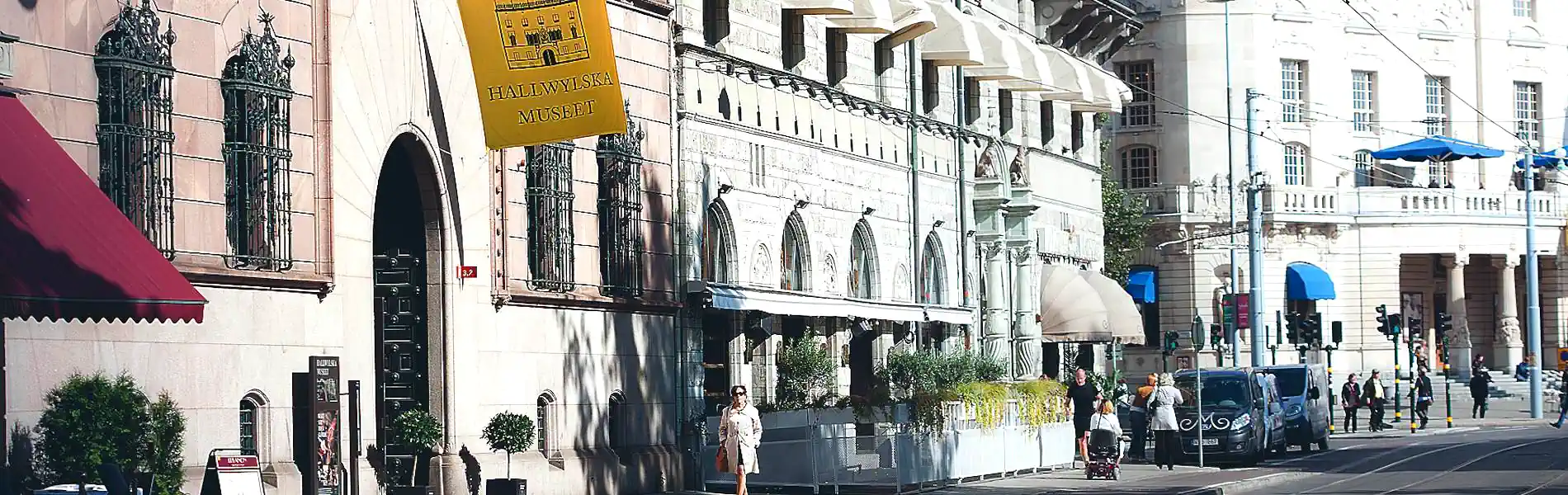
In the heart of central Stockholm, just steps from Kungsträdgården and Berzelii Park, stands one of the city’s most remarkable historic house museums — the Hallwyl House Museum (Hallwylska museet). Built in the 1890s as a private palace for Count Walther and Countess Wilhelmina von Hallwyl, the mansion remains astonishingly intact.
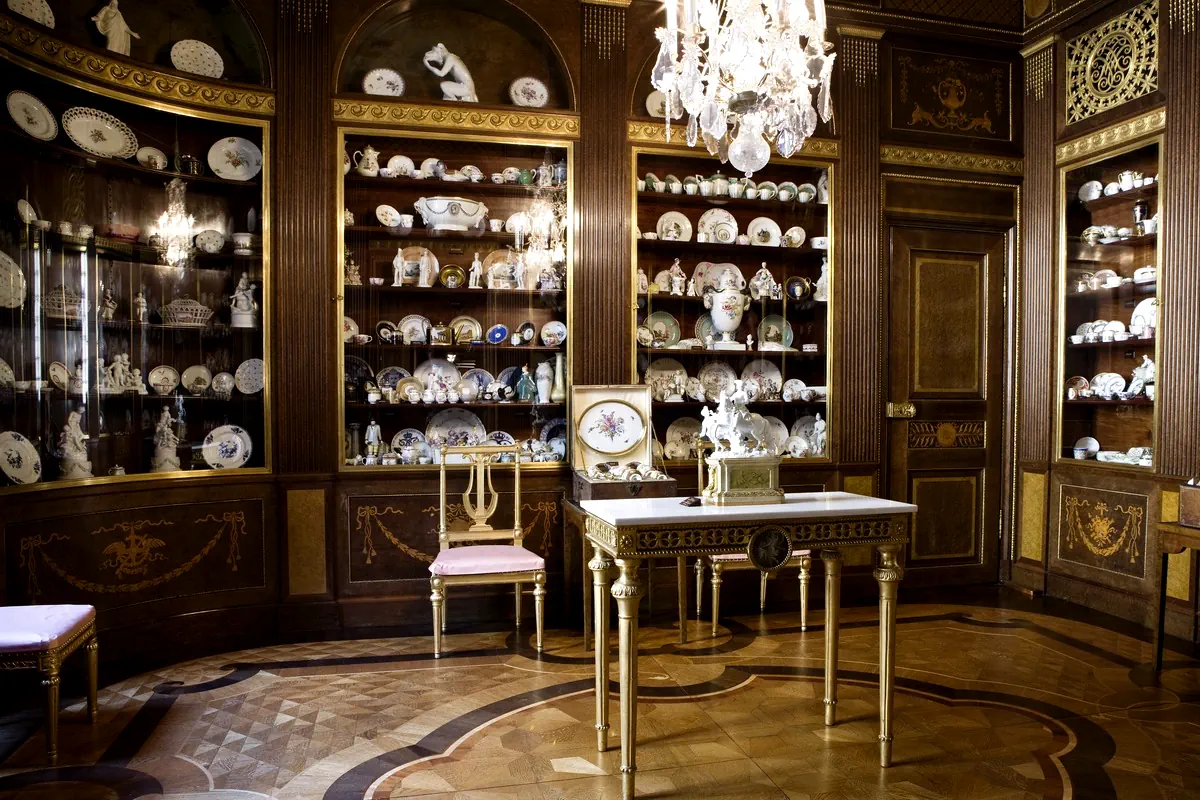
While many historic residences were later restored or reconstructed, Hallwyl House was built with the explicit intention of becoming a museum. Every object was catalogued, documented, and preserved — resulting in one of Europe’s most intact aristocratic homes from around 1900.
Rather than presenting royal ceremony and state power, Hallwyl House offers an intimate glimpse into private aristocratic life — revealing the refined domestic world of Stockholm’s elite at the turn of the 20th century.
- Built: 1893–1898
- Architect: Isak Gustaf Clason
- Style: Venetian Gothic & Swedish Art Nouveau
- Rooms: 40+ preserved interiors
- Founder: Walther & Wilhelmina von Hallwyl
- Opened as museum: 1920
- Location: Hamngatan, central Stockholm

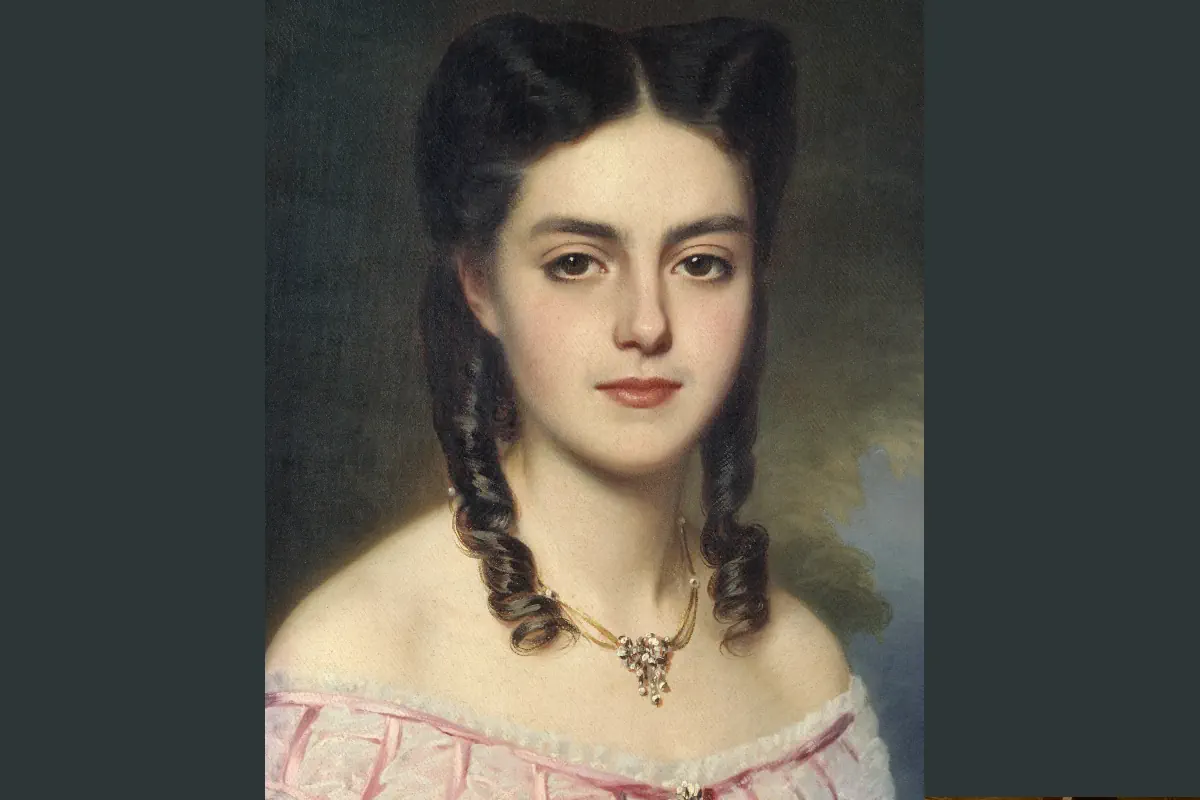
A Noble Legacy
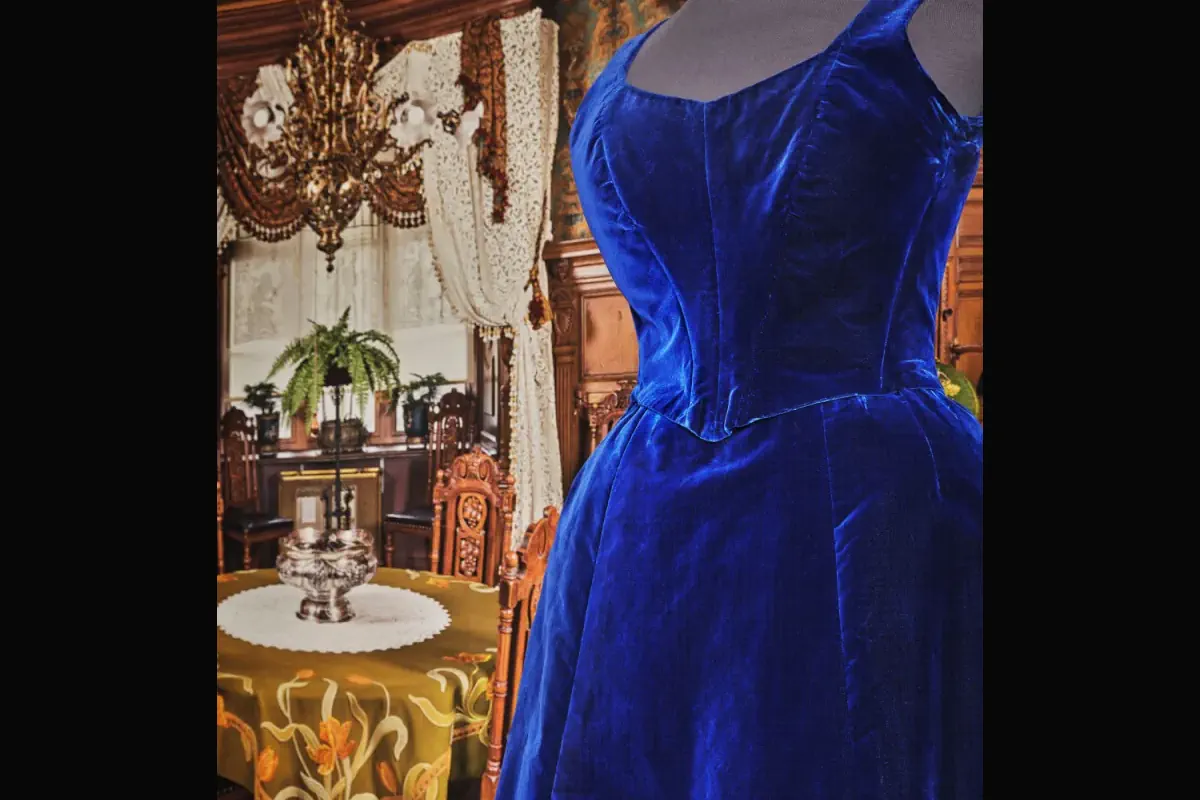
Hallwyl House is a journey through the lives of the von Hallwyl family and Stockholm’s upper class. Highlights include the grand dining room, the atmospheric music salon, and a private art gallery—each filled with treasures collected from around the globe.
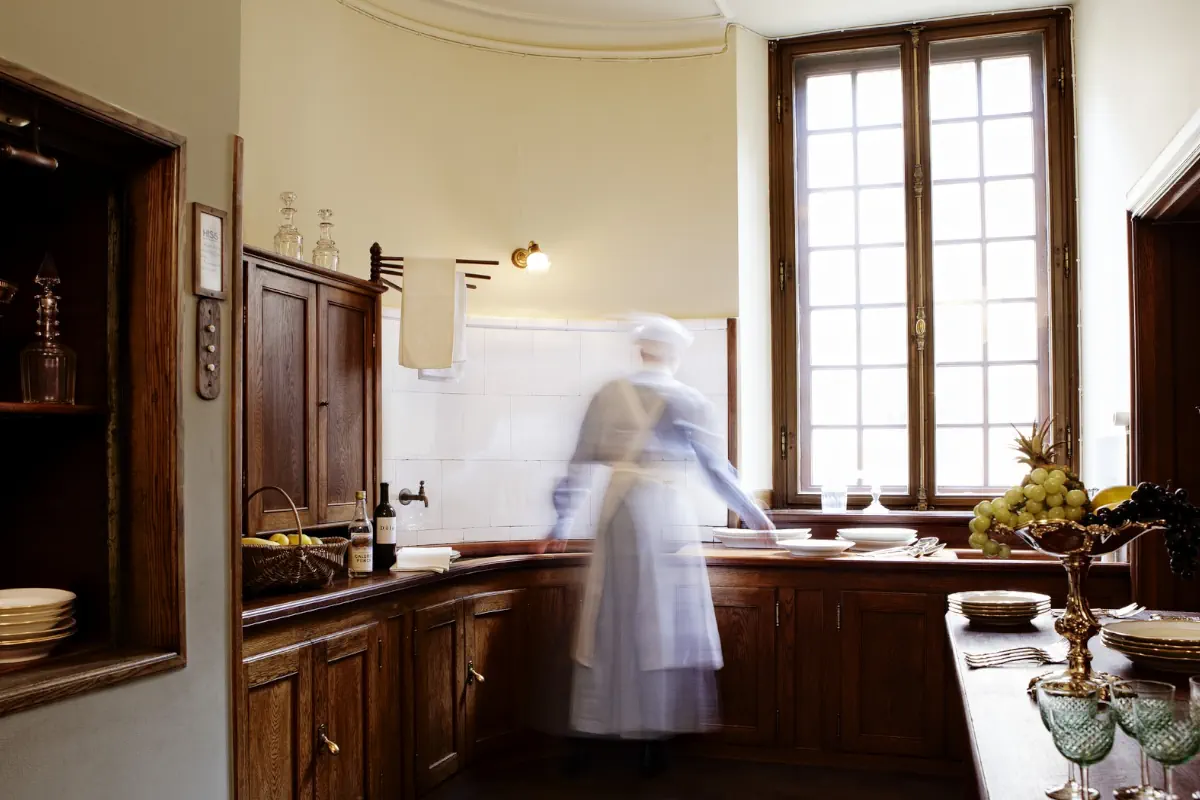
At the time of its completion, Hallwyl House was equipped with electricity, central heating, indoor plumbing, and even an early elevator — making it one of Stockholm’s most technologically advanced homes of its era.
The Visionaries Behind the House
Walther von Hallwyl was not only a Swedish count but also a diplomat and successful businessman, inheriting a vast fortune. He and Wilhelmina—a forward-thinking noblewoman and advocate for women’s rights—married in 1874. Together, they collected art, artifacts, and curiosities, all of which remain on display today.
Their shared passion for culture made Hallwyl House a legacy—and a museum like no other.


Architectural Elegance and Swedish Art Nouveau
Designed by renowned Swedish architect Isak Gustaf Clason, Hallwyl House combines Venetian Gothic influences with Swiss inspiration and refined Swedish Art Nouveau detailing. Built between 1893 and 1898, it was conceived not merely as a private residence, but as a future museum.
Wilhelmina von Hallwyl ensured that every object was catalogued and preserved — an extraordinary decision that makes Hallwyl House one of the most remarkably preserved aristocratic homes from the Belle Époque.
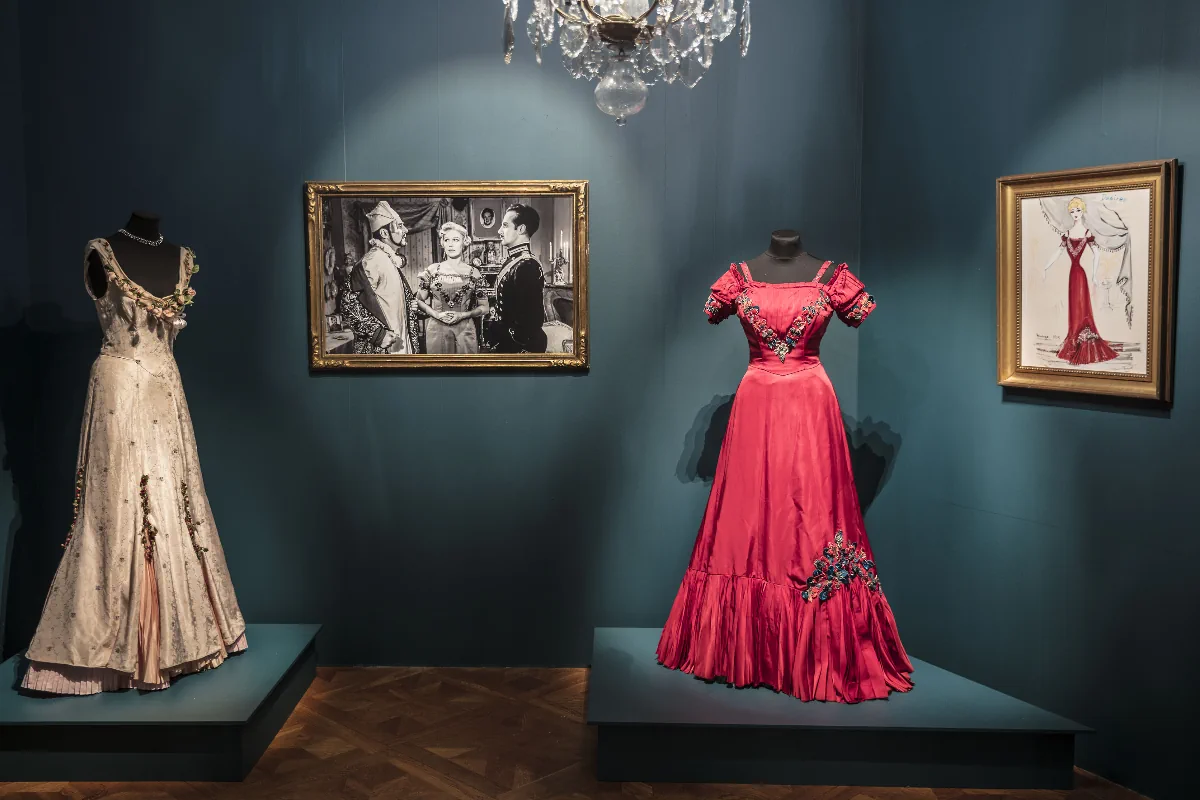
The 78-Volume Time Capsule



Visitor Information
- 🕰️
Opening Hours: Open Tuesday–Sunday year-round (seasonal variations apply). - ⏳
Time Needed: Allow 1.5–2 hours to explore the interiors and exhibitions. - 📍
Address: Hamngatan 4, central Stockholm. - 🚇
Nearest Metro: Kungsträdgården (Blue Line), 2-minute walk. - 📸
Photography: Allowed (no flash).
What’s Nearby?
Located in central Stockholm, Hallwyl House is surrounded by several must-see attractions:
- 🌳 Kungsträdgården – A historic city park perfect for a stroll or coffee break, just a few minutes’ walk away.
- 🎭 Royal Swedish Opera – Enjoy a performance or admire the grand façade of this cultural landmark around the corner.
- 🎨 Nationalmuseum – Sweden’s premier art and design museum, situated along the waterfront, showcasing centuries of European and Swedish art.
- 🛍️ Norrmalmstorg & Biblioteksgatan – Upscale shopping streets with Swedish and international boutiques, ideal for post-museum browsing.
- 🚤 Strandvägen – One of Stockholm’s most elegant boulevards, lined with historic buildings and offering boat tours of the archipelago.
These nearby destinations make Hallwyl House an excellent starting point for a full day of culture, shopping, and sightseeing in the heart of Stockholm. Plan your visit and uncover one of the city’s most captivating hidden gems.
- Is Hallwyl House worth visiting? Yes — it is one of Europe’s best-preserved aristocratic homes from around 1900.
- How many rooms can you visit? Over 40 richly decorated rooms are open to the public.
- Was the house always a museum? It was designed to become one and donated to the Swedish state in 1920.
Preserved as an aristocratic urban palace, Hallwyl House forms part of our Architectural Landmarks collection — where domestic opulence meets historicist design.