Torekällberget – Open-Air Museum in Södertälje Near Stockholm
Perched on a scenic hill in Södertälje, Torekällberget is one of the most authentic and family-friendly open-air museums near Stockholm. Just 35 minutes from the capital by commuter train, this living history museum recreates 19th-century Swedish life through preserved wooden houses, cobbled streets, working craft environments, and heritage farm animals.
Often described as a quieter and more intimate alternative to Skansen, Torekällberget offers visitors an immersive journey into Sweden’s rural and small-town past — without the scale or crowds of larger attractions. Whether you’re searching for things to do in Södertälje, planning a family outing, or exploring cultural experiences in the Stockholm region, Torekällberget delivers history in its most tangible form.
Founded in 1929 to preserve local buildings threatened by modernization, the museum began with the relocation of the Nora windmill. Over time, additional farmhouses, townhouses, workshops, and agricultural structures were carefully moved here to create a living historical landscape.
This open-air museum is especially valuable for understanding the Stockholm region’s local heritage. While national museums focus on Sweden as a whole, Torekällberget tells the story of Södertälje and its surrounding countryside — offering a more intimate and geographically specific perspective on Swedish history.
- Type: Open-air museum
- Location: Södertälje, Stockholm County
- Founded: 1929
- Focus: 19th-century Swedish town and countryside life
- Highlights: Historic wooden houses, heritage farm animals, craft workshops
- Admission: Free outdoor access year-round
- Travel time from Stockholm: Approx. 35 minutes
- Best for: Families, history enthusiasts, relaxed cultural outings


🏘️ Staden & Landet – Two Worlds of 19th-Century Sweden
Torekällberget is uniquely divided into two environments: Staden (The Town) and Landet (The Countryside). Together, they illustrate how life differed between urban Södertälje and rural farming communities during the late 1800s and early 1900s.
Staden features cobblestone streets lined with small-town buildings. Visitors can explore merchant homes, a printing house from 1905, and artisan workshops that demonstrate traditional trades. This section reflects Södertälje’s transformation during early industrialization, when commerce and craftsmanship shaped daily life.
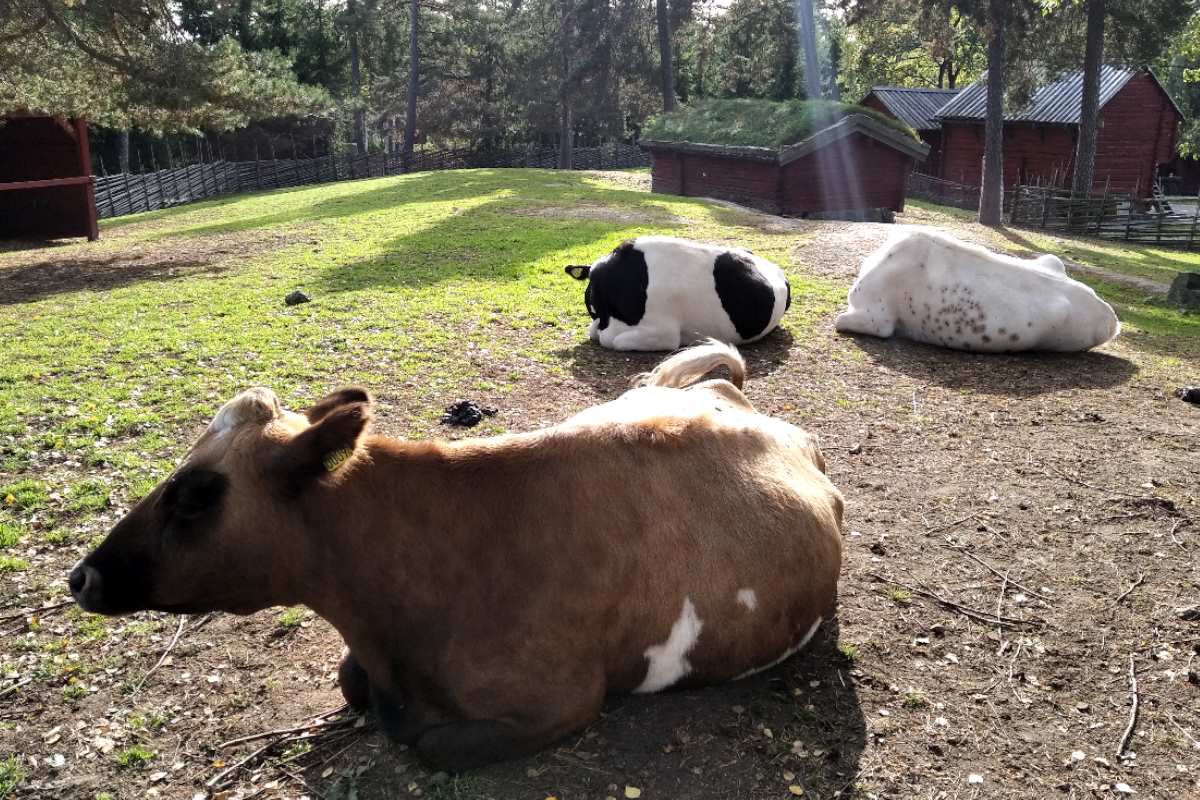
Landet transports guests into Sweden’s agricultural heritage. Red-painted timber farmhouses, barns, schoolhouses, and cultivated gardens recreate the rhythms of rural life. The peaceful setting — complete with grazing livestock — provides insight into how families lived and worked before modern mechanization.
🏠 Historic Buildings and Craftsmanship
The museum’s historic structures were relocated piece by piece to safeguard Södertälje’s architectural heritage. Each building tells a story about Swedish society, social classes, and daily routines.
- Traditional wooden farmhouses from the surrounding countryside
- A preserved 19th-century schoolhouse interior
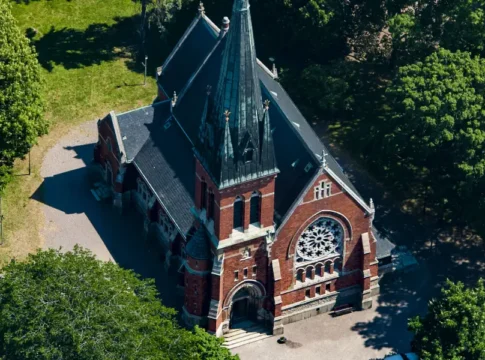
- A wooden church complete with bell tower
- A working blacksmith’s workshop
- The 1905 printing house
- Solbackens Café, serving traditional Swedish fika
Stepping inside these buildings reveals carefully staged interiors filled with period furnishings, tools, and everyday objects. Rather than simply observing history, visitors walk through it — experiencing authentic environments that bring Sweden’s past to life.
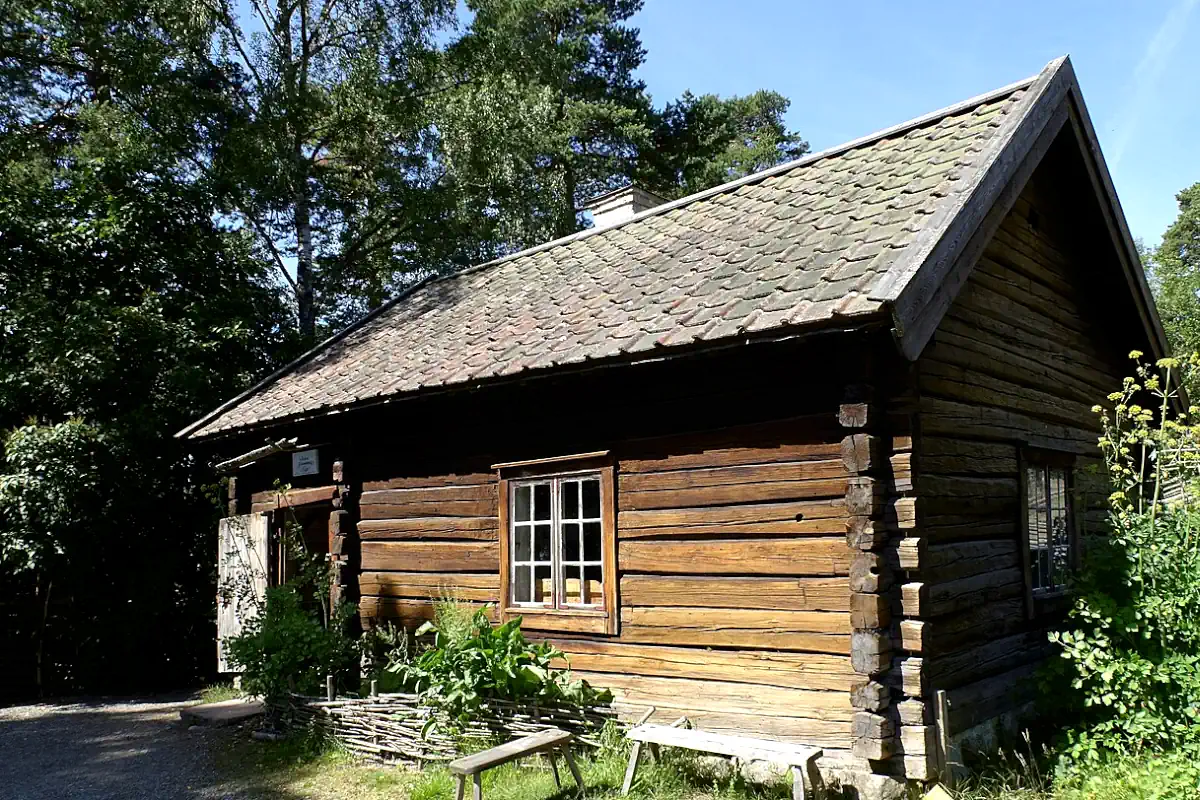


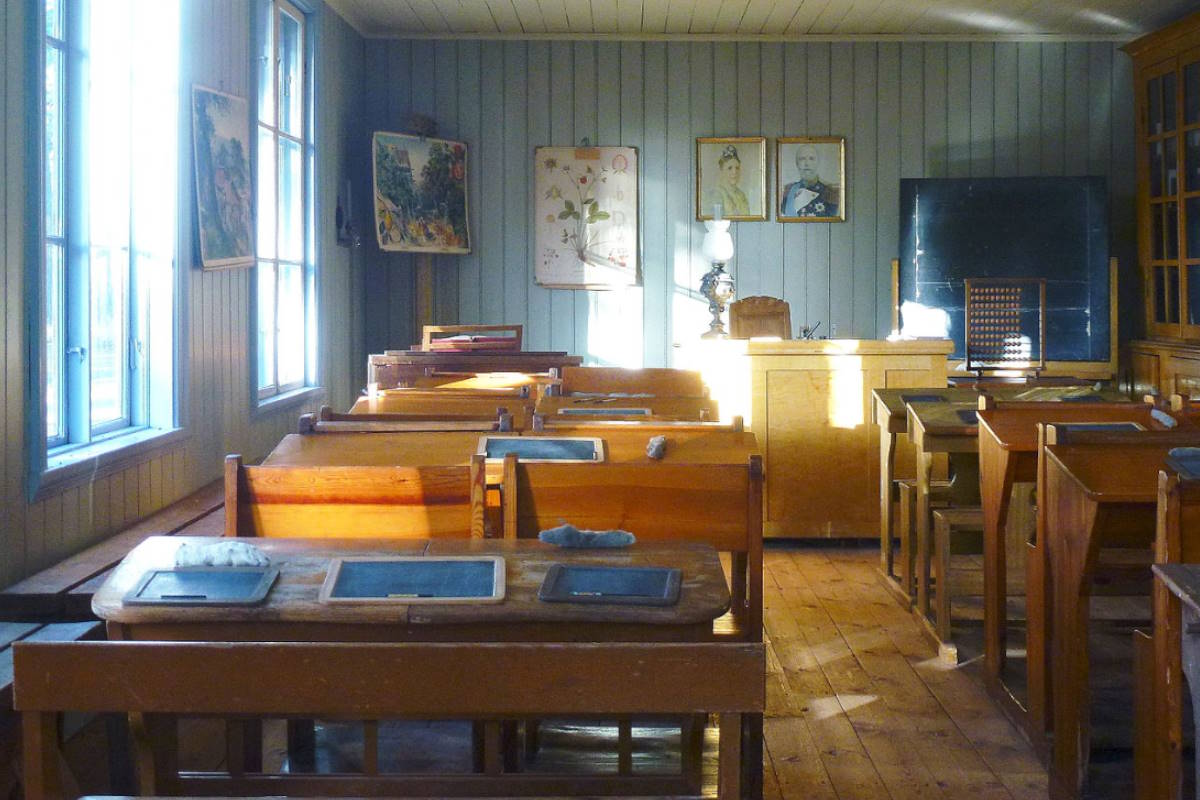
Preserving Södertälje’s Past Since 1929
🐑 Heritage Farm Animals
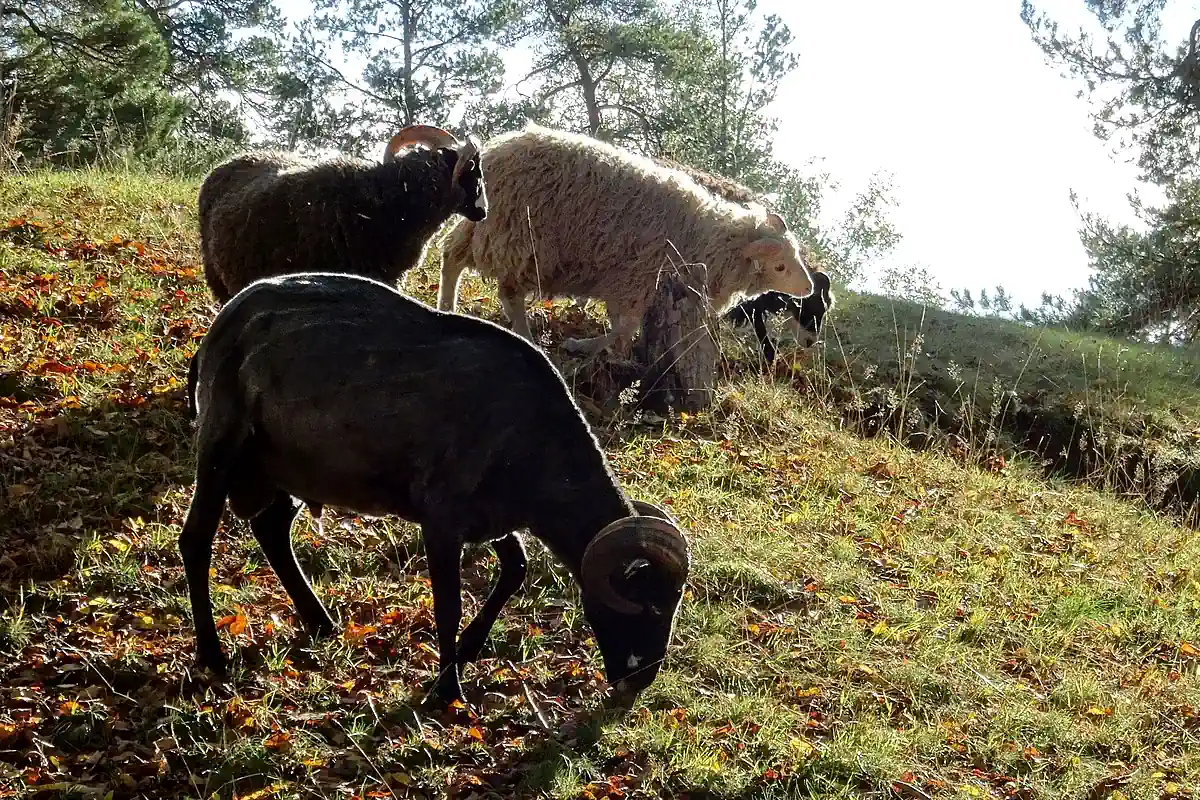
One of the most beloved aspects of Torekällberget is its collection of traditional Swedish livestock breeds. These animals are not merely decorative — they play an important role in preserving agricultural biodiversity.
- Gute sheep (Gutefår) — one of Sweden’s oldest native breeds
- Swedish Red and Mountain cows
- Draft and riding horses once essential for plowing and transport
- Öland chickens and other traditional poultry breeds
For families visiting with children, the animals add both atmosphere and educational value. Seeing livestock in authentic farm surroundings helps illustrate how central agriculture was to everyday Swedish life in the 19th century.

🌿 Nature, Events & Relaxation
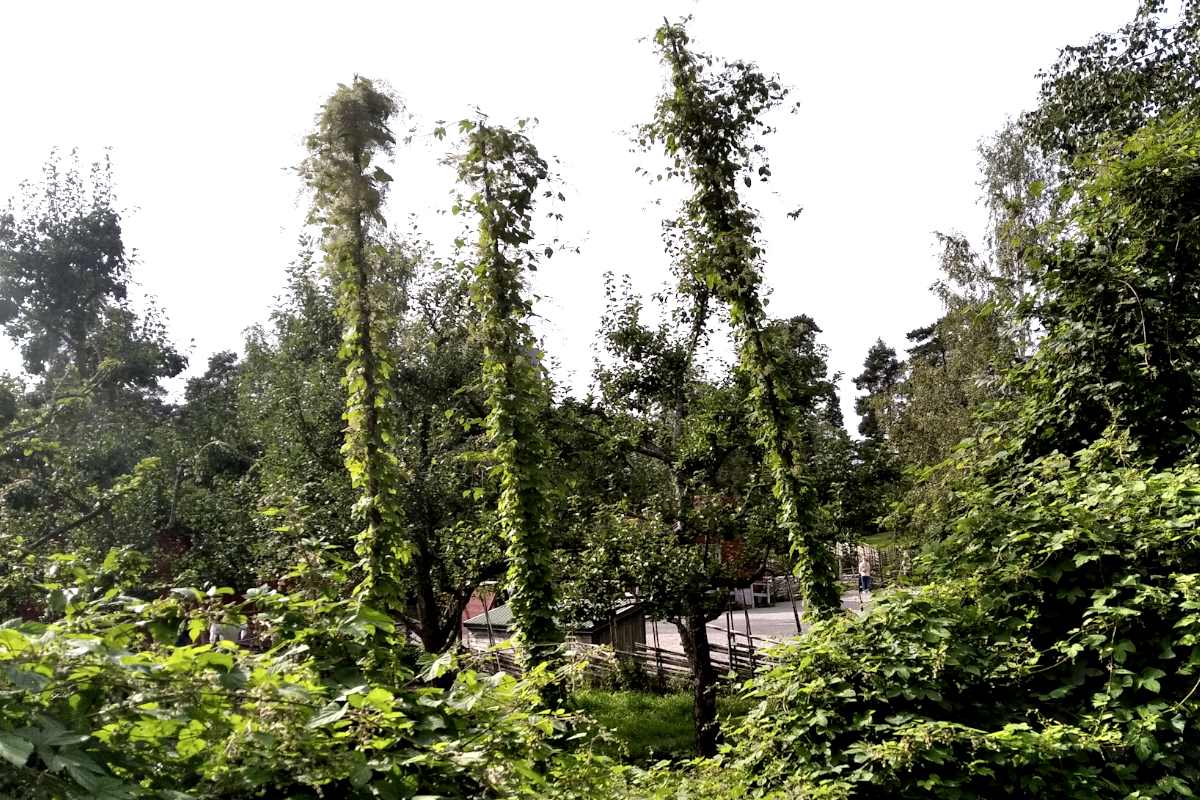
Walking paths wind between gardens, meadows, and historic structures, creating a relaxed pace of exploration. During spring and summer, flowering plants and cultivated vegetable plots reflect traditional farming practices. Picnic areas allow visitors to combine cultural discovery with outdoor leisure — a combination that makes Torekällberget especially popular among local families.
Seasonal traditions are an important part of the museum’s identity. During Midsummer, the grounds come alive with maypole dancing, flower wreaths, and folk music — offering visitors an authentic Swedish celebration. In December, the traditional Christmas market transforms the village into a nostalgic winter setting filled with handcrafted goods, seasonal sweets, and candlelit charm.
These events reinforce Torekällberget’s role not only as a preserved historical site, but as a living cultural meeting place that continues to celebrate Swedish heritage throughout the year.
📍 Visiting Torekällberget
Location: Södertälje, Stockholm County
Travel time from Stockholm: Approx. 35 minutes by commuter train
Walking distance from Södertälje Centrum: 15–20 minutes uphill
Admission: Free outdoor access year-round
Best time to visit: Late spring through early autumn
Torekällberget is one of the easiest and most rewarding day trips from Stockholm for visitors seeking authentic Swedish heritage. Smaller and more relaxed than Skansen in Stockholm’s Djurgården, it provides a genuine look at rural traditions while remaining accessible and family-friendly.
❓ Frequently Asked Questions
Is Torekällberget free to visit?
Yes. The outdoor areas of Torekällberget are free to access year-round. Certain seasonal events or activities may have small fees, but general entry to the open-air museum grounds is free.
How do you get to Torekällberget from Stockholm?
Take a commuter train from Stockholm Central to Södertälje Centrum (approximately 35 minutes). From the station, it is about a 15–20 minute uphill walk to the museum.
How long does a visit to Torekällberget take?
Most visitors spend between 2 and 3 hours exploring the historic buildings, farm animals, and scenic walking paths. During special events such as Midsummer or the Christmas market, visits may last longer.
Is Torekällberget suitable for children?
Yes. The open spaces, heritage livestock, and interactive historical environments make Torekällberget especially popular with families and children.
What is the difference between Torekällberget and Skansen?
Both are open-air museums, but Torekällberget focuses specifically on Södertälje’s local heritage and offers a quieter, more intimate experience. Skansen in Stockholm is larger and represents Swedish culture on a national level.
For travelers interested in Swedish history, architecture, traditional crafts, and agricultural life, Torekällberget offers an immersive open-air museum experience that feels both intimate and deeply rooted in local culture.