Drottningholm Palace: Sweden’s UNESCO Royal Estate
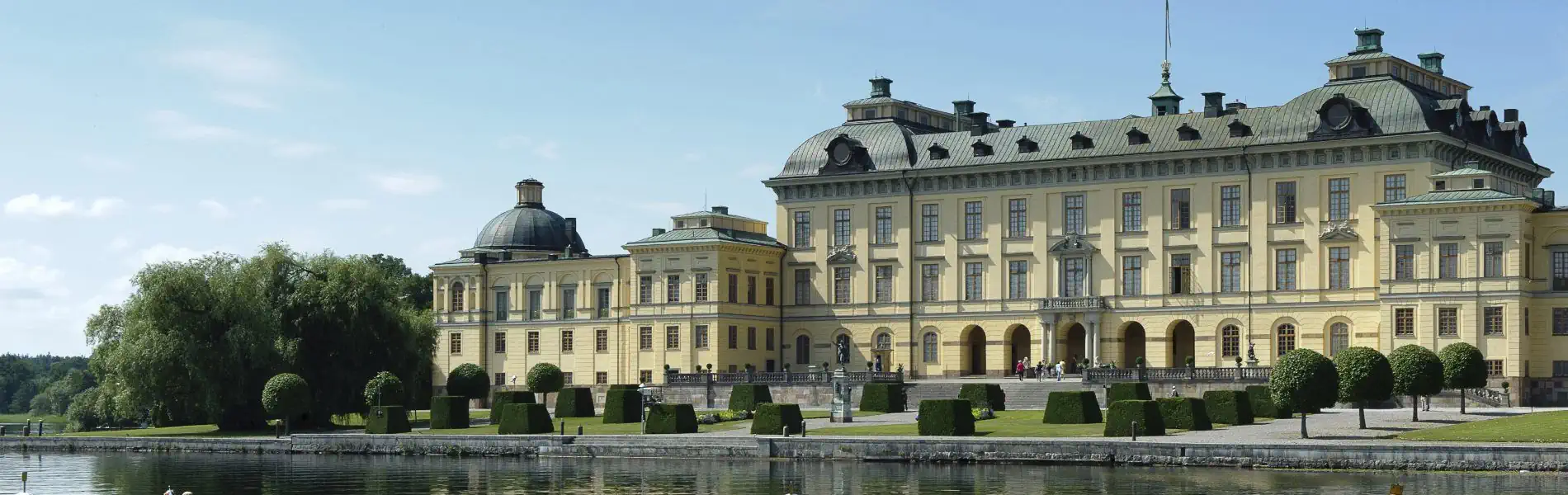
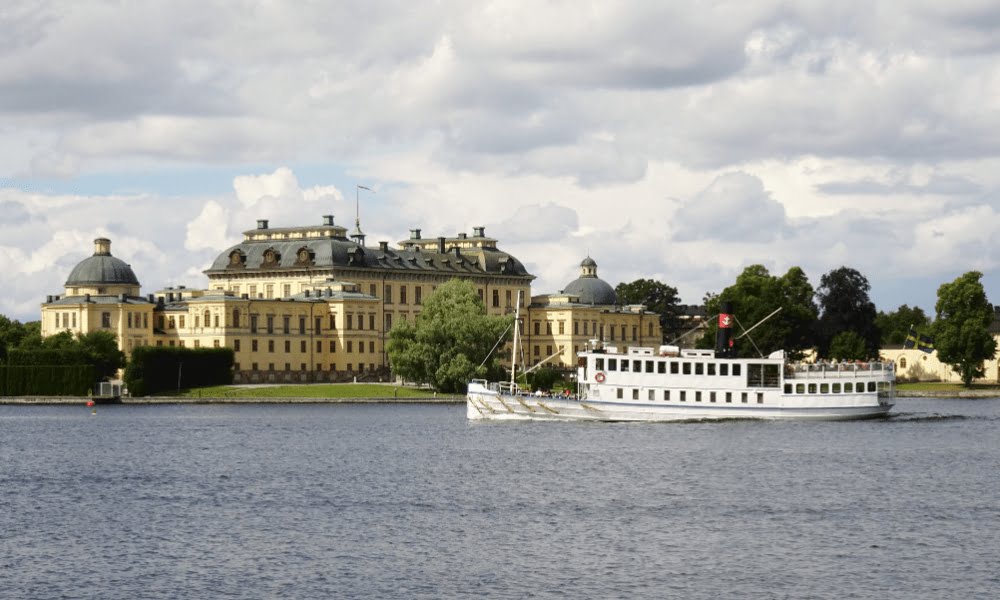
Set on the tranquil shores of Lake Mälaren just west of Stockholm, Drottningholm Palace (Drottningholms slott) stands as Sweden’s most complete royal estate and the country’s first UNESCO World Heritage Site. Conceived within the same European Baroque court culture that shaped Versailles, Drottningholm represents the most coherent royal environment in Northern Europe — where palace, theatre, pavilion, and gardens form a unified ceremonial landscape.
While medieval monarchs ruled from fortified strongholds in Gamla Stan, the emergence of Drottningholm in the 17th century marked a transformation in royal life. Here, Sweden’s monarchy evolved from defensive fortress authority into cultivated European court culture. The estate reflects the era when Sweden rose as a great power and sought architectural expression equal to continental courts.


Unlike many historic palaces that function solely as museums, Drottningholm remains a living royal residence. The southern wing serves as the private home of King Carl XVI Gustaf and Queen Silvia, while the remainder of the estate is open to visitors. This rare dual identity — public heritage site and active royal home — gives Drottningholm a unique position within Sweden’s national life.
- Founded: Late 16th century; rebuilt late 1600s
- Architect: Nicodemus Tessin the Elder
- Style: Baroque with later Rococo additions
- UNESCO Status: Inscribed in 1991 (Sweden’s first World Heritage Site)
- Function: Private residence of the Swedish royal family
- Location: Ekerö Municipality, Lake Mälaren
Origins and Architectural Vision
The origins of Drottningholm trace back to the late 16th century, when King Johan III commissioned a royal residence for Queen Katarina Jagellonica. After a devastating fire, the palace was rebuilt in the late 1600s under Queen Hedvig Eleonora and architect Nicodemus Tessin the Elder.
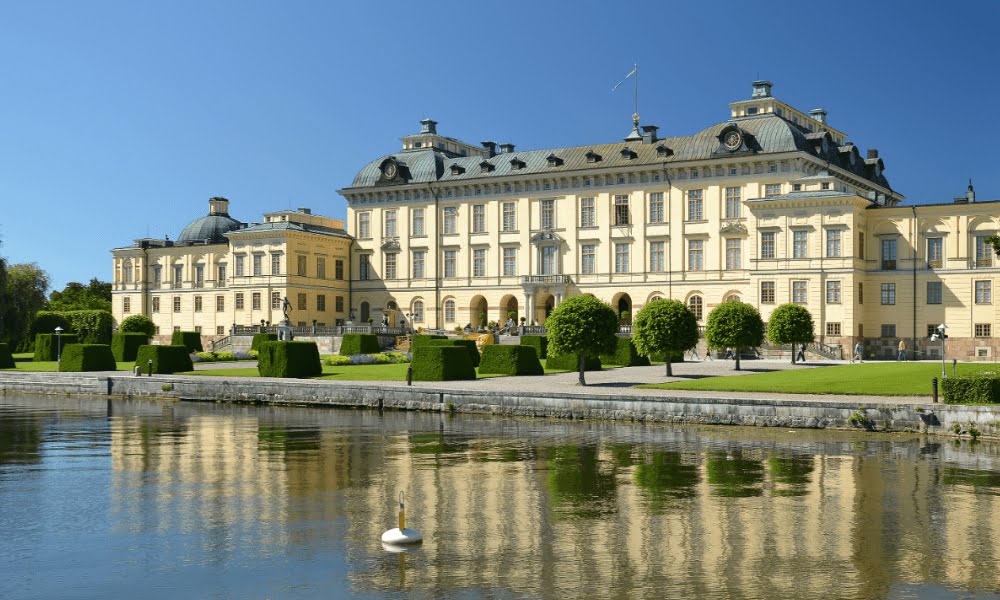
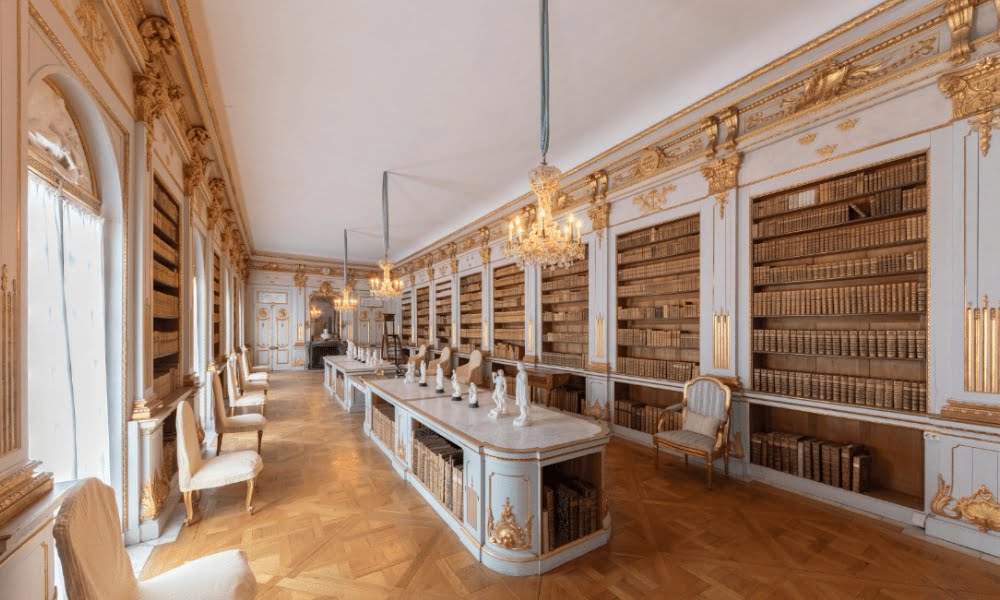
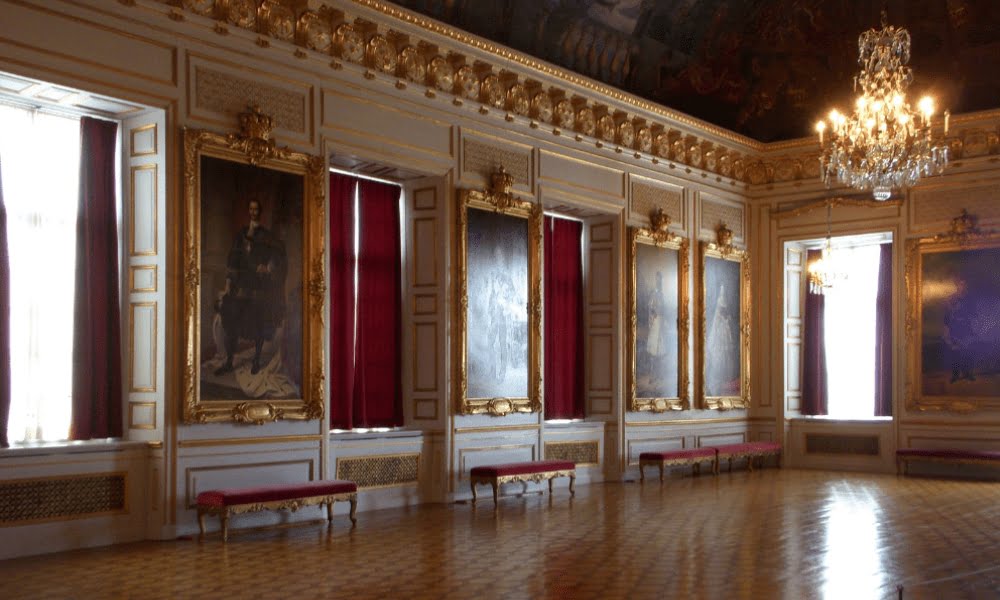
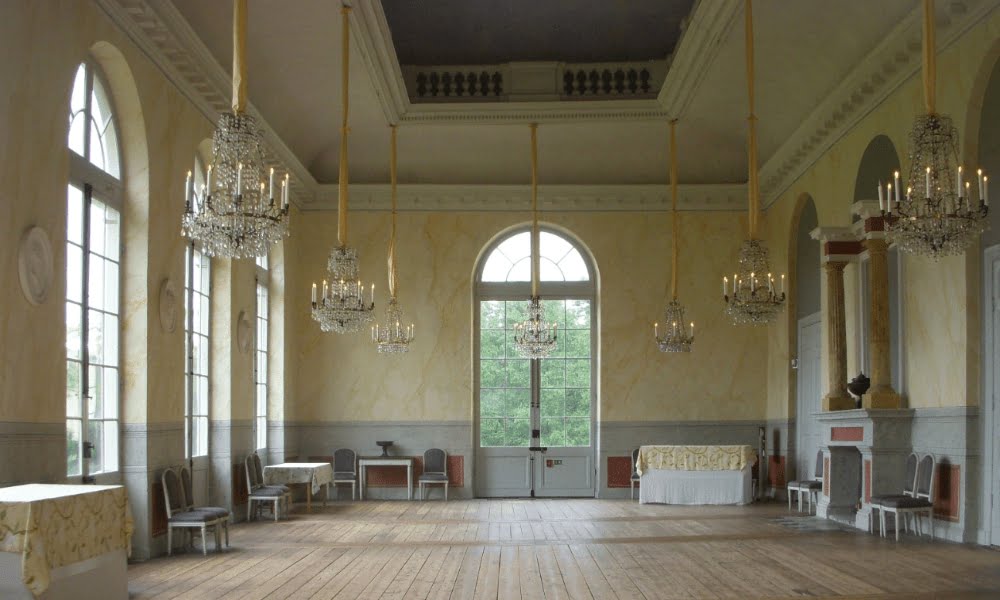
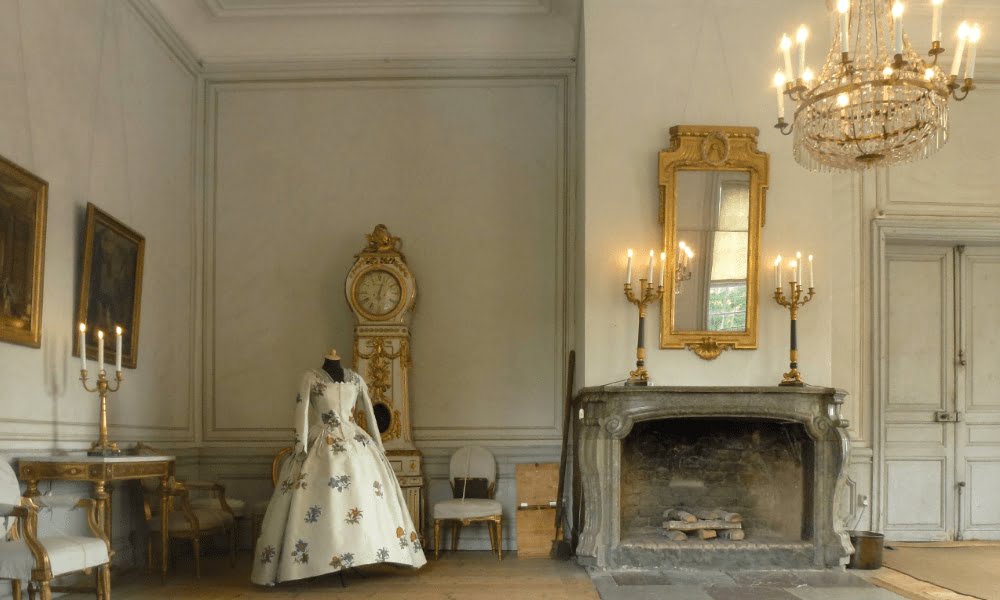
Tessin drew inspiration from continental European courts while adapting the design to Sweden’s northern climate and landscape. The restrained Baroque façade contrasts with richly decorated interiors featuring ceremonial state rooms, painted ceilings, gilded ornamentation, and grand axial perspectives opening toward the gardens.
During the reign of King Gustav III, Drottningholm flourished as a center of courtly culture, theatre, and artistic refinement — reinforcing its role not merely as residence, but as a stage for royal representation.


A Living Royal Residence
Inscribed as Sweden’s first UNESCO World Heritage Site in 1991, Drottningholm is distinguished for its exceptional preservation and completeness. The estate remains largely intact as it appeared in the 17th and 18th centuries, retaining original interiors, historic gardens, and auxiliary buildings.
Today, the royal family resides in the southern wing, while the royal apartments and ceremonial rooms are accessible to visitors. In contrast to the Royal Palace in Gamla Stan — which serves primarily as a ceremonial workplace — Drottningholm functions as the private domestic heart of the monarchy.
Together with the Royal Palace and Riddarholmen Church — where Sweden’s monarchs are laid to rest — Drottningholm forms part of a broader royal landscape of residence, ceremony, and dynastic continuity that has shaped Sweden since the 13th century.
The Drottningholm Court Theatre: A Baroque Time Capsule
Forgotten for over a century and rediscovered in the 1920s, the theatre survives as a rare Baroque performance venue where opera is still staged using period techniques.
Nearby stands the Chinese Pavilion, an 18th-century Rococo fantasy reflecting Europe’s fascination with the Far East — a playful architectural counterpoint to the palace’s formal symmetry.

The Gardens: Monumental Landscapes on Lake Mälaren
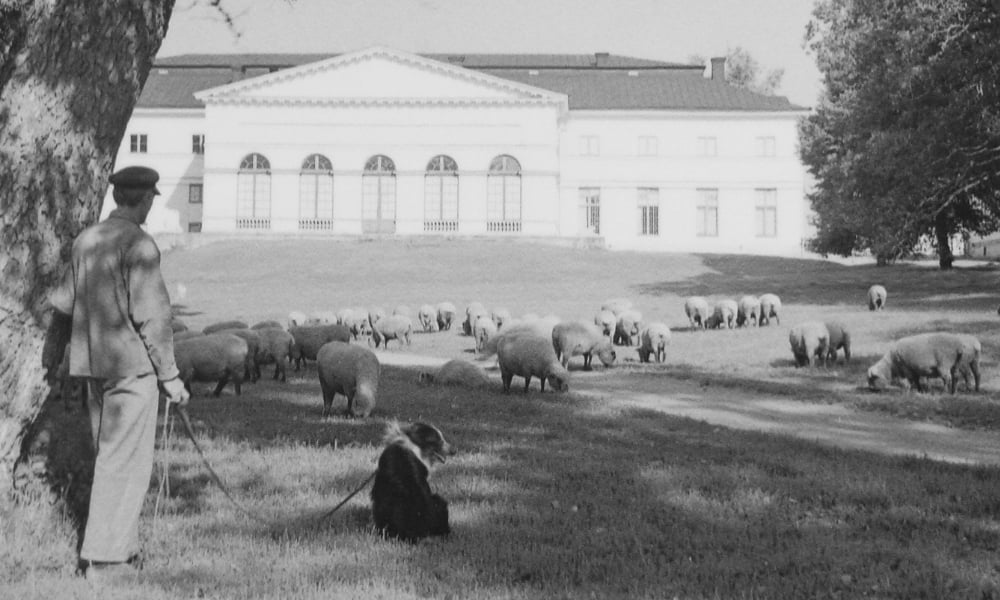
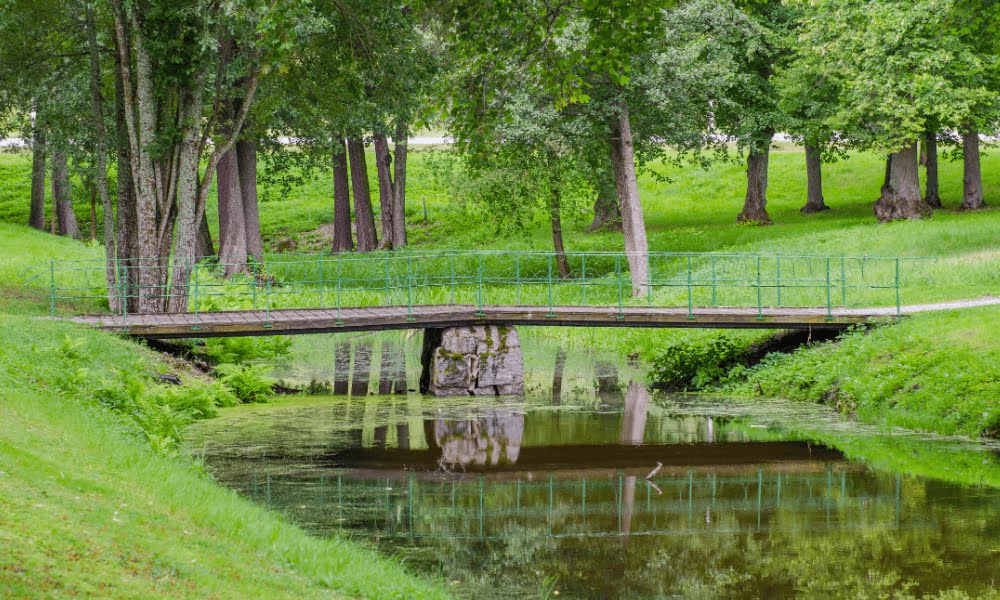
Stretching across more than 200 hectares, the gardens of Drottningholm are among Northern Europe’s most impressive royal landscapes. Designed initially by Tessin the Elder and later expanded, they reflect shifting European ideals — from Baroque geometry to English Romantic naturalism.
- The Baroque Garden: Axial symmetry, terraced parterres, sculptural fountains, and sweeping vistas toward Lake Mälaren.
- The English Garden: Winding paths, rolling lawns, and picturesque woodland scenes.
- The Chinese Pavilion Grounds: Rococo ornament set within an intimate landscaped enclave.
The powerful perspective of the Baroque garden — framed by statuary and hedged corridors — creates one of Scandinavia’s most striking royal vistas, linking architecture and landscape into a unified expression of authority and harmony.
Why Visit Drottningholm Palace?
Drottningholm offers something rare in Europe: a UNESCO-listed royal estate that remains both historically intact and actively inhabited — where court culture, architecture, and monarchy continue to coexist within the same landscape. Visitors encounter not only architecture, but a complete royal environment — palace, theatre, gardens, and pavilion interwoven into a living cultural landscape.
Where the Royal Palace in Gamla Stan represents ceremonial authority, Drottningholm embodies private royal life and cultivated court culture. Together they define the architectural backbone of Sweden’s modern monarchy.
Visitor Information
- Opening Hours: Summer daily (10:00–17:00); Winter Tuesday–Sunday (10:00–16:00).
- Address: Drottningholm Slott, 178 93 Drottningholm.
- Getting There: SL bus 176 or 177 from Brommaplan, or seasonal ferry from central Stockholm (approx. 45 minutes).
- Admission: Entry fees apply for interiors and pavilions; gardens are free year-round.