The Nordic Museum on Djurgården presents Swedish cultural history from the early modern period to today. Its exhibitions explore everyday life, traditions, and social change across five centuries.
The Nordic Museum: Journey Through Swedish Daily Life
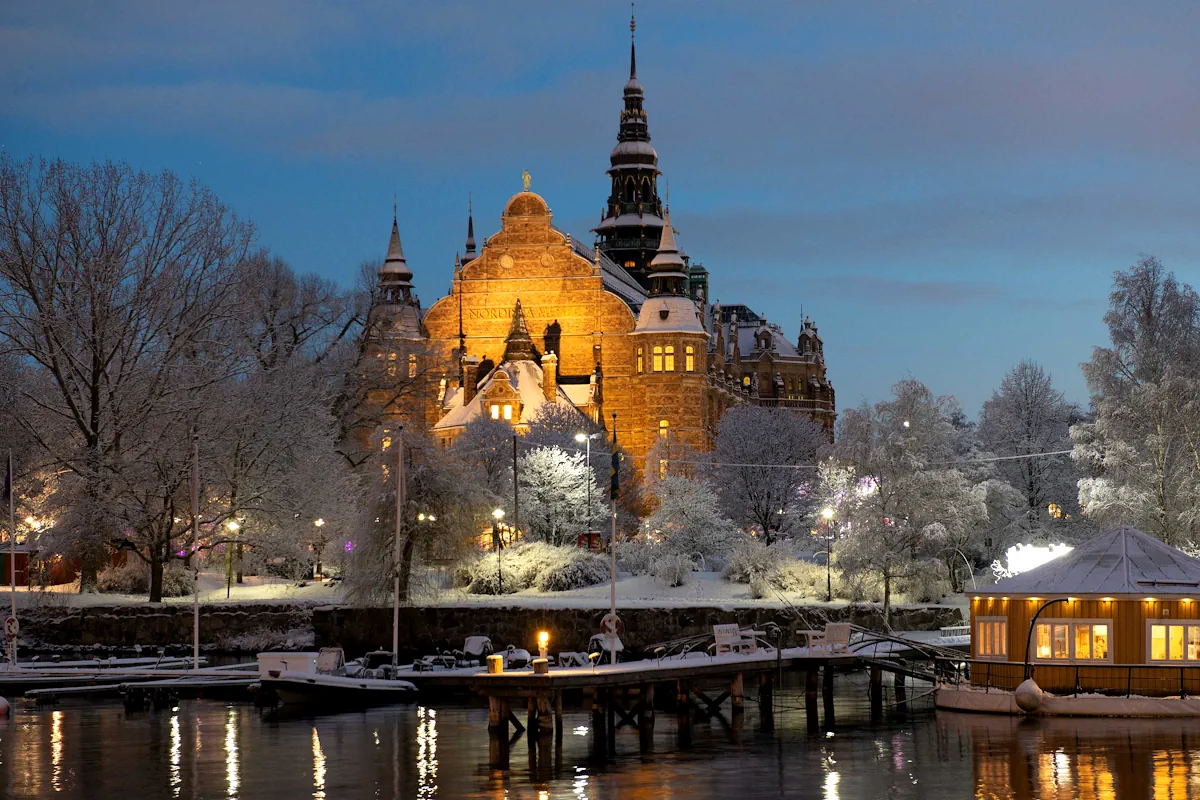
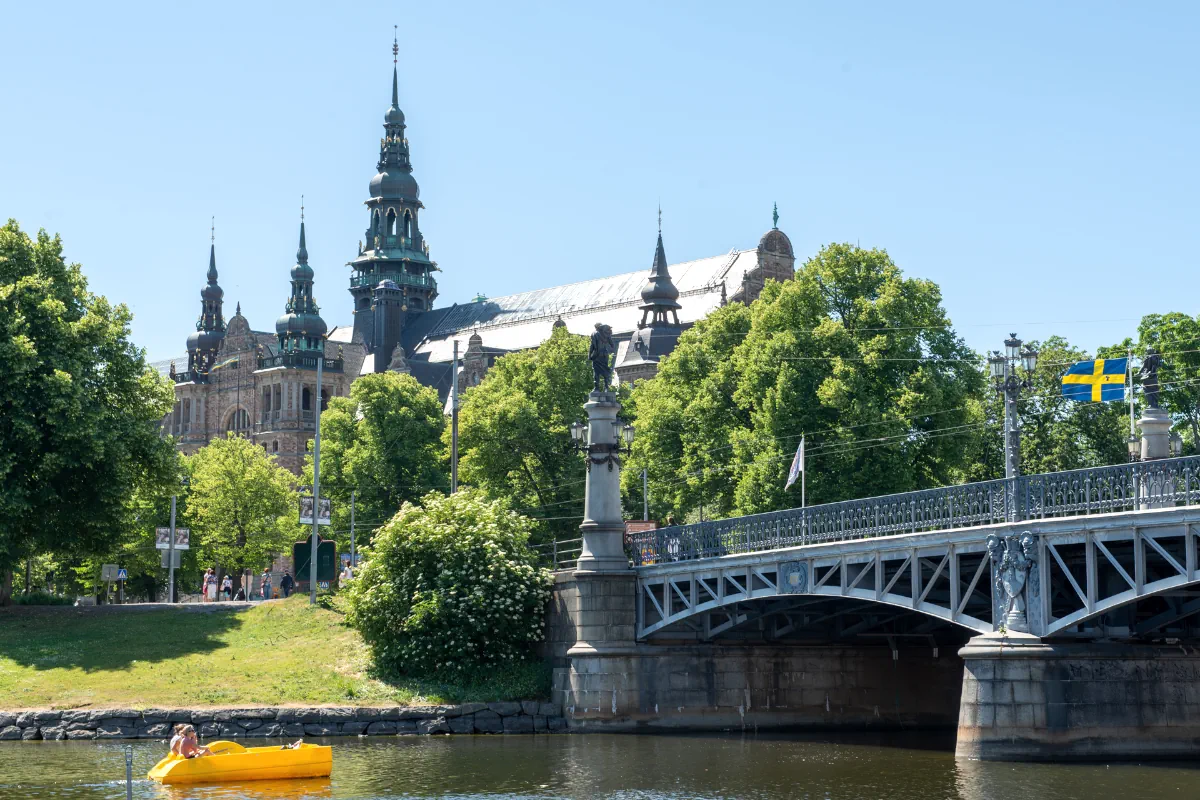
Located on scenic Djurgården Island, the Nordic Museum (Nordiska museet) is a majestic tribute to Swedish life and culture. Since 1907, this landmark has chronicled Sweden’s evolution—from 16th-century folk life to modern traditions.


🧶 Threads of Nordic Culture
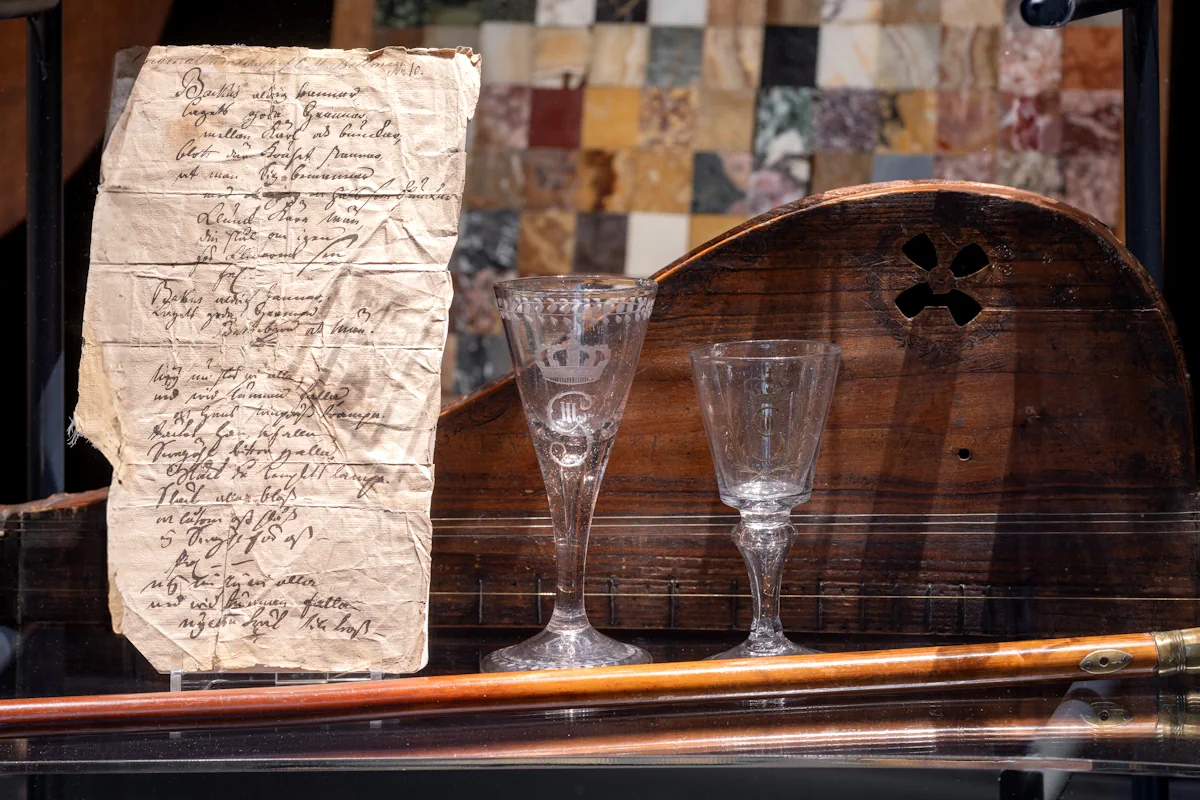
Inside, visitors can explore traditional costumes, furniture, crafts, and household items that trace changes in Swedish lifestyles, beliefs, and design. Interactive displays bring folk customs and rituals to life in engaging and accessible ways.
🏛️ Iconic Setting & Collections
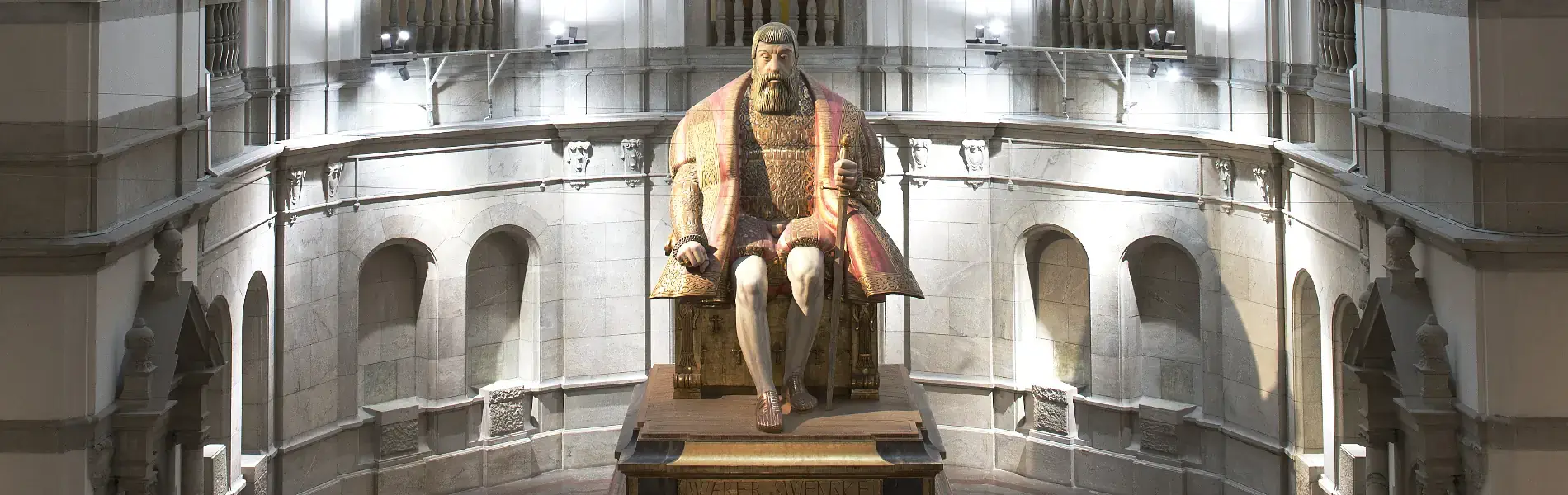
The museum’s grand hall is dominated by a statue of King Gustav Vasa, sculpted by Carl Milles. Beyond its architectural grandeur, the Nordic Museum continues to evolve—presenting contemporary Nordic culture through innovative and thought-provoking exhibitions.
Located near the Nordic Museum on Djurgården Island, the Museum of Ethnography offers a complementary perspective on global cultures through its extensive artifact collections.
Museum of Ethnography in Stockholm’s Museum Park.
📍 Perfect Djurgården Location
Situated near the Vasa Museum and Skansen, the Nordic Museum is easily accessible by ferry, tram, or bus—making it an ideal hub for a full cultural day out in Stockholm’s heritage district.



🎓 A Vision of Preservation
Founded by ethnologist Artur Hazelius, the museum was created to safeguard Sweden’s folk culture. Hazelius also established Skansen, forming the cultural heart of Djurgården.


🧭 Nearby Attractions
- 🛳️ Vasa Museum: Explore Sweden’s famous 17th-century warship, preserved in spectacular detail.
- 🎢 Gröna Lund: Enjoy thrilling rides, concerts, and family fun at Stockholm’s iconic amusement park.
- 📚 Junibacken: Step into the world of Swedish children’s literature, including Astrid Lindgren’s classics.
- 🏰 Rosendal Palace: Tour a royal neoclassical retreat surrounded by tranquil gardens.
- 🖼️ The Thiel Gallery: Admire Nordic art in a stunning mansion with scenic views over Djurgården.
- 🦉 The Biological Museum: See beautifully preserved Swedish wildlife in immersive dioramas.
✅ Why Visit?
The Nordic Museum offers a deep dive into Swedish heritage—celebrating craftsmanship, traditions, and the evolving story of everyday life. For lovers of design, history, or folklore, it delivers both depth and inspiration in equal measure.
In addition to the Nordic Museum, make sure to include the Royal Palace in your itinerary, as it is one of Stockholm’s iconic landmarks that reflects the city’s rich history.


 In partnership with Agoda